A plastic cosmetic pack often contains several different parts. Start by listing the body, inner cup, closure, liner and dispenser, then identify the material requirement for each.
The material MOQ for plastic containers is 2,000 pieces. Confirm the selected container and each closure, dispenser, decoration or tooling item in the project quotation. The MOQ and production planning guide explains the information to confirm for the complete assembly and delivery plan.
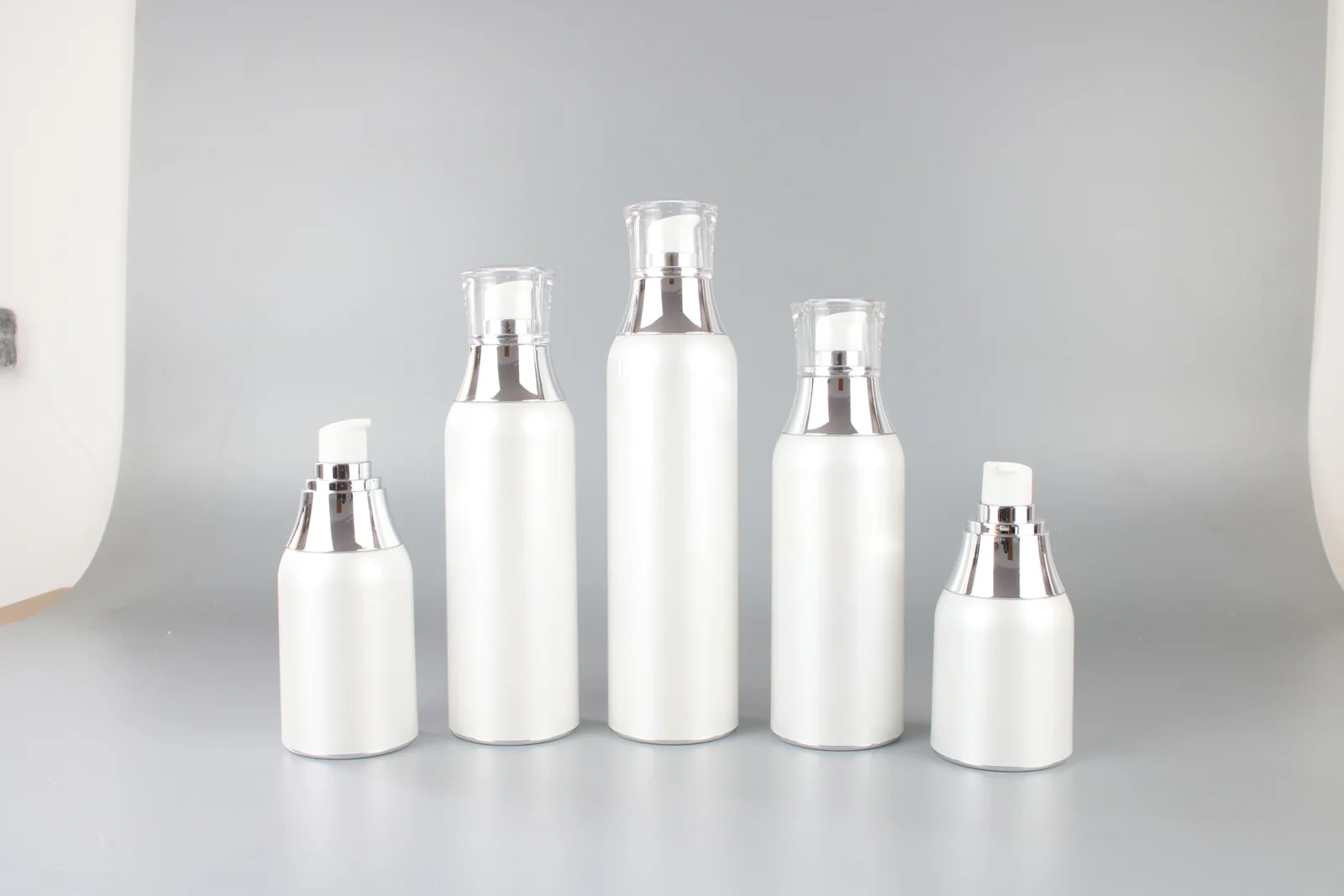
Oulete’s catalog includes PP and PETG container families and ZK-series airless models. Exact composition and availability belong to the selected model specification, not to the category name.
Compare the questions each material raises
| Material brief | First specification to request |
|---|---|
| PP | Body and closure grades, liner and complete component list |
| PET | Bottle grade, filling conditions and closure interface |
| PETG | Exact copolyester, contact parts and decorated sample |
| HDPE | Body action, bottle drawing and dispensing system |
| Acrylic construction | Outer shell versus inner container and formula-contact parts |
Approve function and appearance together
Provide the formula category, fill volume, filling conditions and target dispensing action. Use the actual assembly for storage, dispensing, leakage and transport checks appropriate to the product. Review the decorated version as well as the undecorated part.
Record changes before repeat orders
Keep the accepted sample, resin specification and component revisions with the order. If recycled content, a new color or a different component is proposed, review what changed and which approvals remain applicable.
For environmental claims, examine the whole assembly and the intended local collection route. See mono-material design for the component questions to resolve.
Send your material brief or return to packaging materials.
Photos and process footage
Put the specification to work
Build a material evaluation brief. The tool shows its inputs and limits before you use the result in a project brief.