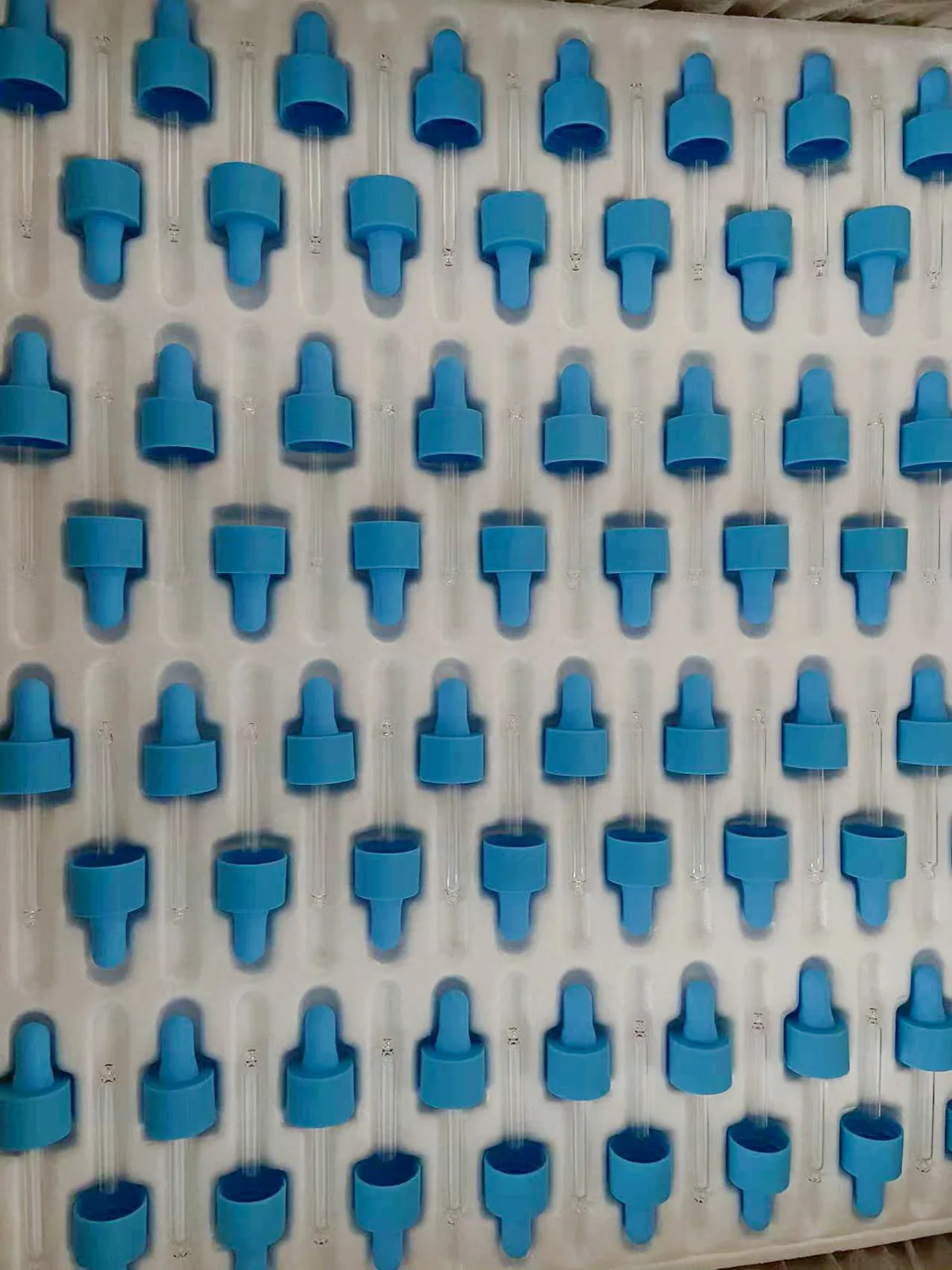

Match the bottle and closure drawings before treating a nominal neck diameter as a compatible assembly.
A catalog neck entry helps you narrow the product shortlist. It does not describe every feature that controls closure engagement and sealing. Keep the bottle, cap or dispenser, sealing parts and any inserted component together when reviewing the proposed pack.
This guide explains the information to exchange with Oulete and your closure or filling partner. The controlled drawings and sample review establish the assembly proposed for your project.
A diameter is one part of the interface
A “20 mm” catalog entry is a diameter reference. A notation such as “20/410” includes a finish designation; do not add that designation to a row that lists only 20 mm. The missing information needs to come from the proposed bottle drawing and matching closure specification.
For a threaded closure, engagement also depends on the thread form, position and available engagement length. Sealing can depend on features inside or above that interface, including the sealing surface and proposed liner or seal. A cap that turns onto a bottle is therefore only an initial fit observation, not proof of a qualified filled pack.
For a non-threaded interface, ask for the actual attachment and retention details. Do not force a threaded finish label onto an assembly whose connection has not been identified.
Documented finish references
Keep catalog values at their original level of detail
Oulete's supplied PET/PETG catalog lists the following nominal neck references for selected 30 ml entries. The material heading describes a plastic catalog section; it does not identify the resin grade selected for your order.
| Catalog code | Listed neck reference | What is still needed for closure selection |
|---|---|---|
| TY030-30ML | 20 mm | Exact neck version, controlled drawing and closure proposal |
| TY031-30ML | 18 / 20 mm | Which version is proposed, plus its drawing and closure |
| TY032-30ML | 18 / 20 mm | Which version is proposed, plus its drawing and closure |
| TY035-30ML | 20 mm | Controlled drawing, sealing interface and closure proposal |
| TY038-30ML | 20 mm | Controlled drawing, sealing interface and closure proposal |
An “18 / 20” entry describes listed options. Select one version in the sample request; it is not an instruction to fit either closure to the same unidentified bottle. Review the 30 ml dropper shortlist alongside the proposed assembly drawings.
Exchange drawings for both sides of the connection
Identify the body model, material proposal and drawing revision first. Give the closure supplier the corresponding bottle drawing, then obtain the proposed closure and sealing-part references. If the bottle and closure come from different suppliers, the complete pack still needs one agreed assembly reference.
| Review item | Ask the proposed assembly documents to show | Why it matters |
|---|---|---|
| Attachment | Full neck and closure connection details | Defines how the parts engage and are retained |
| Seal | Seal location, material reference and mating surface | Identifies where the filled pack is intended to close |
| Clearance | Relevant internal and external mating dimensions | Helps the reviewers identify interference or unintended gaps |
| Inserted parts | Pipette or dip-tube reference and assembled position, where used | Keeps the internal part connected to the selected bottle size |
| Supplied state | Fitted, separate or partly assembled components | Tells the filler what must be handled or assembled on the line |
| Revision | Both component revisions and the assembly reference | Makes a later substitution traceable to the reviewed configuration |
Request the relevant tolerances on the controlled drawings. A single nominal dimension cannot describe the range within which the parts are expected to mate. Let the responsible component and filling teams review that range against the proposed connection and handling process.
Separate fit, sealing and dispensing checks
Start with the intended assembly method and actual proposed components. Record whether the closure seats as intended and whether the internal parts occupy the proposed position. This addresses fit; it does not establish how the filled pack will behave during storage, use or transport.
Sealing review uses the intended contents and an agreed method, conditions and acceptance criteria. Dispensing review asks a different question: whether the dropper or pump delivers the behavior the product team needs. Keep those observations in separate fields, even when they are collected during the same sample trial.
If application torque or another assembly setting is relevant, obtain the proposed operating window for this assembly from the responsible team. This guide does not supply a universal torque value or a test result for the catalog models.
Choose the inserted part with the bottle
A dropper's pipette length and position belong to the assembled pack. Specifying a 30 ml bottle and a neck diameter leaves those features unanswered. Request the pipette reference and assembled drawing for the selected body version, together with the intended closure and bulb.
The same principle applies to a dip-tube dispenser where one is proposed. Review the actual internal part and assembled position; a volume label alone cannot determine the geometry inside the bottle. Do not apply a dip-tube requirement to every airless design without first identifying its mechanism.
Carry the interface through repeat orders
Keep the approved bottle, closure, seal and inserted-part references together. If a supplier changes one component, compare the proposed change to that record and have the responsible team decide which fit, sealing or dispensing work must be repeated.
A repeat order identified only by “20 mm cap” loses that reference. Name the component version in the new order so the same nominal diameter cannot silently substitute for a different assembly.
Send the connection details with your enquiry
Request a bottle-and-closure review with the bottle code, capacity, material request, closure source, component drawings and formula reference. State whether the filler receives assembled or separate components. Use the bottle and closure checklist to organize the known inputs and unresolved fields before sending the brief.
Neck finish questions
Does a 20 mm catalog entry mean 20/410?
The diameter entry does not establish the complete finish designation. Obtain the controlled bottle drawing and identify the proposed closure before assigning a fuller code.
Can two 20 mm closures be interchanged?
Compare their actual interface and sealing details against the bottle. A shared nominal diameter does not establish interchangeability.
Does a closure that fits prove leak resistance?
Initial fit and filled-pack sealing are separate observations. Agree the relevant method, conditions and acceptance criteria for the intended assembly and contents.
Can a filler supply its own dropper?
Include that dropper's component references and drawings in the assembly review. The bottle and filler-supplied parts need to be evaluated together before the pack is approved.
Related project tools and guides
Request a neck and closure review · caps and closures · Check the bottle and closure evidence ·