Choose the lotion bottle and pump together. Oulete’s catalog includes TY thick-wall PET/PETG and PETG bottle families; specialist pumps are coordinated for the selected project.
Start with a bottle family
Use the TY030, TY035, TY038 or PETG bottle family pages to begin a body review. Confirm the listed capacity, drawing and exact resin for the chosen variant. The body catalog does not establish the pump dose or formula compatibility.
Define the dispensing requirements
Send formula handling information, fill volume and desired dose. Ask for the pump contact materials, neck interface, tube arrangement and any lock or overcap. Confirm which supplier provides each component and who approves the complete assembly.
Test the filled pack
Review priming, repeated dispensing, closure fit and leakage using the intended product. Agree storage and transport conditions with your product team. Include the actual decorated body and assembled collar in appearance approval.
The material MOQ is 2,000 pieces for plastic containers and 5,000 pieces for glass containers. Confirm the selected model, components, decoration and any new tooling in the project quotation. See MOQ and lead times.
Request a lotion bottle proposal or compare airless formats.
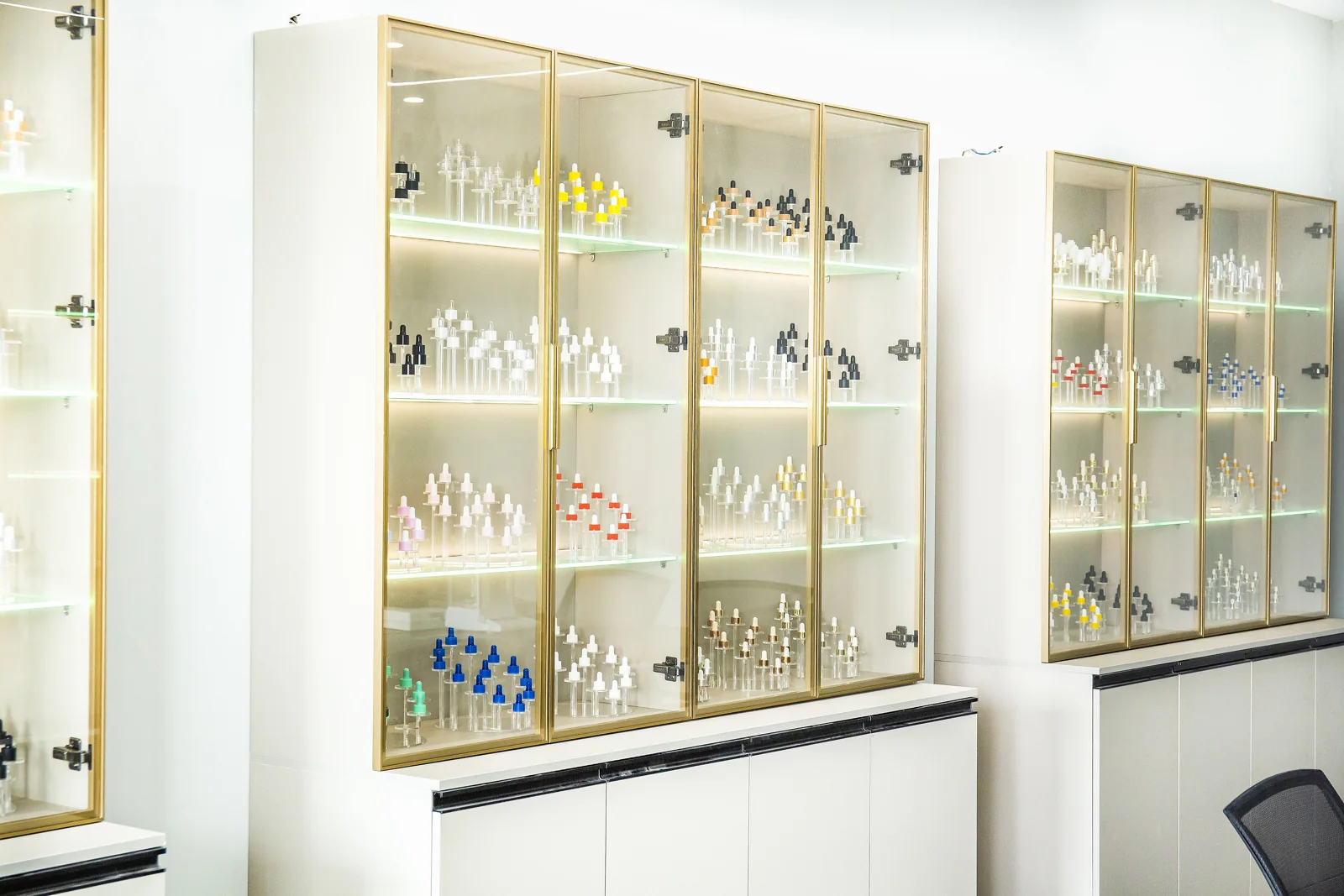
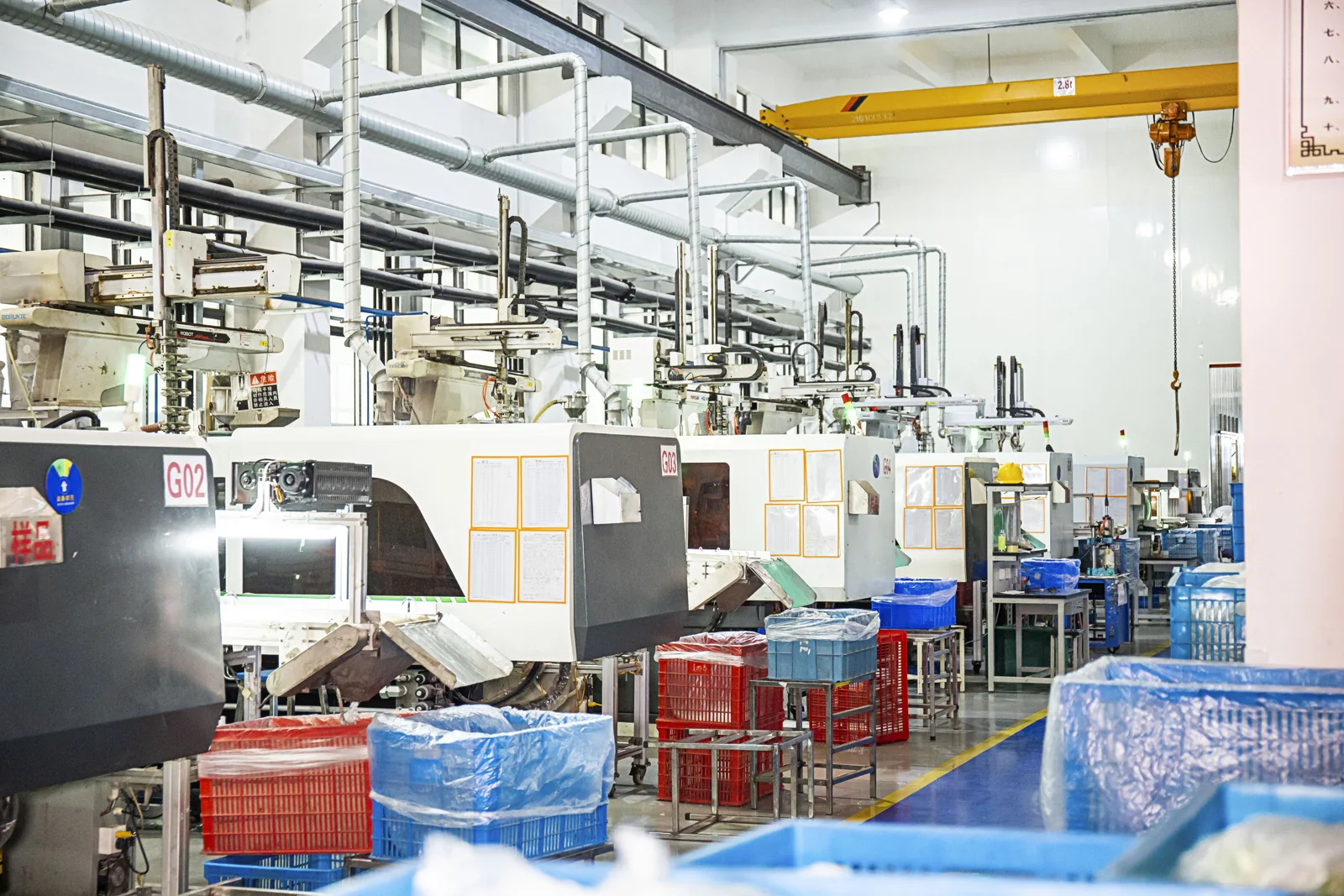
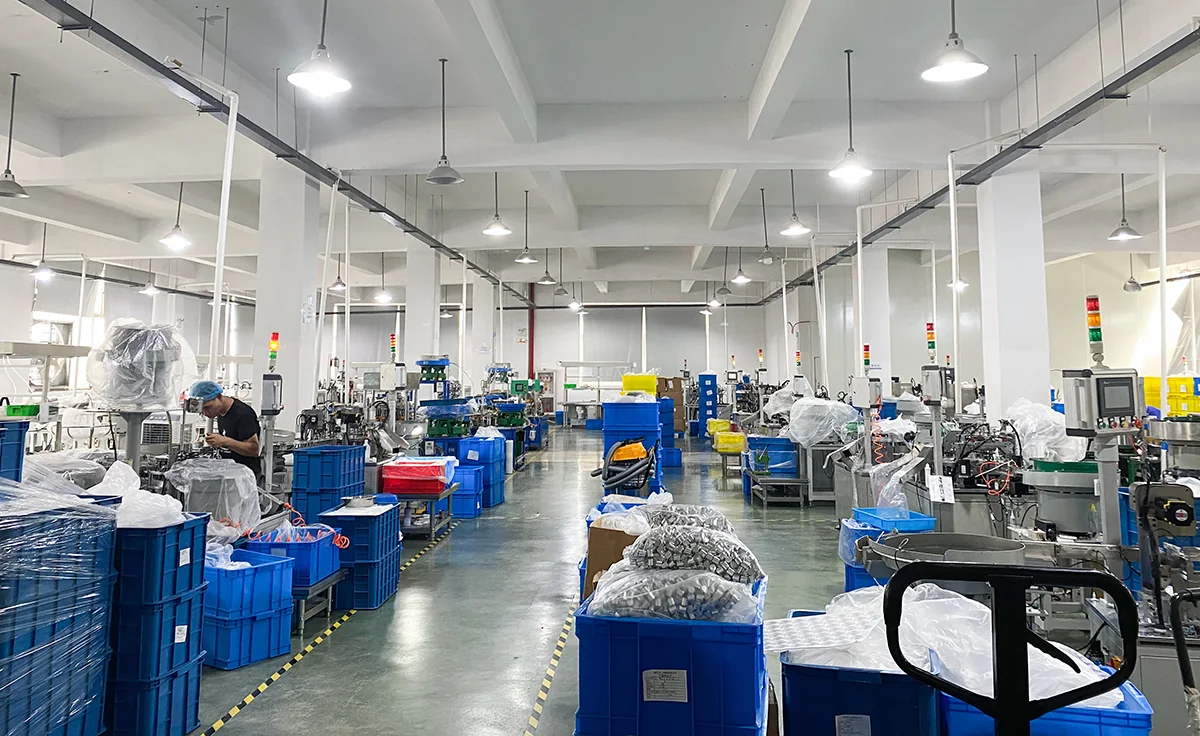
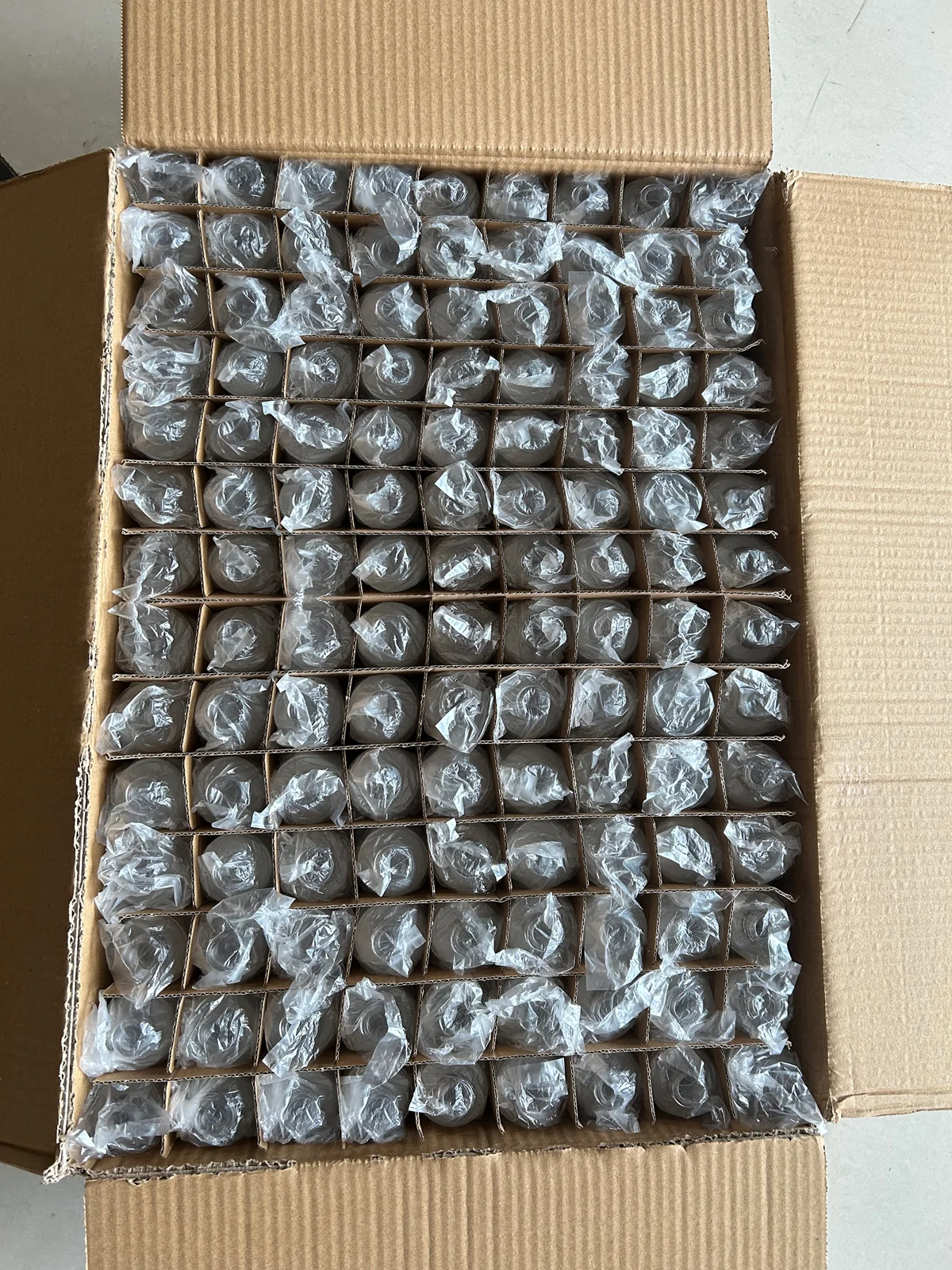
Photos and process footage
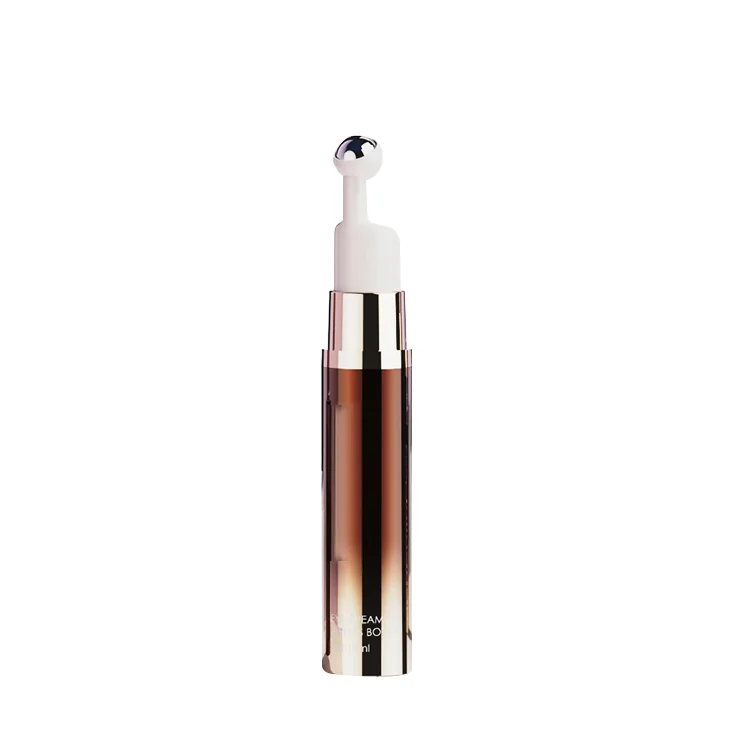
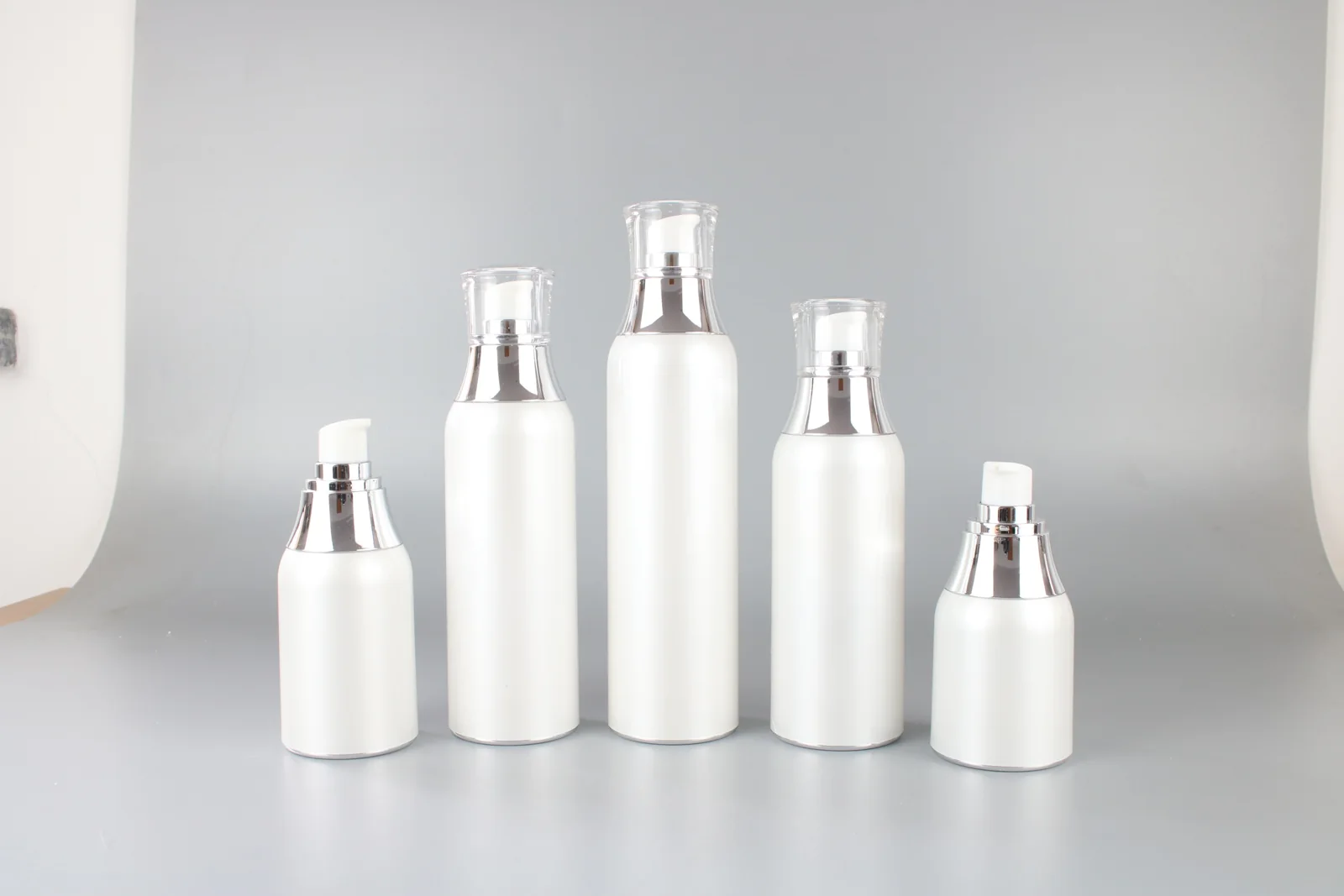
Put the specification to work
Search the catalog rows. The tool shows its inputs and limits before you use the result in a project brief.
TY035 body shortlist for a 100–150 ml lotion brief
TY035-100ML is a catalogue-listed bottle body with a 105 ml brim-full reference. The 120ML and 150ML variants extend the same named body family. Compare the body dimensions before selecting the pump; the catalogue does not identify a qualified bottle-and-pump configuration.
| Body model | Listed body height × diameter (mm) | Listed neck diameter (mm) | Listed brim-full capacity (ml) |
|---|---|---|---|
| TY035-100ML | 96 × 44 | 20 | 105 |
| TY035-120ML | 116 × 44 | 20 | 125 |
| TY035-150ML | 138.5 × 44 | 20 | 158 |
Source: Oulete product catalogue 2, TY035 A/B. These are catalogue selection values, not a current controlled drawing or measured filling result. The range is labelled PET/PETG; confirm the selected resin. Brim-full capacity is not the recommended net fill.
The 100ML and 150ML bodies share a listed 44 mm diameter but have different heights. A dip tube cut for one body must not be carried over to the other without a new length and base-clearance check. Likewise, a 20 mm catalogue neck entry is not a 20/410 finish: compare the complete thread and sealing drawings before ordering a pump.
Turn the body reference into a filling-line sample
For a TY035 proposal, request the actual pump part number, full neck-finish drawing, nominal output and tolerance, lock or overcap, dip-tube cut and component contact materials. Pump output, priming and formula suitability are not established by this body table. Include the intended lotion and your filler’s handling requirements when agreeing the assembled sample and acceptance checks.
Review the TY035 family and prepare a sample request naming the body variant, intended fill, dose target, finish and quantity. The container MOQ remains 2,000 for plastic; the selected pump, colour and decoration scope require their own quotation.
A 100 ml lotion pump sample: specify the complete configuration
For a 100 ml lotion project, TY035-100ML is a documented bottle-body starting point, not a confirmed complete pump pack. Its catalogue reference is 96 mm body height, 44 mm diameter, a 20 mm neck entry and 105 ml brim-full capacity. The chosen resin, full neck finish and matching pump still require a configuration-specific proposal.
| Decision record | Supplier proposal | Buyer or filler approval |
|---|---|---|
| Bottle and sealing interface | Body variant, selected resin, bottle drawing revision, complete thread and sealing dimensions; matching pump-collar and gasket references. | Check the proposed interface against the actual sample. The 20 mm catalogue entry alone does not identify a thread finish. |
| Dispenser and contact parts | Pump part number and revision, nominal output and stated tolerance, lock operation, dip-tube material and cut-length datum; contact-material list, including seals and any wetted metal. | Specify the required dose and handling. Check the selected formula against the actual contact parts; an outer PP collar does not describe the whole contact path. |
| Assembled sample | Identify the body, pump, seal, tube, lock or overcap supplied together, with a photo and sample revision. State whether components arrive loose or assembled. | Keep the approved component identities with the sample. Do not transfer a tube cut or closure approval from another capacity. |
| Filling-line release | Provide the proposed assembly instructions and available records for that exact configuration. Name unresolved checks rather than assigning an assumed pass. | The filler records line fit, closure application, priming, dispensing and leakage under the agreed formula and handling conditions. Agree responsibilities and acceptance criteria before production. |
Download the 100 ml lotion pump specification and sample record. It separates catalogue body references, buyer targets, supplier proposals and the eventual agreed values. Pump fields are blank for a reason: this body reference does not establish output, locking method, dip-tube cut, contact materials or a qualified assembled pack.
Record pump dose in the correct unit
A collected mass is not a volume dose until the formula density is known. After priming, collect a counted number of complete strokes in a tared vessel and record net mass, stroke count and measurement conditions separately. Exclude the priming strokes from that collection. If density is unavailable, report grams per stroke; do not relabel that result as millilitres.
Arithmetic example only: 10 complete strokes collecting 10.5 g net give 1.05 g per stroke. If that same formula has a measured density of 1.05 g/ml at the reported temperature, the mean volume is 10.5 ÷ (10 × 1.05) = 1.0 ml per stroke. Mean volume per stroke = net collected mass ÷ (counted strokes × density).
These numbers illustrate the conversion; they are not an Oulete pump test, a specified sample size or an acceptance limit. A mean also does not show stroke-to-stroke variation. Keep the individual readings and agree the actual sampling and acceptance method with your product team and filler.
Send the completed record with your intended formula, fill requirement and assembled-sample enquiry. The response should identify which body and dispenser are proposed and which items still need confirmation.