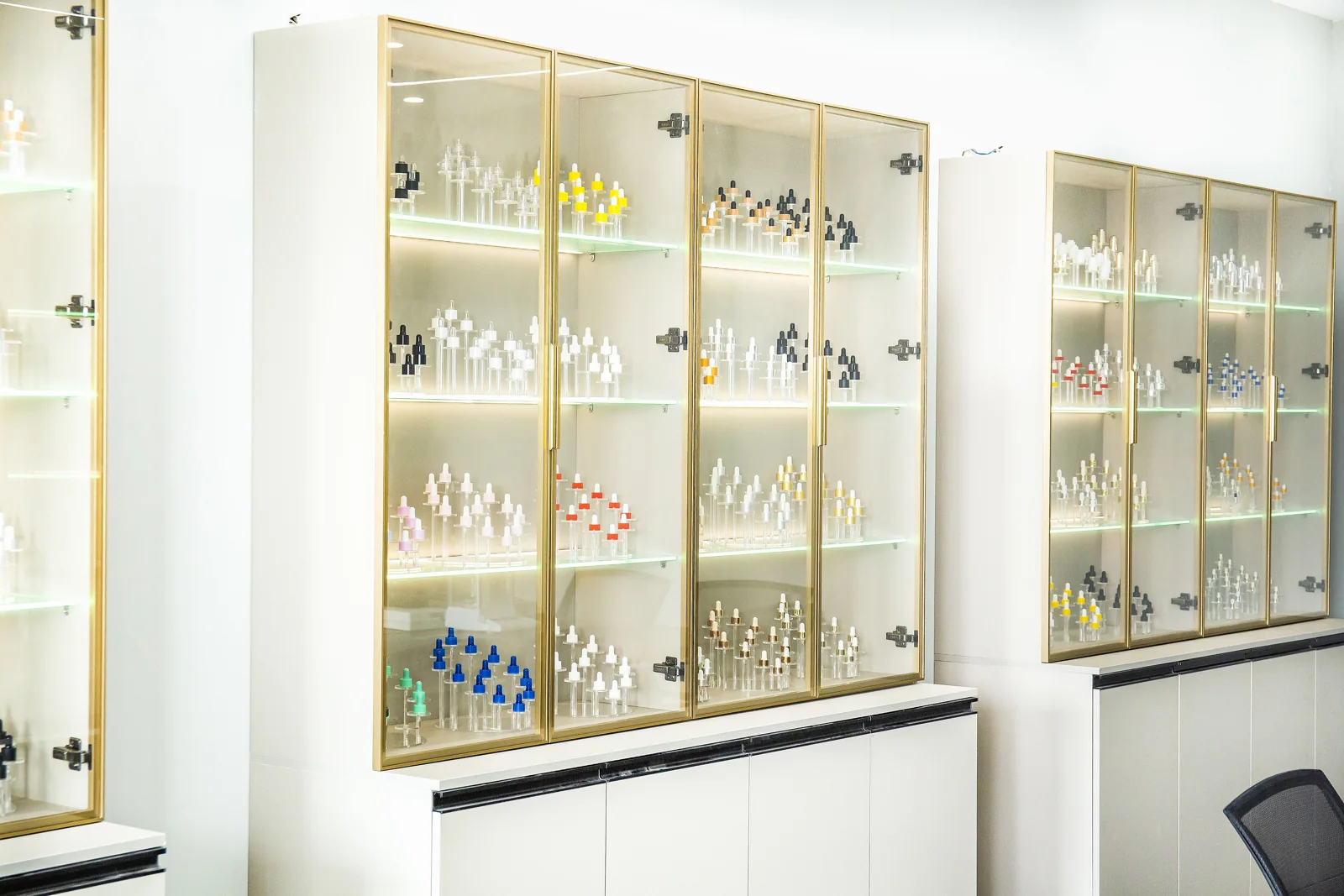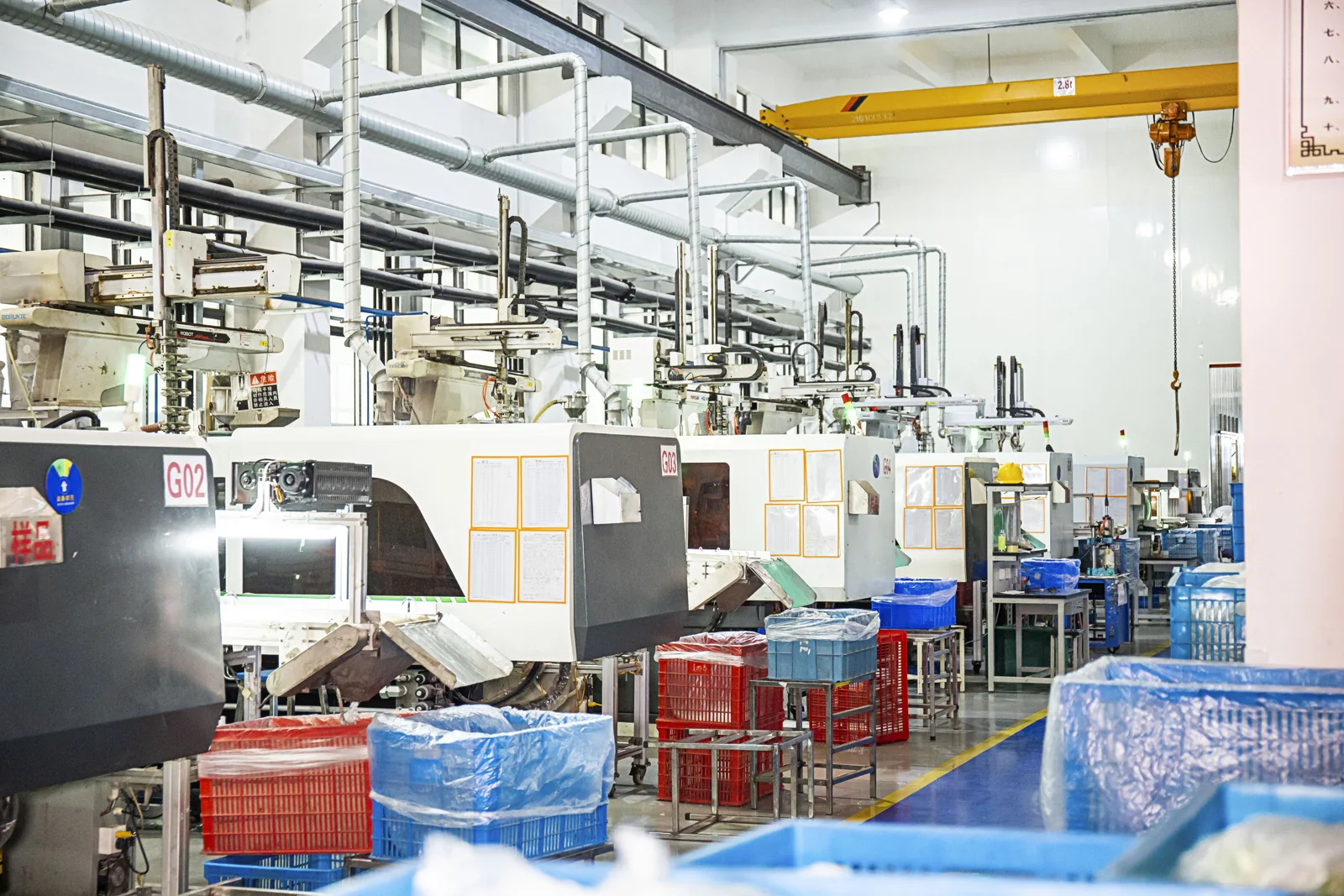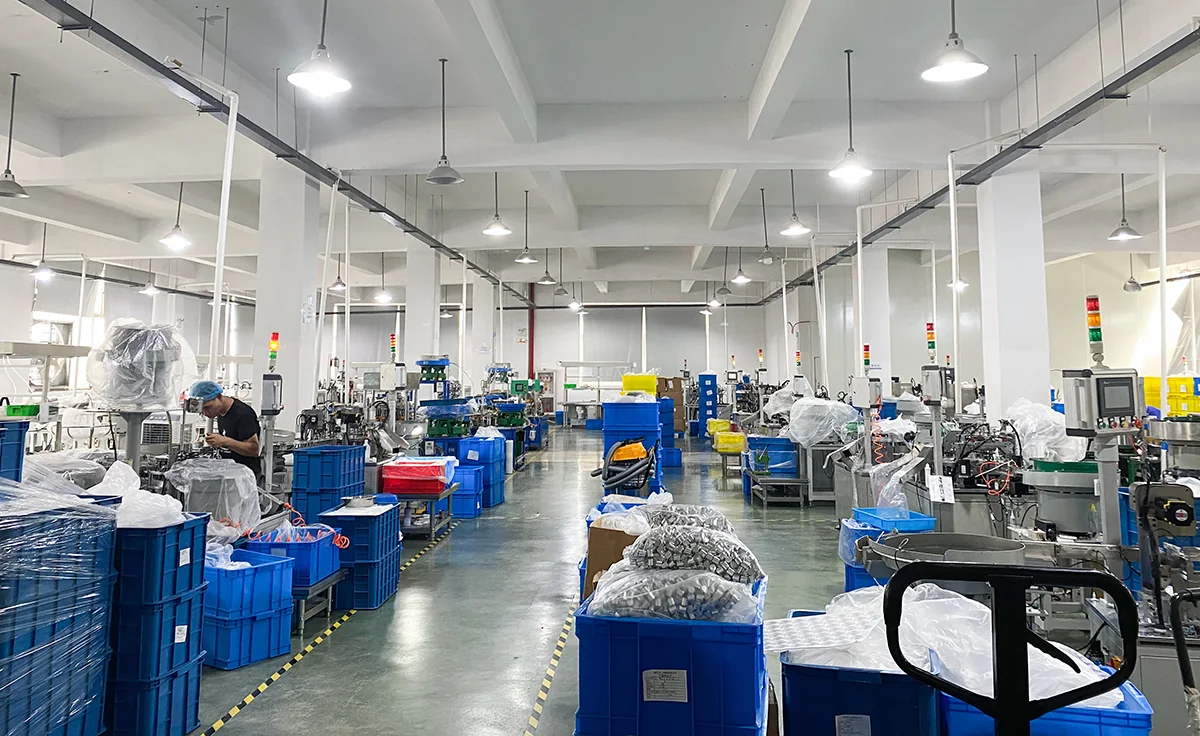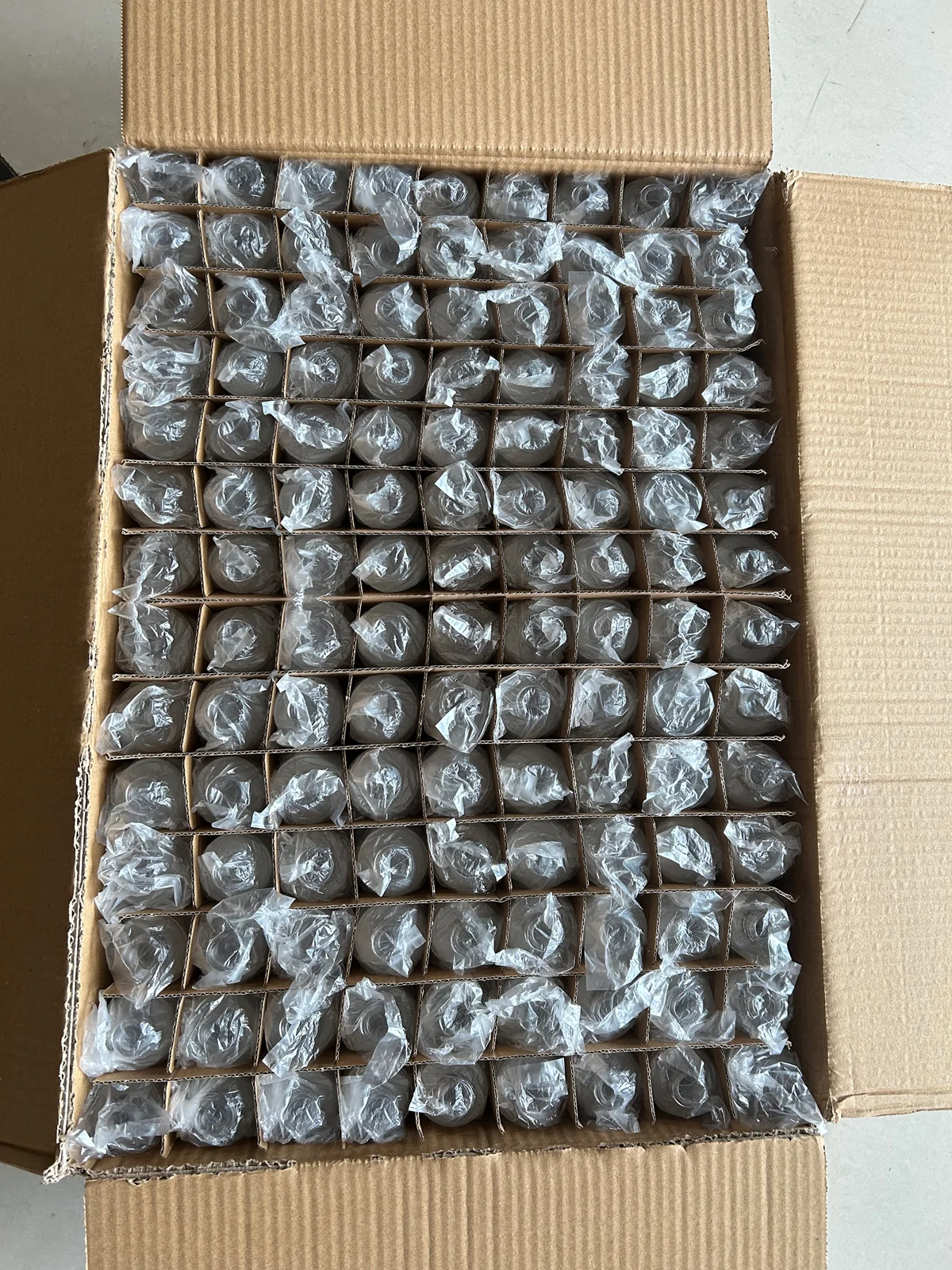
Use samples to approve the actual container and component combination before placing a production order. Oulete’s typical sample lead time is 3–5 days once the brief is agreed. Custom tooling, special components and decoration can change that schedule; courier transit is additional.
Start with the information that selects a body
Send the model code or desired format, intended fill volume, formula category, quantity and destination. Add the closure type and any fixed dimensions your filling or labeling equipment requires. A reference photograph helps describe appearance, but it does not replace a drawing or specification.
Choose the sample scope
| Sample scope | What it can help you decide |
|---|---|
| Existing body | Size, shape, handling and initial fit |
| Body with matched closure | Seal, assembly, dip tube and dispensing checks |
| Decorated sample | Color, print position and surface finish |
| New-tool sample | Drawing conformance and design approval before production |
An undecorated sample does not approve a future coating or print result. Identify which parts and finishes the sample represents when signing it off.
Run a filled-assembly review
Test the container with the actual formula and closure. Confirm usable fill volume and headspace, then assess the conditions relevant to storage, shipping and use. For a pump or dropper, include the dispensing behavior required by your product brief. Keep the tested sample identity and component list with the results.
Approve the production reference
Record the drawing revision, material, color reference, artwork version, closure and any agreed tolerances. Keep a reference sample on both sides where practical. If any of these change, confirm whether a new sample is needed before production continues.
Sample charges and next steps
Sample charges are quoted by project; some may be credited against the production order. New-tool costs and approval stages are set out separately. See tooling terms and how to order.
Request samples with your model shortlist and the decisions you need the samples to resolve.
Define what a small sample batch must prove
Describe the decision you need to make before agreeing the sample quantity. Record how the sample will be made, which production parts and finishes it represents, and the drawing revision. Agree the observations or tests required and keep the results with the sample identity. Any approval should identify the features actually evaluated and the questions still open.
Can I request ten 5 ml samples before a production order?
Ask whether that format and sample quantity are available, and request the charge and timing for the proposed scope. State the fill in ml and ask for usable volume to be confirmed; do not substitute a weight label for volume. A small sample request does not establish a ten-piece production minimum or a new-mold service.
Can a visual prototype approve dispensing or sealing?
First check whether the prototype uses the proposed production body, pump or closure, contact materials and assembly method. If it represents only shape or appearance, keep approval within that scope. Request the actual assembled, filled test needed for the functional decision. Agree separately whether a pilot run is required and what it must establish.
Who supplies the formula and fills the samples?
Oulete supplies packaging; formulation and filling are outside the stated service scope. Agree who supplies the formula, fills the test assembly and records the observations before scheduling functional checks. Use the sample request builder to put the known inputs and unresolved checks into your inquiry.
Photos and process footage
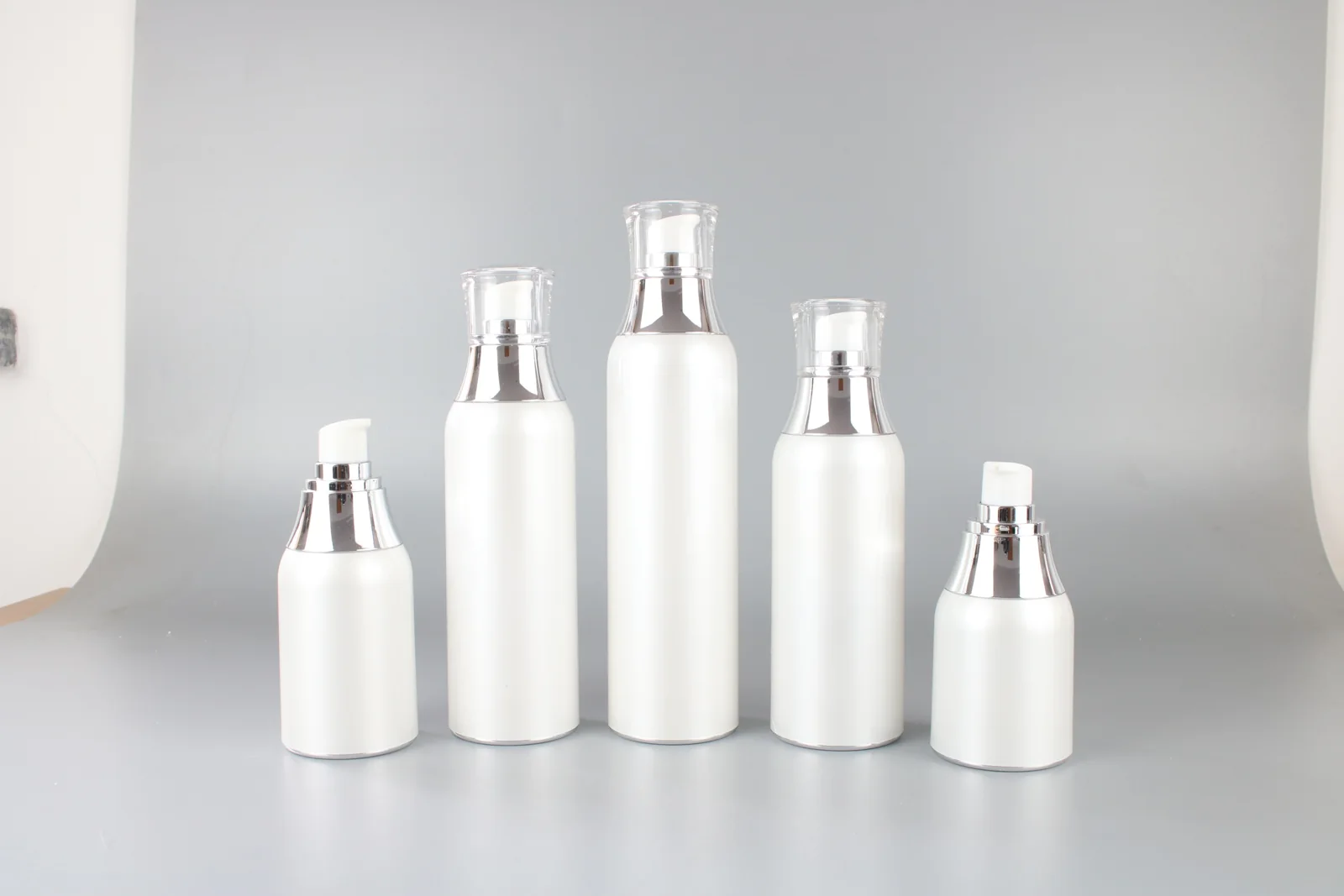
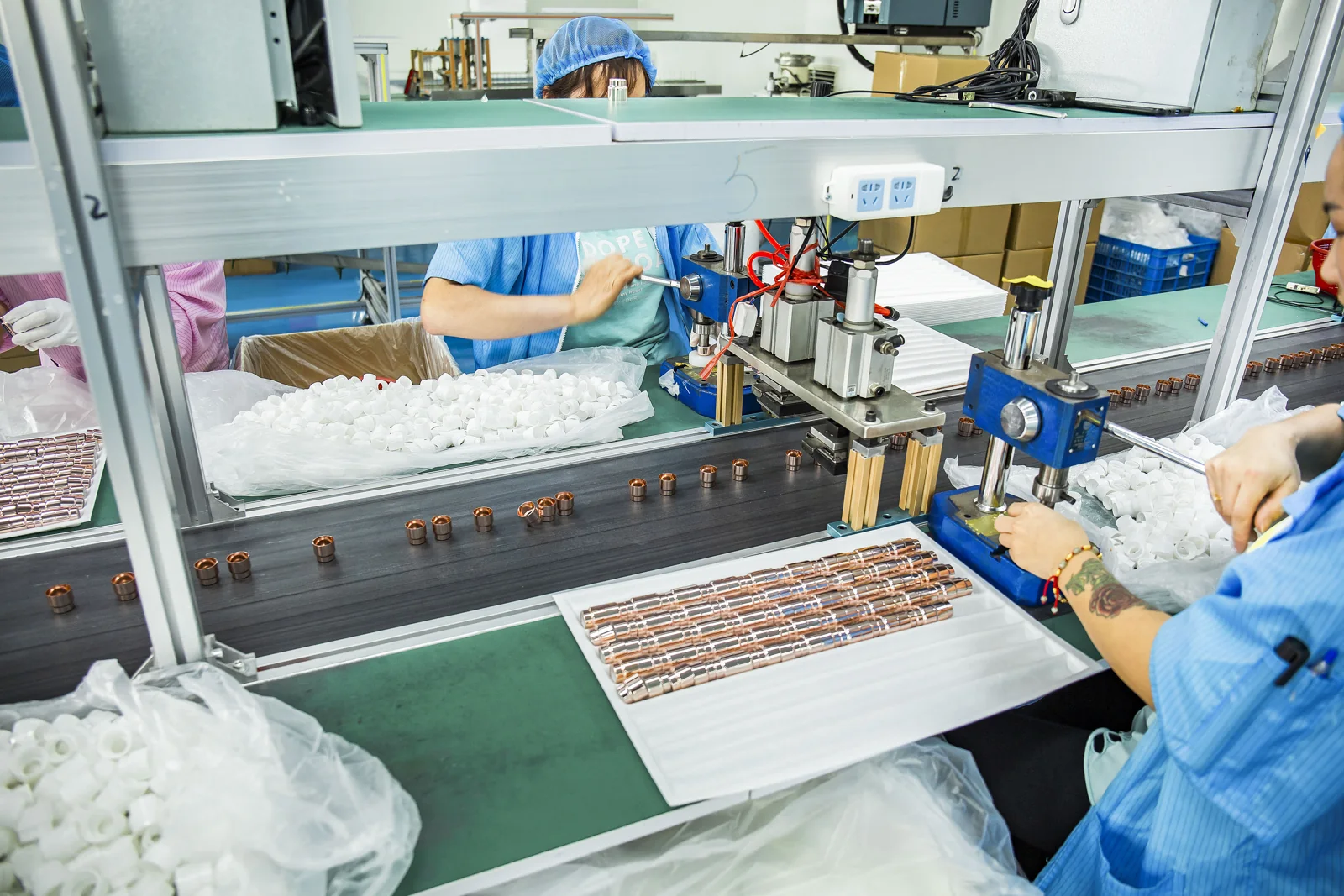
Put the specification to work
Prepare a sample request. The tool shows its inputs and limits before you use the result in a project brief.