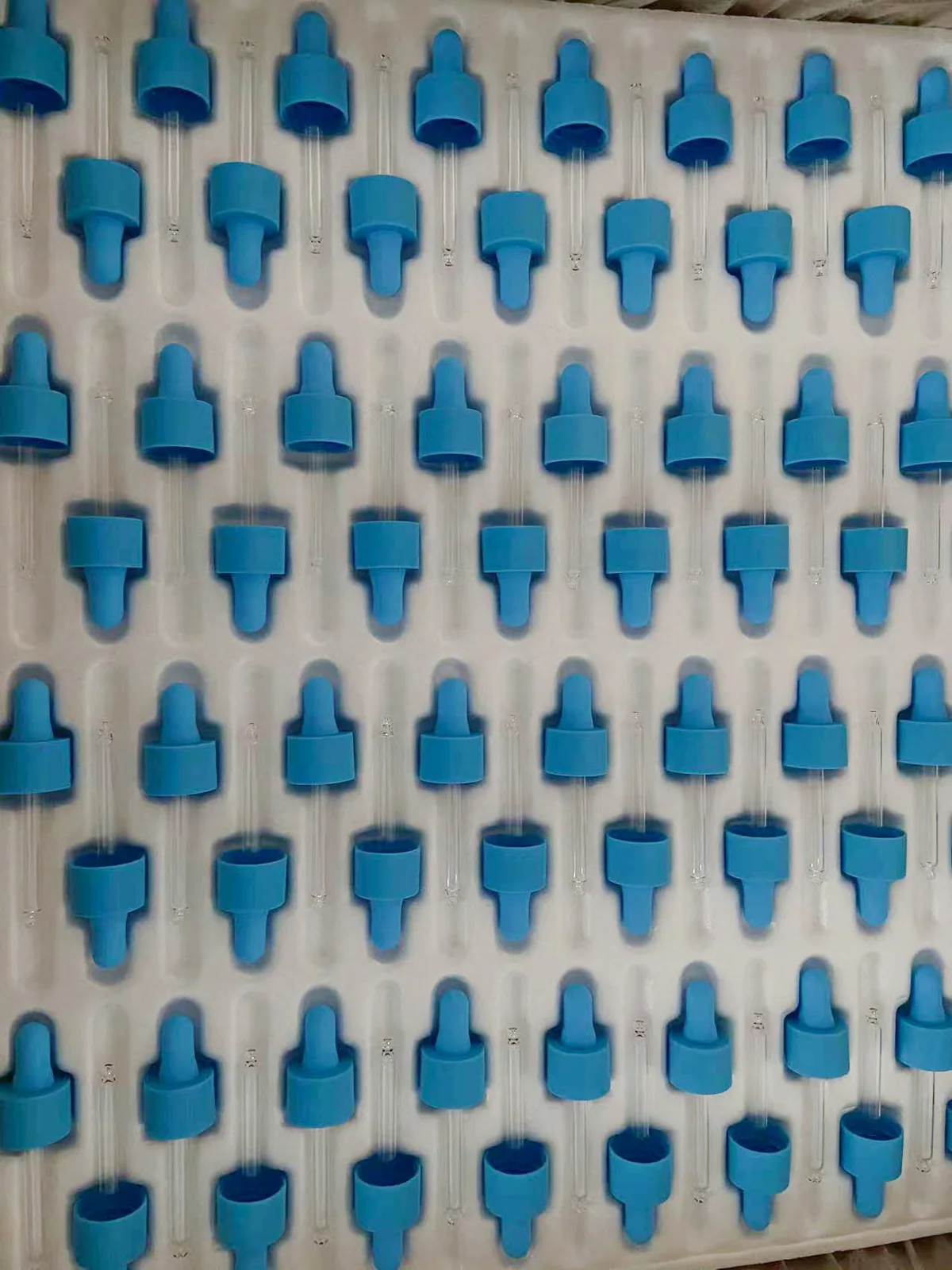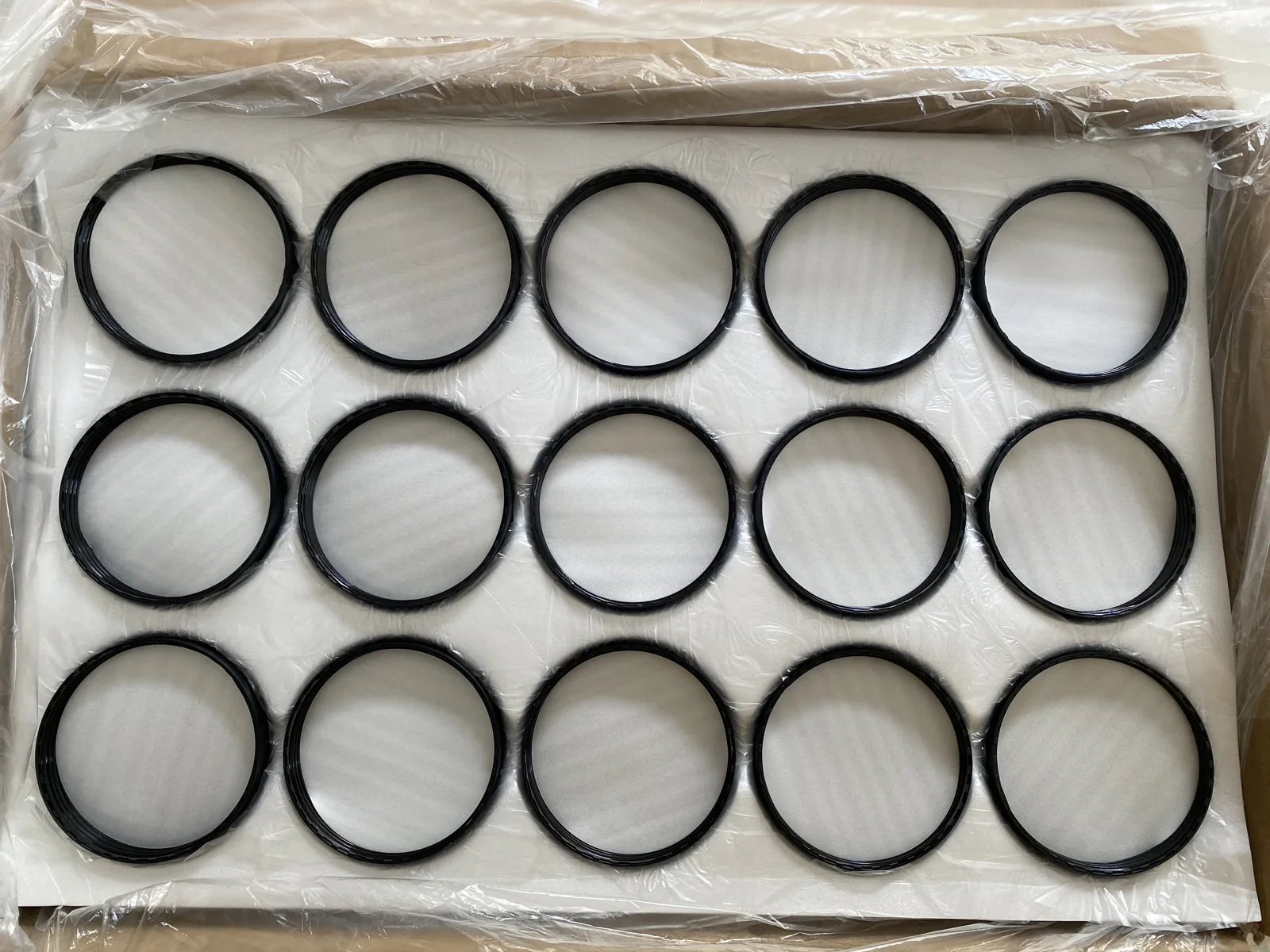
A color target belongs to a specific part and finish. An opaque cap, a translucent bottle and a coated collar can look different even when they are intended to form one coordinated set.
Define the reference
Send a physical sample or a named color reference, together with the selected model and desired opacity. Identify whether the target applies to the resin, a coating, printed artwork or several components. A screen image alone leaves too much room for interpretation.
If a physical reference is unavailable, agree how the first sample will become the production reference. Keep the approved sample identified by date and project revision.
Review the complete set
Place the bottle, cap and dispensing components together under the viewing conditions agreed for approval. For a translucent body, consider whether the review should include the intended fill. Check the appearance from the views that matter for your finished pack.
The factory has a colorimeter. Agree whether your order needs an instrumental acceptance limit, a visual reference or both. Do not assume a universal numerical tolerance from the equipment list.
Plan for repeat orders
Retain the approved reference and record the material and finish. When a component supplier, resin or finish changes, review whether the existing approval remains applicable. If you need several models to share a color, include the entire set in the initial brief.
The current container production baseline is 2,000 pieces for plastic containers and 5,000 pieces for glass containers. Confirm the minimum for the selected color or material change, each component and decoration in the project quotation; the container baseline does not establish those separate minimums.
Request a color sample or review decoration options.
Photos and process footage
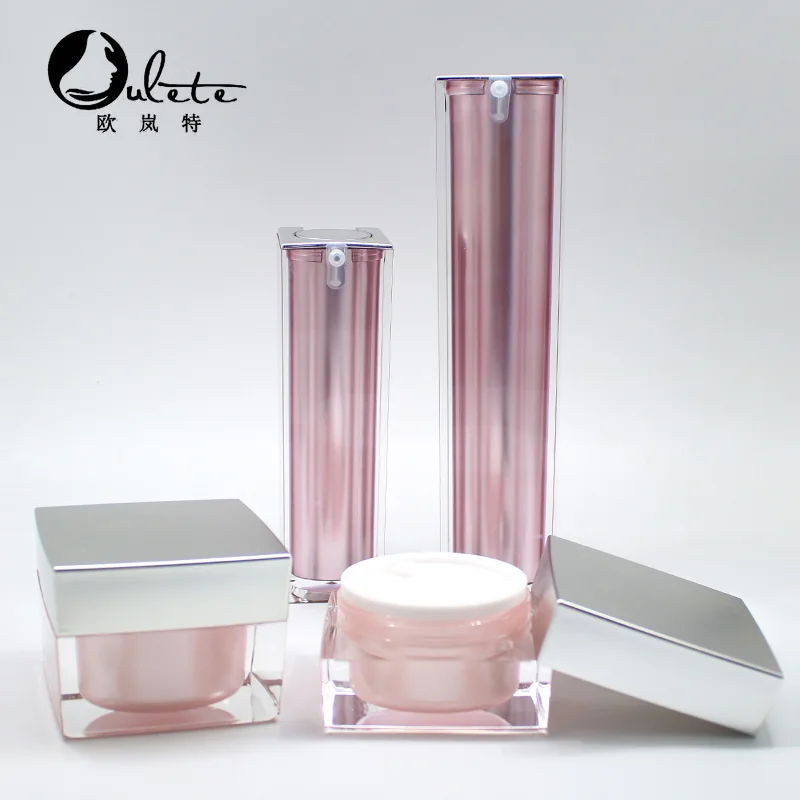
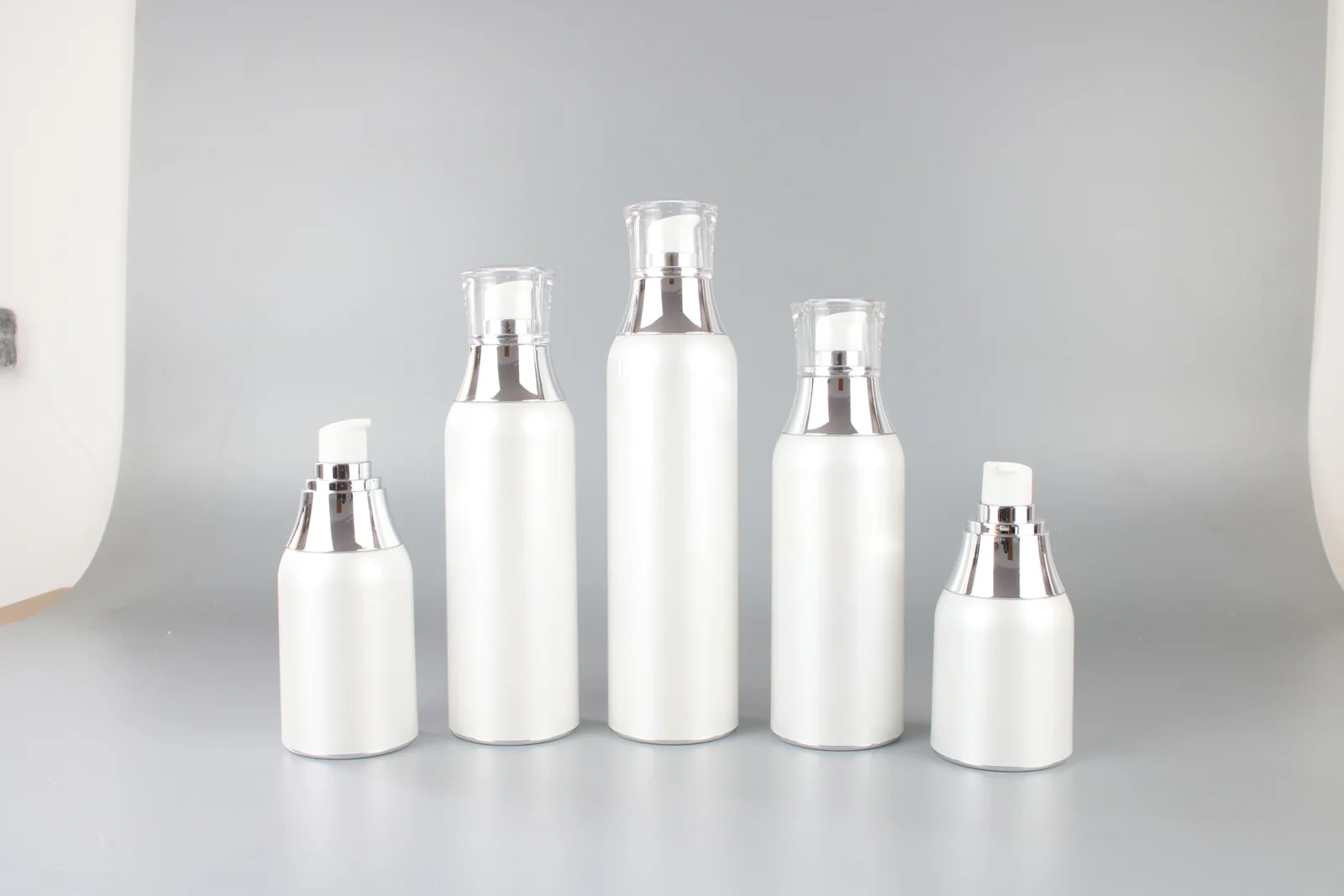
Put the specification to work
Estimate a round bottle label panel. The tool shows its inputs and limits before you use the result in a project brief.