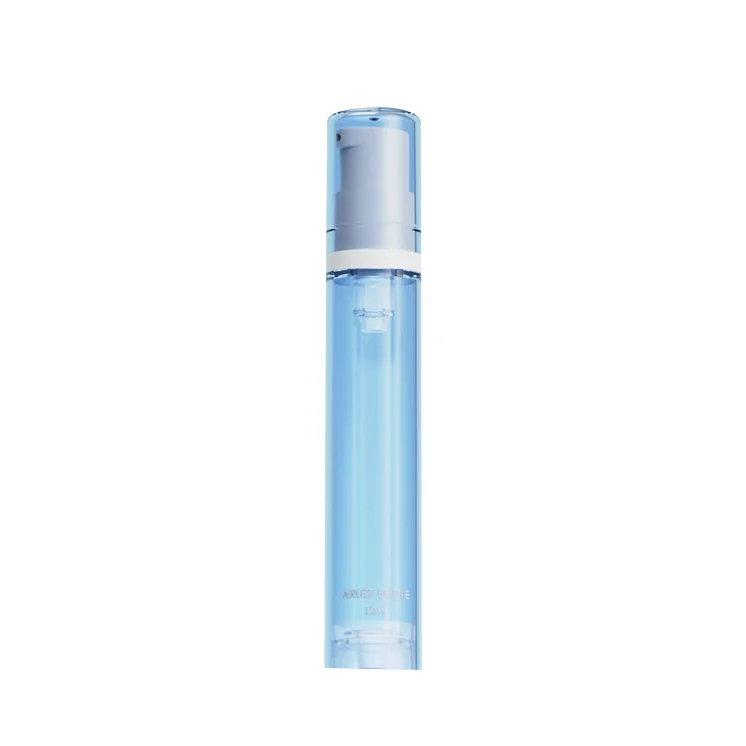
Oulete’s catalog includes a PETG container family. Request the model drawing and the exact proposed material specification with your capacity and decoration brief.
PETG and other copolyesters should not be grouped into one universal performance claim. The named grade, molding conditions, component geometry and formula all matter to the approval.
Read the grade evidence
Eastman’s household-packaging portfolio distinguishes named copolyester grades and identifies GN119 as a PETG formulation. Use this kind of grade-level documentation when comparing proposals; it does not identify the resin used in an Oulete model.
Ask for the supplier, grade designation and relevant technical sheet for the quoted part. State any recycled-content or market-documentation requirement at the same time.
Review appearance and contact separately
Approve clarity, wall appearance, color and decoration on the finished sample. For formula contact, test the actual proposed assembly with the intended contents under the agreed storage conditions. Appearance approval cannot substitute for that work.
Include the cap, liner, pump and any coating in the component review. If the design uses an inner cup and outer shell, identify which surfaces contact the formula.
Keep PET and PETG specifications distinct
Record the selected resin and component revision on the order. A change from PET to PETG, or between copolyester grades, requires review rather than being treated as a cosmetic naming change. Compare the PET material brief and request the exact grade for either proposal.
Send your material brief or return to packaging materials.
Photos and process footage
Put the specification to work
Build a material evaluation brief. The tool shows its inputs and limits before you use the result in a project brief.