An acrylic-style appearance is not a bill of materials. For a jar or bottle with a substantial outer shell, ask which material is used for the shell, inner container, cap, liner and dispensing parts.
Establish the construction
Send the desired profile, fill volume and reference appearance. Ask for an assembly drawing that distinguishes decorative surfaces from formula-contact surfaces. If the package uses an inner cup, confirm its material and how it is retained in the outer body.
Do not assume a clear or thick-walled component is acrylic from its photograph. The quotation should identify the actual material of the proposed part.
Inspect the assembled appearance
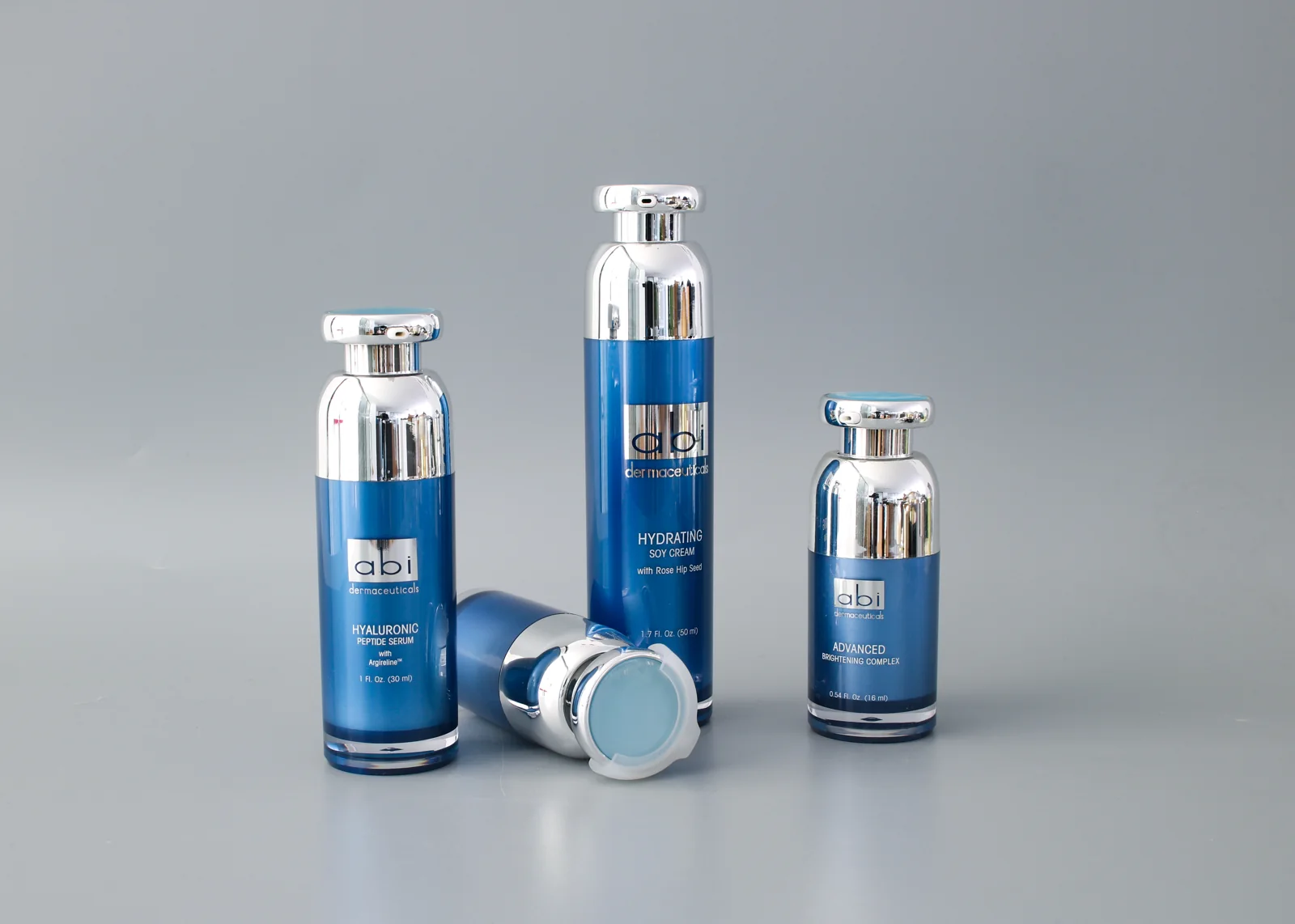
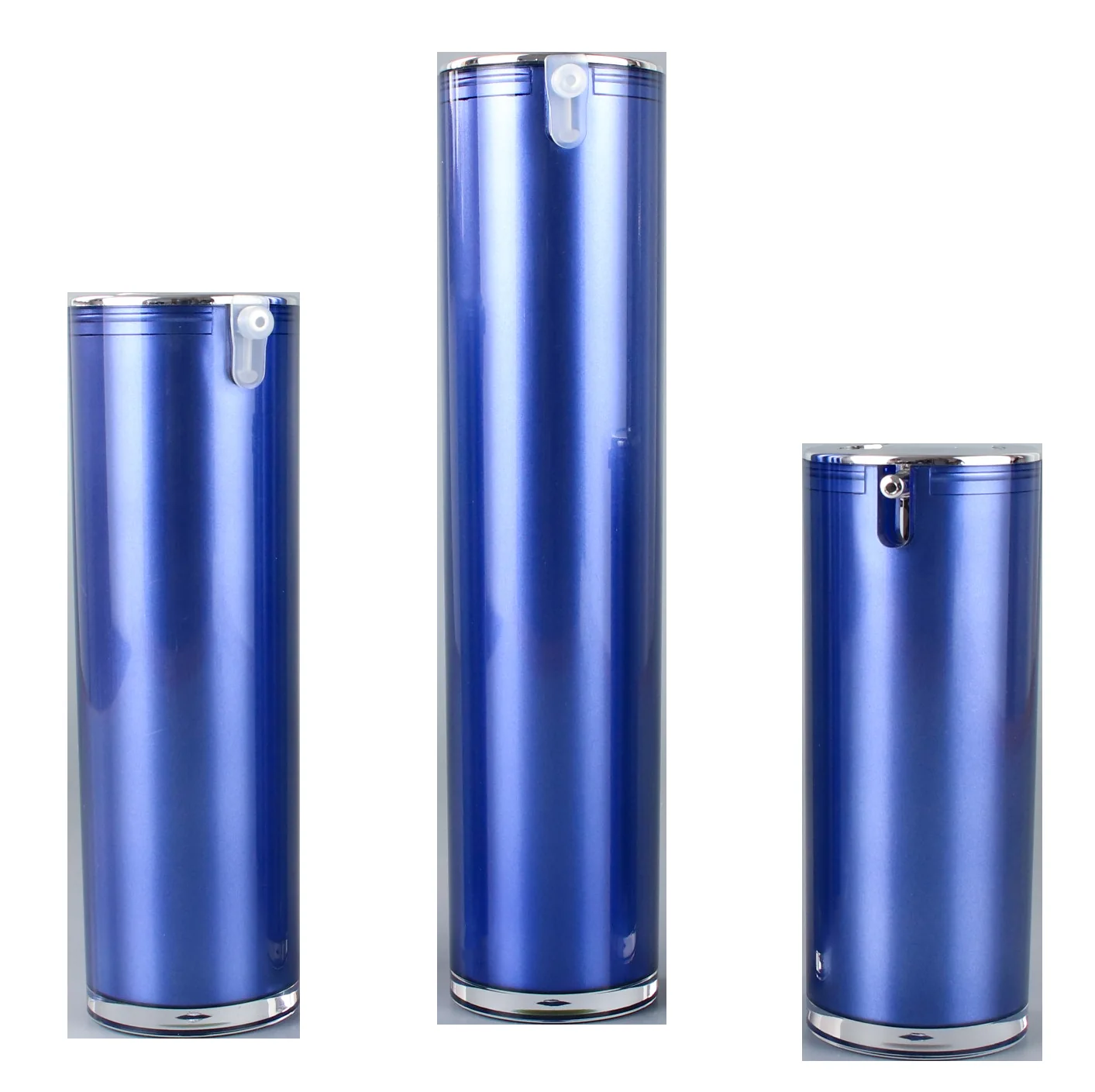
Review the sample for visible interfaces, color coordination, artwork position and the view of the inner container. Check how the pack looks both open and closed. Include coatings, printing or metallic finishes in this approval.
Confirm practical handling
Agree the opening, reclosing, leakage where relevant, handling and distribution checks for the complete pack. Request the finished pack weight and carton configuration when freight or retail handling is a priority.
Oulete’s supply proposal should identify which components are made in-house and which are coordinated from other sources. Availability of an acrylic construction must be confirmed for the selected model. Use material declarations to organize the component documentation.
Send your material brief or return to packaging materials.
Photos and process footage
Put the specification to work
Build a material evaluation brief. The tool shows its inputs and limits before you use the result in a project brief.