Cosmetic packaging · Made for your brand
Quadpack Alternatives for Refillable Cream Jars
Compare named refillable cream-jar routes for a new skincare launch. Identify the retained outer, replacement cup and sealing handoff, then request separate quotations for the first-purchase assembly and future refills.
Containers only — no compounding or filling.
Red and white cosmetic jars on a rotating display
Compare Quadpack alternatives for refillable cream jars by the retained outer, replaceable cup, sealing route and the supply agreement for future refill orders.
For a new skincare launch, Lumson, Oulete and Verescence offer different directions to investigate alongside Quadpack. For an existing product, the question is narrower: must the new refill fit outer jars already owned by your customers? A supplier alternative and an interchangeable refill are different requirements. None of the references below establishes cross-supplier fit.
Identify the Quadpack jar in your brief
Quadpack's Arena Glass and Regula Refill are different material constructions. In its June 2026 Arena Glass announcement, Quadpack describes a 60 mL glass outer jar with a 50 mL PP refill. Grip areas provide access to the inner jar, which is pushed into place. The supplier also identifies an optional shive, or cover disc, and an induction thermosealing route for the refill.
Regula Refill Jar uses a PET outer with a PP inner and PP cap. Quadpack describes a removal gap, click insertion and an inner designed for thermosealing in that 50 mL pack. A glass-like PET appearance does not satisfy a brief that specifically requires glass.
Use the exact product name and reference in the enquiry. “A Quadpack-style refill jar” leaves the supplier guessing about the material, shape and replacement action. Identify which features are essential, which can change and whether the proposal is for a new complete assembly or a refill that must work with an installed outer.
Quadpack alternatives for refillable cream jars: named routes
A refillable cream jar is a retained outer pack that accepts a replacement vessel containing the product. The visible material, the formula-contact vessel and the closing system must be identified separately. The table compares documented directions for a new assembly; it does not rank suppliers or certify equivalence. Supplier names are alphabetical.
| Supplier and named direction | What the public reference documents | Purchase question that remains open |
|---|---|---|
| Lumson JAPA | Glass jars at 15 mL and 50 mL with an internal refill insert; an ultra-flat design direction | Obtain the exact assembled dimensions, insert specification, replacement supply format and quote. The published description does not establish stacking or a magnetic lid. |
| Oulete glass refill-jar option | Existing glass outer, removable refill and magnetic lid direction; glass packaging MOQ 5,000 | Request a named matched assembly. Seal construction, dimensions, reuse performance and separate refill-order quantity remain to be confirmed. |
| Quadpack Arena Glass / Regula Refill | Arena Glass: 60 mL glass outer and 50 mL PP refill. Regula: PET outer and PP inner in a 50 mL pack | Request the selected model's MOQ, current supply terms and complete component proposal. Published handling features do not replace evaluation with your cream. |
| Verescence DASI 770099700G | Glass refillable reference at 50 mL nominal; listed MOQ 20,000; refill and cap available through Kugil | Confirm the glass plus Kugil component supply and the completed assembly quote. This MOQ is for the listed DASI reference, not every Verescence jar. |
The DASI listing separates 50 mL nominal from 120 mL glass brimful capacity. Brimful capacity is the volume of the vessel filled to its rim. In a pack with an inner cup, that outer-glass measurement is not the quantity of cream in the refill. Compare the intended refill fill and the assembled envelope, rather than matching outer capacity figures across catalogues.
A low-profile description does not establish stacking. Specify the closed height and distinguish shelf stacking from stacking within the proposed shipping pack.
Purchase the starter pack and refill as separate SKUs
A separately sold refill is a commercial product with its own component reference, supply protection and order terms. A cup that can be removed during assembly does not automatically meet that requirement. Specify what the consumer keeps, what the replacement includes and which parts the filler must apply before the refill leaves the filling facility.
A SKU, or stock-keeping unit, identifies an orderable configuration. The first-purchase SKU may include the glass outer, filled inner cup and retained lid; the refill SKU may contain only the replacement vessel and its protective closure. Write these configurations into the quotation. Do not assume that the first-purchase unit price also describes replacement supply.
For an Oulete glass project, the confirmed glass packaging baseline is 5,000 pieces. Plastic packaging has a 2,000-piece baseline. Those figures do not establish a separate plastic refill-cup MOQ, allow quantities to be combined across colours, or define the quantity of every component in a mixed-material set. Ask for the full-pack and replacement-refill order lines together.
| RFQ line | First-purchase assembly | Independently ordered refill |
|---|---|---|
| Supplied parts | Name the outer, inner, retained lid, sealing parts and decoration | Name the vessel, first-opening protection, any transport cap and supplied packaging |
| Filling and assembly handoff | State whether parts arrive installed or separate, and who closes the formula compartment | State how the filler supports, fills, seals and packs the refill |
| Commercial quantities | Quote the selected complete configuration and each decorated version | Confirm the refill-only MOQ, quantity splits and future reorder conditions |
| Reference control | Record the approved assembly and drawing revisions | Identify which retained outer references accept this refill and how future changes are handled |
The replacement vessel also has to survive its own supply journey. Decide whether it travels inside a carton, tray or other protective pack, and whether its closing part remains after installation. A refill that works inside the original full pack still needs assessment in its separately shipped format. Put that format in the sample request.
Keep the responsible parties visible. Oulete supplies packaging containers; formula development and filling are outside our supply scope. Where a glassmaker names a different supplier for the refill and cap, ask who provides the assembled samples, resolves an interface change and quotes the complete set. A documented component partner is useful information, but it is not a complete commercial agreement.
Qualify the proposed assembly before changing supplier
A refill from another supplier should not be treated as interchangeable merely because its labelled capacity matches. The seating position, removal access, retention feature and product-closing surface can differ. For an installed pack, provide the controlled outer drawing and an authorised physical sample, then require the proposed refill's fit to be evaluated against that specific reference.
For a new assembly, begin with a component proposal and section drawing. Identify the parts that touch the cream, the surfaces that locate the refill and the components that close it after first opening. The technical drawing checklist helps keep those interfaces attached to named references instead of a visual render.
Review empty-pack handling separately from the filled functional sample. Use the representative filled assembly for agreed closing, leakage, compatibility and transport conditions. Record the formula, components and conditions associated with any result; an attractive sample is not evidence of qualified production supply.
Thermosealing is a process that bonds a seal to the refill opening using heat. A supplier's statement that a cup supports a sealing route is a useful development input. It does not provide the matched seal material, equipment settings or acceptance criteria for your filler. Request those interfaces and responsibilities before choosing the protection for a separately sold refill.
Reorders need reference control as well as samples. Ask how the supplier identifies a changed cup, seal or locating feature, and how your approval is recorded before that change enters supply. Agree the orderable refill reference and the retained outer it serves. This is especially relevant when customers will keep the outer beyond the first production order.
Decide whether an Oulete proposal fits the project
Oulete can start the discussion from an existing glass outer, removable refill and magnetic lid option among its cream-jar directions. That direction is useful when a brand wants to review a magnetic opening experience alongside its retained glass presentation. The quotation must still identify the actual assembly, formula-contact materials, decoration and supplied parts rather than attach general capability claims to a photograph.
Our current public description is less specific than Quadpack's named Arena Glass construction or Verescence's DASI reference. It does not yet provide the matched glass/refill/lid drawing, a qualified sealing arrangement or a reuse-cycle result. If those documents are required at the first screening stage, request them before treating an Oulete proposal as technically equivalent.
A magnetic lid is a retention mechanism, not proof of formula sealing. The sealing surface and closing arrangement in the selected pack need their own review. Our magnetic refill-jar engineering guide explains that distinction in detail. It also separates closure feel and stacking from the performance of the product compartment.
Use a component material list for the proposed refill system. If recycled content or a market-specific packaging requirement is part of the brief, request evidence for the selected components through the document review process. A refill mechanism alone does not establish a percentage saving, universal recyclability or regulatory approval.
Send the intended cream fill, maximum closed dimensions, glass and finish requirements, preferred opening gesture, first-order quantity and planned refill supply format through our project enquiry. Indicate whether you are developing a new pack or maintaining compatibility with existing outers. Ask for a named assembly proposal and separate full-pack/refill quotations, then compare the samples with the agreed brief.
FAQ: comparing refill-jar suppliers
Is Oulete a drop-in replacement for a Quadpack refill jar?
Oulete has not established drop-in refill compatibility with a Quadpack outer jar. A new Oulete assembly can be considered for a new project, but an insert intended for installed Quadpack outers needs the relevant drawings, samples and fit qualification before interchangeability can be claimed.
Can Quadpack's Regula Refill satisfy a glass-jar requirement?
Regula Refill's documented PET outer does not satisfy a requirement for a glass outer. Compare the named glass references separately, including Arena Glass, and obtain the material breakdown for the exact proposed pack rather than relying on a glass-like appearance.
Does a magnetic lid provide the product seal?
A magnetic lid does not independently establish how the cream compartment is sealed. The selected construction must identify its sealing surface and closing arrangement. Magnetic retention may accompany a separate inner closure or another engineered sealing arrangement; neither should be assumed from the opening gesture.
What MOQ should I use for an Oulete refillable glass jar enquiry?
Use Oulete's 5,000-piece glass packaging baseline for the initial glass enquiry. The 2,000-piece plastic baseline does not establish the quantity for separately ordered refill cups. Request the selected complete assembly, decoration splits and refill-only MOQ in the quotation.
Is the Verescence DASI MOQ a complete-system quote?
DASI's listed 20,000 MOQ belongs to the identified Verescence glass reference. Its page names Kugil for the refill and cap. Obtain the matched component quantities and complete supply scope before treating that catalogue entry as a quotation for a finished refillable pack.
Can I compare suppliers using nominal capacity alone?
Nominal capacity alone cannot establish equivalence between refill-jar assemblies. Match the intended cream fill, inner vessel and assembled dimensions. Outer glass brimful volume can include space occupied by the refill structure, so it should not be used as the refill's available fill.
What should be confirmed for future refill orders?
Future refill orders need an orderable vessel reference, protective supply format, component quantities and an agreed compatibility record for the retained outer. Request the supplier's change-approval process and reorder terms before committing to a refill programme that depends on that assembly remaining available.
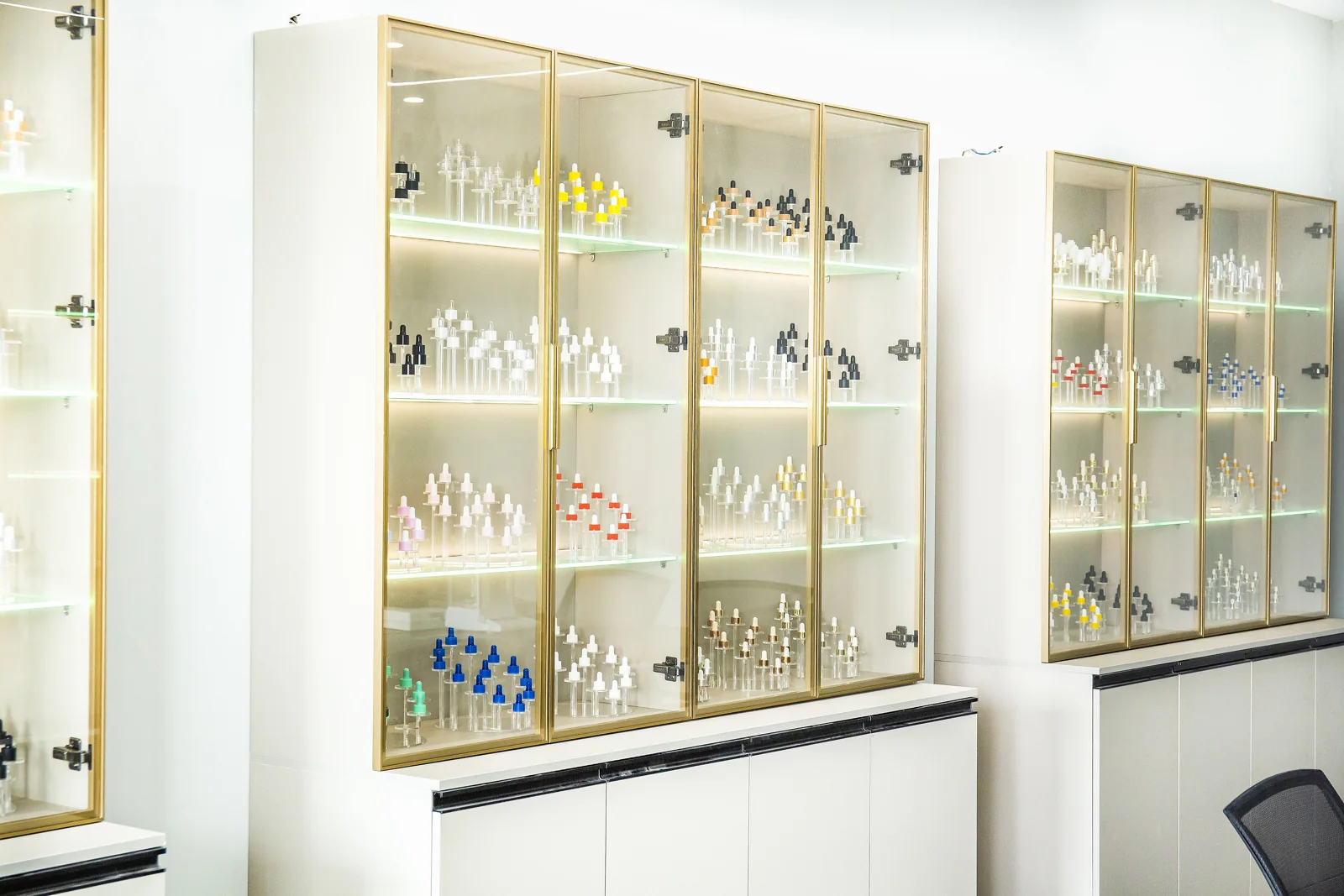
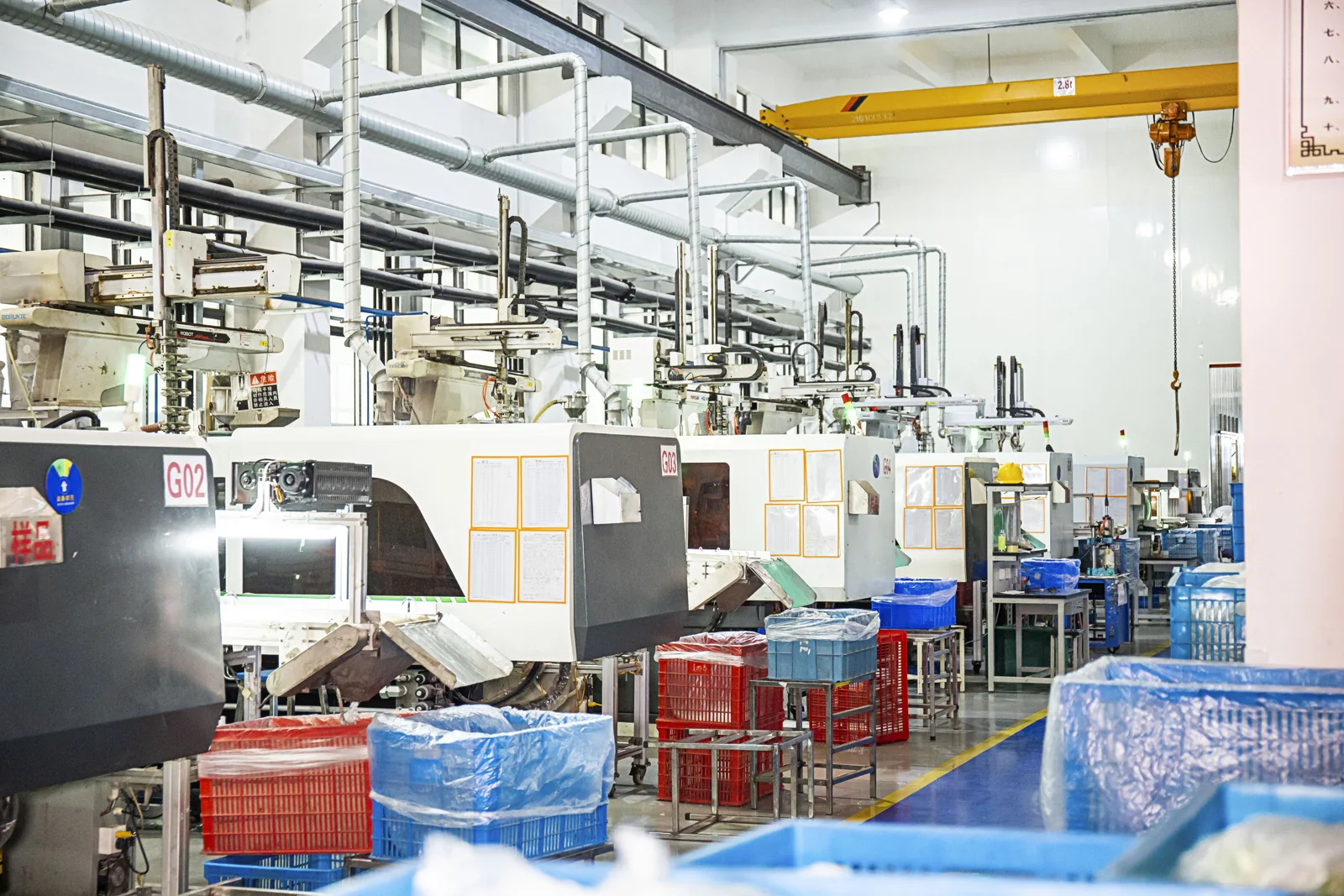
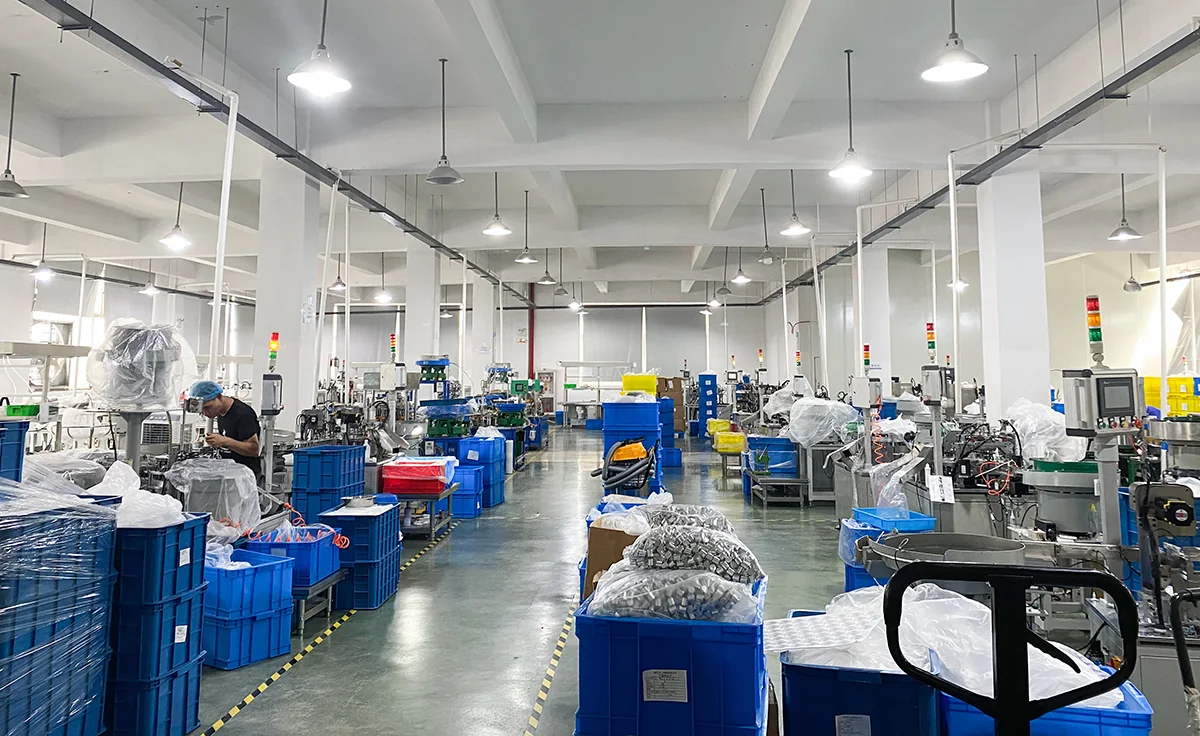
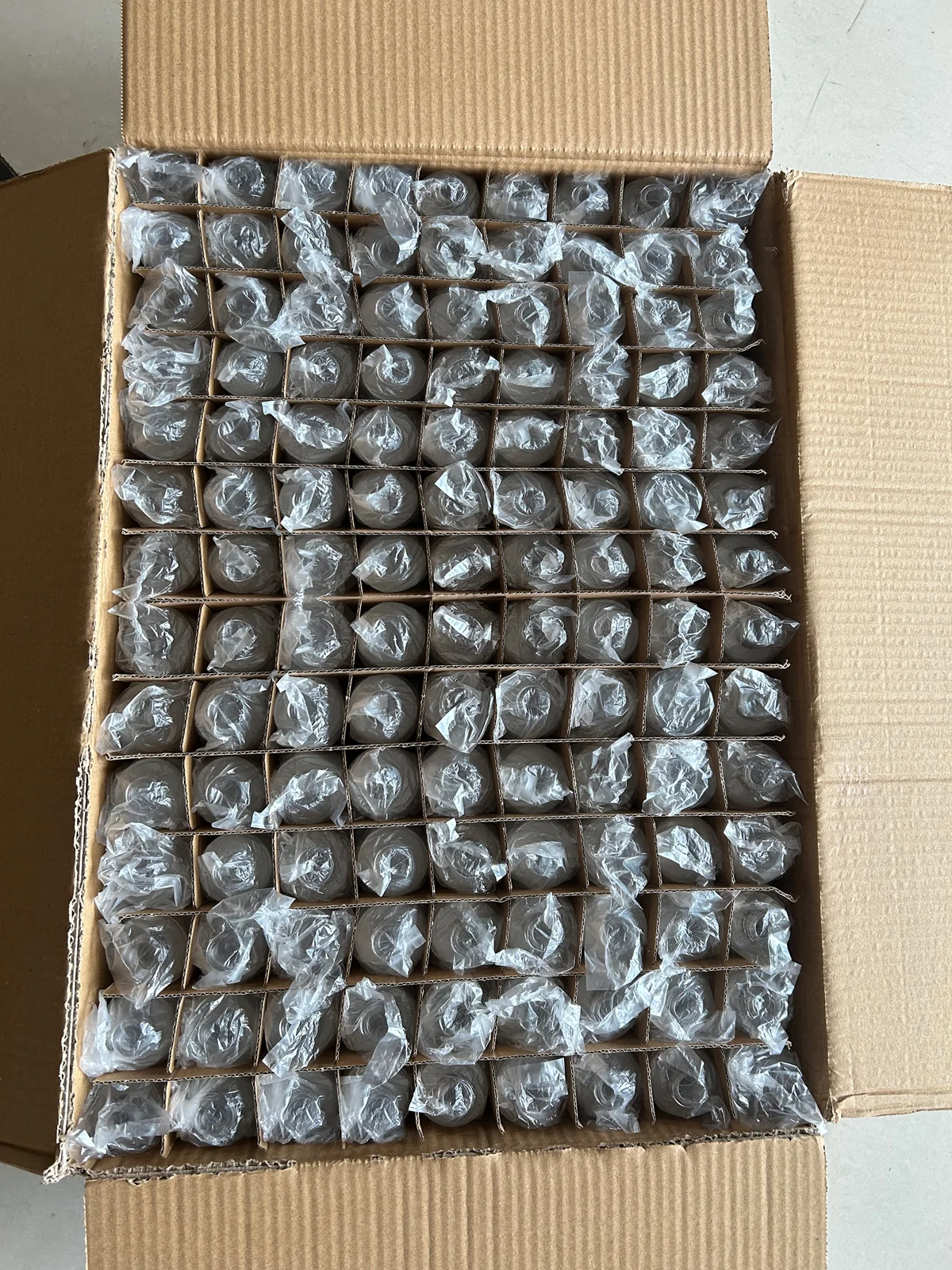
Photographed at Oulete
From the sample room to packed containers
See the facility and visible operations behind a packaging enquiry. For your selected assembly, ask which steps apply and request the corresponding sample and inspection records.