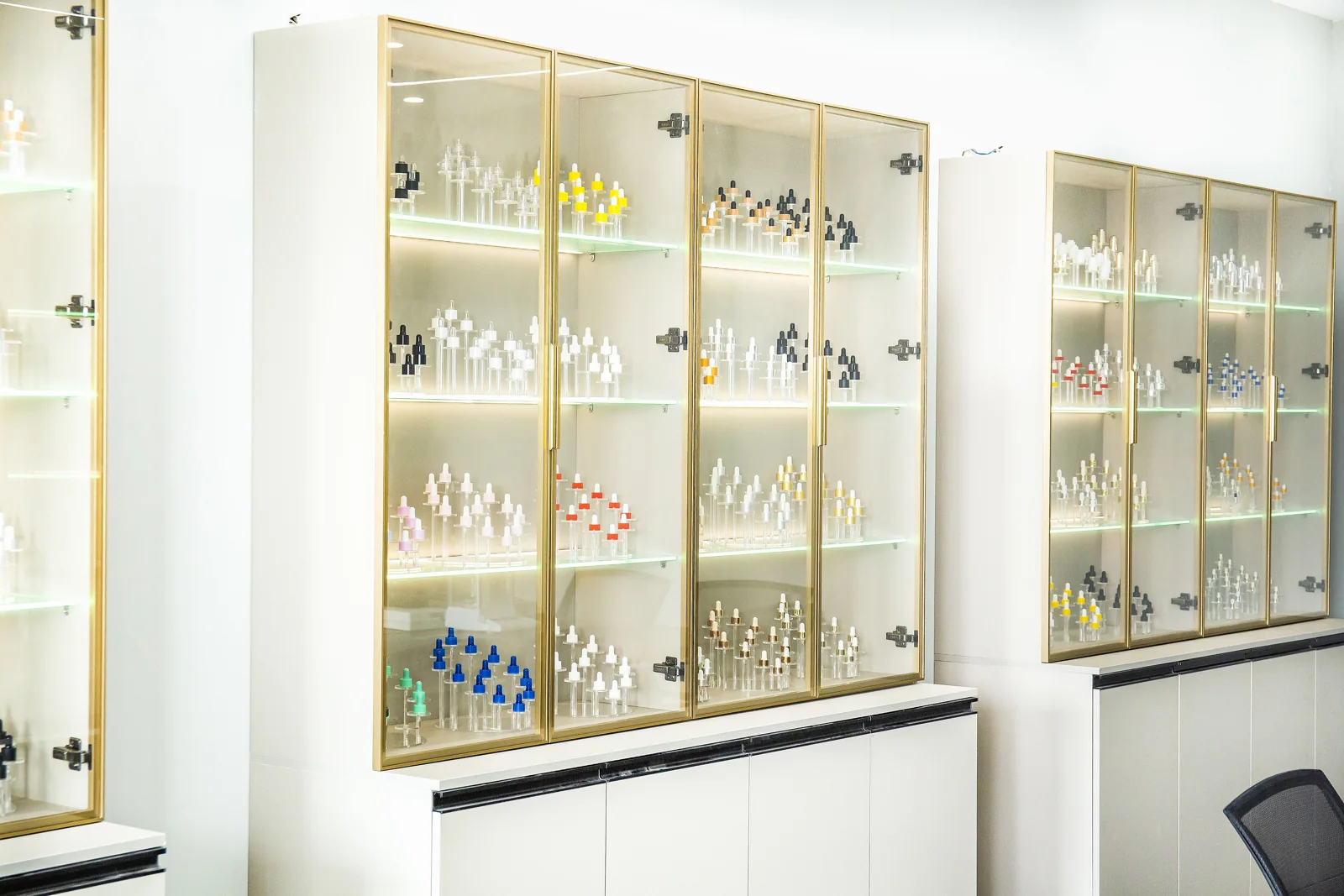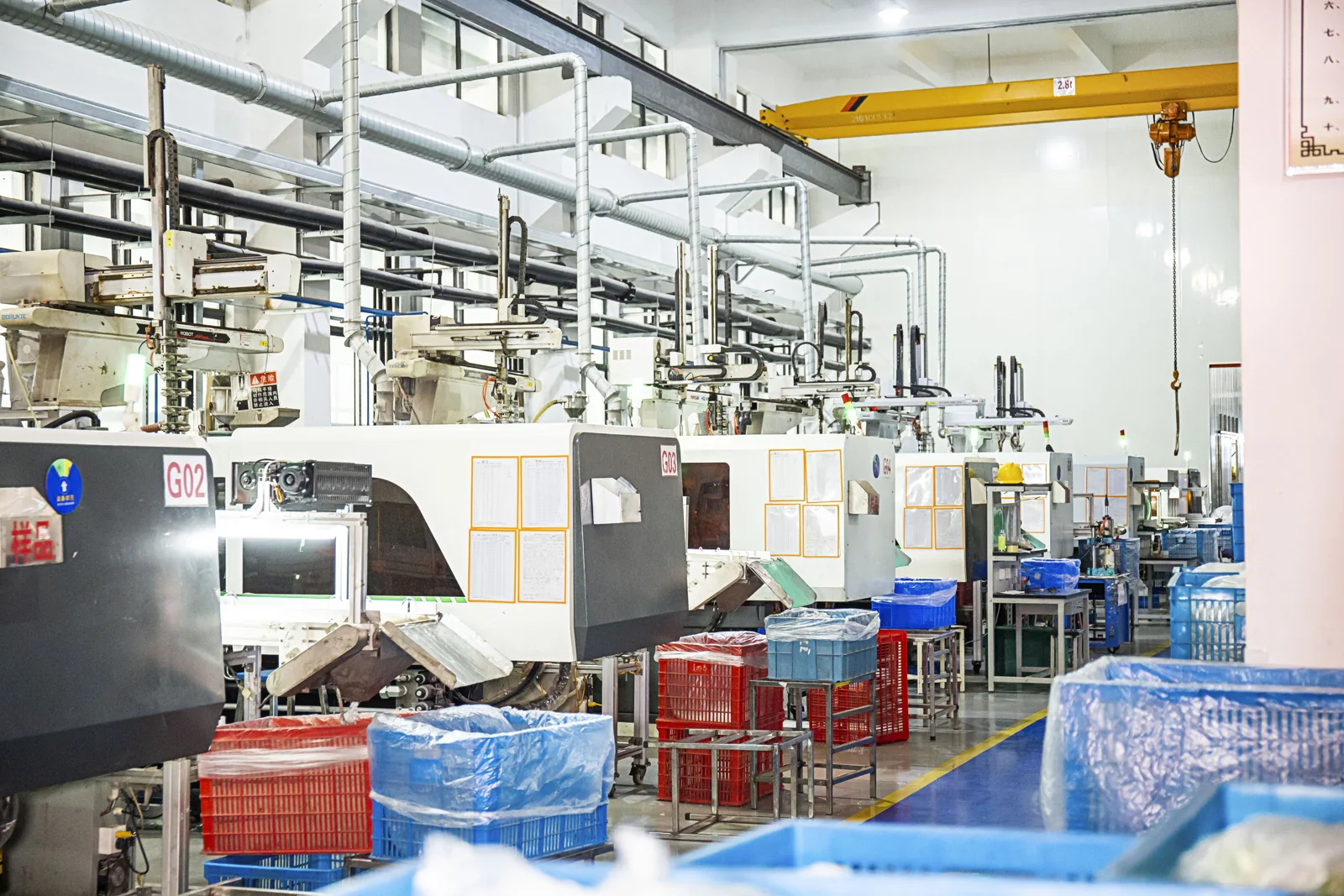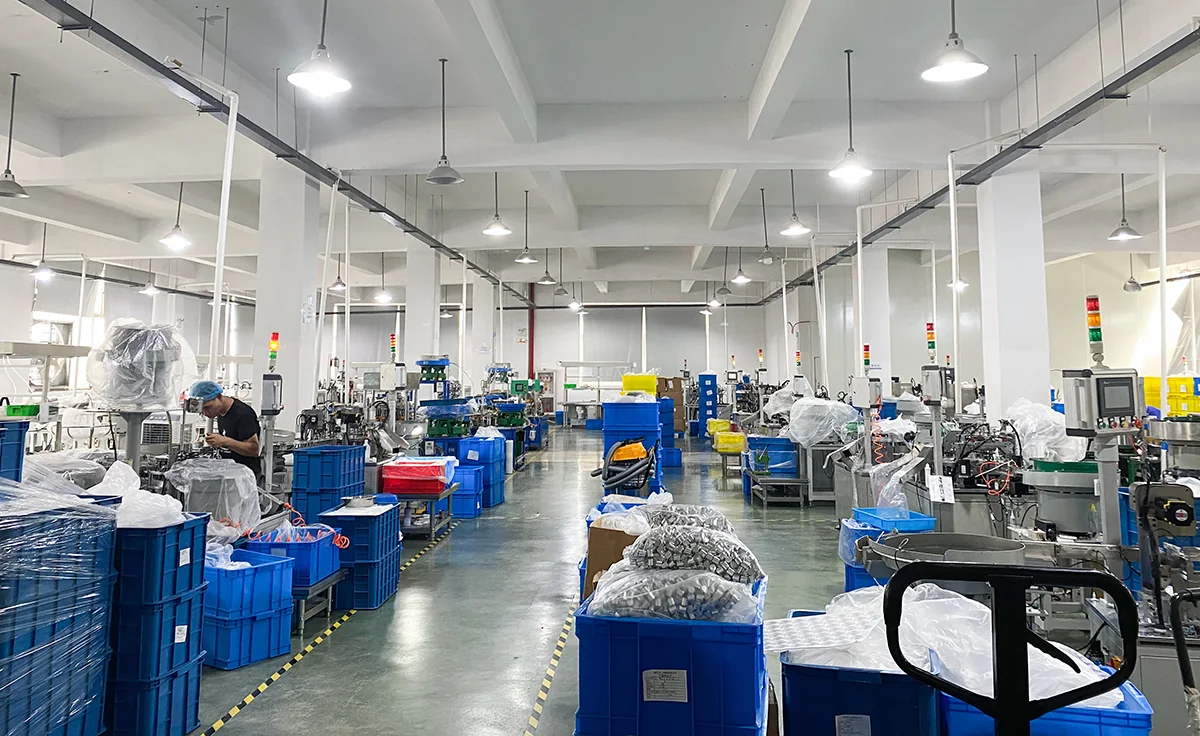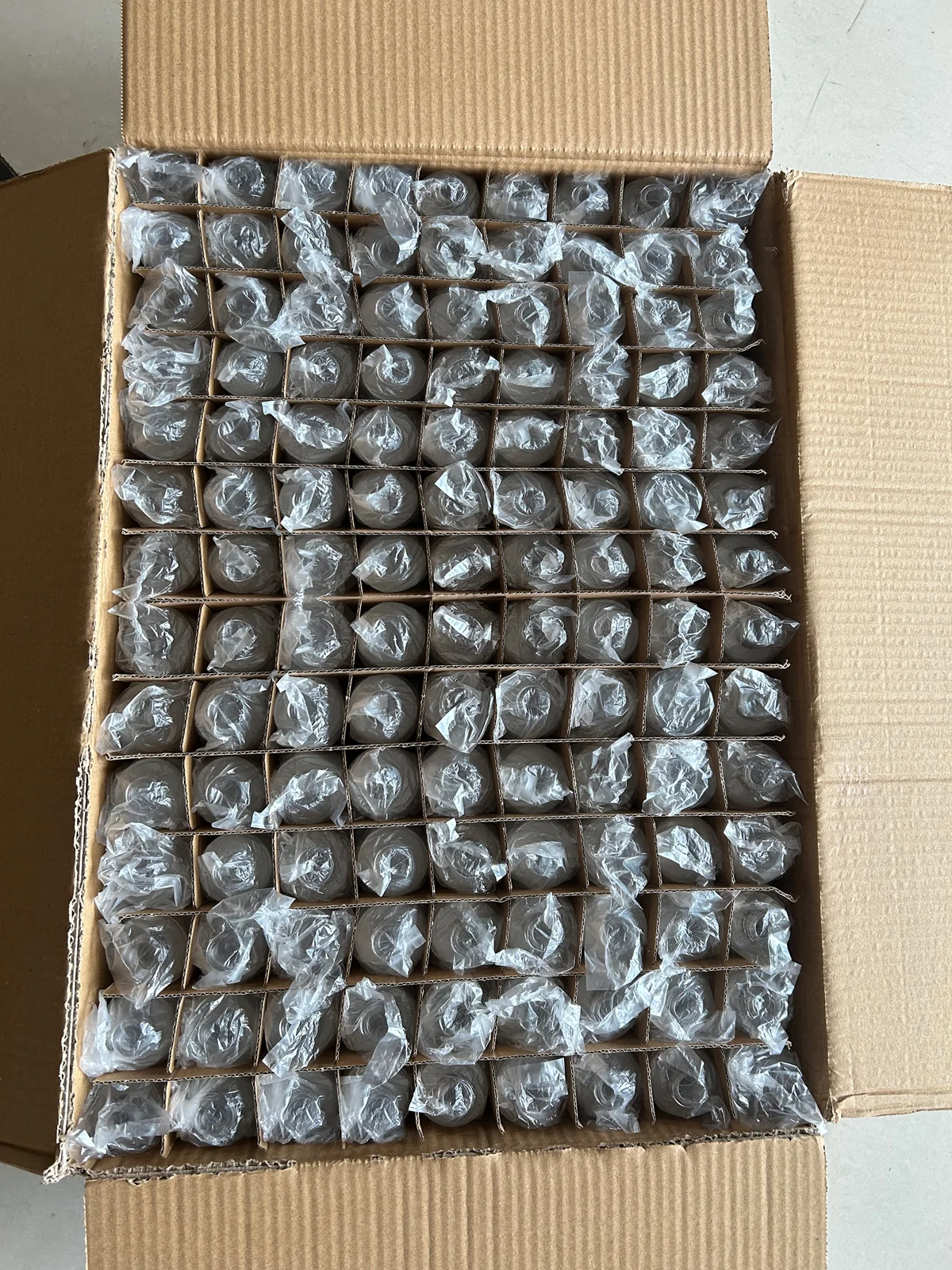
Oulete has an existing glass cream-jar option with a removable refill and magnetic lid. For a premium refillable packaging project, start with that assembly and review the outer presentation, refill retention and formula-contact seal separately. Plastic packaging MOQ is 2,000 pieces; glass packaging MOQ is 5,000 pieces.
Glass jar, removable refill and magnetic lid: define the proposed pack
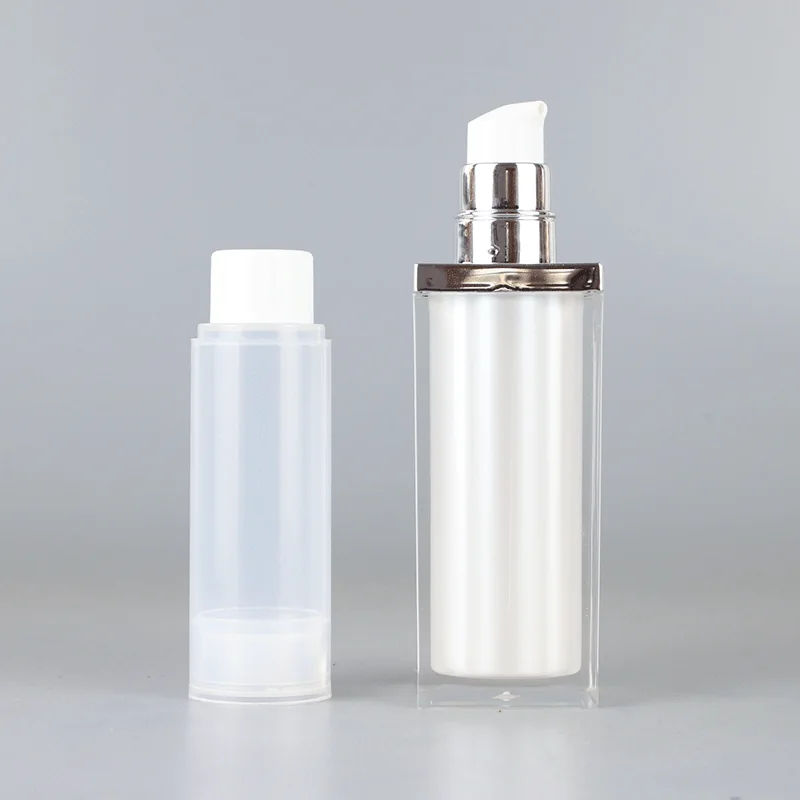
A premium cream jar has two jobs: present the product and protect the contents. The retained glass outer jar can provide the visual direction, while a removable vessel lets the consumer replace the contents. A magnetic lid provides an opening and closing option. The sealing arrangement still needs to be identified in the selected assembly; magnetic attraction alone does not describe the formula-contact seal.
Send the intended fill, cream description, silhouette and finish references. If your concept calls for a matte glass surface, ask for the proposed finish process and a representative decorated sample. The finish of a catalogue photograph does not establish the surface treatment or material specification for the order. Compare the assembled sample with the brand’s agreed physical reference.
| Part of the project | Information to define | Decision supported |
|---|---|---|
| Retained outer jar | Glass body reference, overall proportions and finish | Appearance, handling and the proposed outer presentation |
| Removable refill | Vessel reference, material proposal, target fill and replacement action | Formula-contact scope and how the refill is supplied |
| Refill-to-outer interface | Retention, removal access and fitted position | Whether the consumer can remove and reseat the vessel as intended |
| Lid and seal | Magnetic closure construction and actual sealing components | Separate opening, retention and filled-pack sealing reviews |
| Decoration | Decorated parts, artwork, colour and finish references | A controlled assembled appearance sample |
The project proposal should name the exact jar, refill and lid references and provide the relevant assembly drawing. The existing format offers a starting point for discussion. The model-specific construction, dimensions and sample results establish what can be supplied for your brief.
Draw the replacement sequence
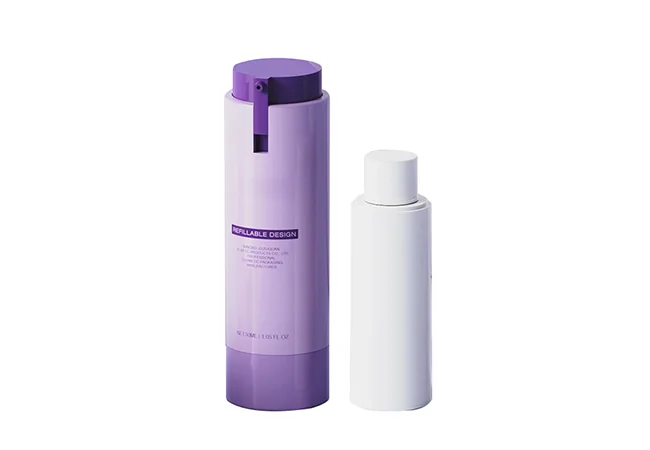
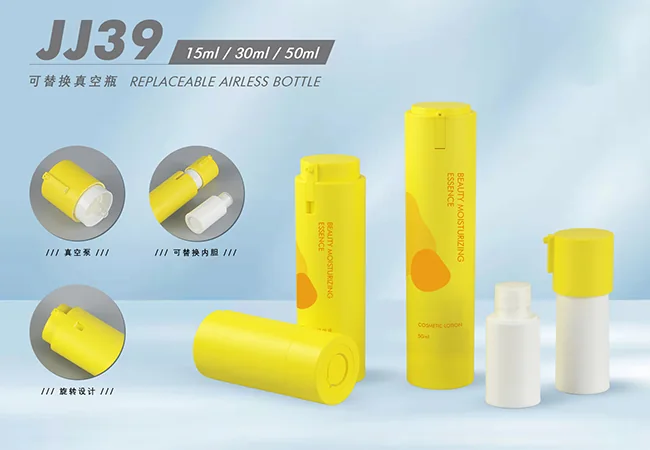
Show what the consumer keeps and what arrives with each refill. For a removable vessel, identify the opening action, removal grip or access, orientation and how the next vessel seats. Decide whether the replacement arrives with its own transport closure or seal, and what happens to that part when the vessel is installed. These decisions belong in the refill specification, rather than only in marketing illustrations.
A distributor needs clear first-purchase and replacement SKU descriptions. A filler needs to know whether vessels arrive loose, protected or installed, which parts are fitted after filling and how filled refills are packed. Oulete supplies packaging containers; formula development and filling remain outside our supply scope. Include the filler’s handling questions when requesting the component proposal.
Review flatness and stacking with the assembled geometry
If the brand wants flat jars that stack, send the intended stack direction and number of units, use context and carton concept. Request the complete assembled envelope, lid profile and base contact geometry. A flat-looking lid does not establish that jars sit securely together. Review seating, movement and handling with identified samples under conditions agreed for the project.
Distinguish display stacking from stacking in a shipping carton. Protective trays or dividers can change how load is carried. Ask for the proposed packing arrangement and its dimensions; keep any transport assessment attached to that arrangement. Stackability is a requirement to evaluate for the selected design, not an established property of every magnetic-lid jar.
Validate repeated use
Agree the use cycles and observations for the outer jar, refill interface, lid and seal. Record fit, retention, opening action, sealing and appearance separately. The brand’s product team should define cleaning and hygiene responsibilities. A replaceable vessel does not automatically establish how a consumer should clean the retained parts or how many cycles the assembly will withstand.
Evaluate the intended formula with the actual contact components and selected finish. Keep the assembly revision, method, conditions and results together. Oulete supports compliance-led packaging projects: send the destination markets and document requirements with the component brief. Material information and declared scope should match the ordered configuration; they do not replace the brand’s finished-product assessment.
An environmental claim also needs its own basis. Refillable construction describes an action. A claim about waste, carbon or resource savings needs an appropriate comparison and supporting evidence. Use the component-level document review to organise the packaging evidence without turning the format name into a certificate.
Start the model review
Begin with the existing glass outer jar, removable refill and magnetic lid if that direction suits your concept. Send the desired fill, drawings or sketches, matte or other finish direction, opening preferences and quantities. Ask for the identified assembly and representative samples before deciding whether new geometry or tooling is needed. Any development proposal should name its scope and separate tooling work from the unit price.
Oulete’s confirmed MOQ is 2,000 for plastic packaging and 5,000 for glass packaging. In a mixed-material refill project, identify which components are glass and plastic and the quantities for the first pack and replacement SKU. Request a quotation that names the supplied components and decorated versions rather than applying an unspecified material MOQ to an unidentified complete set.
Send your refillable packaging brief, compare cream-jar formats, or review sampling and approval. Include the open seal, refill retention or stacking questions so the proposal answers the design decisions your team actually needs to make.
Photos and process footage
Put the specification to work
Prepare a sample request with the retained parts, replacement vessel and opening requirements.