Vitamin C Serum Packaging: How to Compare Bottles and Stability Evidence
The best vitamin C serum packaging is the complete bottle and dispenser that meets the brand’s requirements for its actual formula, filling route and intended use. An amber bottle or an airless label can be a useful candidate; neither…
The best vitamin C serum packaging is the complete bottle and dispenser that meets the brand’s requirements for its actual formula, filling route and intended use. An amber bottle or an airless label can be a useful candidate; neither alone proves that the serum will remain within specification.
Shortlist complete packaging assemblies first, then ask the formulation laboratory and filler to compare representative filled samples. This guide explains what to compare, what published evidence can tell you, and what to put in a quote and sample brief.
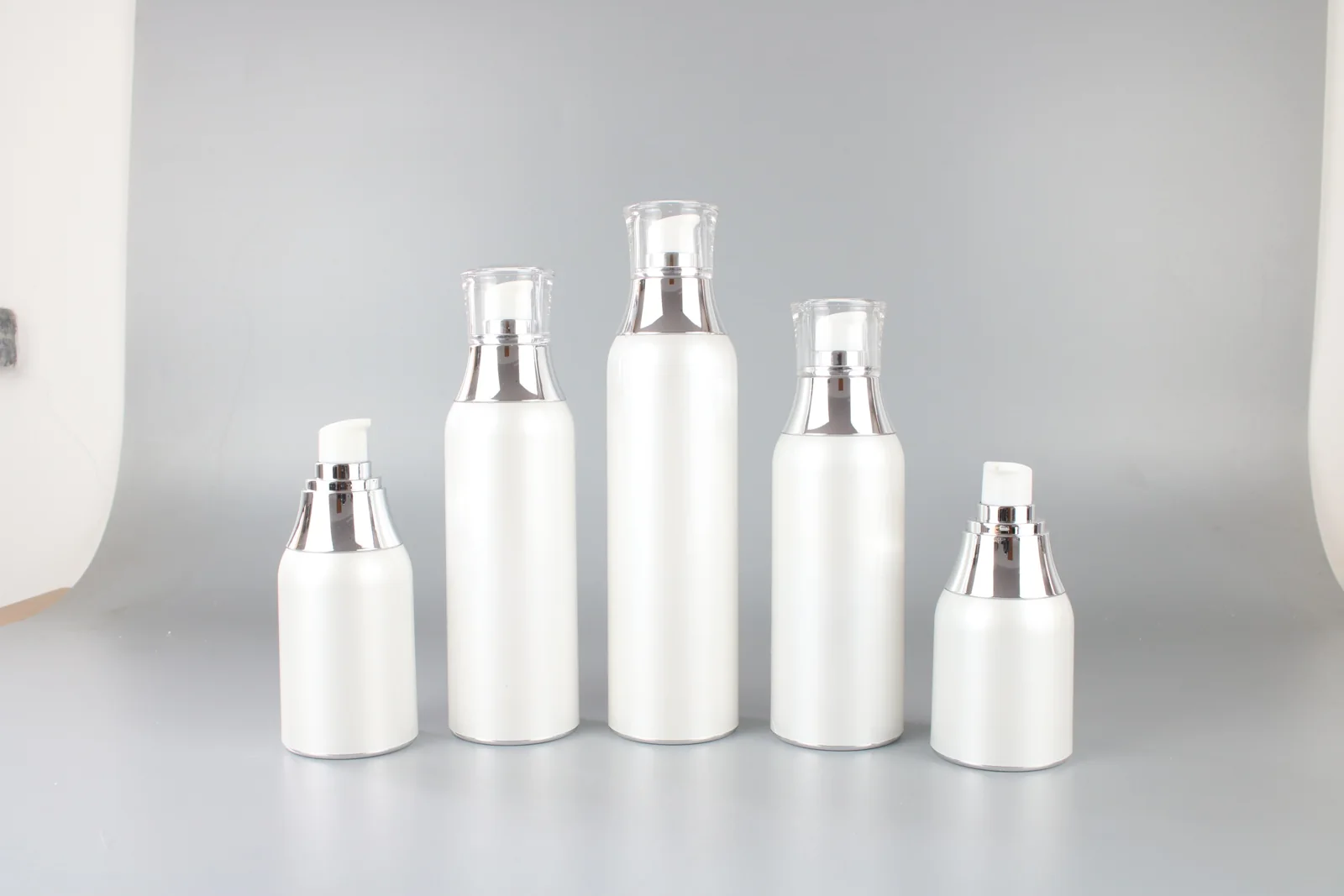
Historical Oulete-supplied bottle samples, shown as an appearance reference. Their dispensing mechanism, contact materials and suitability for a particular vitamin C formula are not established by this photograph.
What does the vitamin C formula need from its packaging?
“Vitamin C serum” describes a market category, not one formulation. The formulation owner should identify the active form, the final bulk revision, intended fill and relevant product-contact concerns. Share enough information for the packaging and laboratory teams to plan their work, using an agreed confidential channel for sensitive formulation details.
Record the actual formula and pack versions before comparing stability evidence. Differences between two commercial products may reflect their formulas as well as their packaging; a comparison can answer a purchasing question only if its design identifies the variables being compared.
Ask the formulation laboratory which measurement is meaningful for the active form and product. Appearance, odour and pH where relevant can be useful observations, but a colour change alone is not a quantitative assay of the active. Agree who defines the method, controls and decision limits before samples are filled.
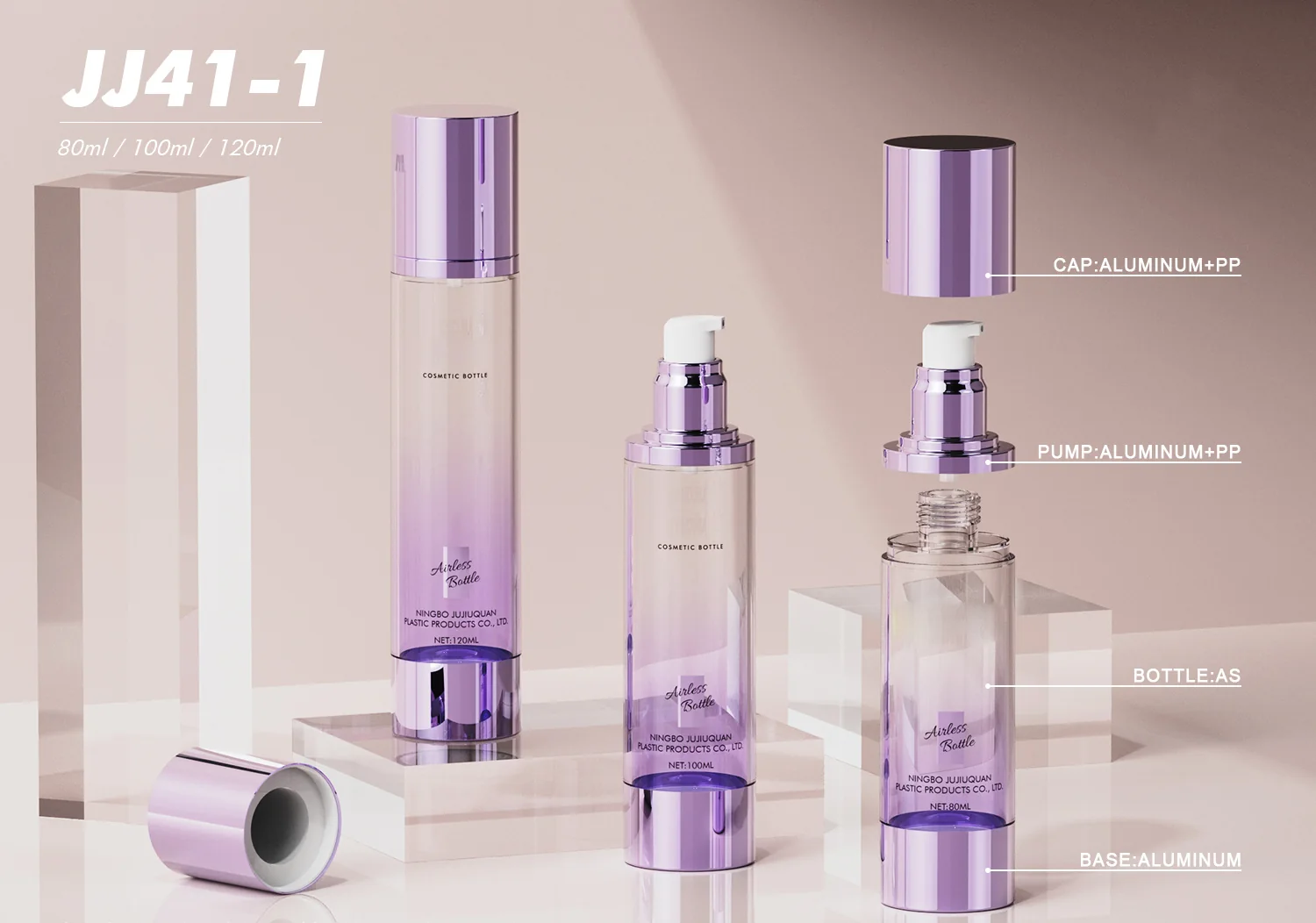
Oulete bottle samples and components shown for assembly comparison; the image does not establish vitamin C compatibility or stability.
Compare vitamin C serum bottles as complete assemblies
Dropper bottle. Identify the bottle, pipette, bulb, closure and relevant sealing parts. It may suit an application that uses drops, but the buyer should assess pickup, contact surfaces and the intended opening and closing sequence. A dark body does not describe the light transmission or sealing of the full assembly.
Dip-tube pump bottle. Identify the bottle, pump version, dip tube, closure and overcap where supplied. Evaluate priming, dispensing, the formula-contact path and the selected closure. A pump format does not establish oxygen ingress or compatibility with the serum.
Airless dispensing assembly. Identify the reservoir, dispenser and supplied state as a system. Confirm how it is filled, primed and operated through use. Airless is a design category, not evidence of oxygen-free contents, a guaranteed shelf life or a particular material composition.
Another proposed format. A tube or other package may be worth examining if it suits application and filling. Request the exact construction and closure; do not assume that a catalogue format is an Oulete-qualified product for the formula. The serum packaging overview and airless materials guide provide broader format context.
How to use a published vitamin C packaging study
A 2016 cosmetic formulation study stored one emulsion containing 5% vitamin C in amber glass, milky plastic and aluminium tubes, recording observations over 28 days under its specified conditions. It also used a DPPH antioxidant assay as an indirect indication of activity. These details belong to that study and are not Oulete measurements.
The authors reported differences between their samples and proposed that the aluminium tube helped delay changes in their study. Material and package format both changed between groups. The result therefore does not isolate resin as the sole cause, establish that every tube outperforms every bottle, or set an expiry date for a different serum.
Use a paper to frame questions for the laboratory: What formula and active were evaluated? Was the original package tested or was the product transferred? Which assay and observation endpoints were used? Which package components and sample states were actually compared? If those fields do not match your decision, keep the paper as background and request the missing project-specific evidence.
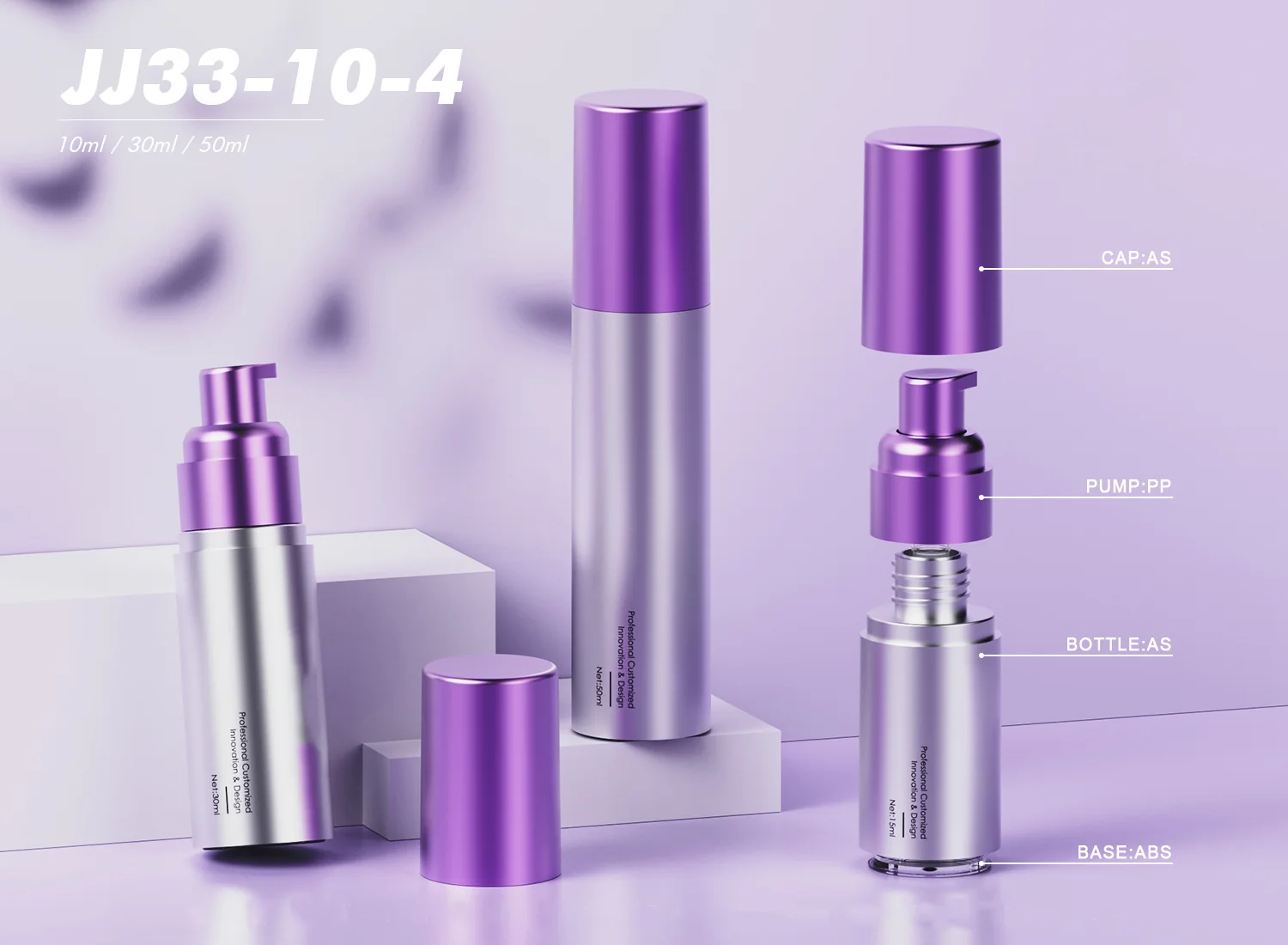
Oulete-supplied packaging imagery showing a pump bottle and separated components. Select the exact bottle and closure revisions before comparing filled-product stability.
Design a stability comparison that can guide a purchase
The following is a planning sequence, not a laboratory method, Oulete test or universal acceptance specification. The brand and laboratory must agree the actual design, conditions, sample numbers, controls, assay and limits for the product.
Set the decision. State whether the team is choosing between candidate assemblies, evaluating an approved pack after a component change, or assessing finished-product release. These decisions require different evidence.
Fix the formula and candidates. Use an identified final bulk revision and trace the batch and filling conditions. For each candidate, record body or reservoir, pump or dropper, closure, seal, material information and drawing revisions. Identify prototype substitutions.
Separate unopened storage from use. An unopened specimen answers a different question from one opened or dispensed during a use sequence. Agree representative storage, sampling times and usage conditions before testing, with separate specimens and clear histories.
Define endpoints and ownership. The formula team chooses an appropriate assay and controls. Record appearance and odour, pH if relevant, packaging condition, leakage and dispensing observations where they inform the decision. Do not substitute a generic tolerance for the product team’s criteria.
Review results with the pack identity. Record individual sample observations, deviations and untested conditions. If a pump, liner, reservoir, coating or formula changes later, review which conclusions still apply and whether another assessment is needed.
Do not borrow a study’s temperature, duration or cycle count as an automatic approval plan. A result under one set of conditions must be interpreted within those conditions; the responsible team decides whether evidence supports the planned product and shelf-life claim.
Read supplier evidence without overclaiming protection
A material or film oxygen transmission result may help screen a construction. Check whether it concerns a film, bottle body, or the complete proposed bottle and closure. A dry package result does not establish filled-serum stability. Use the report alongside a filled-product compatibility test plan.
Likewise, a coloured or coated exterior should be tied to the actual tested construction. Ask the supplier what information is available for the selected body, finish and internal reservoir, and ask the formula team whether further light-protection evidence is needed. Appearance is not a light-transmission measurement.
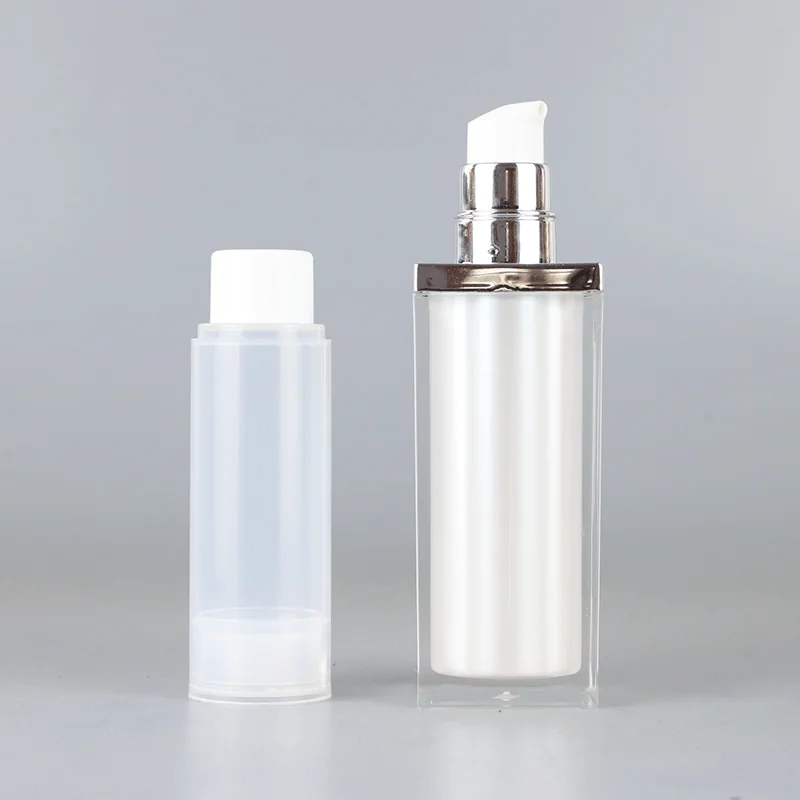
Oulete packaging sample showing a container and a separate inner vessel. Confirm the actual components and formula before requesting matching samples.
Request a matched sample and a comparable quotation
Give the supplier the intended net fill, product category and physical description, dispensing preference, desired appearance, planned quantity and destination market. Request the exact bottle and dispensing components, drawings and revisions, sample scope and what the quote includes. Ask the filler whether the proposed supplied state fits its filling, assembly and handling route.
Compare pump-only and complete-assembly offers only after accounting for missing parts and work. Specify sample and decoration terms, component or process minimums, tooling or setup charges if applicable, delivery terms and quote validity. Container production baselines do not establish a pump or decoration minimum for this project.
“We are evaluating [formula category and intended fill] for [application]. Please propose the identified bottle and [dropper / pump / airless assembly], including component references, drawings and the material information available for product-contact parts. Please state which parts and assembly are included, the sample configuration, decoration, applicable component minimums, lead time and quote validity. Our formulation laboratory will assess the selected filled assembly; please identify any existing evidence and its specimen and test scope.”
For an Oulete enquiry, ask for an actual identified proposal and confirm current availability and sample terms. The photograph in this article is not a model specification, compatibility result or promise of a particular dispenser.
Questions about vitamin C serum packaging
Is an airless bottle always best for vitamin C?
No universal choice follows from the label. Evaluate the actual formula and identified filled assembly through storage and representative use.
Does amber glass guarantee light protection?
Colour alone does not establish the selected pack’s light transmission or the formula’s response. Request relevant evidence and agree the study with the formula team.
Can a pump fit the bottle but fail compatibility?
Yes. Mechanical fit, dispensing and formula contact are separate decisions. Assess each for the actual assembly.
Can a published study set our shelf-life limits?
A study can identify questions. Its formula, package, assay and conditions may differ; the responsible technical team sets criteria for the actual product.
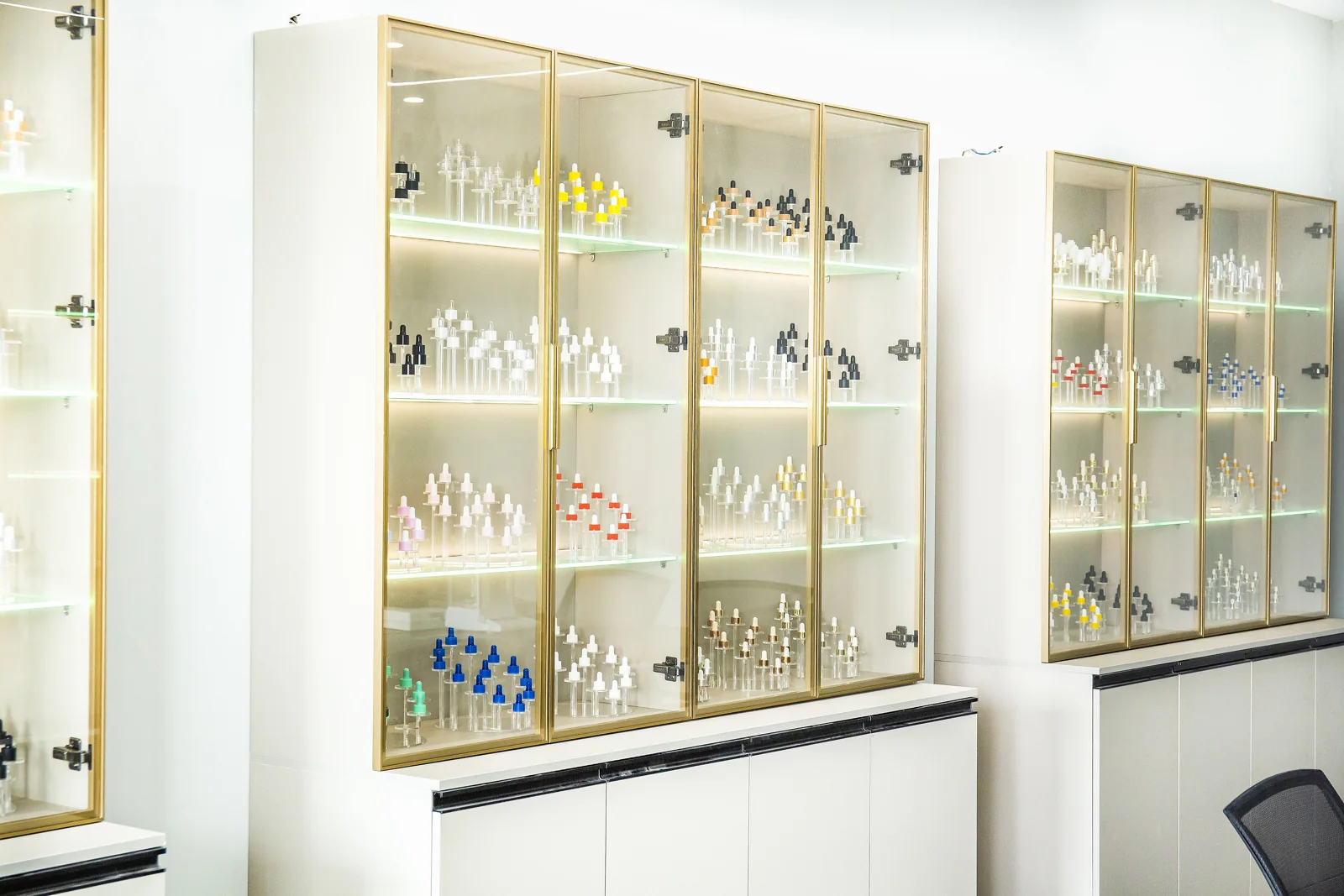
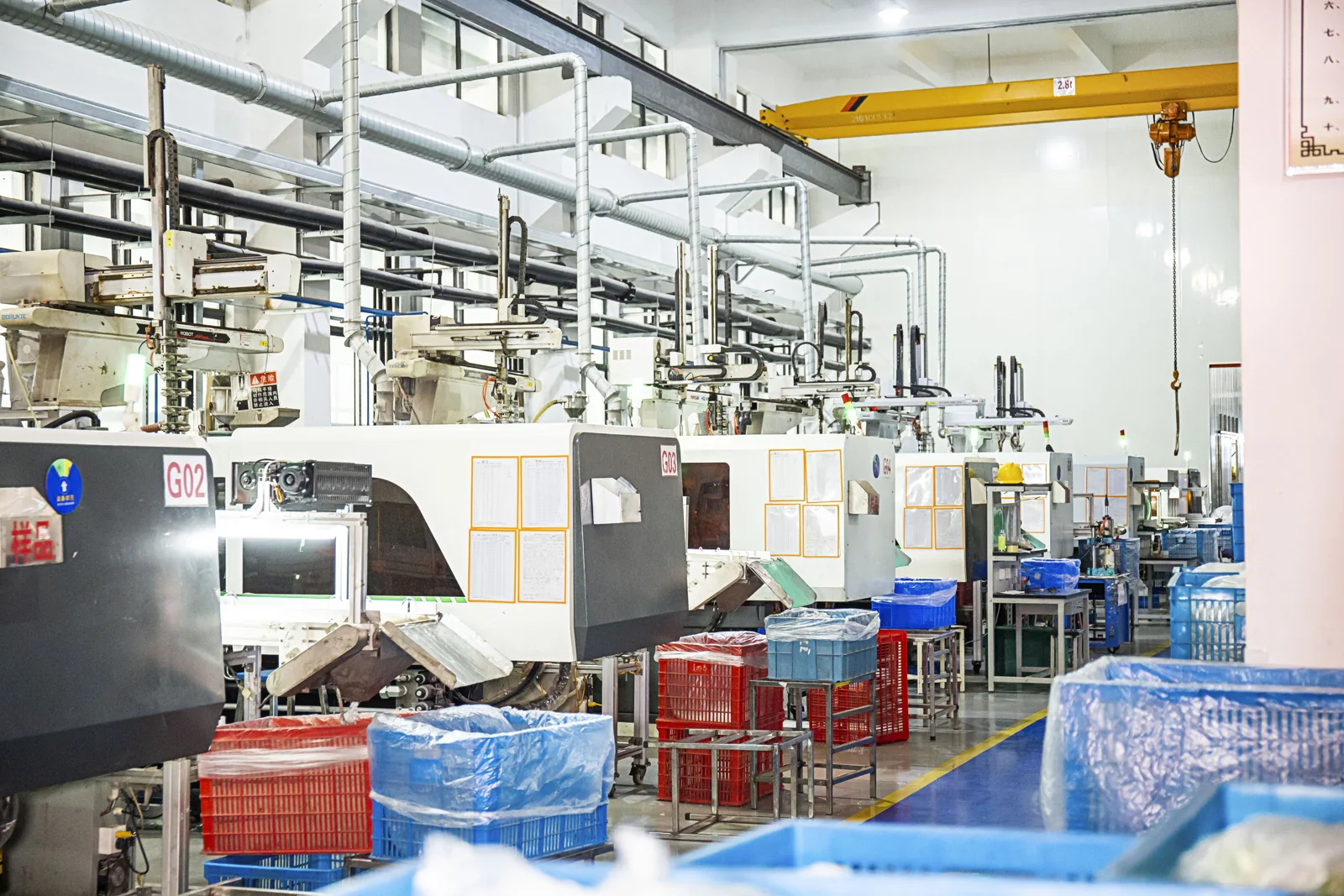
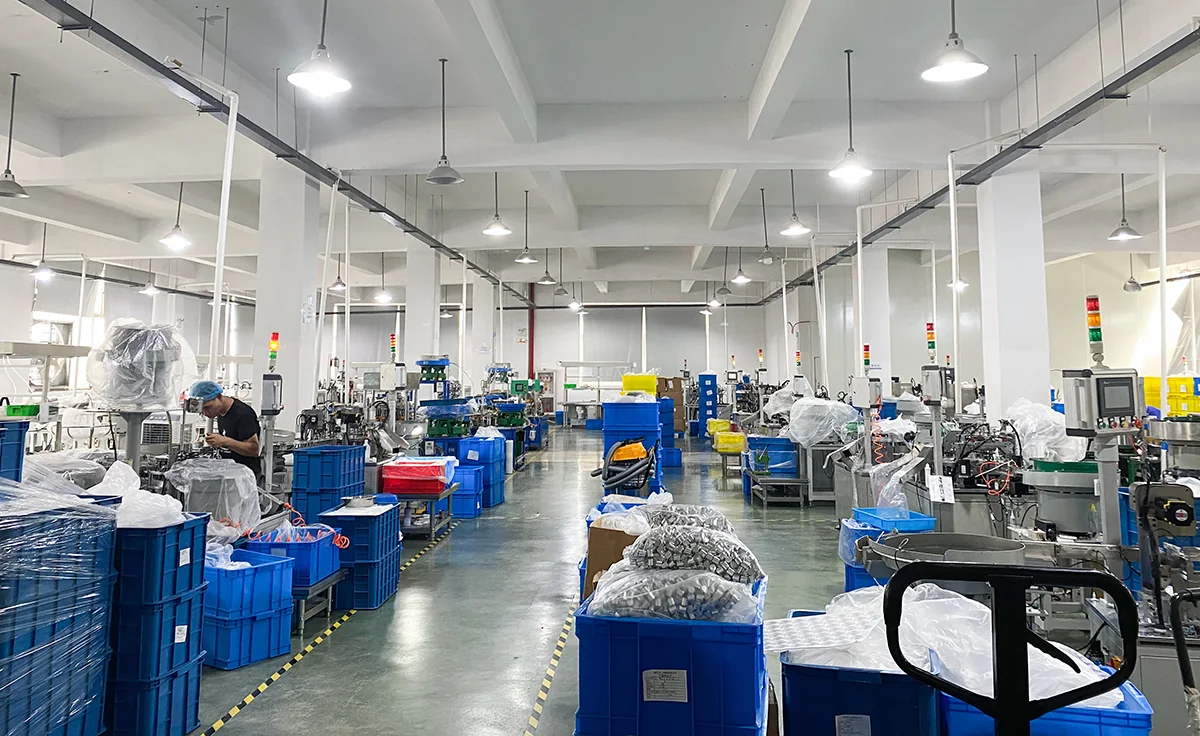
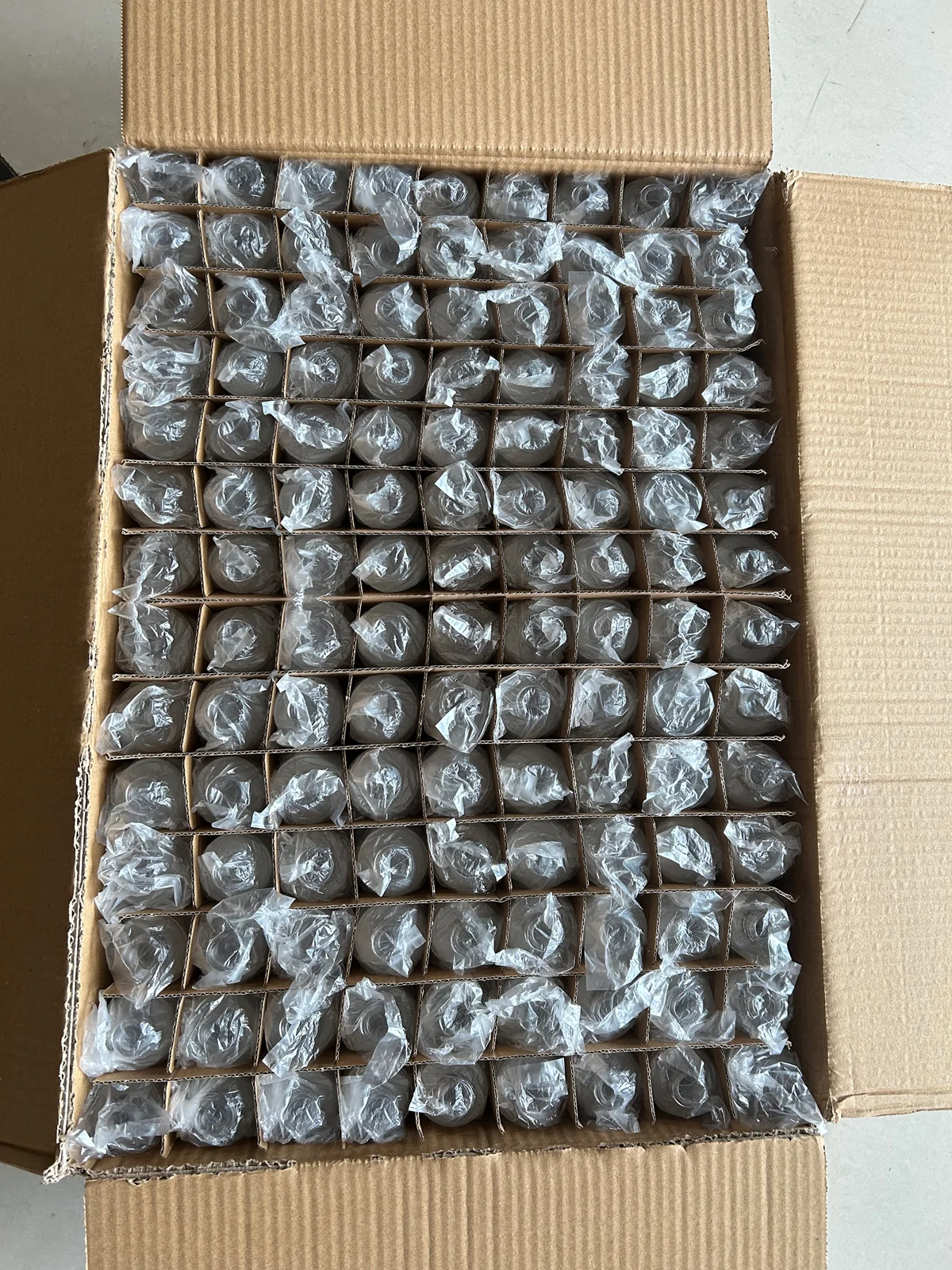
Photographed at Oulete
From the sample room to packed containers
See the facility and visible operations behind a packaging enquiry. For your selected assembly, ask which steps apply and request the corresponding sample and inspection records.
Cosmetic packaging samples displayed in the Oulete showroom.Row of injection molding machines in the Oulete workshop.Wide view of the Oulete packaging assembly workshop.Cosmetic containers separated by protective packaging inside a carton.
Research with AI
Paste this prompt into your assistant. Check its answer against the page and the approved packaging specification.