Cosmetic Packaging Oxygen Barrier Reports: Film vs Bottle and Pump
A cosmetic packaging oxygen barrier report can help shortlist a material or compare specified bottles. It cannot, by itself, approve a serum’s shelf life. Before comparing supplier numbers, identify the specimen, the denominator in the…
A cosmetic packaging oxygen barrier report can help shortlist a material or compare specified bottles. It cannot, by itself, approve a serum’s shelf life. Before comparing supplier numbers, identify the specimen, the denominator in the unit, the oxygen and climate conditions, and whether the production closure was part of the test.
This guide is for a skincare buyer deciding what to request next: retain a film report for screening, commission a comparison on a defined assembly, or ask the formulation laboratory to plan a separate filled-product study.
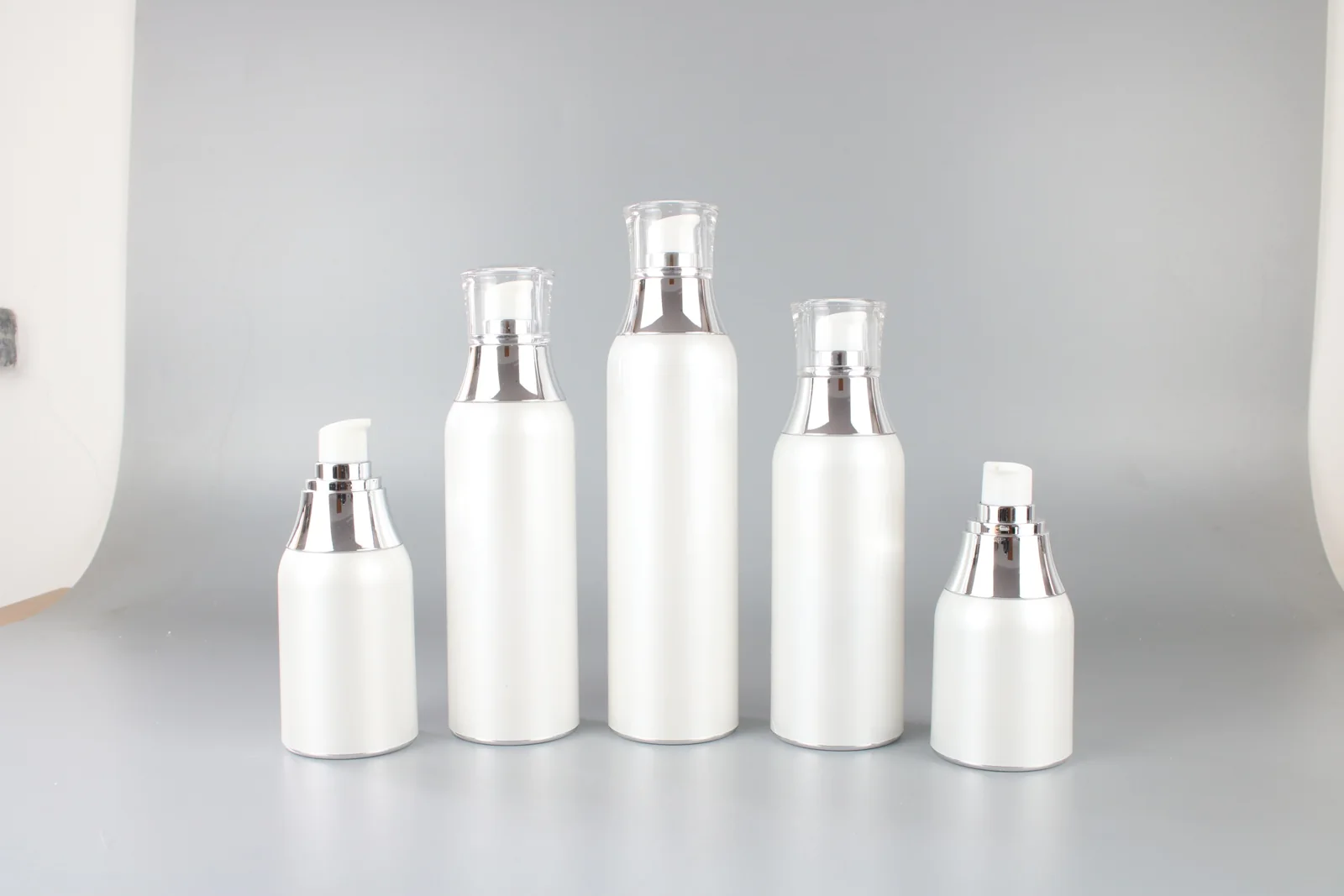
Historical Oulete-supplied samples shown as an appearance reference. The photograph does not identify the materials, pump mechanism or oxygen barrier results.
What did the oxygen transmission rate test actually measure?
Oxygen transmission rate (OTR) is reported for a defined specimen and conditions. Ask for the specimen description before reading the result. A flat film sample, a wall cut from a bottle, a bottle sealed by a laboratory fixture, and a bottle with its commercial pump are different specimens.
A film result can inform selection of a specified construction, but it does not measure the neck, pump, seals or the complete pack. For a liquid cosmetic, ask the laboratory to explain the relevance and limits of its method, specimen preparation and any additional assessment needed for the filled product.
AMETEK MOCON identifies both film and package-testing options for its OX-TRAN 2/40 equipment. This is an instrument manufacturer’s description, not a test or instrument owned by Oulete. A supplier using that name still needs to identify exactly what was mounted and tested.
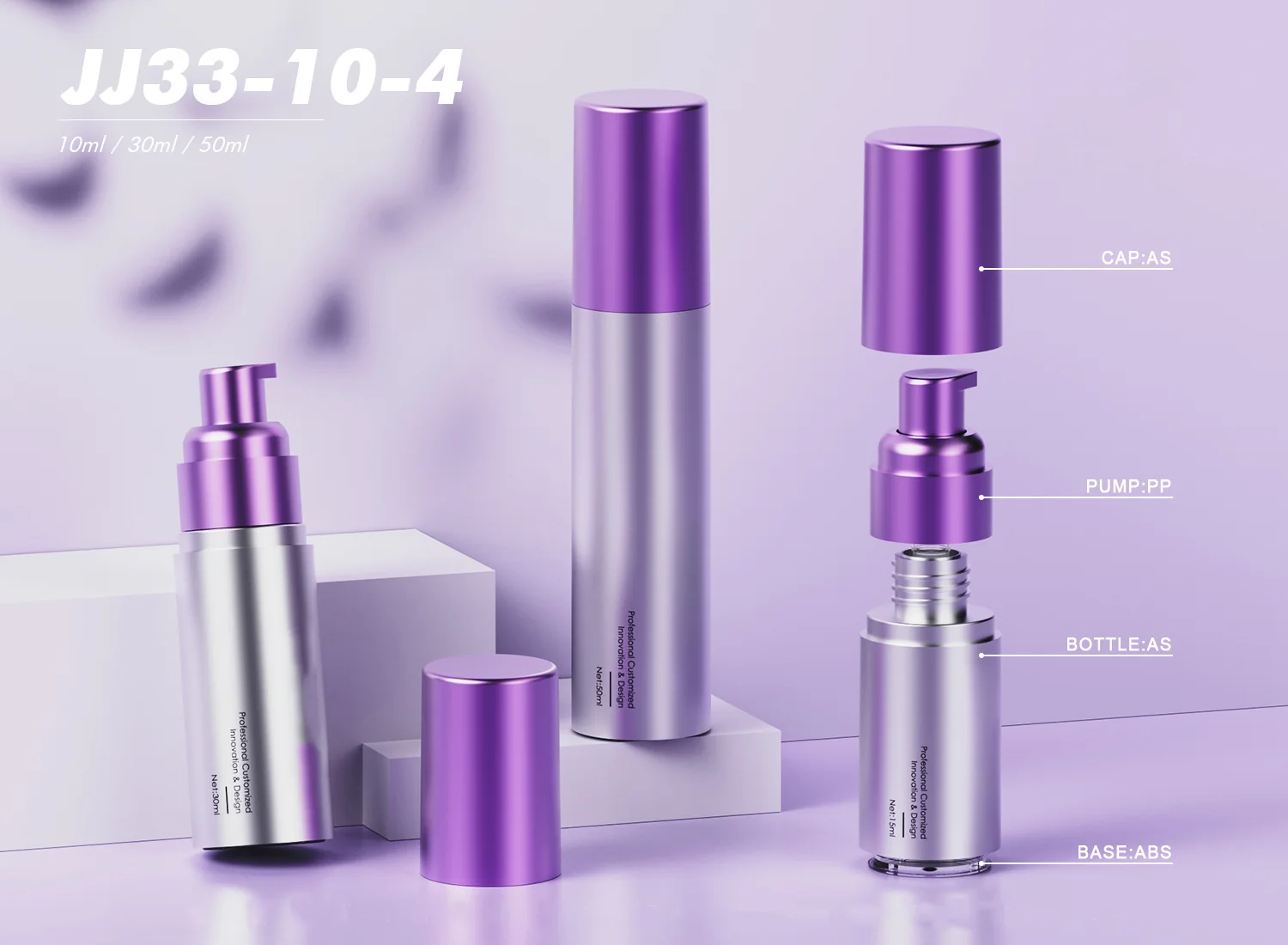
Oulete sample showing an assembled bottle and separated components. The image does not establish the material, oxygen barrier or tested configuration.
Five checks before comparing oxygen barrier reports
Specimen and preparation. Record whether the report covers the film, bottle body, or complete assembly. Identify the bottle, pump, seal and revisions; note if a fixture replaced the commercial closure. A “bottle result” alone does not resolve the preparation.
Unit and denominator. cc/(m²·day) describes a rate per specimen area; cc/(package·day) describes a rate per defined package. The numbers cannot be ranked directly as if they had the same denominator.
Oxygen basis. Record the stated challenge and whether a result was measured or reported after compensation. MOCON distinguishes 20.9% oxygen and values compensated to a 100% basis in its equipment information. Matching printed units does not make differing specimen setups equivalent.
Conditions and method. Capture temperature, humidity, gas-volume reference conditions, method edition, preparation and deviations. If a condition or preparation differs, ask the laboratory whether a meaningful comparison is possible.
Reporting limit and variability. Preserve individual specimen results and the reported limit. “Below detection” is not zero; a brochure’s instrument range is not the acceptance limit for your package.
Keep the result with the drawing and component revisions. A later change to the bottle resin, coating, closure, pump or seal may change what the evidence represents. Ask the technical owner which earlier data remains applicable, rather than silently transferring approval.
Three supplier reports: which one should purchasing advance?
Imagine a buyer evaluating a 50 ml serum pack. The following submissions and figures are hypothetical, not Oulete data, customer reports or acceptance criteria.
Report A: film. A supplier gives 0.50 cc/(m²·day) for flat film, without a linked bottle and pump specification. Keep the report as a material-screening lead. Request construction, thickness and a traceable link to the proposed bottle before deciding whether further package work is justified.
Report B: sealed bottle body. A report shows 0.008 cc/(package·day), but its preparation uses a laboratory fixture at the neck instead of the offered pump. The number describes that prepared specimen. Request the commercial closure drawing and ask the lab what a comparison including that closure would require.
Report C: identified empty assembly. Bottle, pump and seals are identified by revision and the report records its test conditions. This is more relevant to that defined assembly, but an empty, dry test does not approve the formula during storage or use. Ask the formula owner to specify the next filled-pack assessment.
In a simplified wall-only illustration, 0.50 cc/(m²·day) multiplied by an assumed 0.016 m² wall area is 0.008 cc/day. The area cancels mathematically; the calculation is not a measured bottle result. It neither accounts for the closure nor proves that the assumed wall is uniform or the conditions match Report B. The identical-looking number does not make A and B equivalent.
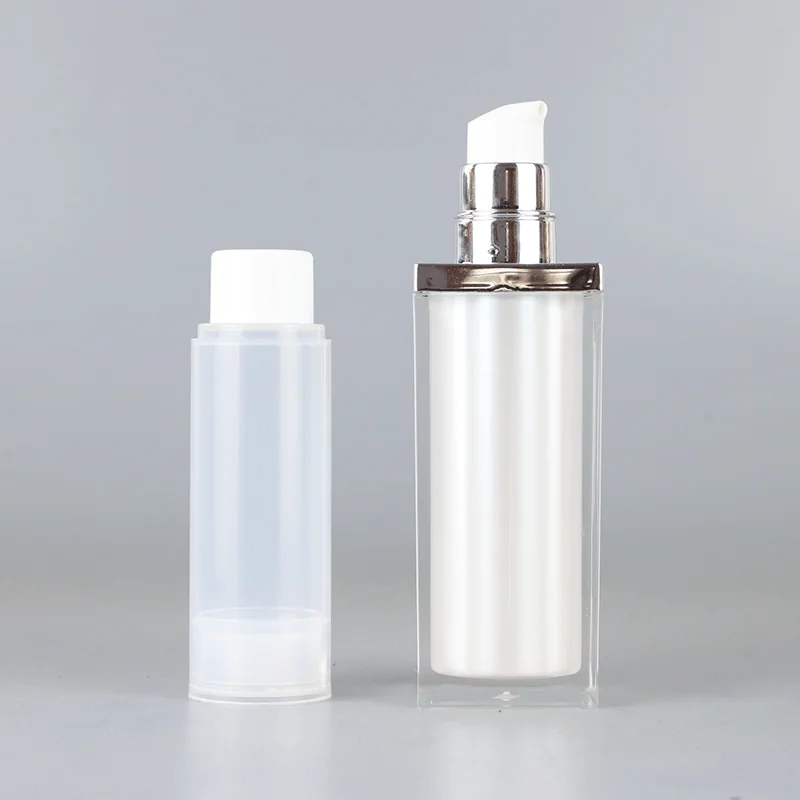
Oulete sample showing a pump container and separate inner vessel. Identify the actual assembly and component revisions before comparing test reports.
Decide which work is needed before paying for a test
First resolve identity. If the submitted film is not traceable to the proposed bottle construction, a new result on an unidentified specimen will not close the gap. Request the selected body and closure references, material information available for those revisions and a representative assembly.
Second resolve comparability. Give the laboratory both reports, the proposed specimens and the purchasing question. Ask it to identify differences in preparation, oxygen basis, units, conditioning and reporting limits; it can then advise whether the existing reports answer the question or matched work is needed. Do not compensate a number yourself and assume that this fixes different specimens.
Third resolve the product decision. A sealed empty package is not the same as a filled serum through opening, priming or repeated dispensing. Define the actual formula revision, storage and intended use with the formulation owner. Ask the responsible technical team to choose suitable observations, controls and acceptance criteria. Neither the word “airless” nor a low OTR establishes oxygen-free contents or a shelf life.
What should the quotation and laboratory brief include?
Ask the packaging supplier to identify the exact bottle, closure or pump, seal and versions in the quotation; whether the assembly is delivered assembled; the sample quantity and supplied state; and any available prior report with preparation pages. State whether the request concerns a material shortlist or the specified complete pack.
“Please identify the bottle and closure assembly proposed for our [formula category and fill]. Provide the component references and revisions and any oxygen transmission reports, including specimen preparation, method, conditions, units, individual results and reporting limits. Please mark whether the quoted closure was fitted during testing. If it was not, identify the missing evidence and the party responsible for arranging further work.”
Send the formulation team a separate brief covering the formula revision, fill, intended storage and opening or dispensing pattern. Share confidential composition only through the agreed channel. Confirm sample terms and any external laboratory arrangement for the actual project; this article does not claim that Oulete performed OTR testing or supplies a specified tested pump.
Questions about bottle oxygen barrier results
Can a film OTR report approve a cosmetic bottle?
It can support screening of the identified film. It does not by itself establish the oxygen transmission of the assembled bottle and closure.
Is a bottle with a laboratory seal the same as a bottle with a pump?
No. The prepared specimens differ. Ask the laboratory to identify what the fixture excludes and what evidence is needed for the commercial assembly.
Does a dry-package result establish serum shelf life?
No. A dry-package result may answer a defined packaging question; the formula owner must decide what filled-product and in-use evidence is required.
Photographed at Oulete
From the sample room to packed containers
See the facility and visible operations behind a packaging enquiry. For your selected assembly, ask which steps apply and request the corresponding sample and inspection records.
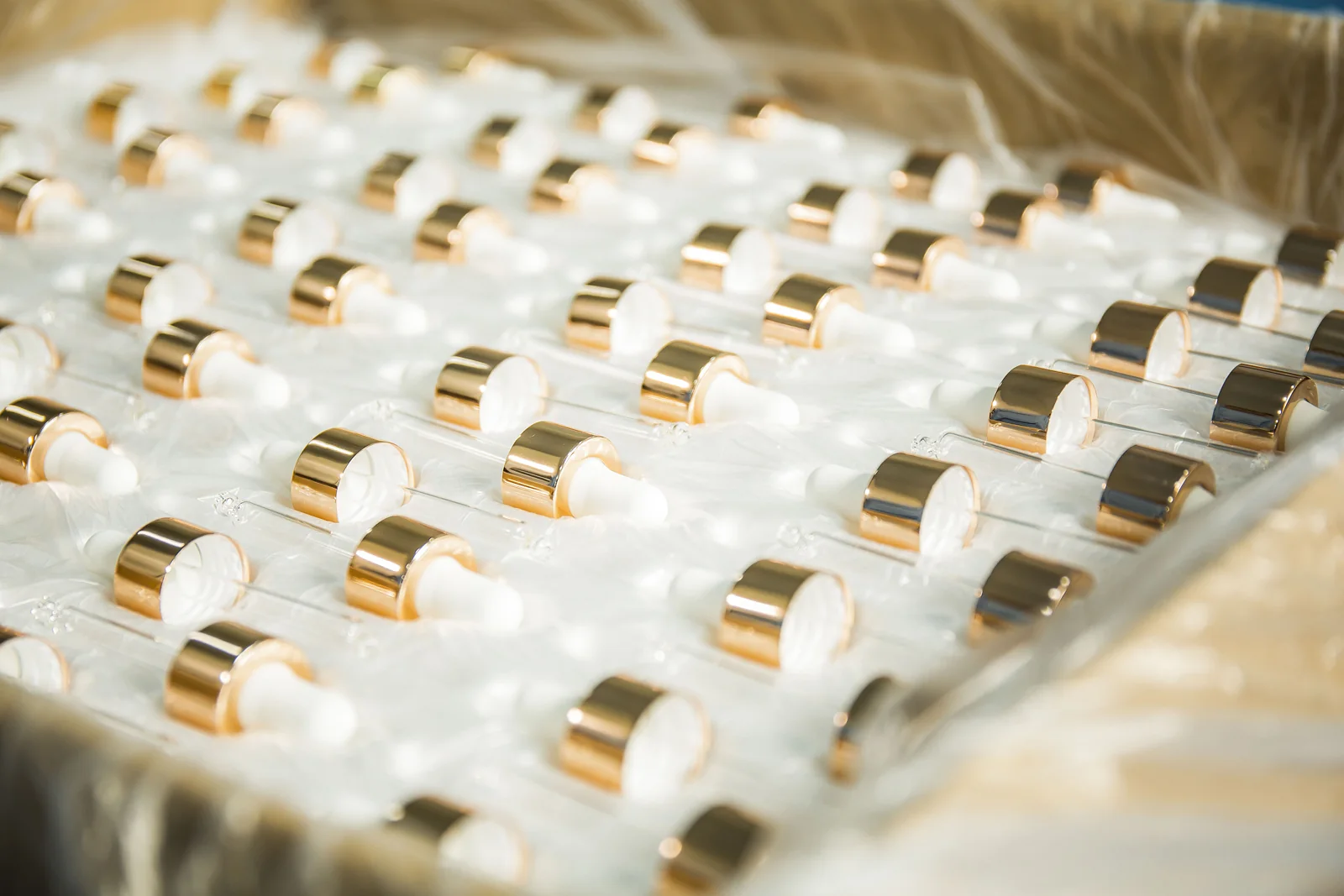
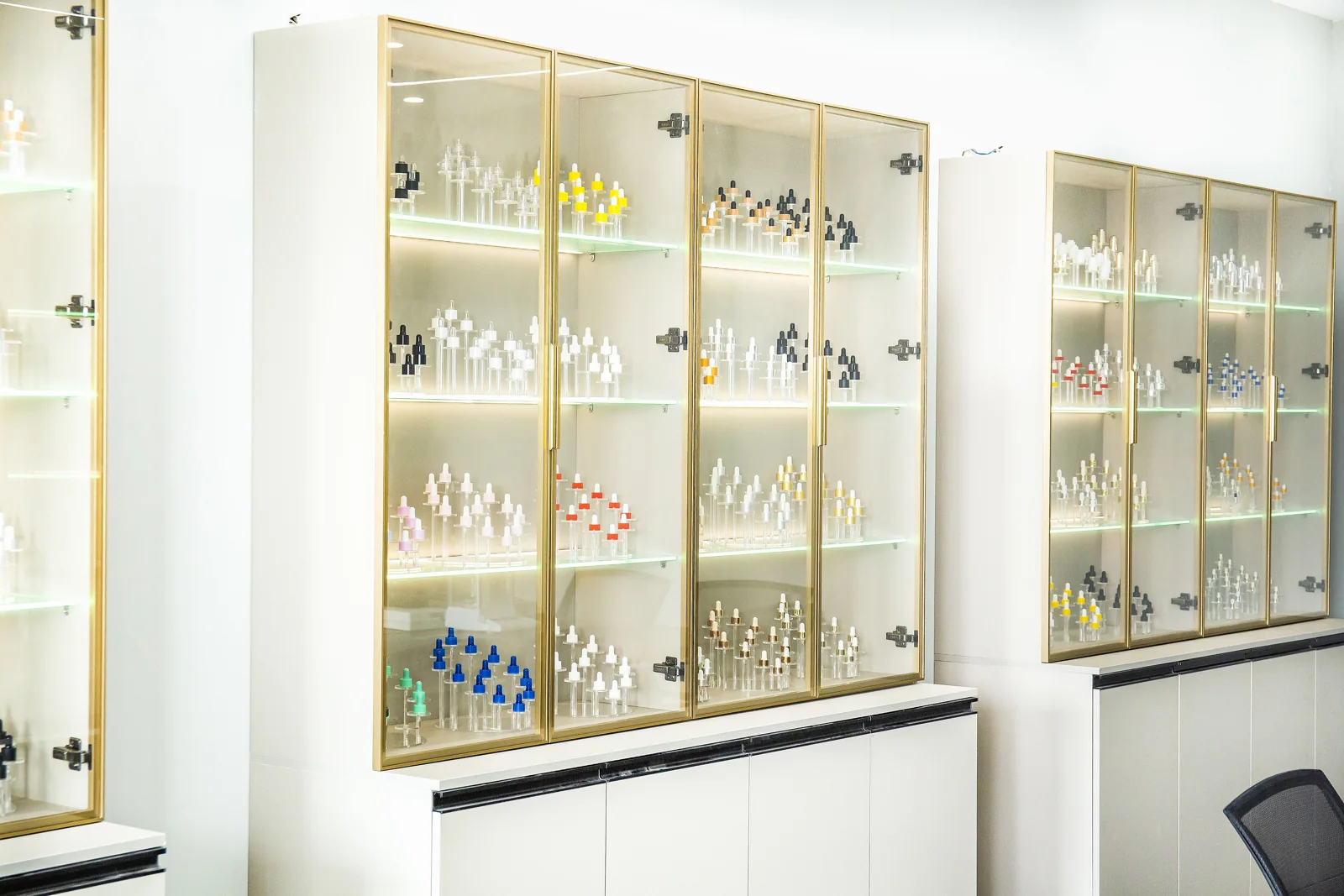
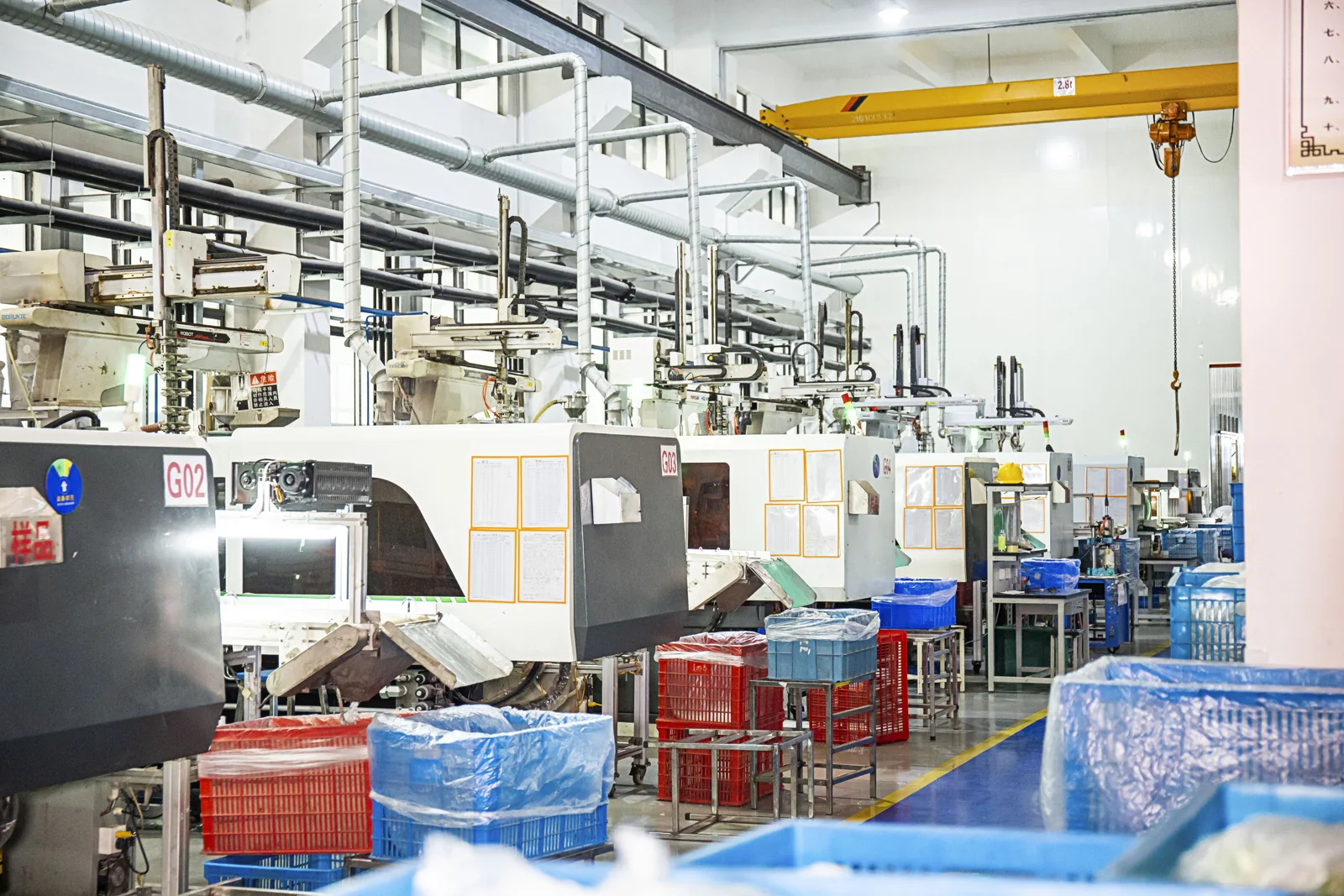
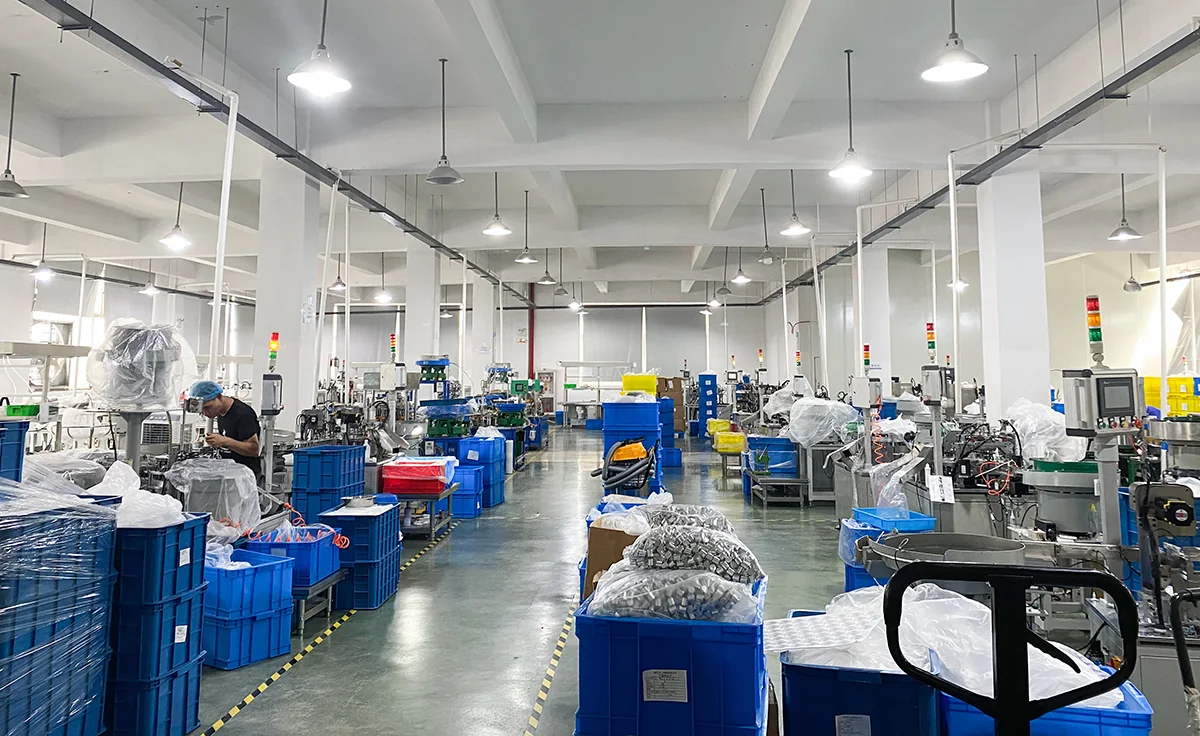
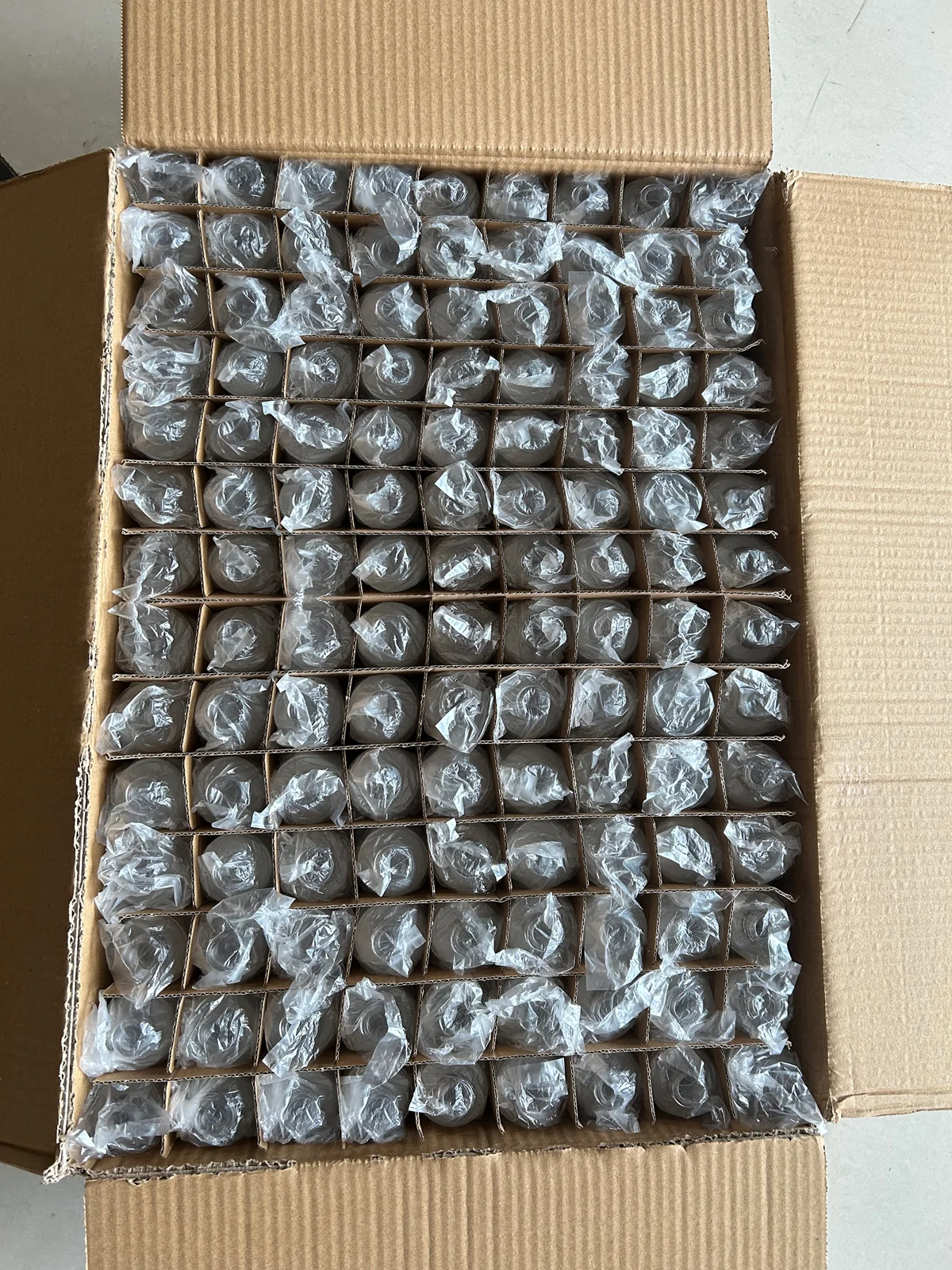
Cosmetic packaging samples displayed in the Oulete showroom.Row of injection molding machines in the Oulete workshop.Wide view of the Oulete packaging assembly workshop.Cosmetic containers separated by protective packaging inside a carton.
Research with AI
Paste this prompt into your assistant. Check its answer against the page and the approved packaging specification.