Serum Pump Bottles: How to Compare Residual Product and Usable Output
A serum pump bottle can leave product in the container, pump or dispensing path after a user can no longer obtain a useful dose. To compare product waste per pump, test the same serum in identified complete packages, define a realistic…
A serum pump bottle can leave product in the container, pump or dispensing path after a user can no longer obtain a useful dose. To compare product waste per pump, test the same serum in identified complete packages, define a realistic stopping point, and measure separately what is delivered, discarded during priming and left inside.
Ask for a sample-level mass balance rather than choosing a bottle from an evacuation percentage alone. A figure without the formula, starting fill, priming rule and endpoint does not tell you how much of your serum a customer can use. The procedure below is a project planning method, not an Oulete test result or a universal standard.
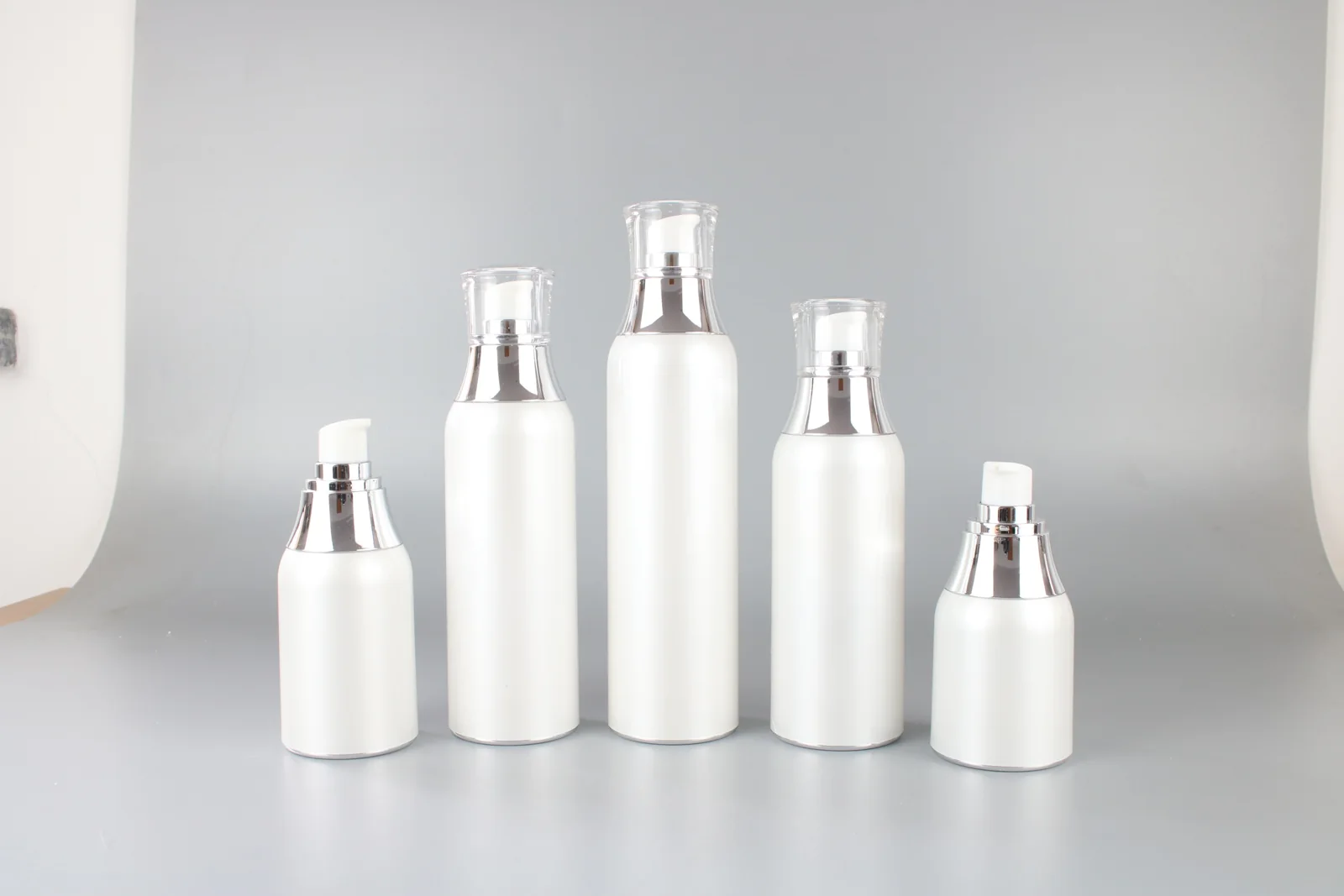
Historical Oulete-supplied samples shown as an appearance reference. The photo does not identify the pump mechanism, model, formula or residual performance.
Which number answers the buyer's question?
Residual product is material remaining in the specified assembly at the agreed end of use. Usable output is the material collected in the way the project defines as usable. They are related but are not automatically complements: product used or discarded in priming, leakage, deposits and unaccounted losses can sit between them.
For a brand promising a number of applications, the relevant question is not simply which sample has the lowest final residue. First decide what constitutes an acceptable application, whether priming product is usable, and whether the consumer is expected to continue after an irregular or partial dose. For a contract filler, record the actual assembly, formula, fill and capping conditions so that a good result is not assigned to a different version.
When a supplier advertises an evacuation rate, ask what was filled, what was collected, whether priming was included, and when testing stopped. A result for one formula or package cannot certify a different serum or component combination. Compare two candidates only after their test boundaries have been made equivalent or the differences are visible.
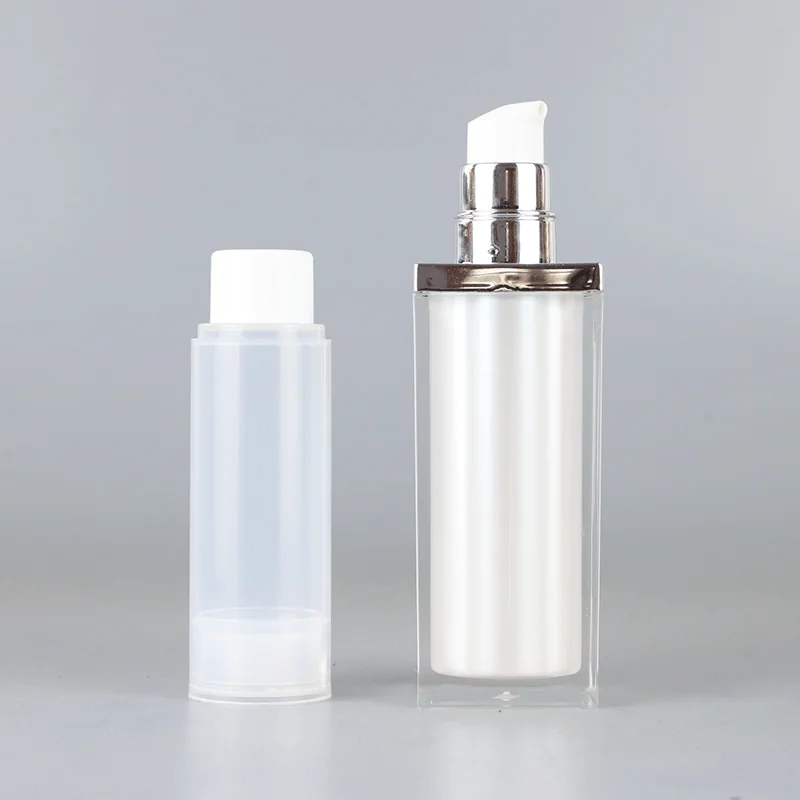
Oulete historical sample showing a bottle and separated components. Match the chosen assembly before comparing usable output.
Set up a fair serum pump comparison
Identify the complete candidates. Record bottle or reservoir, pump, actuator, cap, tube or other dispensing parts, version and lot where available. Ask whether samples represent the proposed production assembly. A bottle shape or marketing name does not identify its mechanism.
Keep the product comparable. Use the same identified serum version and preparation for both candidates, with a measured starting net mass for every sample. Record relevant conditioning and the filling and closing procedure. A test with water can be a separate screening observation, not the serum result.
Define what a user does. Agree orientation, full or partial stroke, interval between uses, collection method, and what happens if the dose becomes irregular. Specify how priming is recognized and whether that output counts as usable. Record a cycle sequence rather than relying on a single final weight.
Set the endpoint before the test. For example, a project can stop after an agreed sequence of actuations fails to deliver its defined useful dose. Record the actual criterion, not just “empty”. A different endpoint can change the result; there is no universal number of empty strokes implied here.
Plan independent samples. Test more than one independently filled assembly if the project needs to assess variation; agree sample count and acceptance limits before testing. Repeated strokes on the same bottle describe its dispensing history, not independent bottles.
Keep failures visible. A sample that stops early, leaks, or produces intermittent output needs its own identity and investigation. It should not quietly disappear from the comparison. For a no-output problem rather than an end-of-use comparison, use the airless dispensing investigation guide.
Oulete sample showing a pump container and separate vessel. The photograph is not an evacuation or residual-product test.
Measure residual product without losing the mass trail
The European Commission’s EU Ecolabel rinse-off cosmetics user manual describes a residual-quantity method using the mass of the full pack, the pack with its remaining contents and the emptied, cleaned pack. Its described procedures concern rinse-off cosmetics; they do not establish a mandatory endpoint for a leave-on serum pump.
For a project-specific adaptation, weigh the complete filled assembly before dispensing (M1), collect and weigh the designated priming and subsequent-use output, then weigh the same assembly at the agreed endpoint (M2). Remove remaining product and weigh the clean, dry assembly with the same components (M3), if the test team can clean it without altering the package mass or losing parts.
Under those conditions, initial product mass is M1 − M3; estimated residual is M2 − M3; and the residual fraction is (M2 − M3) ÷ (M1 − M3) × 100. Use the same unit for all weights. A zero or unreliable denominator, retained cleaning liquid, changed component set, product on the outside or evaporation can make the result misleading. Record the scale resolution and method limitations.
For each sample, reconcile initial product against measured priming output, collected usable output, quantified loss and final residual. Keep any unexplained difference as a separate balance gap. Investigate a gap that matters to the purchase decision; do not force it into “residual” or claim it is zero. The US9072876 dispensing-system patent describes restitution and dose-through-life in its own test context; its values and equipment do not establish performance for another pack.
Example: compare two shortlisted pump assemblies
All numbers in this example are hypothetical. They are not tests, quotations or Oulete product specifications. Suppose each assembly begins with 30 g of the same serum. Both follow the same defined use sequence and the two mass balances happen to close exactly.
Candidate A: 1 g collected during priming, 25 g collected during subsequent use, 1 g identified handling loss and 3 g remaining. Total: 1 + 25 + 1 + 3 = 30 g.
Candidate B: 0.5 g during priming, 27 g during subsequent use, 0.5 g handling loss and 2 g remaining. Total: 0.5 + 27 + 0.5 + 2 = 30 g.
A's residual is 3 ÷ 30 × 100 = 10%; B's is 2 ÷ 30 × 100 ≈ 6.7%. If priming material is discarded, subsequent-use output is 25 ÷ 30 ≈ 83.3% for A and 27 ÷ 30 = 90% for B. If the agreed user instructions make priming material usable, record that separately and recalculate the usable total. Do not call these results a general advantage of airless or dip-tube packaging: the example names neither mechanism.
Even in this example, B's higher collected mass is not the whole approval decision. Check dose consistency near the endpoint, leaks and the filled-pack compatibility plan; compare representative units rather than one convenient sample. Then include sample costs, unit price and any additional filling work in the commercial review. A lower residual percentage does not by itself establish a lower total cost or a longer shelf life.
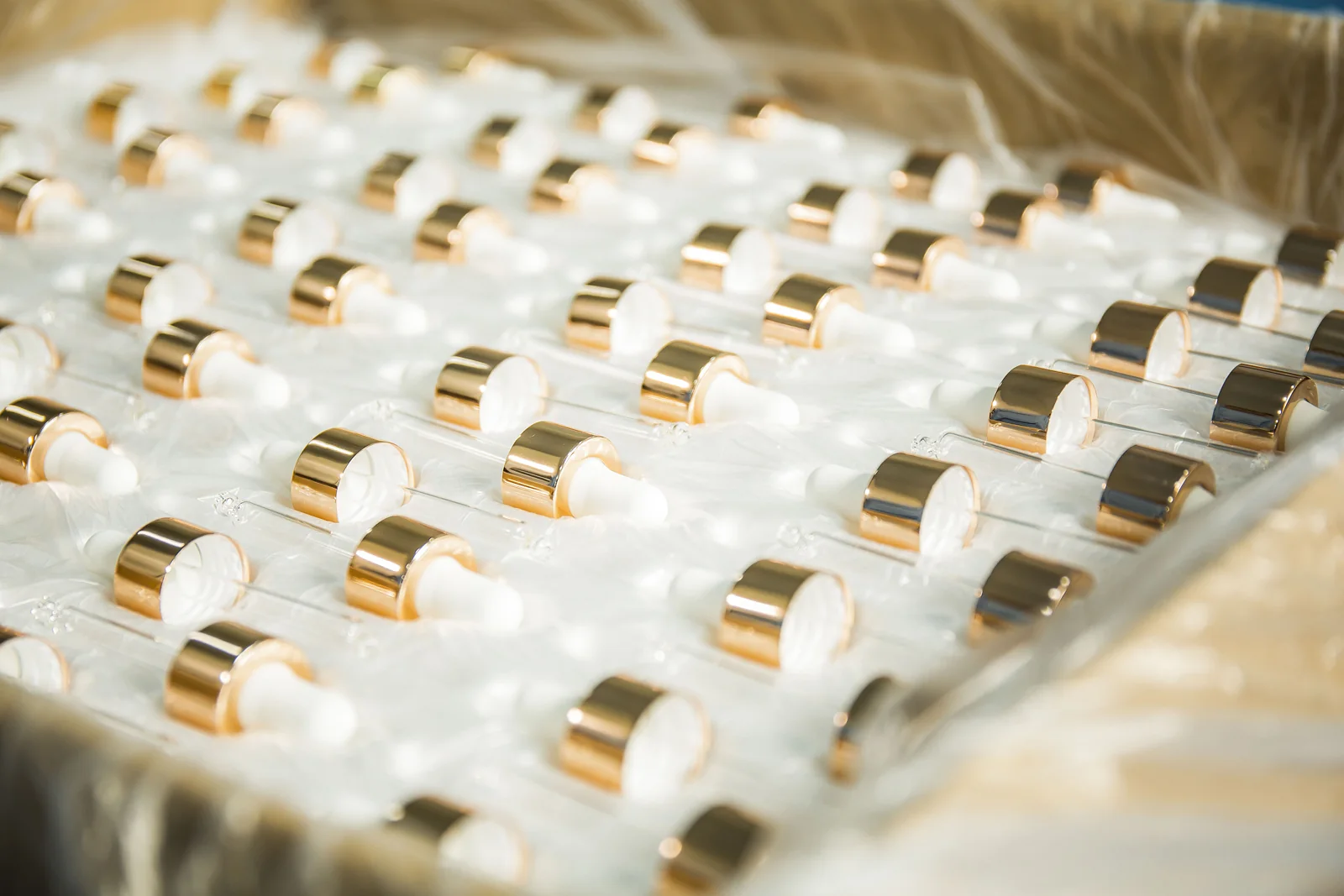
Oulete components arranged in trays. Component identification and the test record are needed before accepting an assembly.
Residual output and formula stability answer different questions; for a vitamin C formulation, plan the separate filled-pack stability assessment.
Turn the result into a supplier and filler decision
Put each report beside its quotation. The buyer should be able to match the result to a complete assembly and ask whether the quoted pump, actuator, reservoir and closure are the same as the tested sample. Record the formula reference, fill mass, endpoint, individual specimen results, number of actuations, priming treatment, observed losses and the test conditions. Identify the person or team responsible for approving deviations.
If a later offer changes the pump, reservoir, tube, filling method or formula, identify the changed configuration and ask the technical owner whether the previous data still applies. A similar looking sample does not establish equivalence. The serum packaging overview can start the format conversation; sample availability and complete configuration for an Oulete enquiry need project-specific confirmation.
“We are comparing [candidate A] and [candidate B] for [serum reference] at [measured target fill]. Please identify the complete proposed assemblies and provide representative samples. For any evacuation or residual claim, state the formula, fill basis, priming treatment, orientation, actuation sequence, end-of-use criterion, sample count and individual results. Please separate delivered output, priming collection, handling loss and residue, and identify any unmeasured balance gap. Confirm who will perform the test and what each quotation includes.”
Questions about serum pump evacuation tests
Does 90% evacuation mean 10% unusable residue?
Not without the report's definitions. The denominator, priming treatment, losses and endpoint determine what the percentage describes.
Can a water test predict serum evacuation?
A water test can be a separate initial observation; it cannot establish performance with a different formula. Compare the selected assemblies with the intended serum and documented conditions.
Is a low residual result a leak or compatibility pass?
No. Residual amount, liquid sealing and formula compatibility answer different questions. Agree the separate evaluations for the selected filled pack.
Photographed at Oulete
From the sample room to packed containers
See the facility and visible operations behind a packaging enquiry. For your selected assembly, ask which steps apply and request the corresponding sample and inspection records.
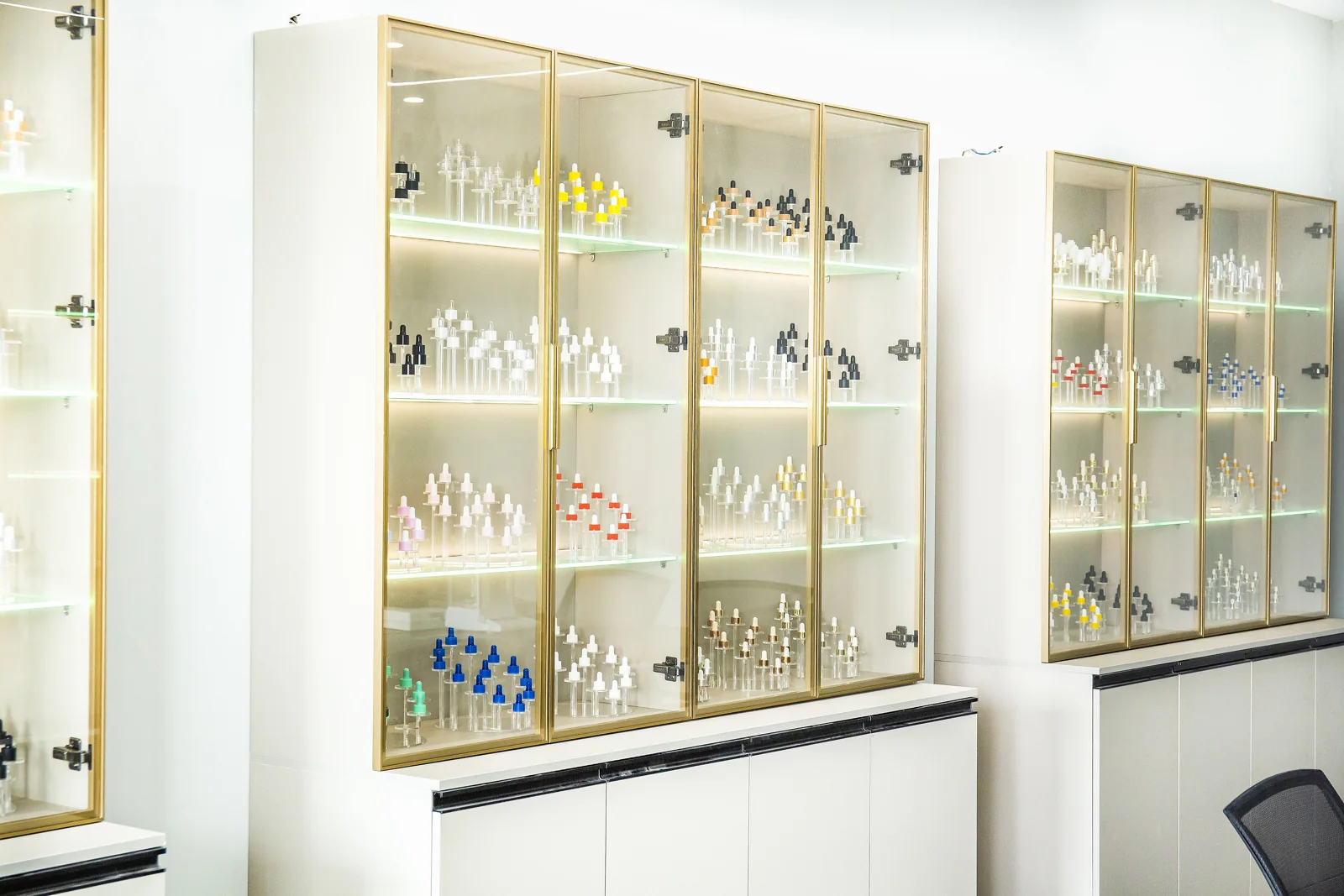
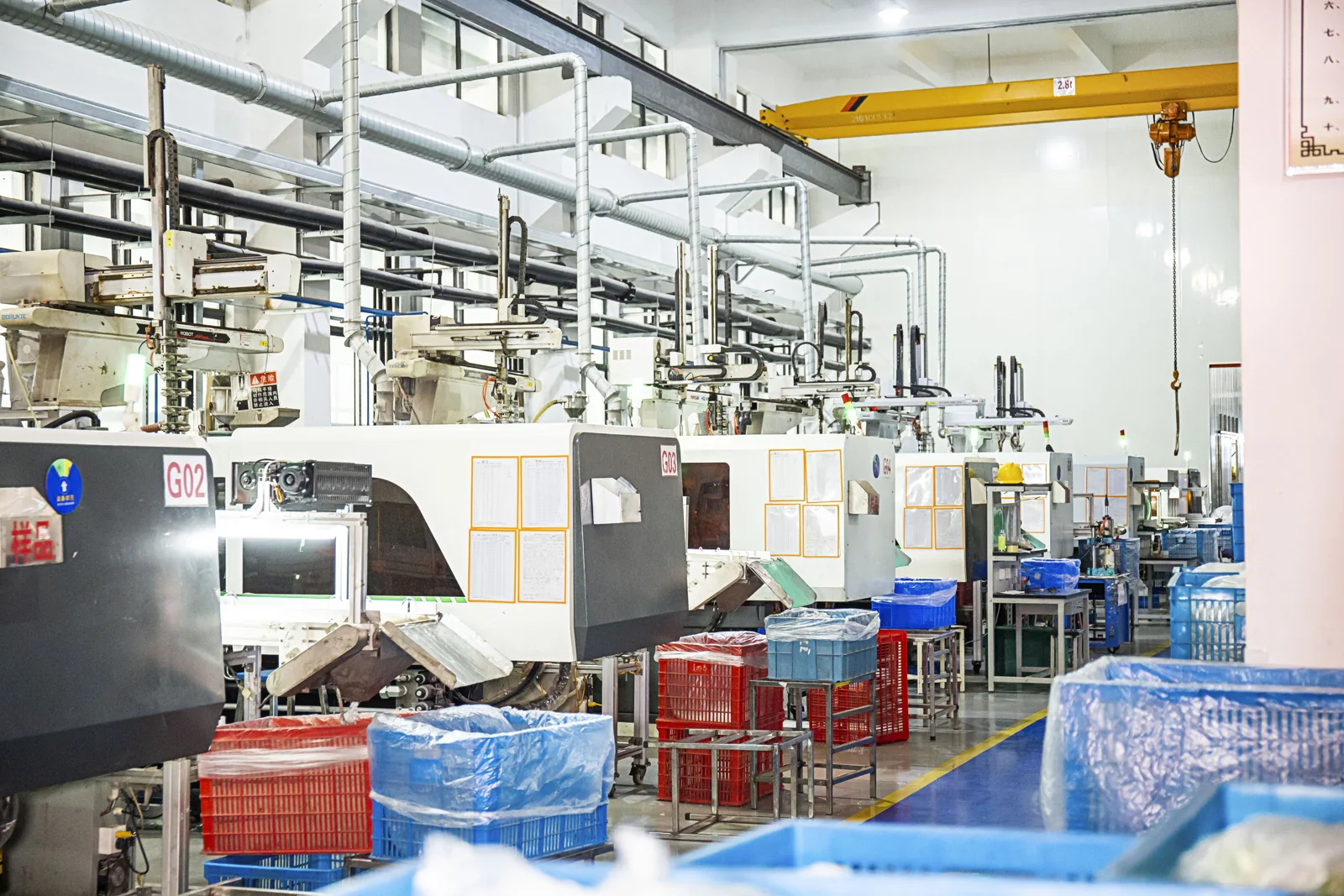
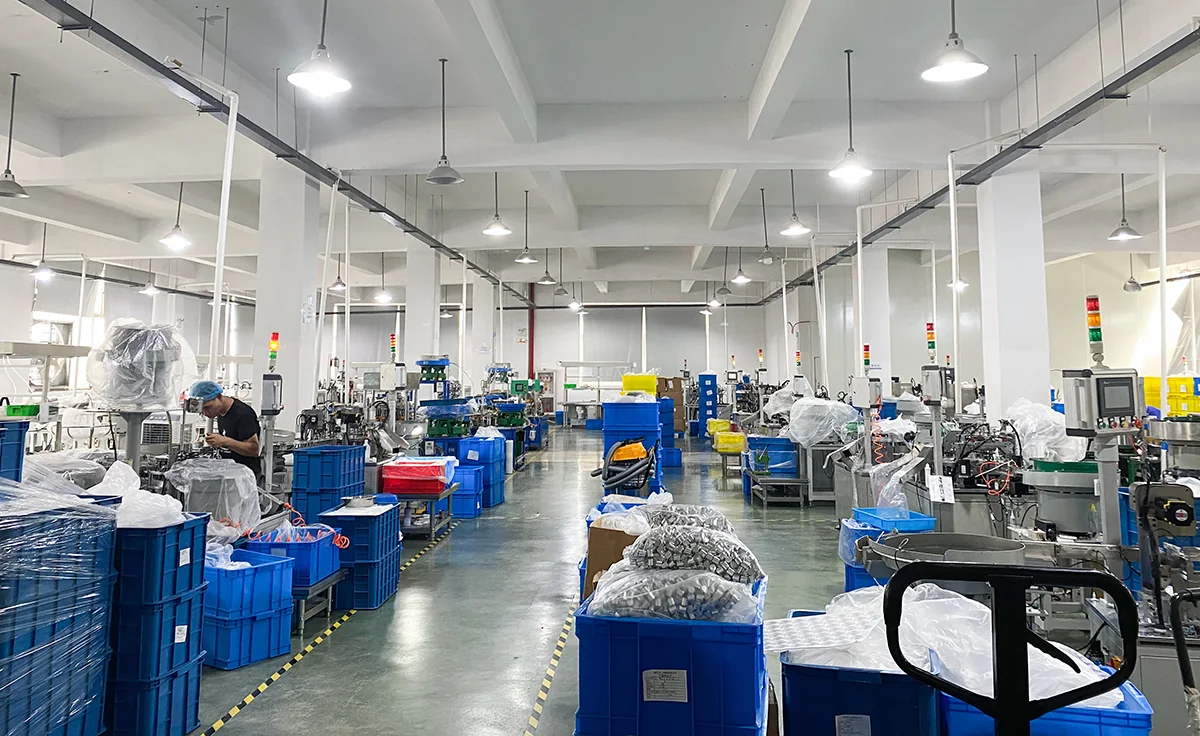
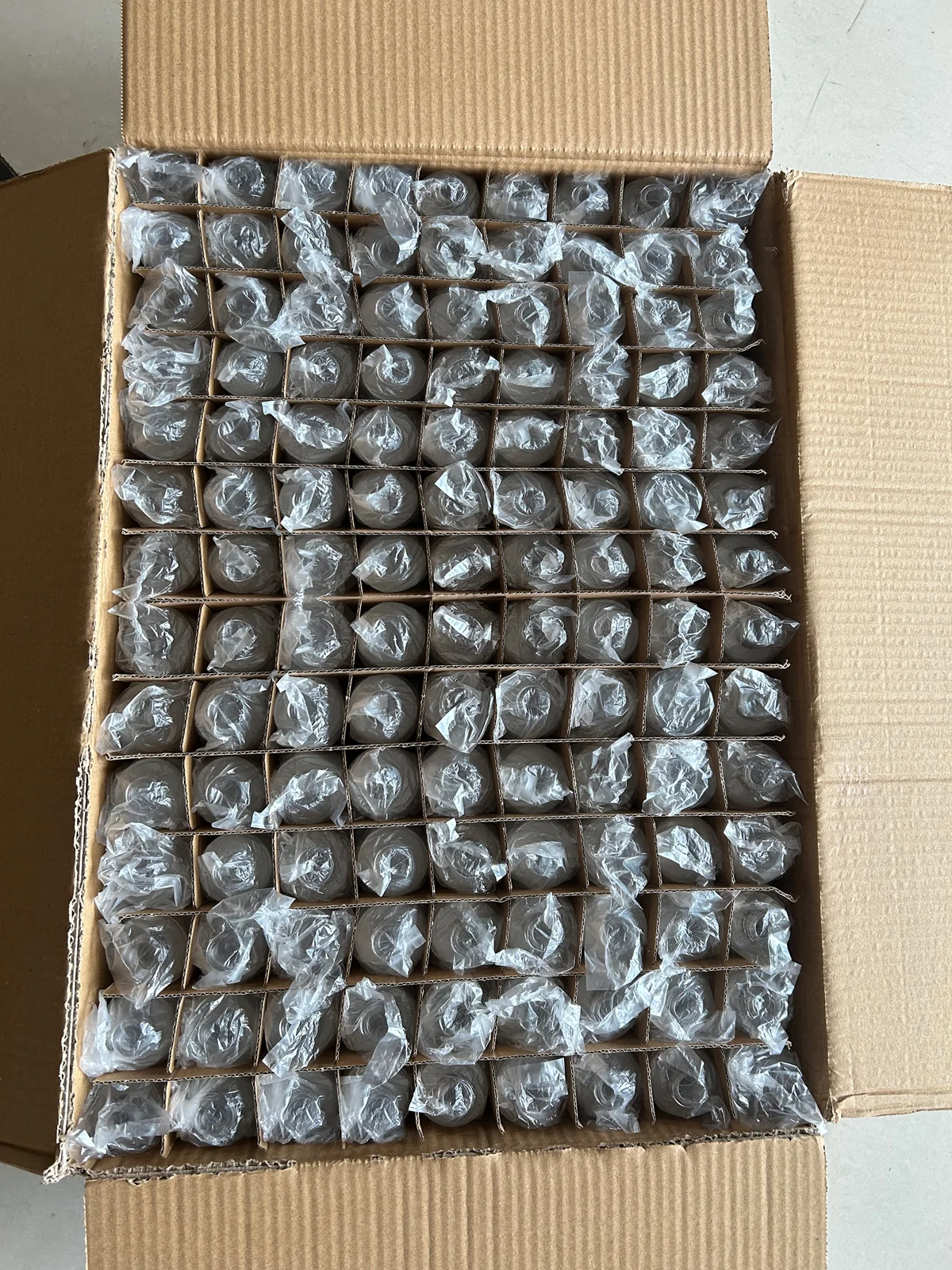
Cosmetic packaging samples displayed in the Oulete showroom.Row of injection molding machines in the Oulete workshop.Wide view of the Oulete packaging assembly workshop.Cosmetic containers separated by protective packaging inside a carton.
Research with AI
Paste this prompt into your assistant. Check its answer against the page and the approved packaging specification.