100 g Toothpaste Tubes: Read the Size, Layer and Cap Specification
There is no single tube size that every 100 g toothpaste needs. The label states a mass; the tube must hold the volume occupied by the particular formula and still leave the open tail required for filling and sealing. Diameter, length…
There is no single tube size that every 100 g toothpaste needs. The label states a mass; the tube must hold the volume occupied by the particular formula and still leave the open tail required for filling and sealing. Diameter, length, laminate, shoulder, cap and filler tooling are separate decisions.
Use this guide to compare quotations and prepare one candidate pack for the formula owner and contract filler. Product-page dimensions are examples, not a substitute for a filled-pack trial or a drawing with measurement points.
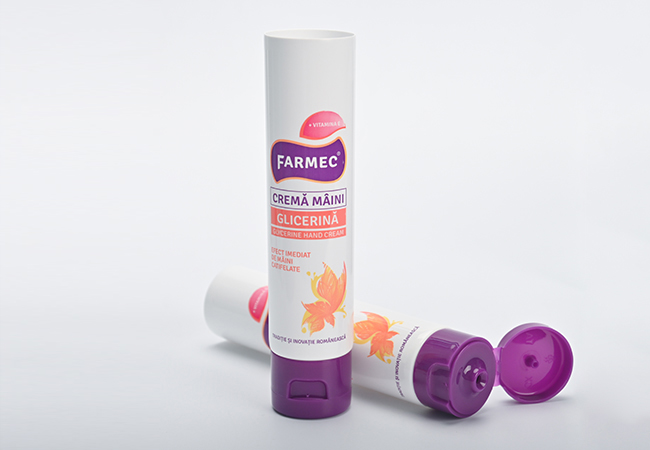
Historical Oulete sample illustrating open and closed flip-top presentation. Its photo does not establish a 100 g capacity, laminate construction, oral-care suitability or current availability.
Convert 100 g into a starting fill volume
Obtain the density of the actual formula at a stated temperature and condition from the formulation owner. A planning estimate is fill volume = target net mass ÷ density, using compatible units. For example, if a formula is assumed to have a density of 1.25 g/ml, 100 g would occupy approximately 80 ml. That density is hypothetical; it is not an Oulete measurement or a recommendation for toothpaste.
Do not use the resulting 80 ml as the tube's required empty capacity. The selected tube must also suit the filler's method and leave the tail and seal area specified by the tube maker and filler. Aeration, temperature and batch variation can change the volume presented to a filling machine. Measure the actual product and confirm net-mass control with the filler; the headspace and unfilled length need a pack-specific decision.
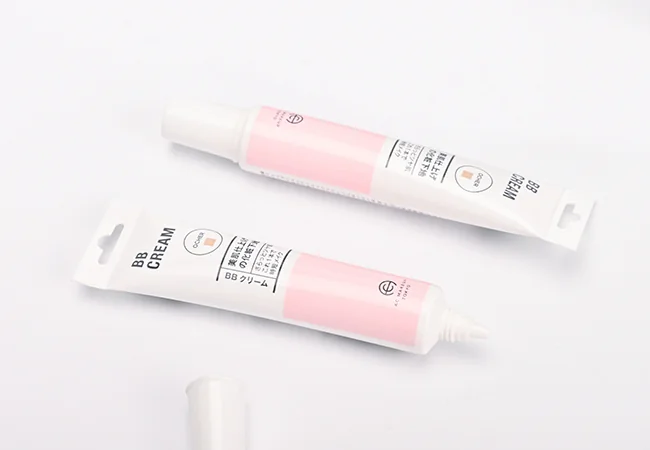
Oulete historical cosmetic-tube samples illustrating exterior shape. This image does not establish the dimensions or toothpaste capacity.
Compare dimensions only after defining the datum
A SanYing 100 g ABL listing and a second SanYing listing illustrate the problem: the listing whose material field reads ABL275 gives a 30 mm diameter and 155.6 mm length, while the listing whose material field reads ABL250/12 gives 28 mm and 165.1 mm. The D30 listing calls for a flip-top; the D28 title calls it a Fez cap while its components table also lists screw, flip-top and snap-on options. The buyer must identify which closure is actually included in the quoted sample and drawing. These are third-party listings, not Oulete dimensions. The available descriptions do not establish equivalent measurement datums or approval for your formula.
Before comparing two offers, ask each supplier for a drawing that marks:
body outside diameter and its measurement location;
length endpoints, including whether the measurement is on the empty, open tube or finished sealed tube and whether the shoulder and cap are included;
minimum open-tail region for filling and sealing, artwork orientation and code position;
neck, opening and closure mating features; and
dimensional tolerances and the revision used for the samples.
A shorter, wider tube may alter how it fits a machine holder or carton; a longer, narrower one may alter nozzle reach or presentation. Those are checks to perform on actual samples, not guarantees that either listing will fit a specific line.
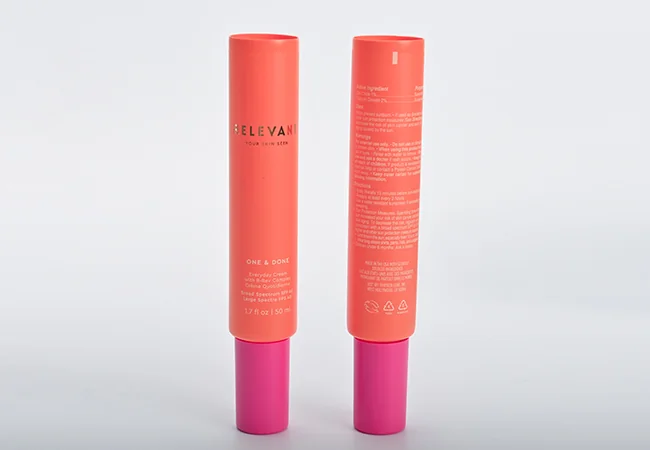
Oulete cosmetic-tube samples shown externally; the layer structure and product-contact suitability cannot be determined from this view.
Read the tube structure, not only “ABL” or “recyclable”
A specification should identify the product-contact layer, barrier layer where applicable, shoulder, any seal membrane and closure materials. ABL and PBL describe broad laminate families; the abbreviation alone does not disclose every layer, bonding material or suitable formula. Ask for a cross-section and material identification for the proposed revision, and request documentation needed by the formulation owner to assess compatibility.
As a separate manufacturer example, Neopac describes Polyfoil MMB as a PE body with an MDO-PE/EVOH barrier, HDPE shoulder and HDPE screw or flip-top closures; its listed applications include toothpaste. This is Neopac’s construction, not the SanYing layer stack or an Oulete specification. Ask for the exact product-contact layer and current supporting documents before comparing either proposal.
Discuss flavor retention, moisture and oxygen protection with the supplier and laboratory for the complete pack. Compare relevant test methods and conditions only when they match the actual tube, cap, product and distribution scenario. A material supplier's advertised barrier positioning is not a test result for this tube or a shelf-life claim for your toothpaste.
If recyclability is a project requirement, ask for the exact construction and the applicable assessment, market and collection context. Do not infer that an entire assembled tube is recyclable simply because one layer or component is described that way.
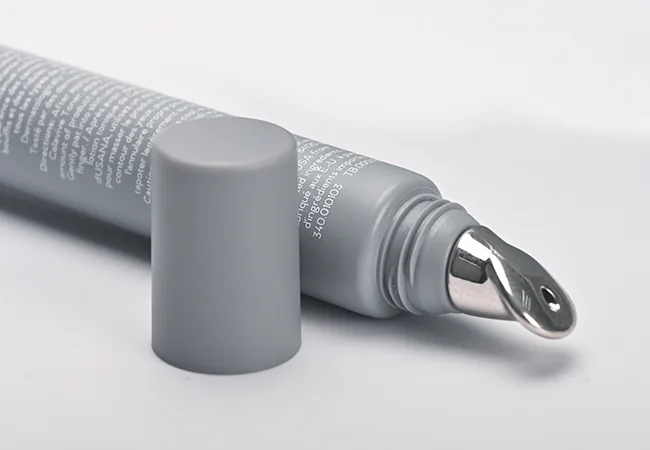
Oulete historical cosmetic-tube sample showing a cap and applicator interface. This is not a toothpaste sample or a filling-line qualification.
Resolve the cap, orifice and opening before sampling
A flip-top or screw cap must fit the proposed shoulder and orifice, provide the requested first-opening experience and work in the intended filling and packing line. Ask the supplier to mark whether a membrane is present, how it is opened, whether a closure has a seal insert or retaining feature, and which parts touch the product. Catalog pages may present several closure styles as options; a headline or a photo does not identify the closure shipped with your quotation.
Approve the exact cap, tube shoulder, orifice and any membrane as one assembly. Evaluate opening, dispensing, reclosing, orientation and leakage on actual samples with the formula. Define who sets the acceptance criteria and records defects; do not reuse a numeric torque, force or leak limit from an unrelated pack.
Decide which sample to send to the filler
D30 / listed material ABL275: the listed flip-top and larger body diameter make it a defined first candidate, but the listing does not establish the length datum, internal contact layer, approved fill mass for your formula or line fit. Ask the supplier for those details and a matching physical assembly before the filler screens it.
D28 / listed material ABL250/12: the narrower listed body and longer listed length are a different proposal, not a drop-in substitute. Resolve the Fez-versus-other-cap wording, confirm the selected cap and drawing revision, and check holder and nozzle fit with the filler. The material field alone does not disclose a complete layer stack or finished sealed height.
For either option, the filler and brand should agree the tube's supplied state, actual formula, net-mass check and finished seal criteria, then review a representative trial. Record the selected supplier reference, cap, tube and formula versions with the outcome; a pilot does not establish shelf life. Our tube filling and sealing handoff explains the general line interfaces in more detail.
If considering a collapsible metal tube, discuss the cap, membrane and fold with its supplier and filler; it is a different construction from the laminate examples above.
Send one clear request to both supplier and filler
Include intended product and market, target net mass and measured formula density with its conditions, desired cap and first opening, artwork, estimated production quantity, and the filler's line constraints. Request a dimensioned open-tube drawing, laminate cross-section, component list, samples, test information, quotation and project-specific minimum quantities. Ask each party to identify what it will verify and what remains unconfirmed.
Ask the proposed tube supplier and filler to confirm the selected construction, closure, samples and terms for your project. No test result or capacity is established by the illustrative historical photograph.
Frequently asked questions
Does 100 g of toothpaste require a 100 ml tube?
Not necessarily. Net mass must be converted using the density of the actual formula under stated conditions. The tube also needs the space required for the selected filling and sealing process.
Are ABL and PBL tube labels enough to approve the package?
No. Ask for the selected construction’s layer and product-contact information, shoulder and closure details, and formula-specific assessment. The family abbreviation alone does not identify every layer.
Can two tubes labelled 100 g run on the same filling line?
Not automatically. Compare the drawings, measurement endpoints, open-tail state, cap and shoulder, then ask the filler to check actual samples against its holder, nozzle and sealing equipment.
Photographed at Oulete
From the sample room to packed containers
See the facility and visible operations behind a packaging enquiry. For your selected assembly, ask which steps apply and request the corresponding sample and inspection records.
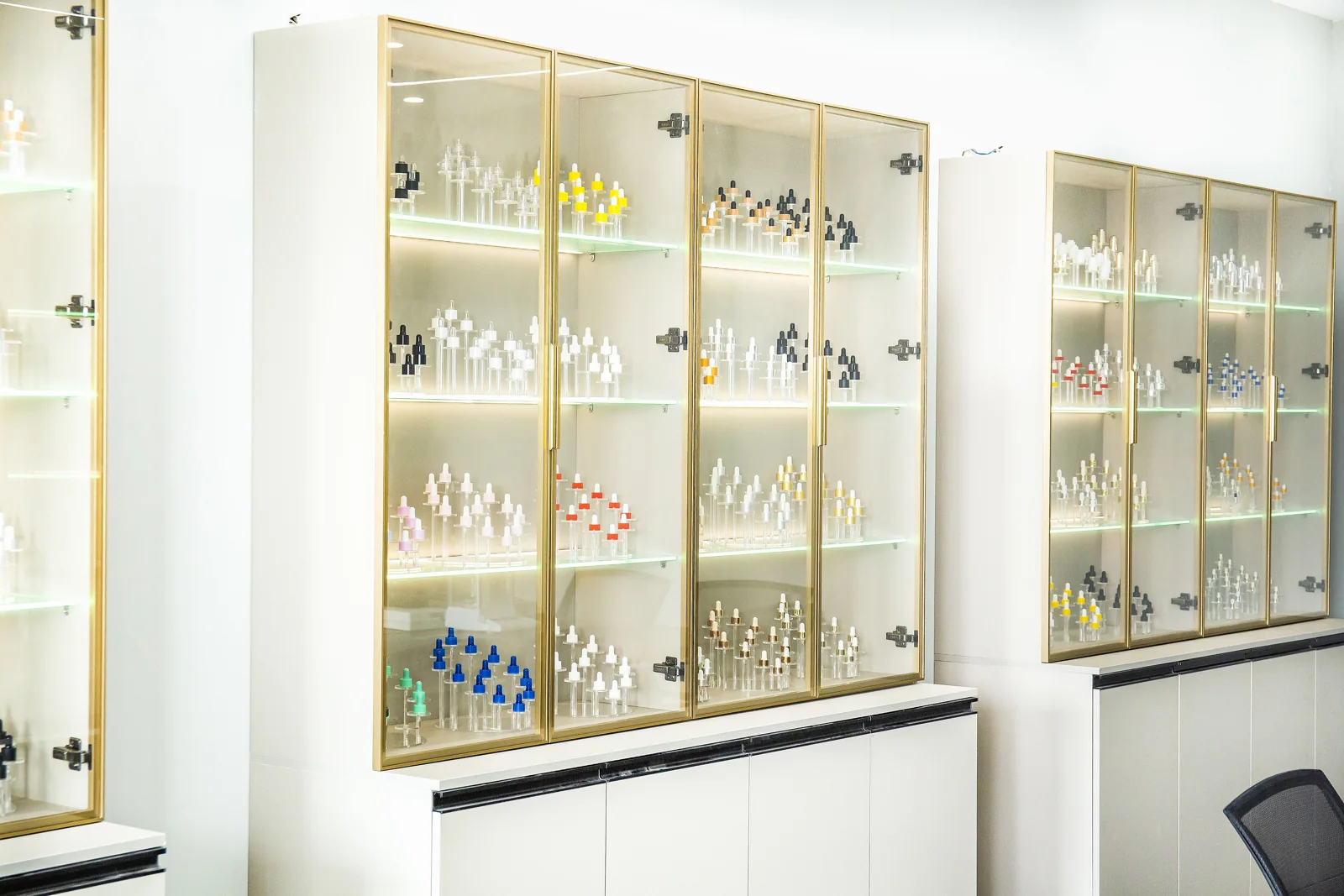
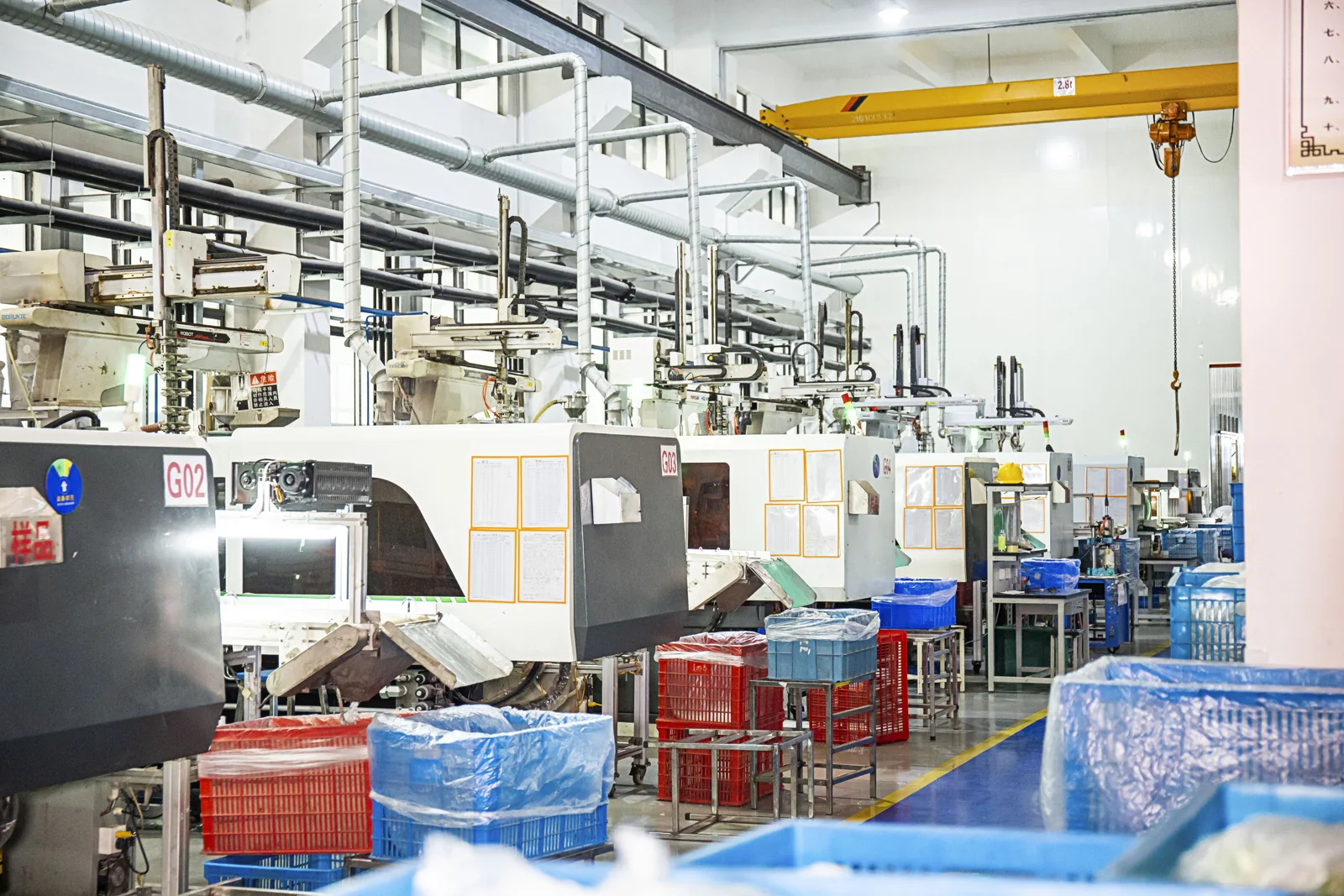
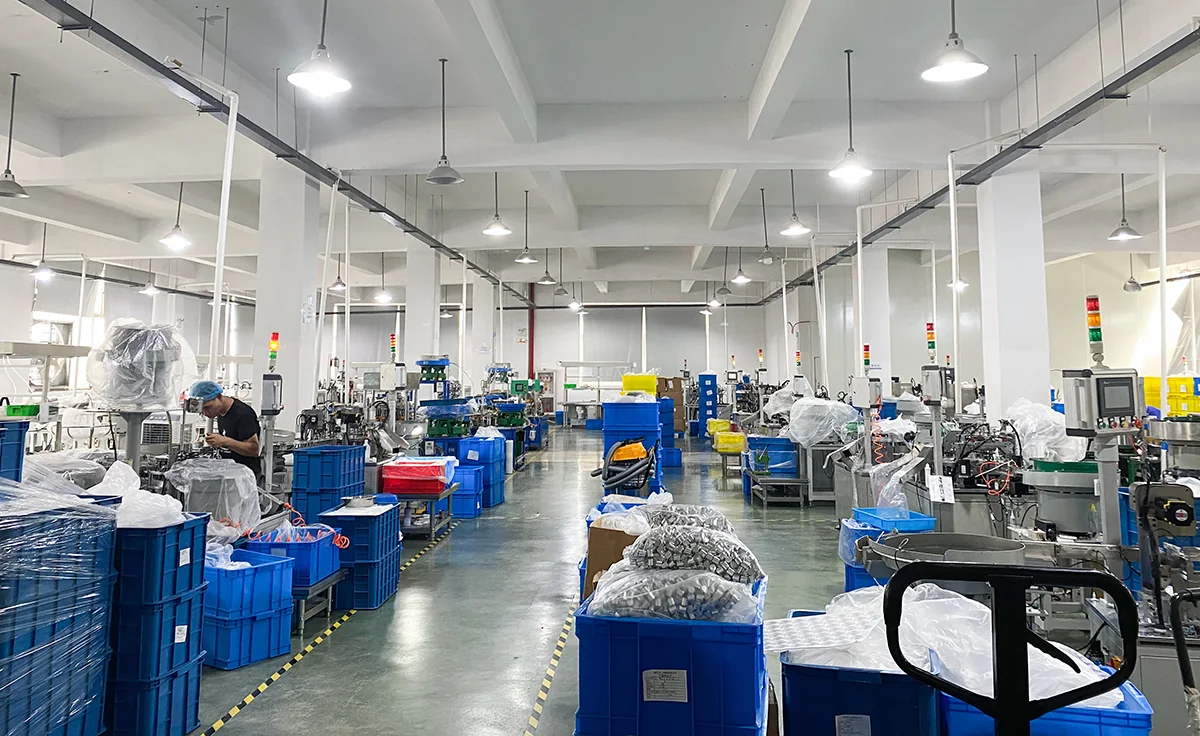
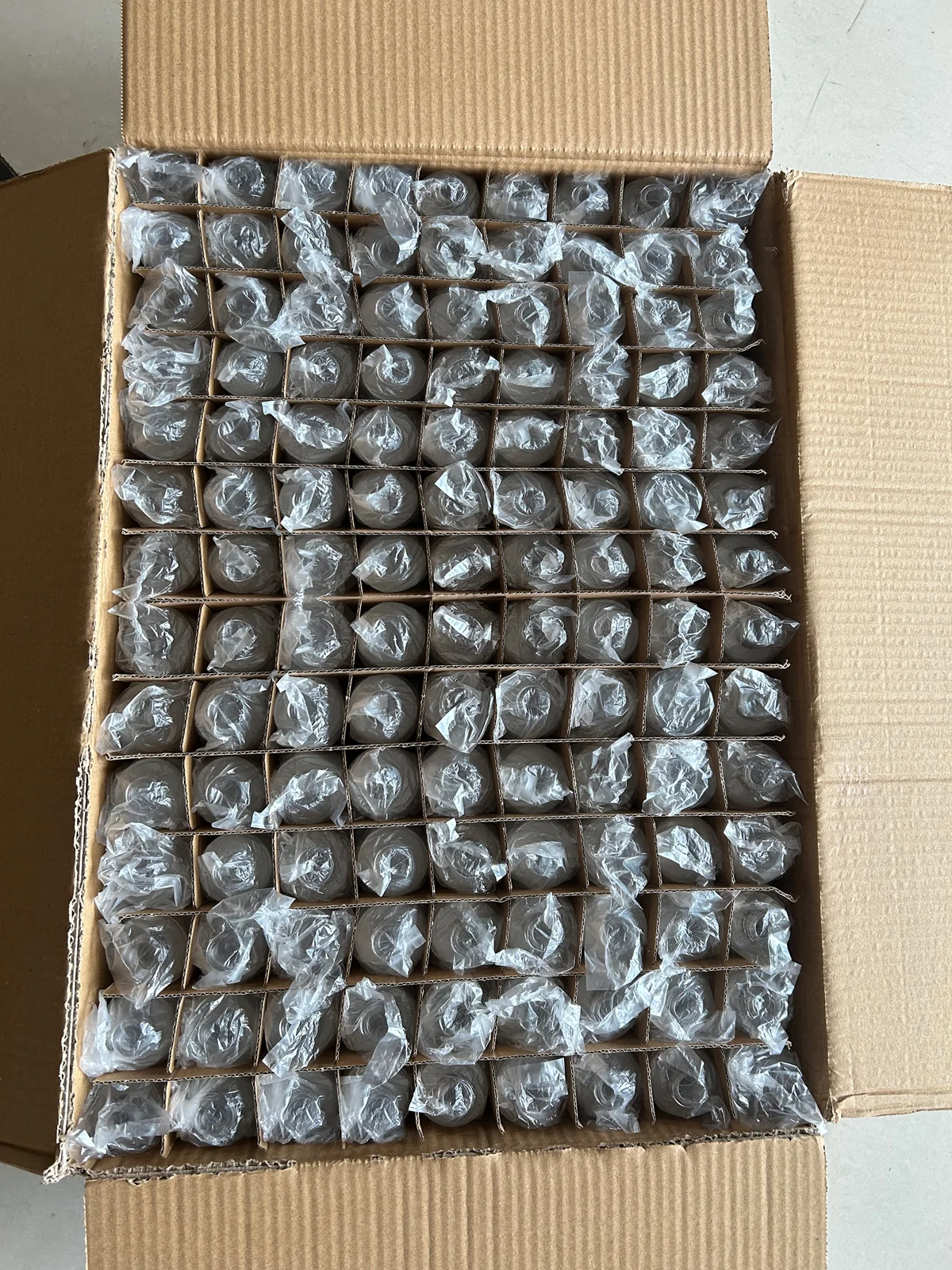
Cosmetic packaging samples displayed in the Oulete showroom.Row of injection molding machines in the Oulete workshop.Wide view of the Oulete packaging assembly workshop.Cosmetic containers separated by protective packaging inside a carton.
Research with AI
Paste this prompt into your assistant. Check its answer against the page and the approved packaging specification.