Collapsible Aluminium Tubes: Cap, Membrane and Fold-Crimp Handoff
A collapsible aluminum tube is not ready to order just because its capacity and cap look right. The buyer has to connect four decisions: the formula-contacting lining, the neck and opening, the cap assembly, and the open tail that the…
A collapsible aluminum tube is not ready to order just because its capacity and cap look right. The buyer has to connect four decisions: the formula-contacting lining, the neck and opening, the cap assembly, and the open tail that the contract filler will close. A mismatch at any one interface can make an otherwise attractive sample unusable.
Use this guide to prepare one drawing and one physical sample set for the tube supplier and the filler. The checks below are a purchasing workflow, not a claim that a particular tube, coating or filler setting has passed testing.
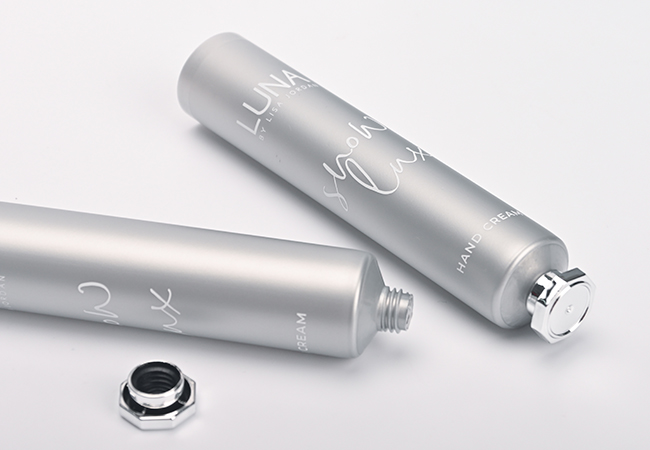
Historical Oulete sample showing a tube neck and detached cap. The photograph alone does not establish the tube body material, lining or current availability.
Start with the complete pack, not the cap alone
Write the target product, nominal fill, expected fill temperature and distribution conditions alongside the proposed tube. Share a formulation summary and relevant compatibility information privately with the supplier and testing laboratory. Identify who owns the tube, cap, any nozzle or ring, and the finished-pack specification; a cap bought separately still needs a verified fit with the exact tube neck.
Neck and orifice: request a dimensioned drawing, thread designation, opening shape and the component revision to which it applies. “Fits a 25 mm tube” describes body diameter, not a neck interface.
Cap assembly: identify cap type, seal surface and any ring, nozzle, insert or retaining feature. A flip-top, a screw cap and a tamper-evident closure are different assemblies even when they appear similar.
Tail: identify whether tubes arrive open and the fold and sealant intended for the filler. The supplier's tube length must leave room for the filling and folding operation, not just the product.
If a cap must remain attached after opening, state exactly what “retained” means: for example, attached to the neck while the consumer opens the dispensing lid, or attached after the tamper-evident feature is broken. Mark the retaining element on the drawing. Ask for the closure maker's opening and retention test method and acceptance limit, then have the brand and filler agree them for the actual assembly. Do not assume that a tether, hinge or tamper band serves the same purpose.
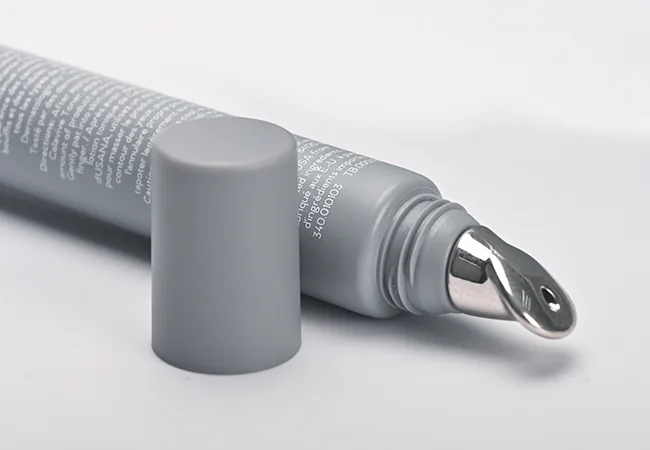
Oulete historical cosmetic-tube sample illustrating a cap and applicator interface. The photograph does not establish tube construction or a specific aluminium specification.
Choose an opening and check the matching closure
A membrane offers an opening that must be pierced or removed; an open orifice dispenses without that step. Decide whether the consumer should puncture a membrane with a feature inside the cap and confirm that the puncture feature actually reaches the membrane without damaging the opening or shedding unwanted material. If a nozzle controls dispensing, add it to the same assembly drawing; check its fit and that the cap closes over it.
For a concrete example of why the entire interface matters, LINHARDT's aluminium-tube data sheet lists several openings and specifies that its M13/7 option uses a plastic nozzle or ring. That is a LINHARDT configuration, not an Oulete specification or evidence that another supplier's M13/7 parts are interchangeable. Request drawings and mating samples for the chosen versions before placing an order.
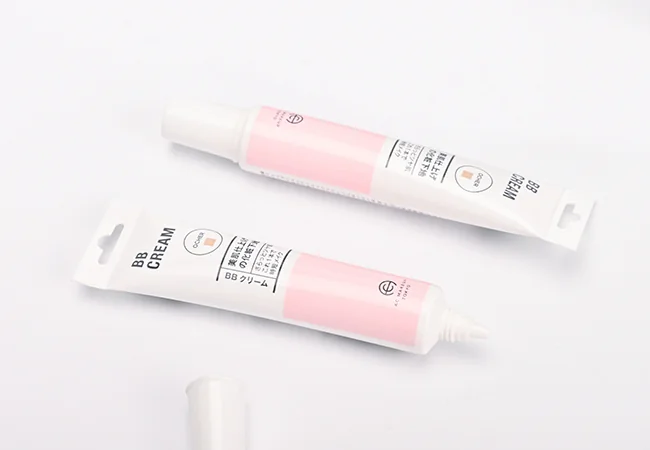
Oulete cosmetic-tube samples shown as an exterior reference. Construction, product-contact lining and tail-seal requirements need separate confirmation.
Separate product-contact lining from the tail seal
The inside coating contacts the formula; a tail sealant helps the folded end close. They are distinct. TUBAPACK describes interior lacquer choices, an unlined option and a latex strip at the inner edge. These describe that manufacturer's options and do not establish which lining or sealant Oulete can supply.
Ask the tube supplier to identify the proposed internal coating and its coverage, including the shoulder and fold area, and disclose the relevant contact materials to the party assessing the formula. Compare coating, unlined and other options only with the formulation owner and supplier; neither “aluminum” nor a supplier's generic coating description proves compatibility.
For samples, document the formula version, tube and closure revisions, fill and storage conditions, orientation and duration. Inspect both product and pack for changes such as discoloration, odor, coating damage or leakage. Agree the protocol, limits and responsibility with the brand and an appropriate laboratory before the trial. A preliminary observation is not a shelf-life or barrier guarantee.
Give the filler an open-tail and fold specification
Send a dimensioned pre-fill drawing showing the tube body, neck, cap, open end and length measurement points. Mark the intended folded-end type, sealant where applicable, artwork orientation and the position of the finished fold relative to the printed design. Ask the filler to check its tube holder, filling nozzle clearance, coding area and folding tooling against that actual sample, then approve a filled and folded pilot.
Example, not a production instruction: in LINHARDT's table a 50 ml cylindrical tube at 25 mm diameter is listed at 135 mm for a double fold. Its row adds 5 mm for a triple fold and 11 mm for a saddle fold: 140 mm or 146 mm respectively by calculation. LINHARDT says the lengths are nonbinding and the filler/customer determines the required length. The example is not a design dimension, tolerance or Oulete offer. Verify the supplier's definition of length, fill volume and fold with a physical sample.
During a pilot, inspect whether the tail is clean before folding, whether the fold is complete and aligned, and whether the finished pack remains closed through the agreed handling and leak checks. Record the trial conditions, lot and defects; agree corrective action with the filler before re-running. Do not transfer a folding setting from an unrelated tube.
Worked decision: keep an existing cap on a 50 ml proposal
Consider a buyer who wants to retain an existing screw cap while sourcing a 50 ml nominal-fill collapsible aluminium tube with a membrane. This is a hypothetical purchasing decision: the cap's part number, dimensions and suitability are not known here. Start with the existing cap drawing, sealing surface, puncture feature if any, material list and a physical reference. The supplier must confirm fit and function with an actual neck and membrane; matching a thread label alone is not approval.
Compare the neck candidates against that cap. In LINHARDT's matrix, 25 mm body diameter is shown for M11/7 and M13/7. Its M13/7 entries require a plastic nozzle or ring. That added part may alter the cap interface; it is not evidence the existing cap will fit. Ask for the applicable neck drawing and samples of the complete proposed ring/nozzle, membrane and cap. If the retained cap cannot seal or pierce the chosen configuration, resolve the mismatch with the parties before approving any order.
Resolve formula contact separately from closure fit. Identify the proposed tube lining and its coverage, plus every contact component in the neck assembly. TUBAPACK's published choices distinguish inner lacquer from the latex tail strip, but its options do not identify the coating or sealant in the LINHARDT configuration. Request the selected supplier's own records; do not combine different manufacturers' catalogues into an assumed bill of materials. Agree formula-specific compatibility assessment with the product owner.
Give the filler the conditional length case. LINHARDT lists a 50 ml, 25 mm cylindrical tube at 135 mm for its double-fold table; the listed additions for a triple or saddle fold give 140 or 146 mm, respectively. These are nonbinding source examples, not interchangeable order dimensions. The filler/customer determines the required length and fold for the actual tube, fill, tooling and drawing. Ask whether a tail sealant is required and which exact strip and placement the selected tube supplier proposes.
Release only the joined configuration. The tube supplier documents neck, membrane, lining and open-tail state; the cap supplier identifies the retained cap revision; the filler checks the sample and selected fold; and the brand agrees the formula and acceptance criteria. Record discrepancies and approve a complete filled sample using the agreed method. If the existing cap fails, the buyer must choose between changing the closure and changing the tube proposal; neither option is presumed available or compatible.
The supplier examples above come from separate companies and illustrate what to verify. They do not establish an Oulete aluminium-tube model, a complete compatible assembly, an actual factory test or an order specification.
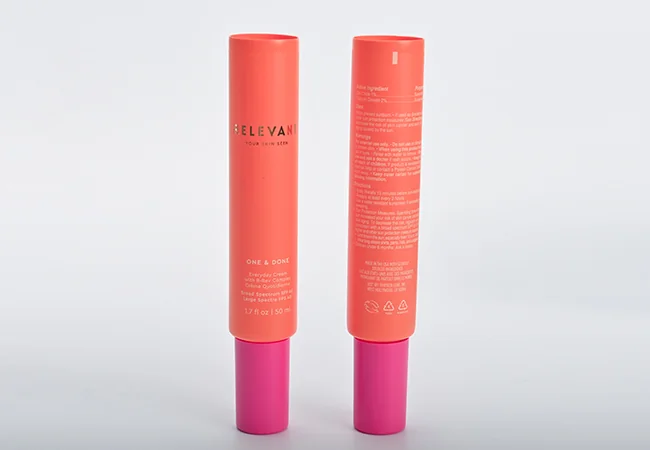
Oulete historical tube samples shown from two sides. Confirm the selected cap, membrane and open-tail specification in the quotation.
For a 100 g toothpaste project, first convert the actual formula’s net mass to a starting fill volume and assess the tube construction with the filler.
What to include in the quotation request
Send the supplier and filler the same pack brief: intended use; formula identification and confidentiality contact; target net fill; market and distribution; tube drawing and length datum; opening and membrane requirement; cap retention and first-opening behavior; lining and tail-sealant requirements; artwork; proposed fold; sample and pilot quantities; acceptance tests and owners. Ask each party to identify its exceptions, lead time and minimum quantity for the complete specified configuration.
Ask the selected tube supplier and filler to confirm the proposed tube, cap, materials, samples and commercial terms for your project. The photo on this page is an illustrative historical sample, not proof of a qualified aluminum-tube configuration.
Frequently asked questions
Can an existing screw cap be reused on a collapsible aluminium tube?
Only after the supplier checks the actual neck drawing, sealing surface and any membrane-piercing feature, and the complete assembly is evaluated on representative samples. A matching thread label alone does not approve the fit.
Does an internal lacquer replace the tail seal?
No. Internal lacquer and a tail sealant serve different functions. Ask the proposed supplier to identify the actual materials and their coverage, then confirm the selected fold with the filler.
How much extra tube length is needed for a fold?
The answer depends on the actual tube, fill, fold and filling equipment. Use the tube supplier’s drawing and ask the filler to confirm the open-tail length with a representative sample; a catalogue example is not an order dimension.
Photographed at Oulete
From the sample room to packed containers
See the facility and visible operations behind a packaging enquiry. For your selected assembly, ask which steps apply and request the corresponding sample and inspection records.
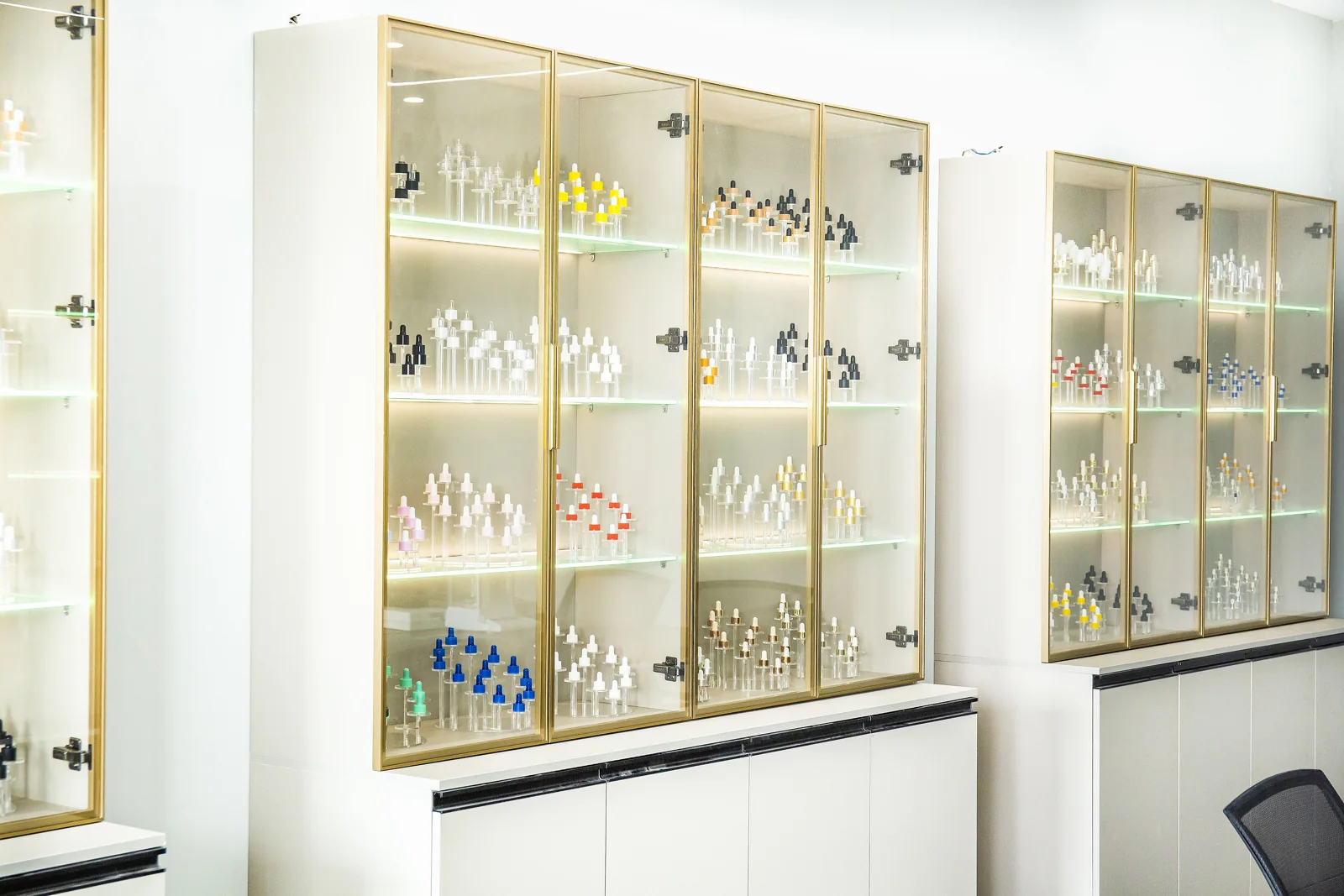
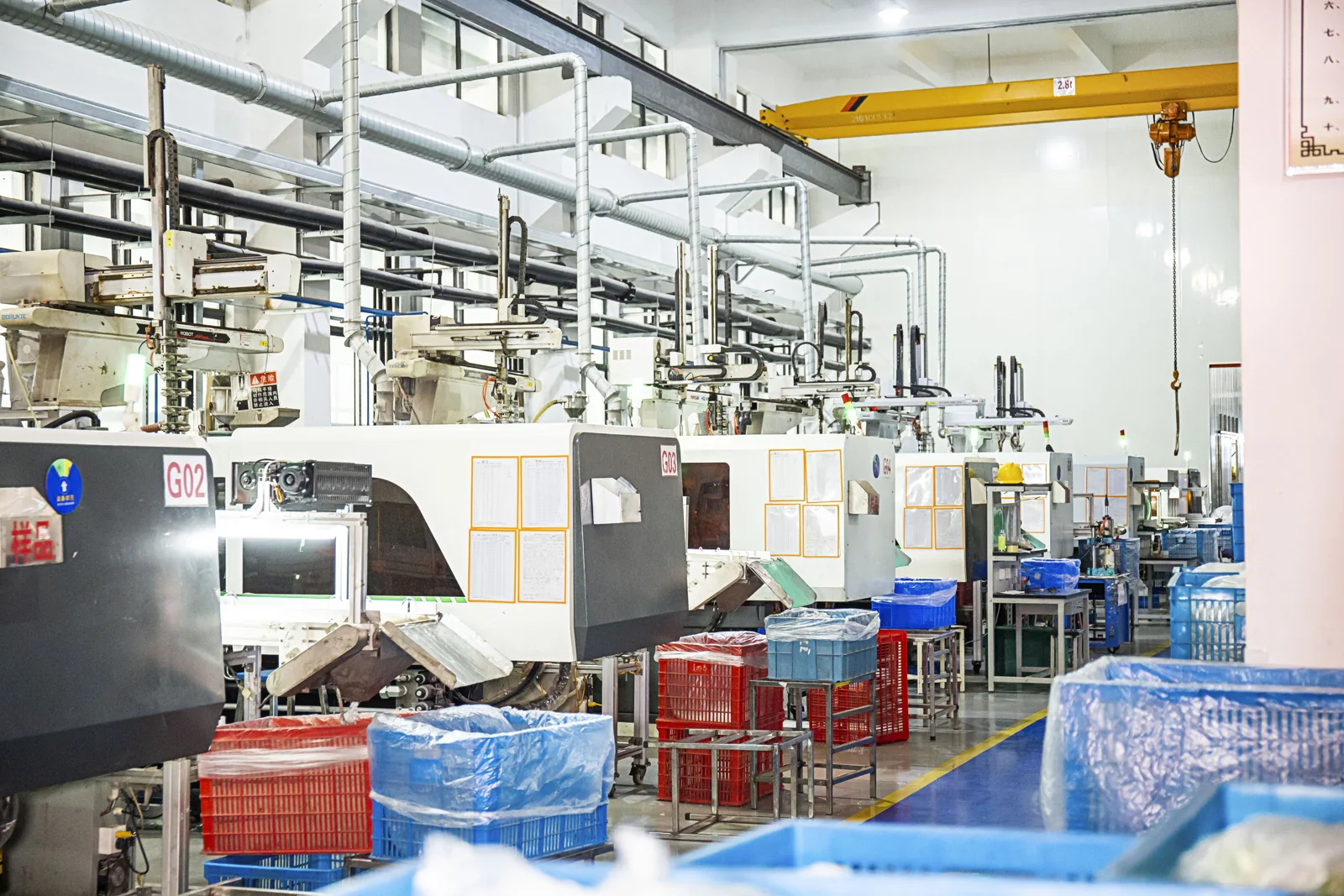
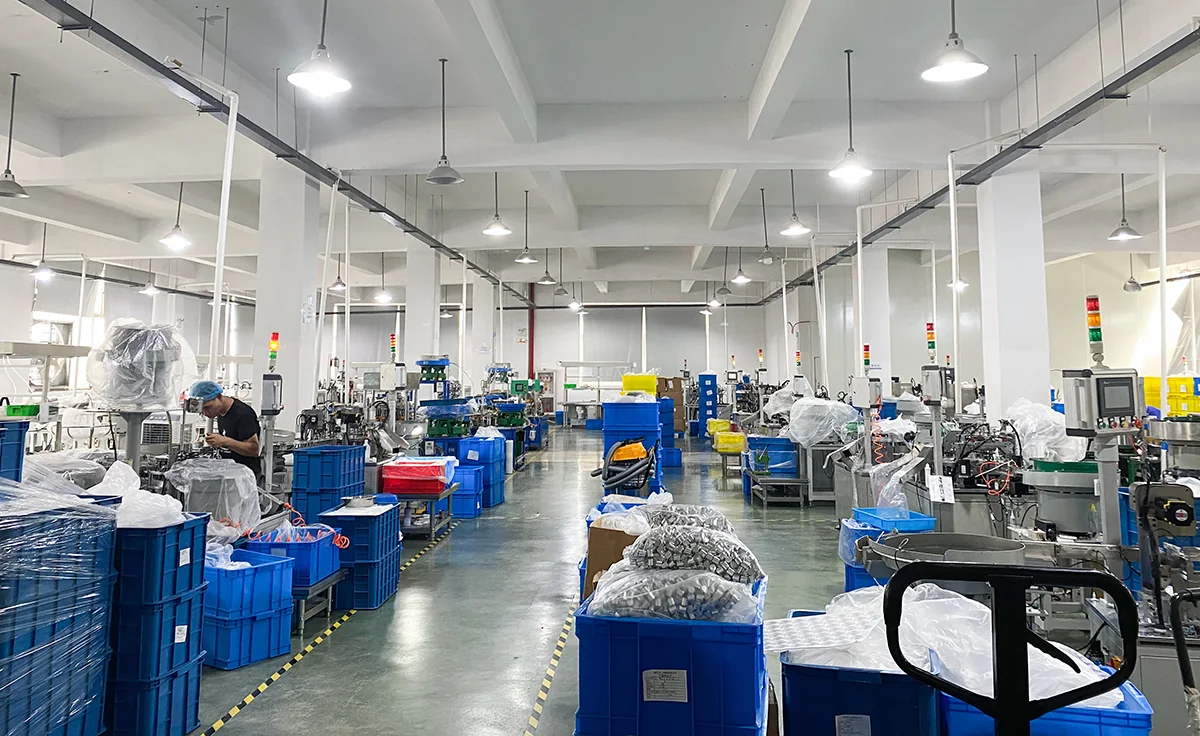
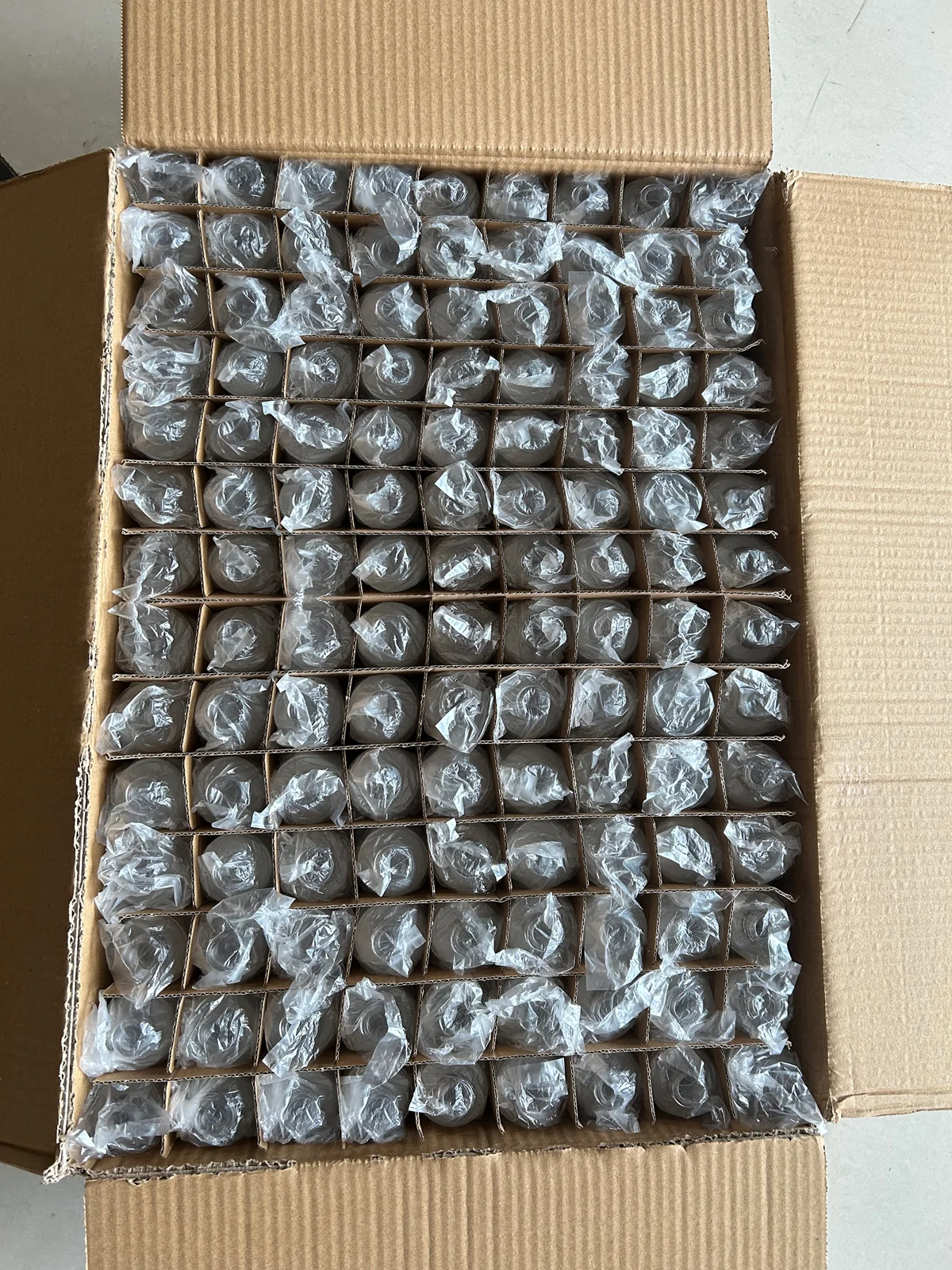
Cosmetic packaging samples displayed in the Oulete showroom.Row of injection molding machines in the Oulete workshop.Wide view of the Oulete packaging assembly workshop.Cosmetic containers separated by protective packaging inside a carton.
Research with AI
Paste this prompt into your assistant. Check its answer against the page and the approved packaging specification.