Cosmetic packaging · Made for your brand
Specify a Cream Jar Induction Seal Before Filling
Specify a cream jar induction seal by its bonded rim, liner, pressure path and filler trial. Use a buyer worksheet for glass, plastic and refill jar enquiries.
Containers only — no compounding or filling.
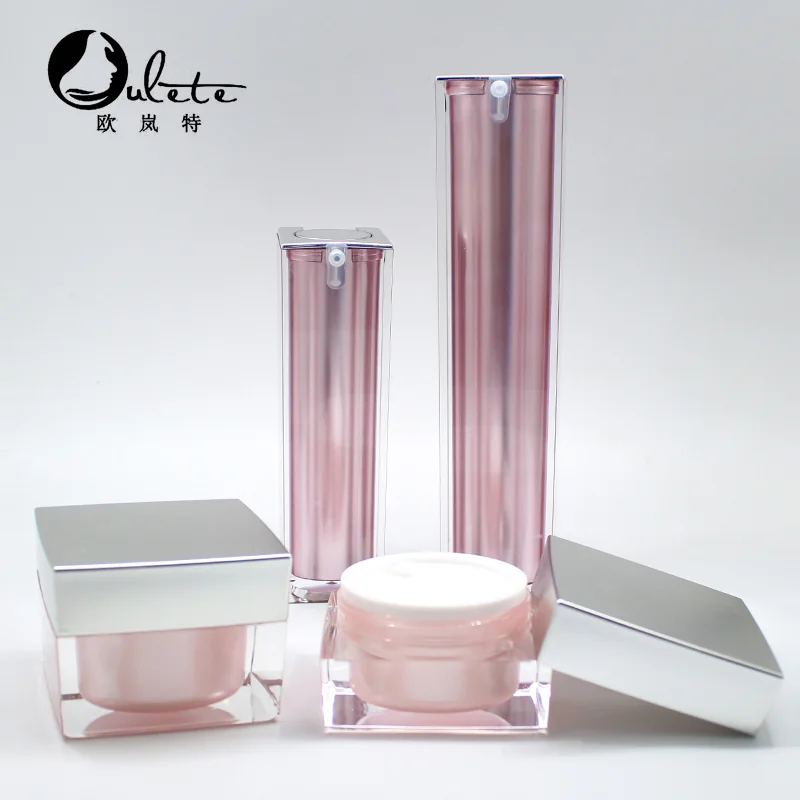
Oulete pink cosmetic container set with an open jar and separate square lid
On this page · 12 sections
- Identify the rim that receives the foil bond
- Specify the first-opening membrane and the reseal separately
- Trace how pressure reaches the liner
- Qualify the operating window on the filler’s line
- Quote the jar, liner and supply state as one defined scope
- Cream jar induction seal questions
- Can a glass cream jar use an induction seal?
- Which rim is sealed in a refill jar?
- Is a foam liner the same as an induction membrane?
- What seals the jar after the foil is removed?
- Does a magnetic outer lid supply sealing pressure?
- What must be approved before production release?
A cream jar induction seal needs a liner matched to the actual sealing surface, a defined closure arrangement, and validated filler settings. Start with the rim that receives the foil bond. A jar described as glass may hold cream in a removable plastic cup, so ordering a “glass liner” from the exterior description can specify the wrong interface.
An induction seal is a foil-containing innerseal whose heat-seal layer bonds to the container rim during the sealing process. The purchasing decision joins the jar, membrane, closure and filling line. Enercon’s induction-sealing guide explains the underlying combination of heat, pressure and time. An attractive sample establishes none of the production settings.
Oulete’s existing knowledge base provides jar families and an owner-confirmed glass outer jar with a removable refill and magnetic lid option. The exact refill resin, induction liner and qualified sealing arrangement remain unspecified. A useful enquiry therefore asks for a proposed component assembly and the evidence needed to approve it, rather than an assurance attached to the word “glass.”
Identify the rim that receives the foil bond
The sealing land is the rim surface on which the liner must make contact and form its bond. Mark that surface on the proposed section drawing before requesting a liner recommendation. Identify the part number and revision beside it, then state its material and any relevant surface treatment. The outer shell and the sealing land may belong to different components.
For a direct-fill glass jar, the proposed membrane bonds to the glass rim. For a plastic jar, it bonds to the specified plastic rim. For a refill assembly, follow the cream compartment: if the selected refill is PP and the foil covers its opening, the liner must be selected for that PP interface. Oulete’s refill material still needs project confirmation.
Selig’s FoilSeal family lists substrate-specific options, including PP and treated glass. “Treated glass” is a meaningful qualification, not permission to substitute any glass finish. Ask the liner supplier to identify the proposed product code and its supported substrate. A family-level listing is a starting point for selection, not approval of the buyer’s assembly.
The distinction also changes the documents to request. A refill project needs the cup drawing and its seating relationship to the outer jar; a direct-glass proposal needs the glass-rim specification. In either route, obtain the opening geometry and defined sealing land. A neck measurement printed in a catalogue does not by itself specify the cut liner diameter or a complete thread finish.
Oulete’s cream jar catalogue families offer a practical starting point for body selection. Keep that selection separate from the liner enquiry: naming a jar family does not identify its matched innerseal. Use a component material list to name the body, cup, closure and liner independently, including unresolved fields.
Oulete-supplied product photograph showing pink containers, an open jar and a separate lid. The visible cover disc does not establish an induction seal, liner construction or tested assembly.
Specify the first-opening membrane and the reseal separately
The initial foil membrane and the closure used after opening have different jobs. Write the intended opening sequence into the brief: remove the outer lid, access the membrane, remove the membrane, then close the cream compartment for subsequent use. This sequence exposes missing decisions that the instruction “include a seal” leaves unresolved.
Selig describes one-piece FoilSeal options with or without backing and two-piece options temporarily joined to a separate reseal backing. Its August 2019 cosmetics whitepaper also describes GlassFuze, a purpose-developed glass heat-seal route, with an example that separates the foil membrane from board retained in the closure. These are named supplier constructions, not universal glass compatibility claims.
Ask the proposal to show which layers stay on the jar, which remain in the cap and which leave with the removed membrane. That request matters even when a sample contains a white foam-looking disc. Appearance cannot establish whether the disc is a backing, a loose cover or part of the proposed induction liner. Obtain the construction specification and the assembly drawing.
Define first-opening behaviour in observable terms. State whether the user should lift a tab, peel a membrane cleanly or see evidence of removal, then request a representative opening sample. The brand should approve the gesture and any visible residue against an agreed reference. A supplier’s description such as “easy open” needs a project interpretation before it becomes a purchase requirement.
For repeated closure, identify the component that returns to contact with the cream compartment. If the proposal leaves a backing in the lid, request its material, retention arrangement and evaluation scope. If it leaves no backing there, identify the alternative closing interface. Record both decisions before approving artwork on the membrane; printed branding does not answer either mechanical question.
The formula brief should travel with the liner enquiry, under the buyer’s confidentiality arrangements. Ask the liner supplier which product-contact and barrier information it needs for selection. Keep its response tied to the intended formula reference and the proposed construction. Do not convert a successful opening demonstration into an unsupported statement about formula stability or shelf life.
Trace how pressure reaches the liner
An induction liner needs contact with the rim during sealing. Enercon’s cap-sealing explanation identifies cap application as the source of downward pressure in the capped process and explains that sealing-head selection depends on foil location. Closure geometry is consequently part of the sealer enquiry, rather than a decorative detail added after choosing equipment.
Request a section drawing of the assembly as it actually passes through the sealer. Mark the surface pressing on the liner and the part supporting the rim beneath it. For a removable cup, show how the cup is located during this operation. Ask the filler and packaging supplier to resolve that arrangement before either party signs off a setting sheet.
Oulete’s glass outer jar and magnetic lid option does not establish that the outer lid supplies the required sealing pressure. A proposal may involve a separate product closure or another specified sealing arrangement. The existing refillable magnetic-jar interface guide addresses the broader assembly; the induction enquiry must identify the actual parts present during sealing.
The filler should receive the assembled sample, not only a jar and a loose foil disc. Request confirmation of liner retention, correct seating and the cap condition used during the trial. If the supplier changes a backing, cap insert or cup-support feature, record the revision and ask whether the previous trial still represents the revised assembly.
Do not put a generic cap-torque rule into the purchase order. Ask the parties responsible for the closure and filling line to propose and qualify the relevant capping conditions. The project record should identify the method and units used when a setting is measured. A number without its component revision and measurement context cannot define the pressure arrangement for another pack.
Qualify the operating window on the filler’s line
An induction-sealing operating window is the range of settings that produces an acceptable seal under defined operating conditions. Enercon’s guide discusses establishing that range at the intended production rate. The buyer needs a project record identifying the approved setup and its limits, not a power percentage borrowed from another machine or a membrane that looked acceptable at an unrecorded speed.
Before the trial, ask the filler to issue a setup record containing the sealer and head identification, container presentation, line rate, capping conditions and cooling or inspection timing. Add the jar, cap and liner revisions and their lot references. Identify the actual formula batch used, or label a surrogate trial clearly so nobody later mistakes it for a final-formula approval.
Agree the observation method before reviewing the samples. The project team should state what it will examine on the bonded rim, how it will assess membrane removal and how it will evaluate the closed pack after first opening. Put the proposed acceptance criteria in the trial plan and obtain agreement from the responsible parties. This article supplies no universal peel-force or leakage threshold.
An incomplete bond and a difficult peel should generate separate observations in the report. Preserve the sample identifier and its recorded setup, then ask the liner supplier and equipment specialist to review the cause. Avoid diagnosing every observation as insufficient power: the investigation needs to account for the actual material pairing, seating arrangement and operating conditions.
Arrange the report so the buyer can distinguish a candidate setting, a reviewed result and a release decision. Request photographs of the identified samples and the written disposition, with unresolved observations retained. A report should say which proposed assembly was evaluated and who accepted it. Silence beside a defect description is not an acceptance decision.
The initial innerseal trial should connect to the wider filled-pack leak-testing plan. Ask the brand and filler which storage, handling and distribution evaluations apply to their product. Keep the initial membrane, the opened-and-reclosed pack and the finished shipping configuration identifiable in those records; evidence for one state does not automatically cover another.
Quote the jar, liner and supply state as one defined scope
A useful induction-seal quotation identifies the supplied parts and the work still assigned to the filler. Oulete’s refillable packaging enquiry can start from the confirmed outer-jar and removable-refill direction. The quotation must still resolve the cup material, closure, liner supply and sealing route. Oulete supplies packaging containers; this enquiry does not include formulation or contract filling.
State whether the offer includes lined caps, separate liners for installation or unlined closures. Identify who sources the liner and who inserts it, along with the agreed component code and revision. For refills, distinguish empty cups from any filled-and-sealed supply requested from a separate filler. Otherwise, two quotations can appear comparable while assigning different operations and costs to the buyer.
Oulete’s owner-confirmed MOQ is 2,000 pieces for plastic packaging and 5,000 pieces for glass packaging. Ask the quotation to state how those baselines apply to the selected assembly, colours and decoration. They do not establish a separate liner or refill-component minimum, a mixed-model order allowance or the reorder quantity for an inner cup.
Use the following worksheet to select the route and freeze the missing fields. Complete the chosen route with the supplier and filler; retain the others as screened alternatives only. The table is an original purchasing worksheet, not an Oulete test report or a specification that has already been approved.
Cream jar induction seal specification: fields to freeze
| Proposed route | Actual bonding surface | Documents to request | Pressure arrangement | Liner and trial status |
|---|---|---|---|---|
| Direct-fill glass jar | Glass rim; exact treatment: ____ | Jar drawing/revision: ____; rim and treatment specification: ____ | Closure and contact surface: ____; request specification | Liner code/construction: ____; pending project trial |
| Plastic-body jar | Plastic rim; exact resin specification: ____ | Body drawing/revision: ____; opening and sealing land: ____ | Closure and contact surface: ____; request specification | Liner code/construction: ____; pending project trial |
| Removable refill cup | Cup rim; material to confirm: ____ | Cup drawing/revision: ____; cup support and seating: ____ | Parts present during sealing: ____; request specification | Liner code/construction: ____; pending project trial |
| Selected route decision | Chosen component and revision: ____ | Formula reference and target market: ____ | Filler/capper/sealer record: ____ | Trial report, decision owner and disposition: ____ |
Attach a separate opening-and-reseal reference to the completed row. Identify the retained backing or other reclosing interface, the intended user gesture and the sample approved for appearance. Link the trial report to the quotation revision. This gives procurement a defined package to order and gives the filler a clear list of confirmations still required.
Send Oulete the intended fill and formula reference, the outer-jar and refill drawings, the target market, quantities and filler details through the sample brief. Request a proposed packaging scope with unresolved items marked. Keep production release pending until the responsible parties accept the selected liner, assembly and filler record.
Cream jar induction seal questions
Can a glass cream jar use an induction seal?
A glass cream jar can be considered for an induction seal using a liner developed for its actual rim and treatment. Selig’s GlassFuze example demonstrates a glass-sealing route. It does not approve an unspecified Oulete jar or every cream formula; request the exact liner proposal and project trial.
Which rim is sealed in a refill jar?
The sealed rim is the surface to which the proposed membrane bonds. If a PP refill cup holds the cream and receives the foil, that interface is PP even when the outer jar is glass. Confirm the refill material and marked sealing surface on the assembly drawing.
Is a foam liner the same as an induction membrane?
A foam-looking disc cannot be identified as an induction membrane from appearance alone. Request its construction and function. A loose cover, a reseal backing and a foil-containing innerseal are different purchasing descriptions, so the quotation should identify the supplied component rather than rely on a photograph.
What seals the jar after the foil is removed?
The specified reclosing interface seals the opened jar after the foil is removed. A proposed two-piece construction may leave a separate backing in the cap. Confirm what remains in the selected assembly and how its repeated closure will be evaluated; the initial membrane is no longer present.
Does a magnetic outer lid supply sealing pressure?
A magnetic outer lid does not establish the required induction-sealing pressure arrangement. Request the section drawing and the actual assembly used by the filler. The proposal must identify which part presses the liner against the rim and how the product-contact cup or body is supported during sealing.
What must be approved before production release?
Production release should reference the selected component revisions, liner specification and accepted filler trial record. The responsible parties must agree the relevant observations, acceptance criteria and disposition. Oulete’s current knowledge base supplies a packaging starting point; a completed project approval record for this induction-seal assembly remains to be provided.
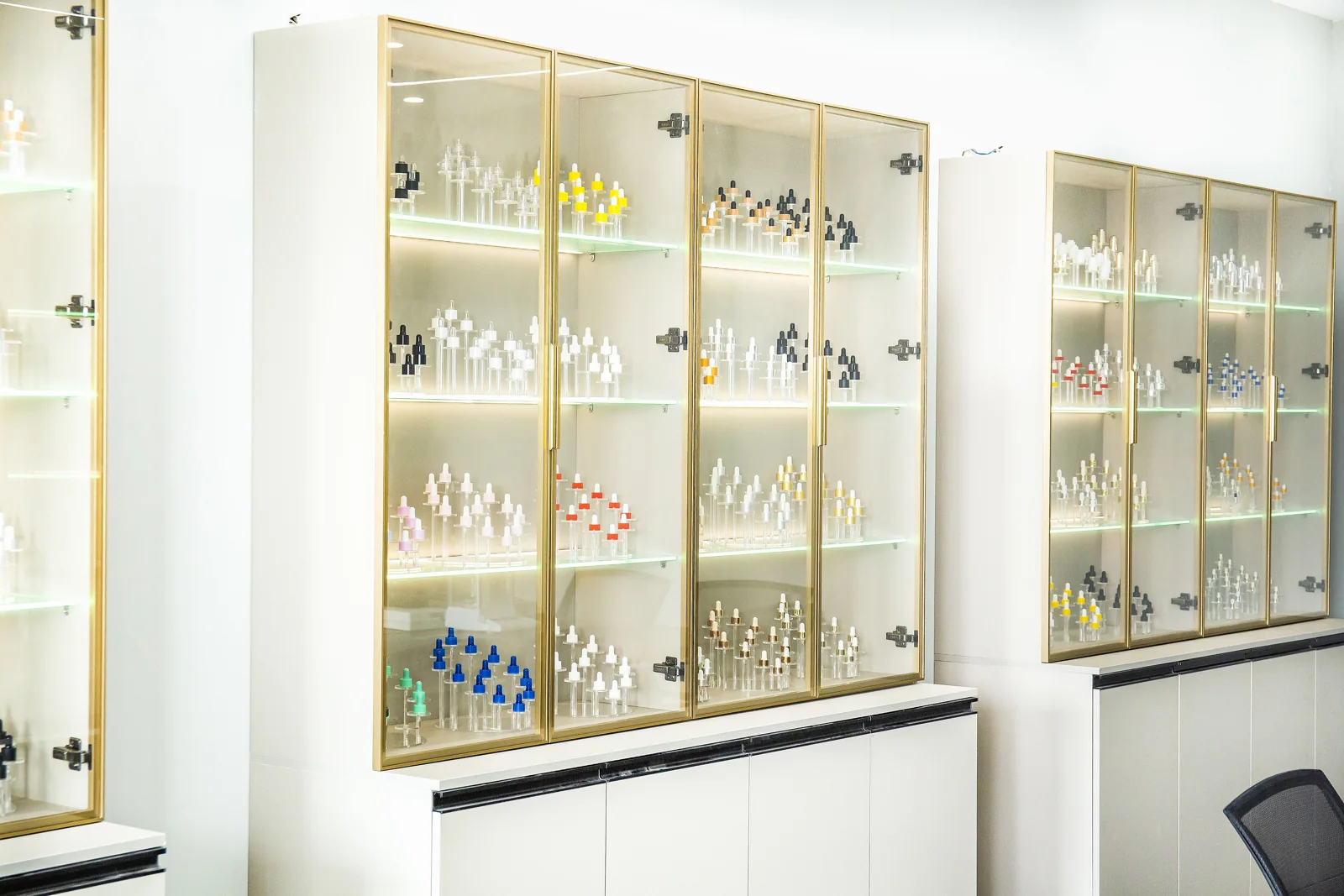
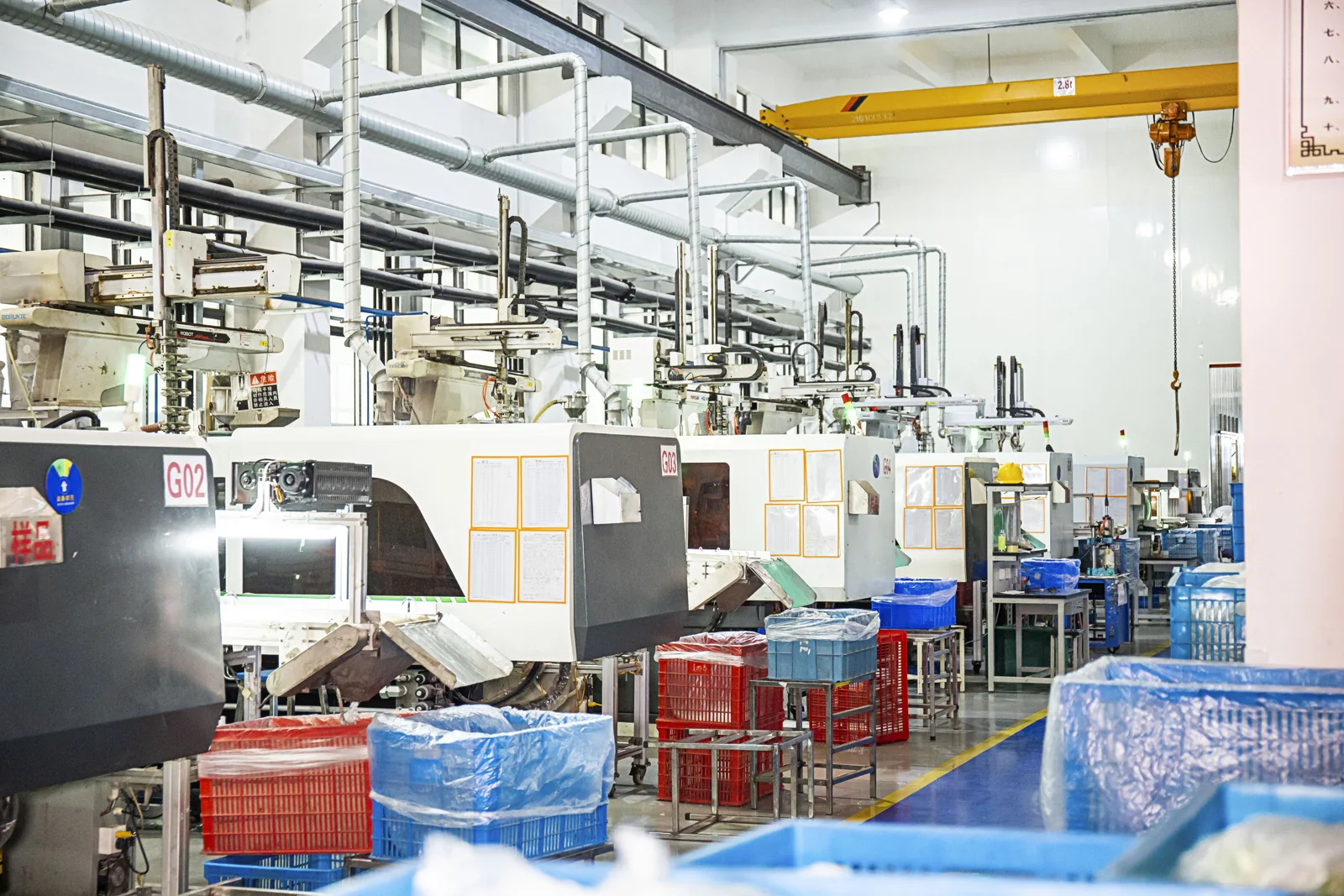
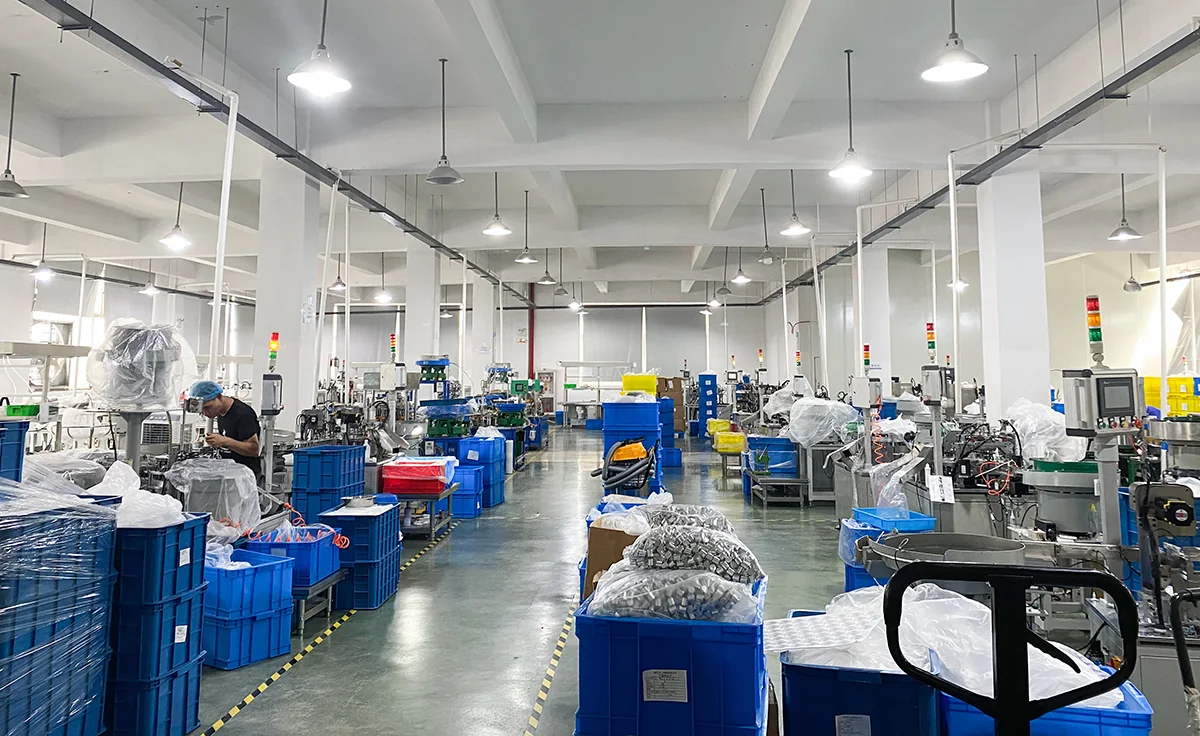
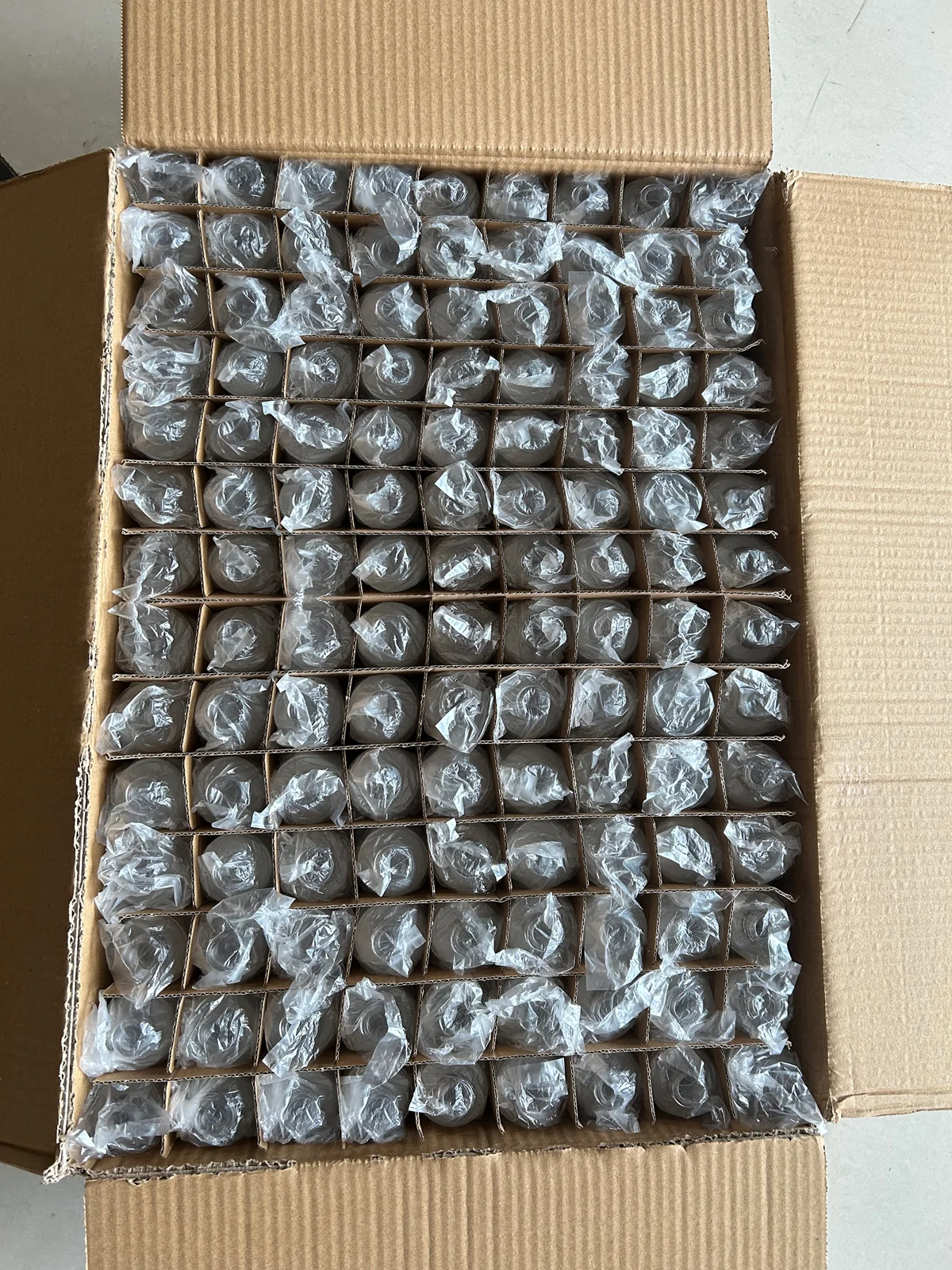
Photographed at Oulete
From the sample room to packed containers
See the facility and visible operations behind a packaging enquiry. For your selected assembly, ask which steps apply and request the corresponding sample and inspection records.