Cosmetic packaging · Made for your brand
Cosmetic Packaging Mold Trial Samples: How to Review T1 Parts Before Production
A first off-tool sample can show how a proposed cosmetic packaging part is taking shape, but a sample labelled “T1” is not automatically approved for production. Before signing off a bottle, jar or cap, identify the drawing and tool…
Containers only — no compounding or filling.
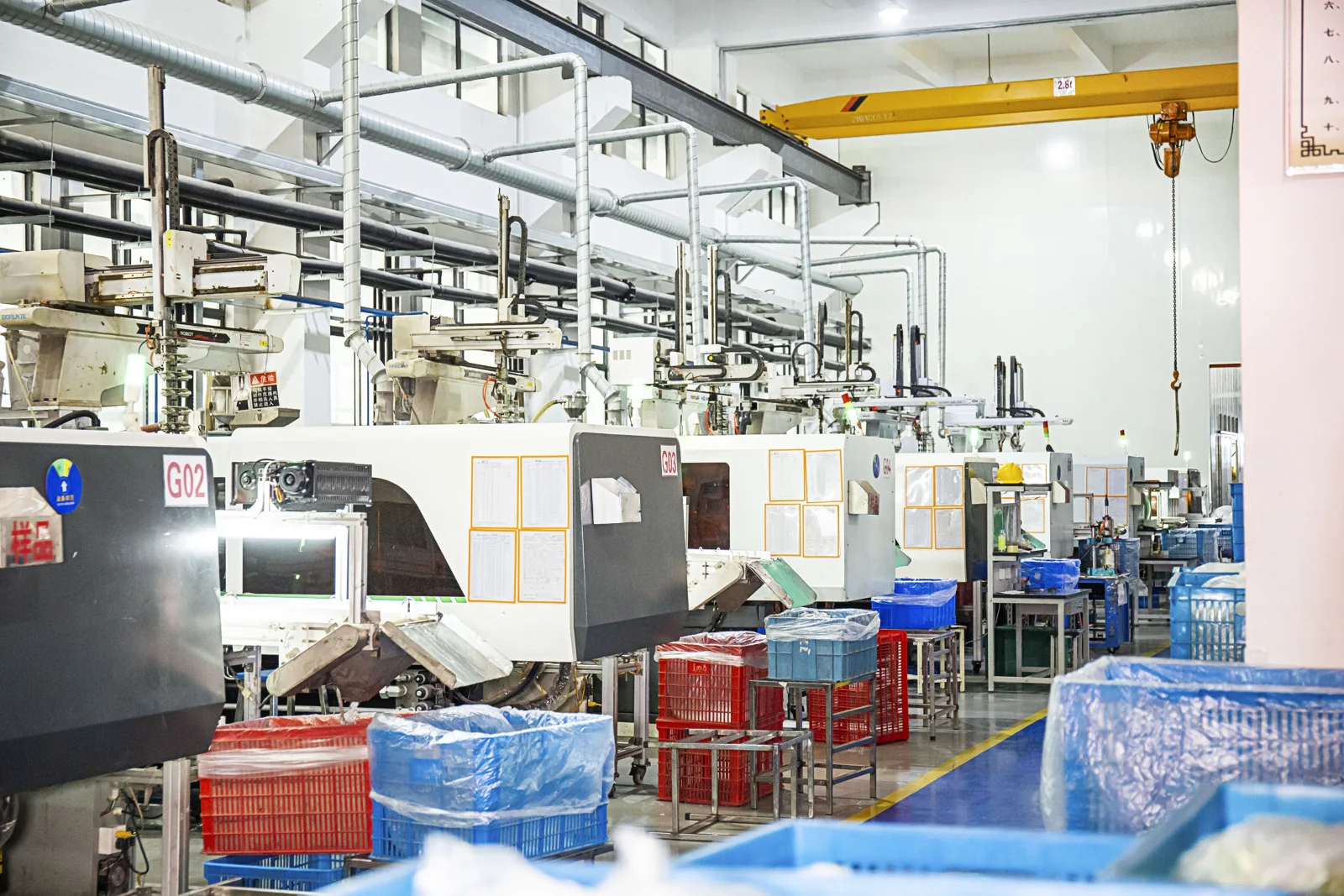
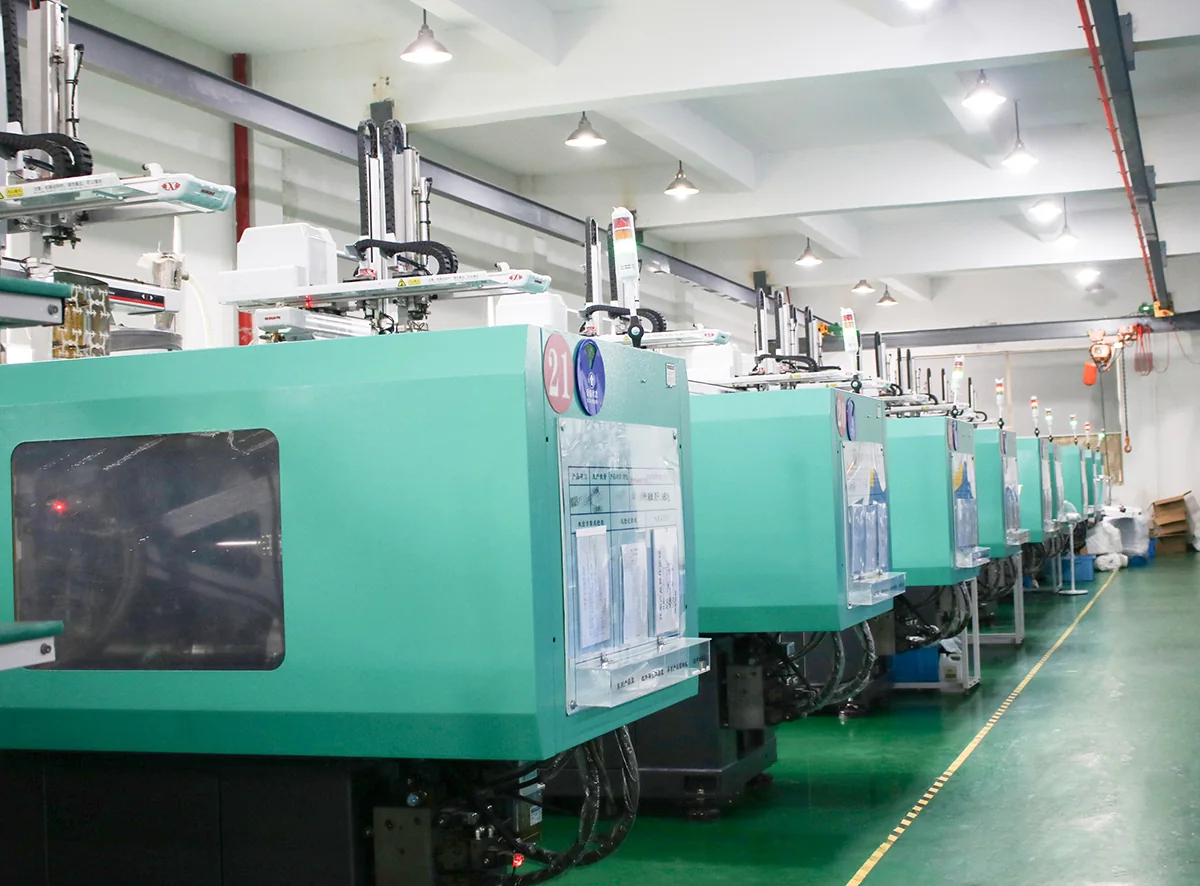
Row of injection molding machines in the Oulete workshop
On this page · 17 sections
- What does a T1 or first off-tool sample actually tell you?
- Start with sample identity and the decision—not the photo
- Review the part in four passes
- 1. Appearance: compare the feature, not just a colour photo
- 2. Dimensions: connect each result to the drawing and method
- 3. Assembly: use the actual mating parts
- 4. Filled pack and line: assign checks to the right owner
- Example: one visible sample, three different decisions
- Turn findings into a usable correction record
- What to send Oulete for an off-tool sample review
- Frequently asked questions
- Is a T1 sample the same as a production sample?
- How many T1 samples should we request?
- Does a good-looking sample approve the mold?
- Should each cavity be identified?
- Can we test with a substitute cap?
- Who approves a mold trial?
A first off-tool sample can show how a proposed cosmetic packaging part is taking shape, but a sample labelled “T1” is not automatically approved for production. Before signing off a bottle, jar or cap, identify the drawing and tool revision, material, sample source and the specific decision the trial is meant to support. Then separate appearance, dimensions, assembly and filling-line checks: a good-looking part may still need a tool correction or a further trial with its mating components.
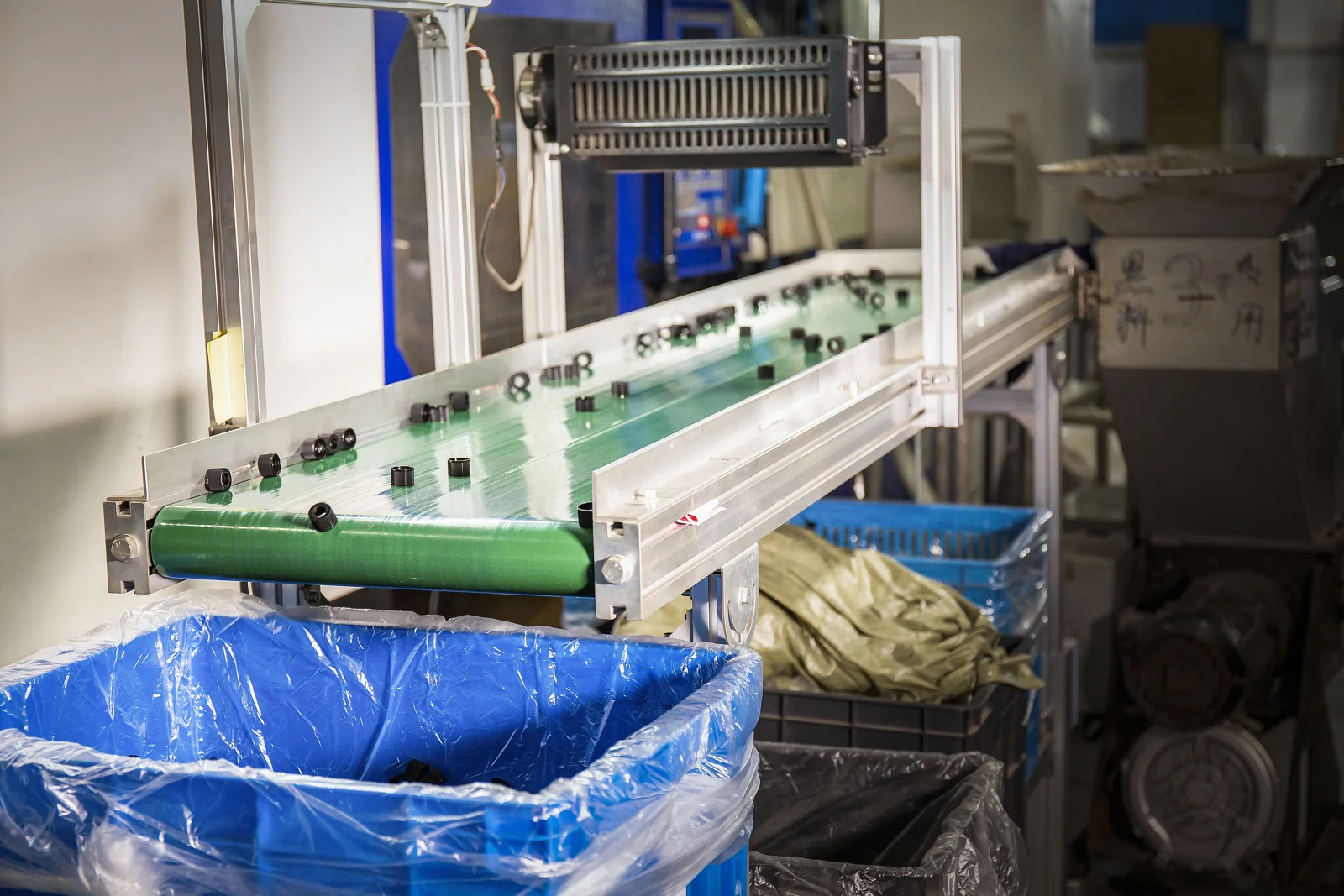
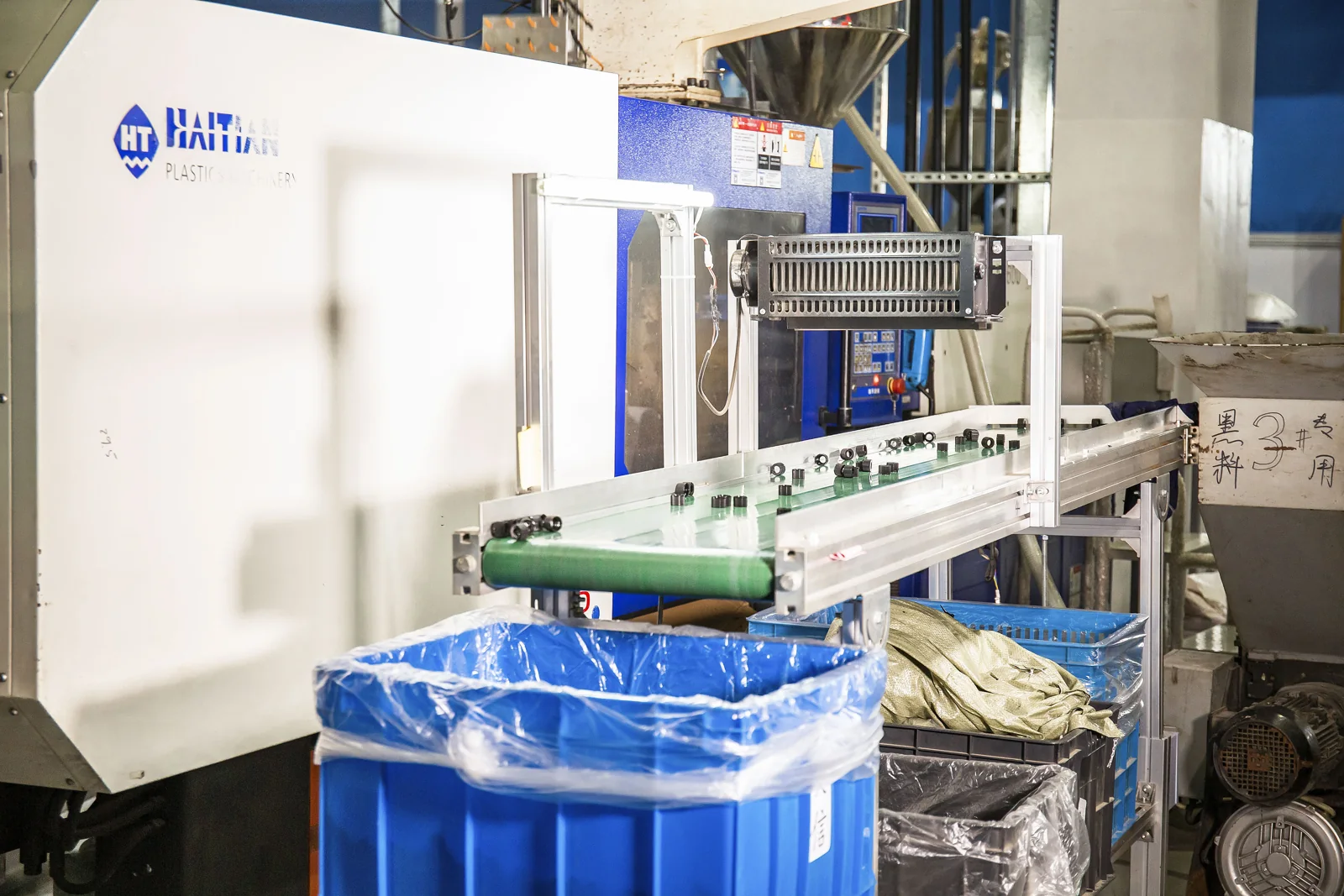
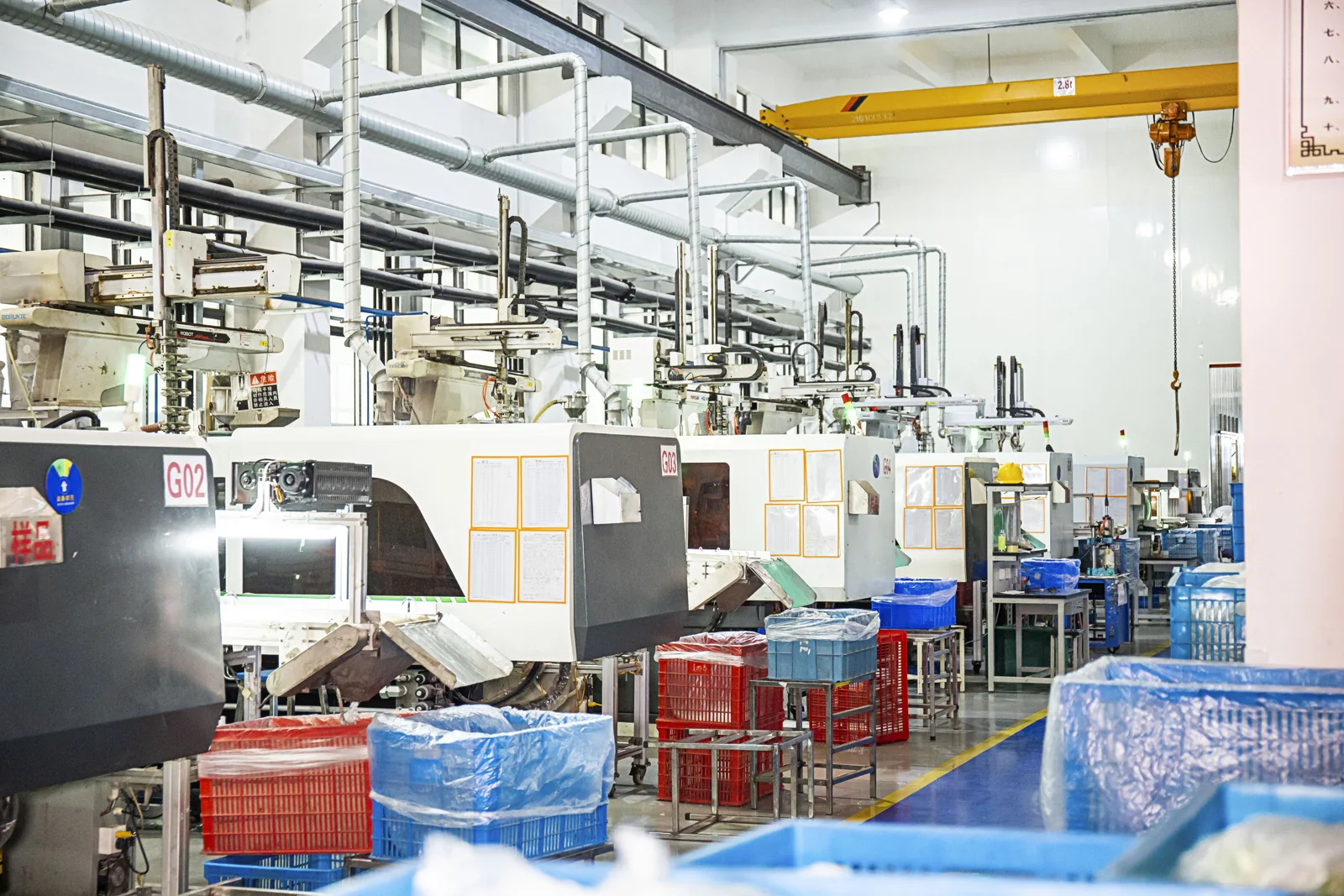
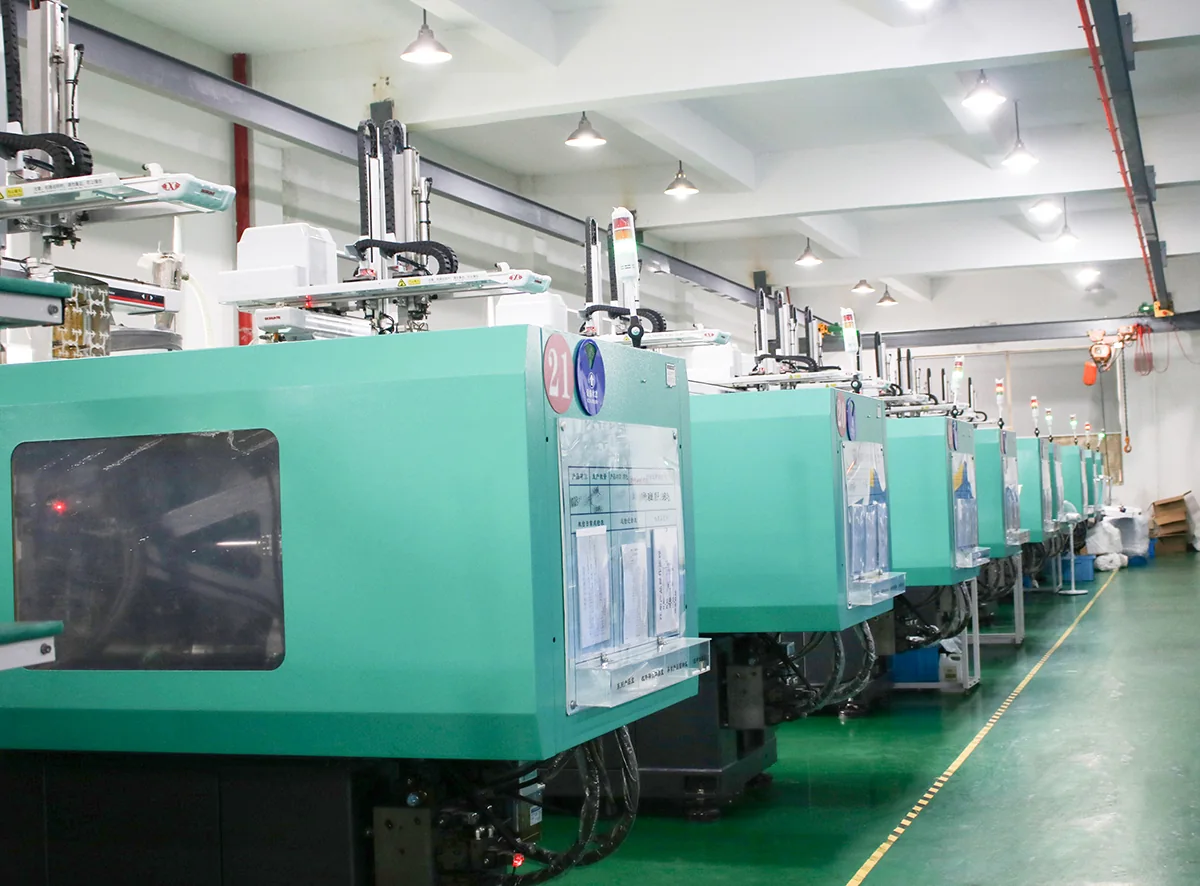
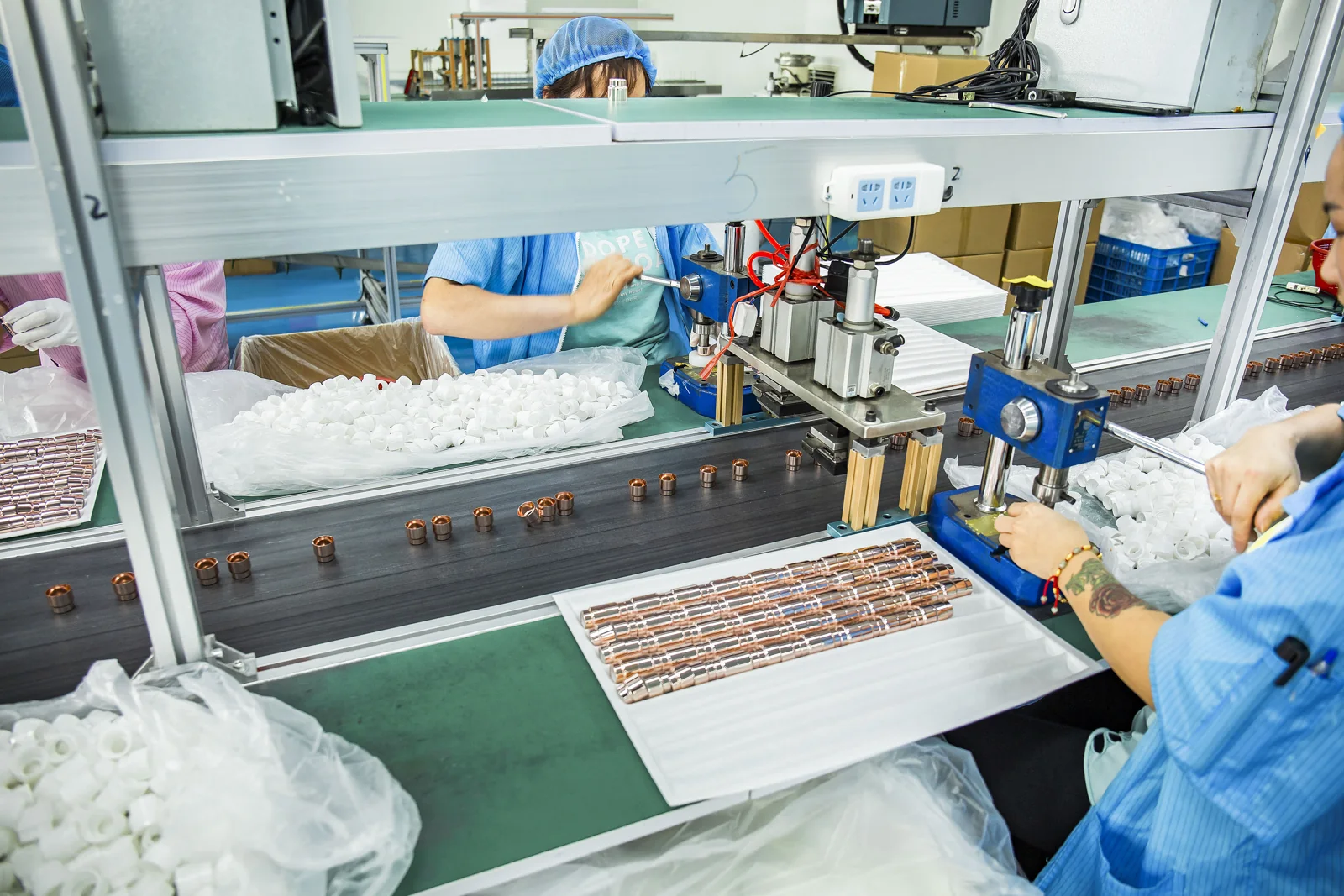
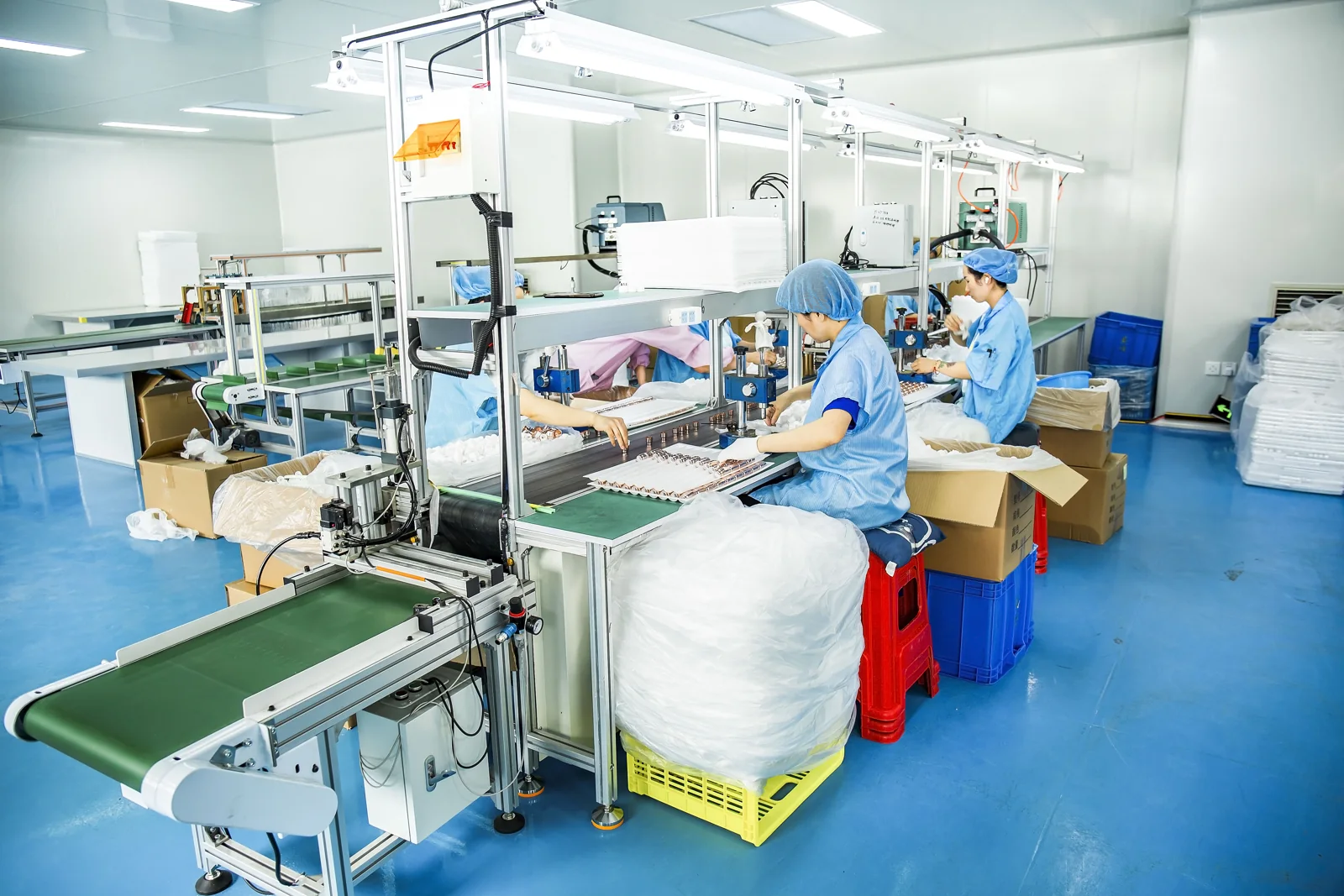
This guide helps brand procurement, packaging engineers and contract fillers read a mold trial report and agree the next step. Trial names, measurements and acceptance criteria must be agreed for each project; the photographs show Oulete factory areas, not a trial or test result.
What does a T1 or first off-tool sample actually tell you?
An off-tool sample is made using a mold rather than only a visual prototype. “T1” often refers to an early mold trial, but suppliers do not necessarily use trial labels in the same way. Ask whether the sample comes from the intended production tool, a temporary insert or a revised tool, and whether the material and process are representative. A hand-finished or substitute-resin part may be useful for learning, provided the differences are recorded.
Compare the trial with a controlled drawing and an agreed review purpose. A first run may reveal whether a part can fill and release; a later review may focus on dimensional fit or a representative decorated assembly. Neither a tidy sample nor a successful assembly on one unit establishes process consistency. Her Beauty's prototyping guide explains its distinction between prototypes and T1 parts; its workflow and timelines belong to that supplier.
Start with sample identity and the decision—not the photo
Before distributing samples to the brand, molder and filler, request one shared record. Ask the supplier to identify any temporary tooling, manual finishing or material substitutions, as well as which cavities were represented where that is relevant. If samples are pooled without cavity identity, a buyer may still inspect them, but cannot confidently locate a cavity-specific issue from that set.
| Record | Why a buyer needs it |
|---|---|
| Part and drawing revision | Identifies the requirements and visible surfaces against which the part is reviewed. |
| Tool and trial status | Shows whether the tool, insert or sample remains provisional and what has changed since an earlier run. |
| Material and sample condition | Names the material, colour and any substitute, finishing or conditioning that may affect the comparison. |
| Sample and cavity identification | Connects measurements and observations to each sample and, where available, its cavity and collection group. |
| Inspection and open actions | Connects a characteristic, method and result to a disposition, owner and agreed next review. |
ZhongShen's tool-trial report checklist describes separating samples when process conditions change and recording cavity-level information. Use it as a supplier example, not as proof that any Oulete project used that procedure.
Review the part in four passes
1. Appearance: compare the feature, not just a colour photo
Agree which surfaces are customer-facing, the viewing conditions and the physical reference. Mark the location and orientation of a visible gate mark, parting line, flash, sink or surface difference before describing it as acceptable or rejected. A witness mark can be acceptable in one agreed area and unacceptable on a different visible face. The buyer and supplier must agree the boundary; this guide does not set one.
If the finished part will be coated, printed or hot stamped, record whether the sample has the intended finish. A plain molded sample can help review shape or molded surface; it does not approve the finished decoration. Keep a reference sample and record the approved artwork and finish separately.
2. Dimensions: connect each result to the drawing and method
Select the features that control the purchase decision: for example a bottle neck and sealing surface, the seat of a jar insert, or a cap feature that engages another component. Record the drawing revision, nominal requirement and tolerance, measurement method, unit, sample identifier and result. If a feature cannot be measured reliably, agree the fixture, datum or alternative inspection method before turning the result into a pass/fail decision.
A single average can hide a difficult cavity or sample group. When multiple cavities are in use, ask for identification and representative comparison by cavity and collection group where practicable. Sampling quantity and timing should be agreed with the technical team for the actual risk; a number taken from another supplier is not a universal approval plan. Oulete's cavity consistency guide explains the basic comparison.
3. Assembly: use the actual mating parts
A cap that looks concentric in isolation still has to assemble with the intended bottle or jar. Identify both revisions and test the fit using the proposed mating component, or label a substitute clearly. Record engagement, visible gaps, alignment and any damage or difficulty under the agreed check. A provisional result against a substitute closure should not silently become approval of the final closure.
The InjeForm T1 review guide likewise connects functional features to the controlled drawing, measurement method and mating parts. Its process recommendations describe its own guidance, not an Oulete project.
4. Filled pack and line: assign checks to the right owner
When the final pack will be filled by a separate company, ask the filler which orientation, handling, closure application, labeling and filled-pack checks are necessary for its equipment. The brand or formulator should define any formula-contact, storage or compatibility work needed for the actual contents. Oulete supplies packaging containers; cosmetic compounding and filling are outside the scope described on its website. An off-tool part alone cannot prove that a filled assembly will work on a particular line.
Example: one visible sample, three different decisions
Hypothetical example: a brand receives an early molded jar and cap. The body’s visible surface looks acceptable. The buyer’s dimensional record identifies one neck feature as unresolved because the drawing reference is unclear. The filler has not yet received the proposed liner or tested the assembled pack on its line. These are illustrative observations, not Oulete measurements or a customer case.
- Appearance: the brand may accept the identified molded appearance under the agreed viewing conditions, while keeping decoration open.
- Tool and fit: engineering and the supplier resolve the drawing reference, inspect the identified samples and decide whether a tool adjustment or a further review is needed. A missing requirement is not a pass.
- Production release: the liner, filled-pack and line decisions stay open until the responsible parties review the actual assembly under their agreed plan. An appearance sign-off does not close them.
If a change is made, identify the changed tool or insert and the affected samples. Agree which measurements, appearance checks and mating-part checks must be repeated. Do not assume that an unrelated earlier result covers the new revision.
Turn findings into a usable correction record
For each issue, record the part and orientation, sample and cavity where identified, drawing requirement, observation, measurement method, photo with scale when useful, proposed action, owner and next review. Separate a drawing ambiguity from a measured nonconformance and from a suspected tool cause. The supplier and technical owner must agree the cause and correction; a photograph of a mark alone cannot establish it.
| Finding | Useful next action |
|---|---|
| Requirement unclear | Clarify the controlled drawing or agreed appearance reference, then decide what must be measured or re-reviewed. |
| Part outside an agreed requirement | Document the affected samples and discuss correction or a formally approved deviation with the responsible design owner. |
| Fit check uses a substitute component | Record the limitation and arrange a check with the proposed component before claiming assembly approval. |
| Part appears acceptable but trial scope is limited | Approve only the reviewed attributes; keep production, decoration, filled-pack and line decisions open as applicable. |
What to send Oulete for an off-tool sample review
Provide the part drawing and revision, target application, mating-part references, priority dimensions and cosmetic surfaces. Explain the intended decoration and whether a separate filler must review the assembly. Ask which material, tool state and sample purpose the quotation covers; confirm the trial stages, sample identifiers, inspection scope, charges and timing for the specific project.
For the earlier commercial decision, use the custom tooling brief and tooling guide. For approval of the full configured pack, continue with the packaging sample approval guide. The tool trial is one input to that wider approval, not a substitute for it.
Frequently asked questions
Is a T1 sample the same as a production sample?
Not necessarily. Ask how the supplier defines the trial and whether the tool, material, finish and process represent the planned order. Record any temporary or manually finished elements.
How many T1 samples should we request?
Agree a quantity and collection plan with the supplier and technical owner based on the features, cavity representation and tests required. A generic number is not proof of a capable production process.
Does a good-looking sample approve the mold?
No. It may support a defined appearance decision. Drawing conformance, mating-part fit, tool corrections and any filled-pack or line checks require their own evidence.
Should each cavity be identified?
Where a multi-cavity tool is used, ask how the cavities can be identified and represented. If traceability is unavailable, note that limitation when assessing variation or assigning corrections.
Can we test with a substitute cap?
A substitute can help an exploratory check if it is identified. It does not establish that the final cap will fit or perform; agree a later evaluation with the proposed component.
Who approves a mold trial?
Agree responsibilities in advance. The brand or design owner decides the requirements and deviations; the supplier explains tool and sample conditions; the filler and formulator assess their applicable parts of the finished-pack decision.
Keep the accepted drawing, identified samples, findings and open actions together. When a tool, material or mating component changes, review whether the previous evidence still applies before releasing the order.
Photographed at Oulete
Inside the molding workshop
See the facility and visible operations behind a packaging enquiry. For your selected assembly, ask which steps apply and request the corresponding sample and inspection records.