Buying guide
How to Approve a Cosmetic Packaging Sample Before Production
A decorated sample can settle the look of a pack while leaving the dispensing assembly, filling process and shipping protection open. Approve those decisions separately, then connect them to one production reference.
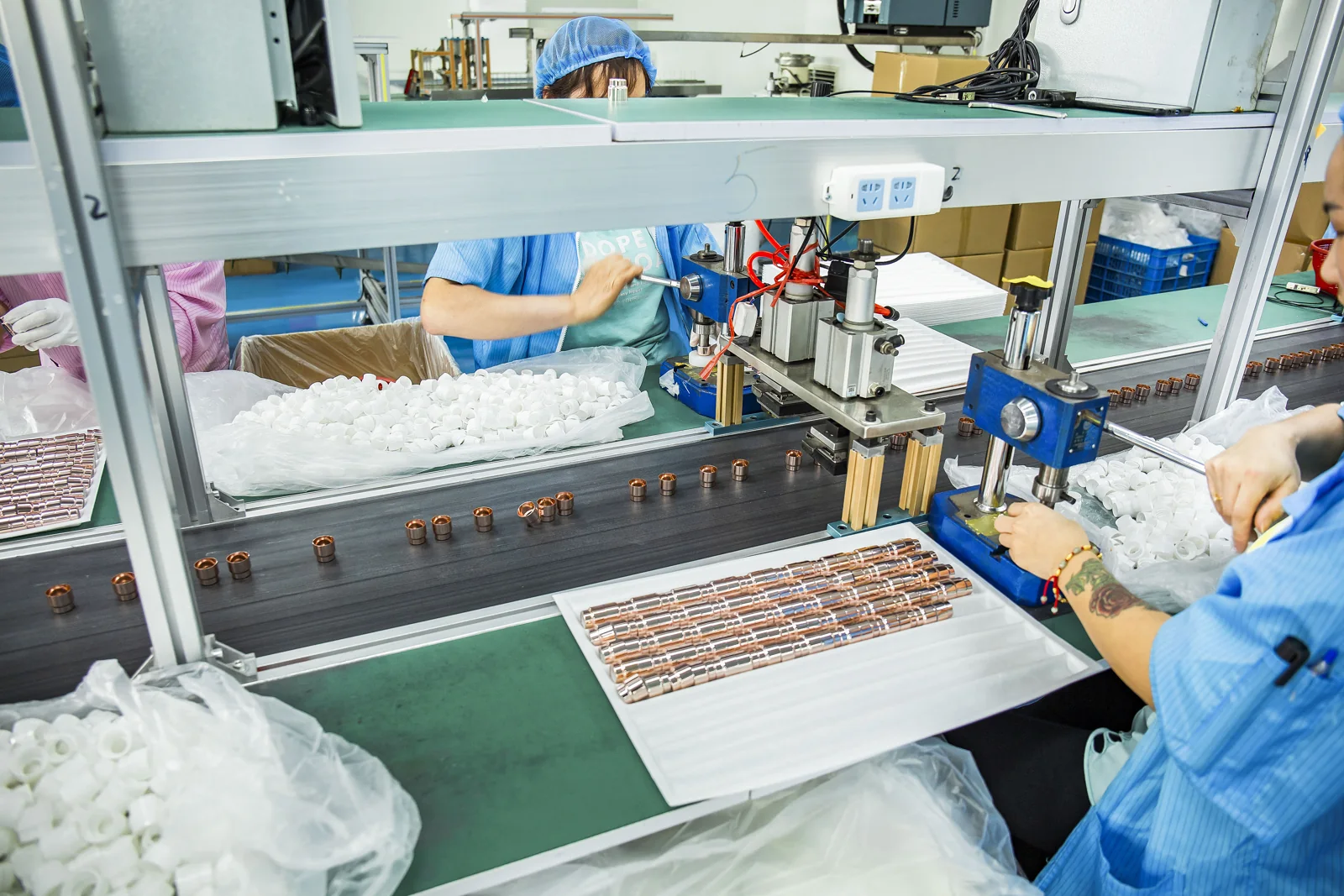
Operator positioning a cosmetic packaging component at an assembly fixture
On this page · 7 sections
- Match each sample to the decision it can support
- Give the complete sample an orderable identity
- Approve appearance on the proposed assembled presentation
- Keep formula, dispensing and line decisions with their responsible teams
- Release the order against agreed references, not a photograph
- Inspect the shipping pack
- FAQ
Approve a cosmetic packaging sample by identifying its complete configuration, separating appearance from functional checks, and documenting the decisions that authorise the proposed production order.
The sample looks right in a meeting. Its colour is accepted, the logo is signed off and purchasing asks for the production invoice. Before that handoff, check one practical detail: does the approved sample contain the same bottle, dispenser, seals and decoration proposed in the quotation? An attractive pack can settle the design while leaving its supply configuration unresolved.
Sample approval involves named decisions by the brand, packaging supplier and filler. Connect their evidence to one assembly reference, preserve the physical samples, and make outstanding questions visible before they become assumptions in the order.
Match each sample to the decision it can support
A stock packaging sample is an existing sample offered for an initial review of a model or component. Its material, finish, dispenser or production history may differ from the intended order. Ask the supplier to identify those differences. Stock availability is useful for shortlisting, but it does not turn the sample into a representative production approval unit.
A decorated sample supports review of the proposed appearance on the identified part. Confirm the artwork revision, surface process, colour reference and assembled presentation. The supplier should explain whether the body and components are also representative of the planned order. An appearance decision should not silently approve contact materials or dispensing behaviour that the reviewers have not evaluated.
A pre-production sample is a sample proposed for review before a defined production run. The term alone does not establish how it was made. Ask which tools, materials, components, processes and assembly steps match the production proposal, and which are provisional. Its usefulness depends on that documented relationship to the order, rather than the label attached to it.
| Cosmetic packaging sample approval stage | Useful decision | What still needs its own evidence |
|---|---|---|
| Stock or showroom sample | Shortlist appearance, size and handling direction | Exact production materials, matched components, decoration and supplied state |
| Undecorated matched assembly | Review the proposed component combination | Final appearance and any unperformed filled-pack or line checks |
| Decorated appearance sample | Review colour, artwork and finish on named parts | Formula compatibility, dispensing and shipping performance |
| Sample for filled-pack evaluation | Review actual contents with the identified assembly | Production or line equivalence outside the documented trial scope |
| Line-trial sample | Evaluate the configuration on the intended equipment | Other configurations or changes not represented in that trial |
| Proposed production approval reference | Retain a named reference for agreed attributes | Unlisted attributes, unstated limits or outstanding approvals |
A sample can serve more than one purpose if the configuration and evaluation support those decisions. State the scope in writing. If a sample uses a substitute pump while the final pump is being sourced, the brand can review its body colour without accepting that substitute as the ordered dispenser. Keep the accepted property and the unresolved component separate.
Ask which production materials and steps a sample represents. A colour sample in a different material or a hand-assembled unit can leave other decisions open. Identify those differences with the responsible team before deciding which properties to approve.
Give the complete sample an orderable identity
A complete sample identity includes the body code and capacity, proposed components, material references, drawing revisions and decoration version. It also identifies the physical unit or sample set reviewed. That combination lets purchasing describe the same pack the product team evaluated and gives the supplier a reference when an alternative component is proposed.
Oulete’s supplied catalogue lists ZK29, ZK29-1, ZK29-2 and ZK29-3 at 15, 30 and 50 ml. An approval saying only “ZK29 approved” leaves both the variant and size unclear. A useful record names the selected code and capacity, then attaches the actual dispenser, collar, cap and applicable seal references proposed for that configuration.
Do not infer shared parts from a common family name. If the brand selects companion sizes, identify each assembly and ask which parts the supplier proposes to share. Each SKU needs an explicit relationship to the approved sample and the component list in its quotation.
The Berlin Packaging neck-finish guide describes distinct finish dimensions. A listed bottle diameter therefore leaves interface questions to resolve through the relevant drawings. Attach the selected body and closure documents so a sample’s apparent fit is not the only description of the proposed pairing.
For a dropper pack, identify the bottle, closure, bulb, pipette and any applicable liner or insert. A bottle reference does not establish the applicator. The dropper pipette and wiper selection guide explains why fitted geometry and the actual contents need review. Keep those findings attached to the selected assembly rather than a generic dropper photograph.
| Identity field | Information to retain |
|---|---|
| Product configuration | Body code, capacity, proposed material and intended application |
| Matched components | Dispenser or dropper, closure, cap, seals and applicable inserts |
| Technical references | Current drawings and complete assembly reference |
| Appearance references | Part-specific process, colour reference and artwork revision |
| Physical samples | Sample identifiers, date received, photographs and retained locations |
| Trial relationship | Which samples were used for each evaluation and any known differences |
| Supply responsibility | Party supplying each part and proposed fitted or loose delivery state |
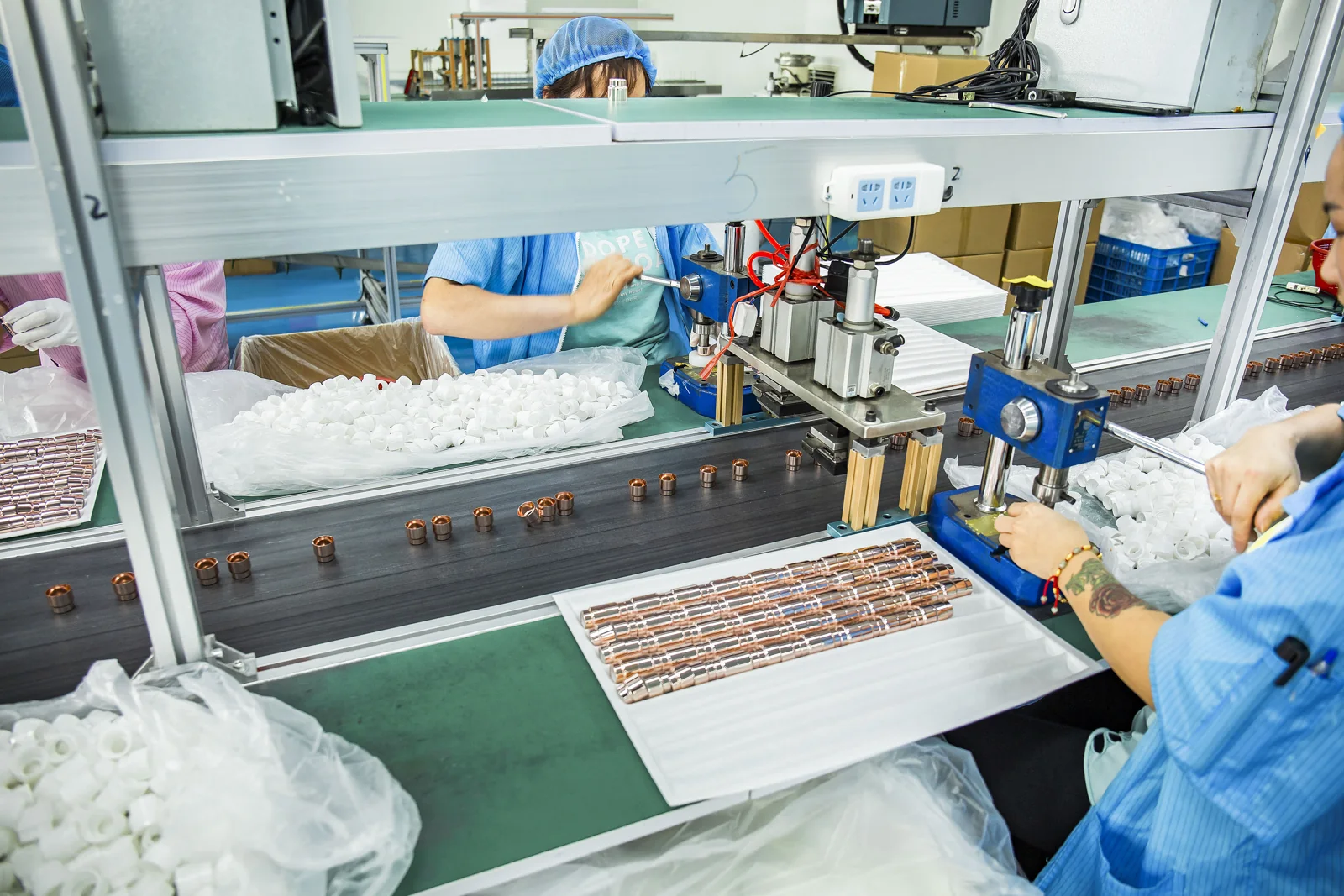
Oulete-supplied assembly photograph. The image illustrates an operation; the selected sample configuration and trial results belong in the project record.
Approve appearance on the proposed assembled presentation
Appearance approval defines the visual properties accepted for the named sample and viewing conditions. It can include colour, surface texture, artwork position and the relationship between decorated parts. The decision needs a usable reference, especially where a phone image cannot represent the feature the reviewers care about. Keep the agreed physical sample where future reviewers can locate it.
View the body with the proposed collar, actuator and cap. A logo centred on an isolated bottle can appear differently once the outlet or cap provides a visual orientation. Ask how the decoration process locates the part, identify the intended front view, and check the final-size artwork against the usable area of that specific component.
Approve each decorated part explicitly. A body colour decision does not automatically accept a collar colour or cap texture. Where the visual relationship matters, review the parts together and identify the physical references used for comparison. The colour-matching approval guide provides a separate record for part-specific colour decisions.
Oulete’s public decoration routes include screen printing, hot stamping, spray coating and electroplating. Select the process for the proposed part and substrate. A metallic-looking catalogue image describes an appearance direction; it does not identify the process, material or durability of the production proposal. The decoration overview is a starting point for requesting the appropriate sample.
If the artwork contains temporary text, a placeholder barcode or an unresolved graphic, identify that limitation on the decision sheet. Reviewers can accept an unrelated feature while leaving the affected item open. Keep final production artwork and its revision attached to the later release record so a photograph of a development sample does not become the only artwork reference.
State any required handling or contents-contact evaluation separately from appearance approval. A visual inspection does not establish resistance to rubbing, surface contact with the formula or transport exposure. Ask the responsible teams to agree the applicable method and acceptance criteria. The sample can then be assessed for the actual requirement without inventing a universal performance threshold.
Keep formula, dispensing and line decisions with their responsible teams
An empty sample cannot establish how the proposed assembly behaves with the intended contents. The responsible product team needs the contact-material information and a defined filled-pack evaluation. The filler needs the relevant assembly and equipment inputs. Agree who performs each review, what configuration is used and how unresolved results affect the production decision.
Aptar's laboratory-testing description separates dimensional analysis, functionality and compatibility work. That distinction is useful when defining an evaluation brief. The services and procedures described there belong to Aptar; they are not evidence that an Oulete pack has completed those checks. Request the project-specific evidence from the parties responsible for the proposed assembly.
Give the formula evaluation a controlled identity. If the brand does not disclose its full formula to the packaging supplier, it can agree a controlled formula code and a responsible evaluator. Link the filled samples, relevant observations and decision to that code. The supplier still needs the information agreed as necessary for proposing contact components and supporting the trial.
For dispensing, define the intended user action and required observations. A pump brief may need to distinguish preparation, normal operation and use near the end of the fill. A dropper brief may need to examine draw, withdrawal and delivery with the actual contents. The responsible team should select conditions and criteria rather than treating a demonstration with an unrelated liquid as qualification.
Thread engagement is not the entire closure review. APC Packaging’s closure guidance explains the relevance of the finish, application torque and liner to sealing. Ask the component supplier and filler for the proposed application requirements. Do not convert that general guidance into a guessed torque specification for an Oulete bottle.
The filler should identify the equipment interfaces it needs to review, including container presentation, handling surfaces, filling access and closure application where applicable. A showroom sample does not establish compatibility with a particular line. Document the assembly used in the trial, the proposed supplied state and any differences from the production configuration.
Attach raw observations to the appropriate review record. A comment such as “pump works” leaves the formula, sample identity and operation unclear. A useful entry identifies what was observed, under which agreed conditions, by whom and with which parts. The packaging compatibility plan can help organise that separate evaluation without setting unsupported universal test durations.
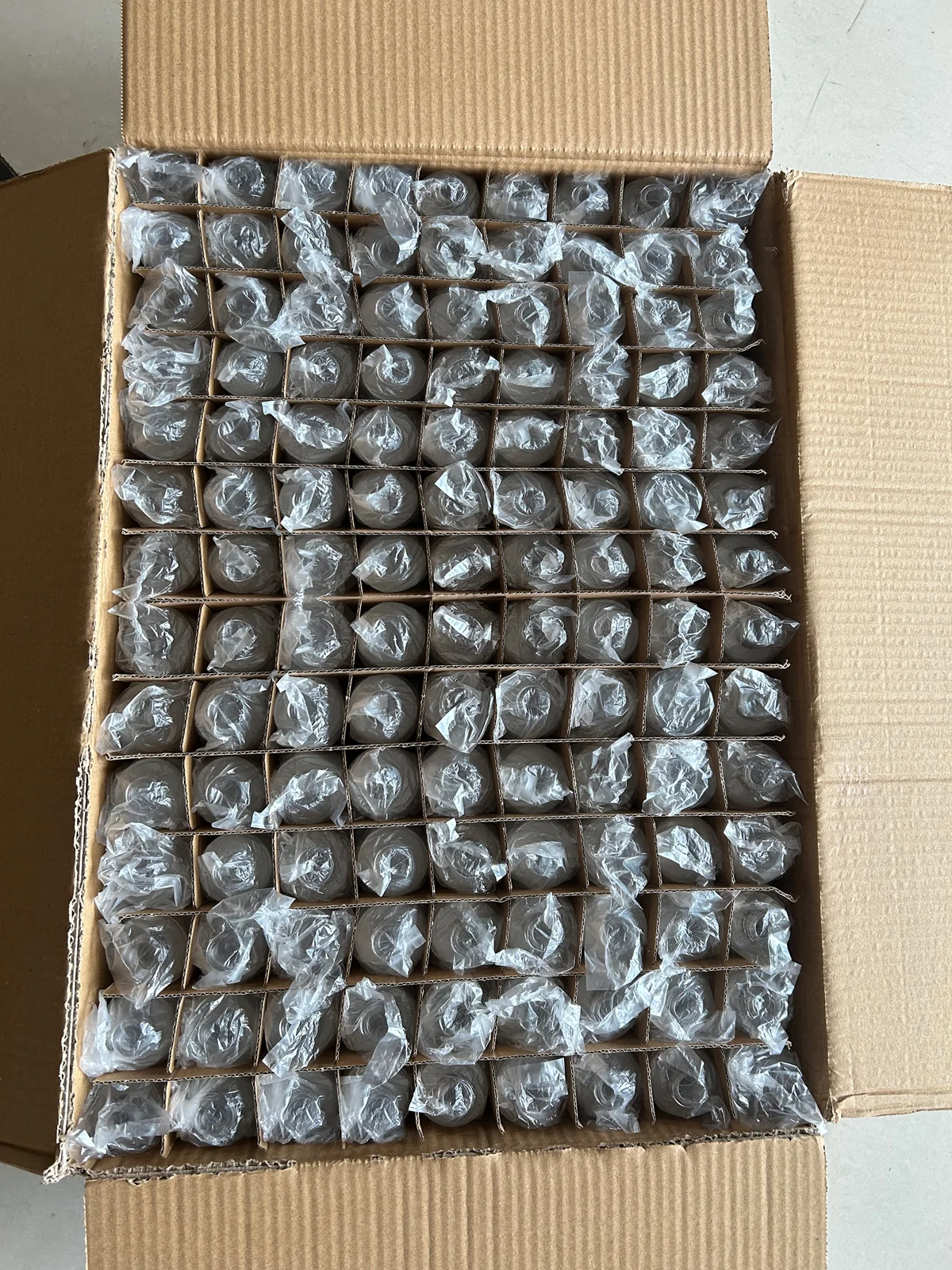
Oulete-supplied packing photograph. Agree the protection and packing arrangement for the actual finished configuration.
Release the order against agreed references, not a photograph
A production approval reference, sometimes called a golden sample, is a retained physical reference for agreed attributes of a defined configuration. Its name does not specify what has been approved. Pair it with the drawings, artwork, applicable evaluation decisions and commercial scope. A sample is most useful when a later reviewer can identify the property it is meant to represent.
Retain identifiable reference units with the relevant parties and document their locations. Decide how a changed or damaged reference is replaced. If the supplier proposes a different pump, resin, finish or artwork revision, identify the change and ask the responsible reviewers which approvals remain applicable. An old reference should not silently represent a new configuration.
Inspect the shipping pack
Packing also needs its own reference. Review the proposed protection for the finished appearance and the configuration that will actually be shipped. Record units per carton, dimensions and gross weight from that packing proposal. Ask whether decorated surfaces can touch during handling and agree the evidence needed for the intended transport arrangement.
Use the blank sample-approval worksheet to keep approved, pending and rejected decisions distinct. The empty fields are for the project team to complete; this is not a record of a completed factory test. Each decision should point to the configuration and evidence reviewed, with a responsible person and the next action where the item remains open.
| Approval area | Reference to attach | Person or team to name | Decision to document |
|---|---|---|---|
| Assembly identity | Body, component list and drawings | Packaging supplier and brand | Proposed configuration is identified |
| Appearance | Physical sample and artwork | Brand’s designated reviewer | Named visual attributes accepted or unresolved |
| Formula and dispensing | Identified filled-pack evaluation | Responsible product team | Results and limits of the reviewed configuration |
| Filling line | Filler’s requirements and trial record | Contract filler | Trial decision and remaining interface questions |
| Packing | Packed sample and protection proposal | Relevant supplier and buyer | Proposed arrangement and outstanding checks |
| Purchase release | Quotation and approved references | Authorised buyer | Scope, quantities, conditions and release decision |
Before release, resolve pending matters that affect the order with the authorised decision-makers. Oulete’s confirmed MOQ is 2,000 pieces for plastic packaging and 5,000 for glass packaging. Identify the supplied components, decorated versions and quantities in the actual proposal. The purchase order should identify the accepted configuration, quantity by version, packing and agreed timing.
Send an Oulete sample enquiry with the selected code and capacity, intended contents, supplied-state requirements and the decisions your team needs the sample to support. Attach the current references and identify the missing ones. This gives the supplier a defined proposal to prepare and leaves the final approval with the people responsible for the product and order.
FAQ
Is a stock sample the same as a pre-production sample?
A stock sample and a pre-production sample can have different relationships to the intended order. Ask which materials, components, processes and assembly steps each sample represents. A stock unit can help select a model, while a proposed approval unit needs a documented connection to the production configuration. The sample’s label alone does not establish that relationship.
Does an approved decorated bottle prove formula compatibility?
Appearance approval does not prove formula compatibility. The responsible team needs to evaluate the intended contents with the identified contact assembly under agreed conditions. Keep the formula code, component versions, observations and decision together. If the decorated sample used different contact parts from the proposed order, record that difference before using any results to support production.
What should a golden sample control?
A golden sample should control the named attributes recorded in its approval scope. Keep its identity, physical location, drawings and appearance references traceable. Functional or compatibility decisions need their supporting records as well. A retained sample does not set unstated dimensional tolerances, establish unperformed tests or automatically approve every property of a visually similar later pack.
Can a single colour sample approve every capacity?
A single colour sample does not automatically approve every complete configuration in a range. Ask which parts, materials and processes the reference represents and whether other sizes introduce differences. The reviewers can decide the applicable appearance scope while keeping assembly and functional decisions tied to each identified SKU. Document that scope rather than inferring it from a shared family name.
Who should approve the filling-line trial?
The party responsible for the filling line should define and review its equipment trial with the relevant project teams. The packaging supplier provides the proposed components and available interface information; the brand coordinates the product requirements. Keep the trial configuration and supplied state identified. Purchasing should not treat an unrelated showroom demonstration as the filler’s line approval.
What happens if the supplier proposes a substitute component?
A substitute component needs a recorded review before it is accepted into the approved configuration. Identify the part, revision, reason and affected interfaces. Ask the responsible teams which appearance, fit, formula, dispensing or line checks need repeating. Update the retained-reference and order records after the decision so the substitute is visible to everyone using the approved specification.
Photographed at Oulete
From the sample room to packed containers
See the facility and visible operations behind a packaging enquiry. For your selected assembly, ask which steps apply and request the corresponding sample and inspection records.