Cosmetic packaging · Made for your brand
Low-MOQ Cosmetic Packaging from China: Stock, Production and Split Deliveries
Compare stock purchases, factory orders and split deliveries for skincare launches. Separate the first shipment from total purchase and payment obligations.
Containers only — no compounding or filling.
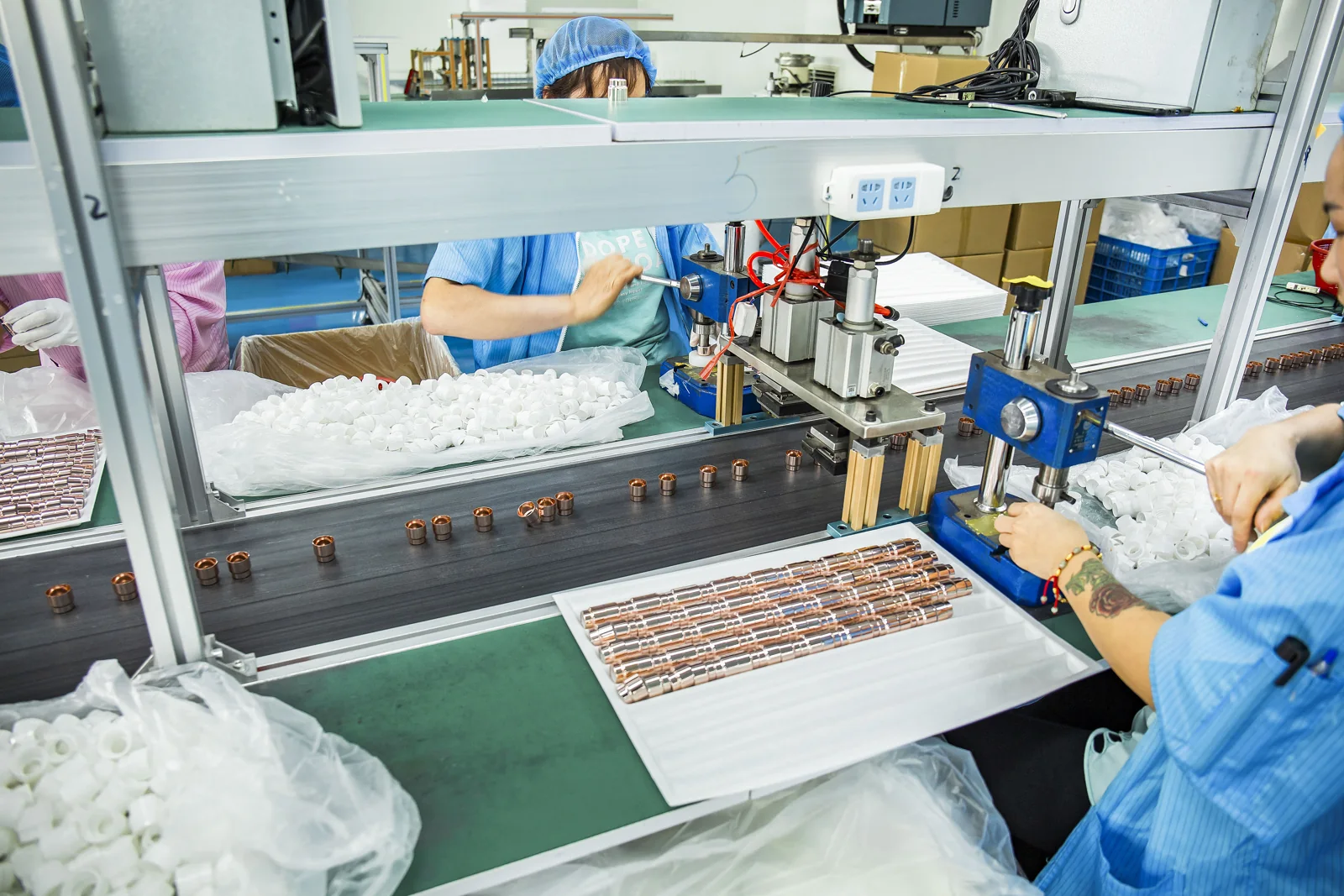
Operator's hands positioning a packaging component at an assembly fixture
On this page · 6 sections
- Stock, existing tooling and custom tooling are different purchases
- Put five quantities beside the launch date
- A 500-pack launch inside a 2,000-pack commitment
- Compare total exposure before comparing unit prices
- Make the China-to-filler handoff part of the order
- Send Oulete a launch quantity and a total commitment separately
A launch needs 500 bottles. A factory quotation starts at 2,000. The buyer asks whether the first shipment can contain 500 and receives a yes. Has the order become a 500-piece purchase? That depends on what the buyer agreed to buy, pay for and take later.
For low-MOQ cosmetic packaging from China, separate the quantity you purchase from the quantity produced, decorated, delivered and paid for at each stage. A small first shipment can still belong to a much larger order.
The useful question is specific: “What quantity am I committing to, and what happens to every unit that does not arrive with my first delivery?”
Stock, existing tooling and custom tooling are different purchases
Ready stock means packaging already made and offered for sale. A stock seller may be able to sell the quantity your launch needs without asking you to fund a new production run. The available bottle, material, colour and closure still need checking. A catalogue listing alone does not establish that a matching complete pack is available now.
An existing-tool order uses an established mould to make packaging for your project. It avoids developing that particular shape from scratch, but the selected material, colour, closure and decoration still form part of the quotation. “Stock mould” does not mean “finished stock.” Ask whether the proposed units already exist or will be manufactured after approval.
A custom-tool project adds geometry development and tooling decisions to the purchase. If your immediate goal is to learn whether consumers will reorder a new skincare product, consider whether that investment is necessary for the first launch. If the geometry is essential to the product, treat it as a development decision rather than negotiating only the opening quantity.
Beauty Packaging’s 2019 feature, “Low MOQs? No Problem”, described both stocked packaging and existing-mould production routes. Its supplier examples are historical. They illustrate different sourcing models, rather than current purchasing terms for a new project.
If several suppliers quote different minimums, use the complete-pack MOQ comparison to align the bottle, closure and finish first. This guide addresses the next decision: how much inventory and obligation the launch can reasonably accept.
Put five quantities beside the launch date
Production, decoration, purchase commitment, shipment and payment can happen at different times. An email saying “500 first” leaves most of the order undefined.
| Quantity or event | What the buyer needs to establish |
|---|---|
| Produced | How many units will be made, to which approved specification, and when they are checked and accepted. |
| Decorated | How many receive each artwork version, and whether the remaining units are blank, decorated or incomplete. |
| Committed | The total quantity the buyer has agreed to purchase, including any balance awaiting a later release. |
| Shipped | The quantity in each dispatch, its packing list and destination, with the final release date recorded. |
| Paid | Which amounts become due at each agreed event. A delivery schedule alone does not describe the payment schedule. |
Keep the unit consistent. Five hundred bottles without pumps are not 500 complete empty packs. If components remain separate until a later stage, describe the retained balance by component and assembly state. Record approval and acceptance responsibilities before calling that balance ready for filling.
The same discipline applies to a distributor handling the order. Ask who is selling the full quantity, who will hold any balance, and who will send the later delivery. Confirm whether the proposed arrangement changes those responsibilities or only changes the dispatch dates.
A 500-pack launch inside a 2,000-pack commitment
Consider a hypothetical brand launching one lotion. Its planning requirement is 500 complete empty packs for the first filling run. A proposed arrangement calls for 2,000 accepted packs, with 500 shipped first and 1,500 retained for later delivery. This is an illustrative purchasing scenario, not an Oulete quotation or an offer of storage, split deliveries or deferred payment.
The first shipment represents 25% of the total commitment. The remaining 75% is still 1,500 packs that the plan must account for. Sending less packaging to the filler initially can reduce the space needed there. It does not, by itself, reduce what the brand has bought or will owe.
Now test the arrangement against two possible launch outcomes.
If sales justify a repeat filling run with the same approved pack and artwork, the retained balance could support that plan, subject to the agreed release, condition and approval requirements. The buyer needs a way to identify the retained goods and check that the later shipment matches the approved version.
If the brand changes its product name after the first launch, 1,500 units already printed with the old name may no longer serve the intended product. Holding those units at another location has not removed the artwork decision. An alternative proposal might keep the balance undecorated, but that requires agreement on later decoration quantity, cost, timing and feasibility. Do not assume it is included.
Ask the supplier to complete this sentence in the quotation: “After the first shipment of 500, the remaining 1,500 will be held as ___, at ___, until ___; the buyer must ___.” Follow it with the agreed charges, payment dates and responsibility for loss, damage or a cancelled launch.
If those blanks stay unanswered, the phased plan is not ready for an order. You have a proposed dispatch sequence without a complete purchasing arrangement.
Compare total exposure before comparing unit prices
A higher unit price for an actually available stock purchase can be reasonable when it lets a brand buy only the approved launch quantity. A lower unit price on a larger production commitment can be reasonable when the brand has a credible use for the balance. Neither conclusion follows from the unit price alone.
For each proposal, write down the money payable before the first filling run, the money due later, and the inventory still held after that run. Include separately quoted setup, decoration, packing, transport and storage charges. Leave unknown costs open for confirmation; a blank cost is not a zero cost.
Return to the example. A purchase of 500 suitable stock packs and a commitment to 2,000 factory-produced packs can both produce a first delivery of 500. They expose the buyer to different remaining quantities. Without actual prices and written terms, there is no defensible calculation showing which is cheaper for this launch.
Choose the route according to the unresolved decision:
- Demand is uncertain: investigate a suitable stock purchase and limit early artwork variants. Verify the exact pack before approving it for filling.
- The pack is approved and repeat demand is credible: compare a production order with taking the full delivery against a separately quoted phased arrangement. Check the balance obligations in both cases.
- The design must be distinctive: assess existing-tool customization before deciding whether new geometry justifies a tooling project. Keep development approval separate from the sales forecast.
A split-delivery proposal needs written answers on storage period and charges, access to retained goods, condition checks, insurance or other loss arrangements, cancellation, obsolete artwork and the final release deadline. Ownership and risk should be explicit in the agreed terms; do not infer them from who physically holds the cartons.
Make the China-to-filler handoff part of the order
The destination for empty packaging may be a contract filler, a distributor’s warehouse or the brand’s own facility. State the actual receiving location and who will coordinate it. “Ship to our filler” needs a named contact, a delivery scope and a receiving process.
Before releasing production, give the filler the selected complete pack and agree who approves formula compatibility, filling and closure application. Keep the approved bottle and closure references with the drawing and artwork revision. Oulete’s component material record guide covers that specification record in more detail.
Before dispatch, agree carton quantities, protection, marks and any pallet requirements with the receiving party. Have the party arranging import clearance identify the information needed for the actual shipment. Request a current transport and import-cost proposal for that shipment; a general claim about China sourcing does not establish its delivered cost.
At receipt, reconcile the packing list with the quantities and lot identifiers received, and record discrepancies before the next release. For a retained balance, preserve the link between the order, approved version, holding location and later dispatch. If anything changes, resolve whether the change affects the balance, the next production run or both.
For a broader comparison of supplier responsibilities, use the China-versus-US sourcing guide. Country is only one part of the proposal; the selected configuration and agreed process determine what the buyer is evaluating.
Send Oulete a launch quantity and a total commitment separately
Oulete’s container production baseline is 2,000 pieces for plastic containers and 5,000 for glass containers. Those figures do not confirm ready stock, a complete decorated pack, a selected PCR version or a delivery date. Pumps, closures, colours, decoration, special mechanisms and any new tooling need project-specific confirmation.
For a useful first enquiry, describe the product and target fill, the required complete pack, the quantity needed for the first filling run, and the total quantity you are prepared to commit to. Add the receiving location and whether the deadline means dispatch or arrival. Attach the design direction and identify any artwork or formula decision still open.
If the launch quantity is below the production baseline, say so at the start. Ask which routes can actually be quoted for that specification. Do not assume that several SKUs can share a minimum or that a smaller first delivery changes the production commitment. Any proposed stock, storage or phased supply arrangement needs explicit confirmation before you plan around it.
Use the indie-brand packaging route to prepare the brief. Request a proposal that states both numbers clearly: the complete packs needed for launch and the total purchase you are willing to make.
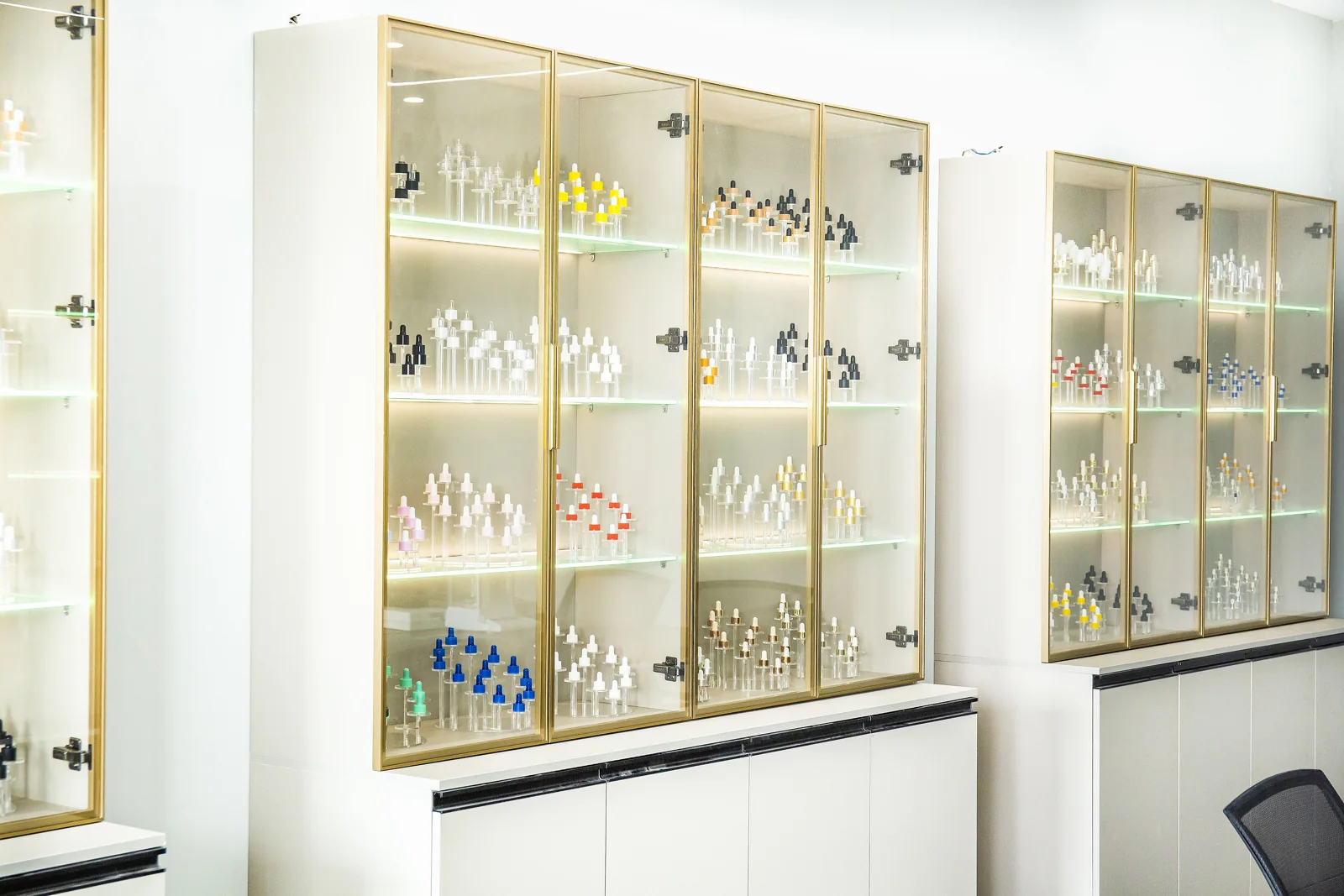
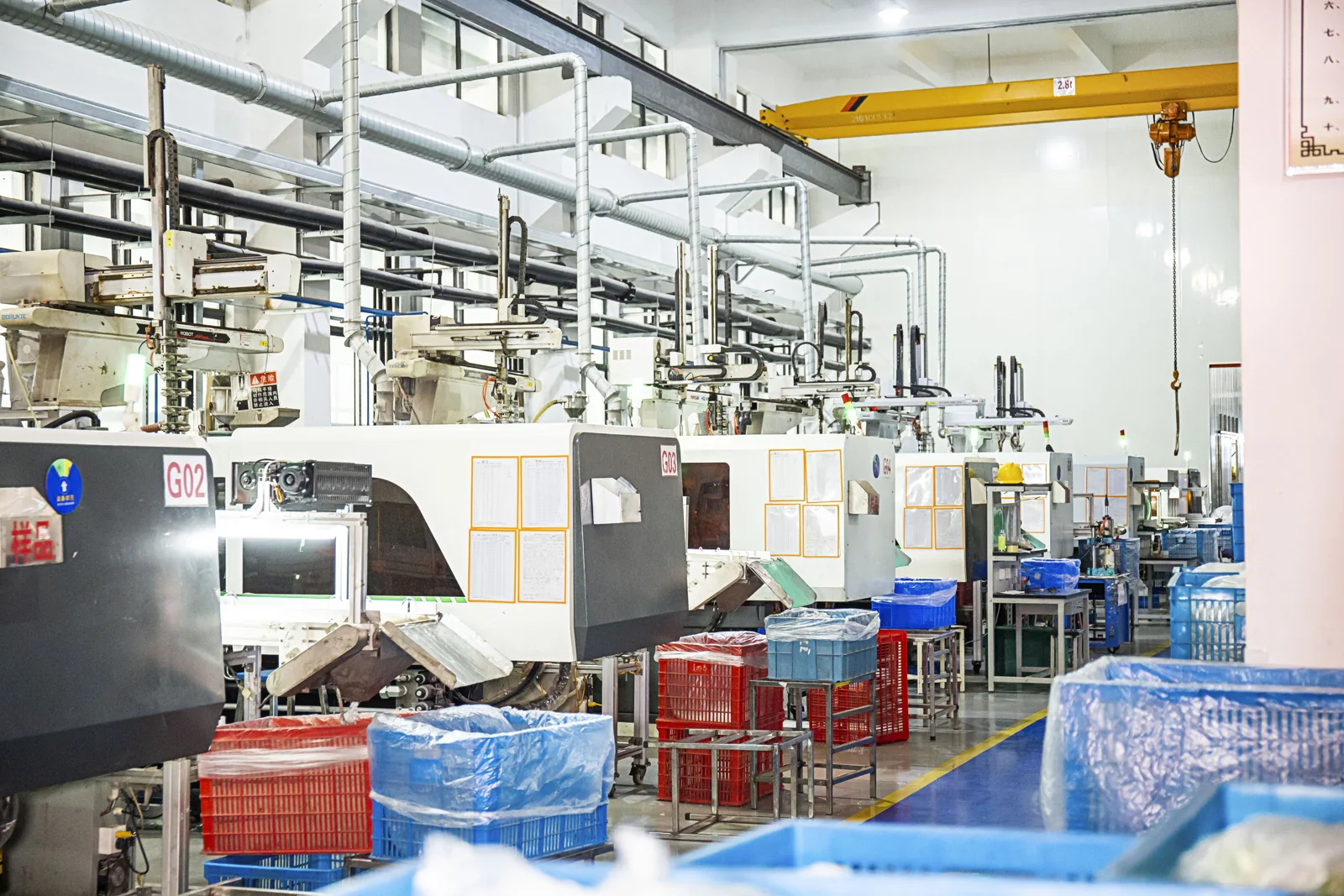
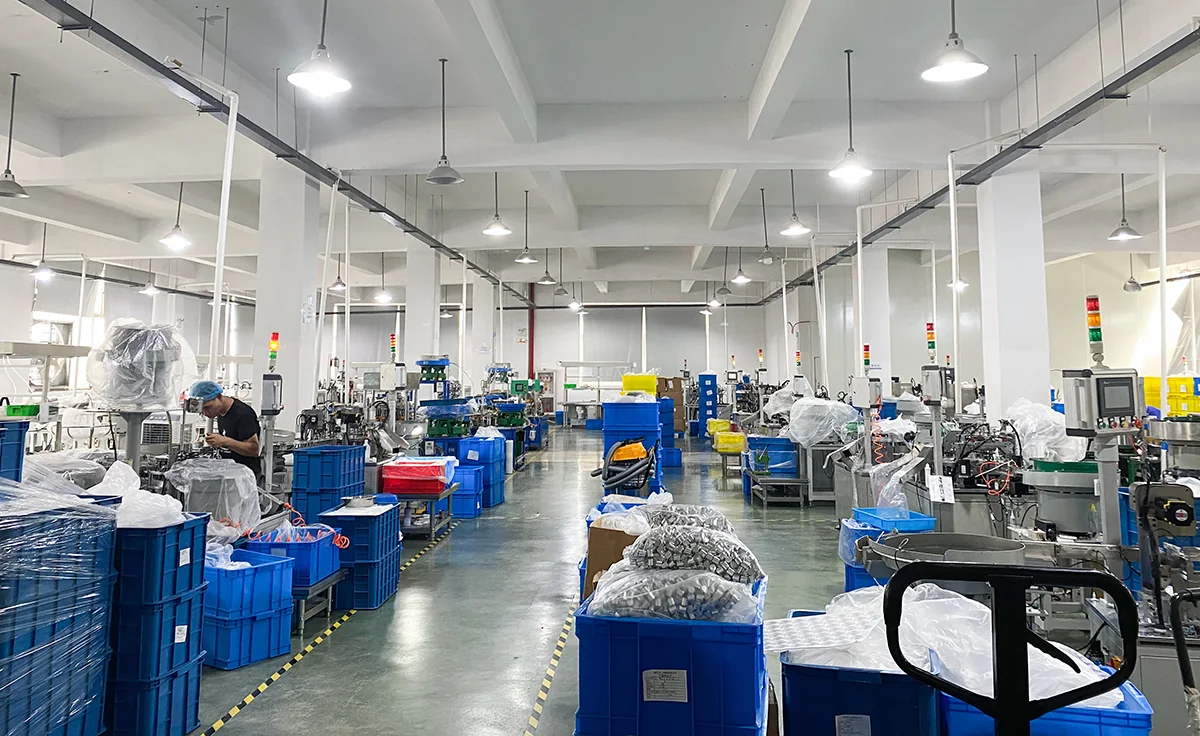
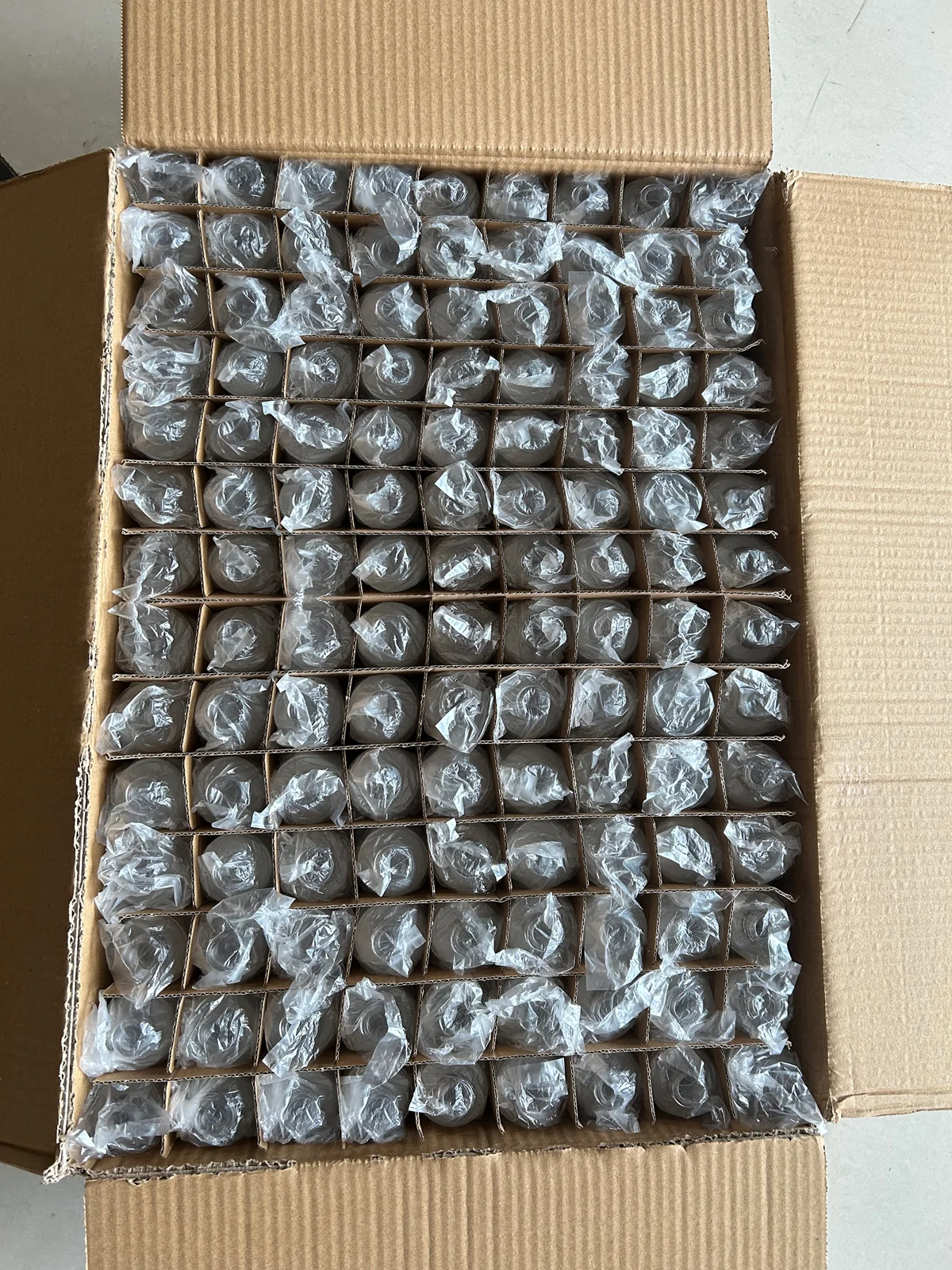
Photographed at Oulete
From the sample room to packed containers
See the facility and visible operations behind a packaging enquiry. For your selected assembly, ask which steps apply and request the corresponding sample and inspection records.