Flip-Top vs Screw Caps for Cosmetic Tubes: How to Select and Approve the Closure
A flip-top cap keeps the lid attached for repeated dispensing; a screw cap is removed and replaced by turning. For a cosmetic tube, neither type guarantees a better seal. Choose the actual tube-head and closure assembly, then approve its…
A flip-top cap keeps the lid attached for repeated dispensing; a screw cap is removed and replaced by turning. For a cosmetic tube, neither type guarantees a better seal. Choose the actual tube-head and closure assembly, then approve its handling, sealing and filling-line fit with your formula and the supplier’s documented sample.
This guide is for skincare brands, packaging buyers and contract fillers choosing a closure for a squeeze tube. Photographs show historical Oulete-supplied packaging samples as visual references. They do not establish current model availability, exact materials, compatibility or test results; confirm the proposed assembly in your quotation.
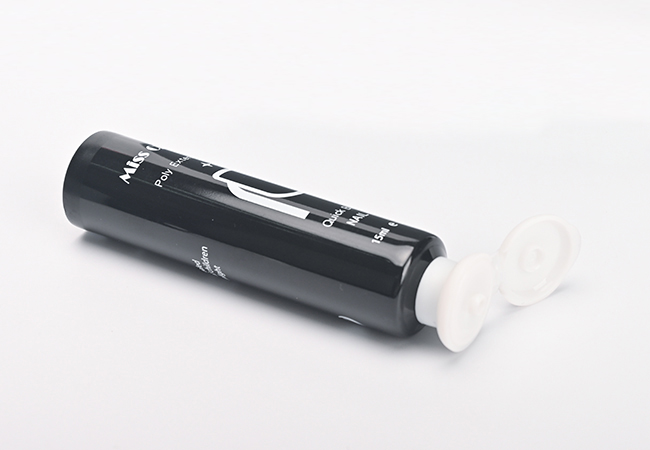
Historical Oulete sample: an open hinged cap shows the dispensing area. It is a visual reference, not a verified current model or leak-test result.
Start with the two decisions the cap has to make
The first decision is how the consumer gets product out. A flip-top generally opens the hinged lid while its base remains on the tube head. A screw closure is turned off to expose the dispensing opening; the consumer must put it back and turn it closed. A screw-mounted flip-top can use both a threaded base and a hinged lid: “flip” describes how the lid opens, not necessarily how the base joins the tube.
The second decision is how the closure stays attached and seals. Ask for a section drawing or an actual disassembled sample. Depending on the design, the cap base can be threaded or use another attachment. A flip-top may have an orifice and a closing plug or sealing surface inside its lid. A screw cap may close against the tube head or a separate insert. Confirm the actual construction, not an assumed universal design.
On small screens, swipe the table sideways to see all columns.
Compare the complete tube and cap, not just the cap name
Buyer question
Comparison and decision
Use
Flip-top direction: Hinged lid stays attached; check the opening tab, hinge and handling with the user's intended grip.
Removable screw-cap direction: Separate lid must be placed down and replaced; check grip, alignment and the number of turns on the sample.
Sealing points
Flip-top direction: Review both the cap-base-to-head interface and the lid-to-orifice closure.
Removable screw-cap direction: Review the cap-to-head interface and any liner or internal plug actually supplied.
Residue
Flip-top direction: Inspect the outlet and lid interior after dispensing; product around the orifice may interfere with reclosing.
Removable screw-cap direction: Inspect the nozzle, threads and cap interior after dispensing; residue can affect handling and cleaning.
Filling and presentation
Flip-top direction: Verify cap height, closed-lid retention and hinge orientation in the holder and final artwork.
Removable screw-cap direction: Verify the full cap profile, orientation where needed, and the supplied cap-on state.
Before purchase
Flip-top direction: Compare the quoted cap, hinge and tube head with a matched filled sample.
Removable screw-cap direction: Compare the quoted cap, tube head, nozzle or liner with a matched filled sample.
DEZHOU’s tube-closure catalogue groups flip-top, screw and other closure directions and tells buyers to review the tube connection. LumLun’s flip-top range asks buyers to check hinge orientation and cap sealing details. Those pages describe the respective suppliers’ products; their specifications do not establish an Oulete model or a universal fit.
Identify where a leak could start
A wet mark near the cap does not tell you which interface failed. On a flip-top sample, examine the base-to-head joint separately from the outlet closed by the lid. On a removable cap, examine the cap-to-head sealing area, the nozzle and any liner or insert. Then check the tube shoulder, body seam and filled tail separately. A stain on the outside can travel from one location to another; preserve the sample and record the original orientation before opening it.
Before testing, ask the supplier to mark on the drawing where sealing is intended to occur and which components create it. Record the cap and tube drawing revisions, any liner or plug reference, and whether the cap is preassembled. If the lid is hinged, record the lid-closed condition and the intended hinge orientation. A cap that looks closed is not proof that the sealing surfaces have engaged correctly.
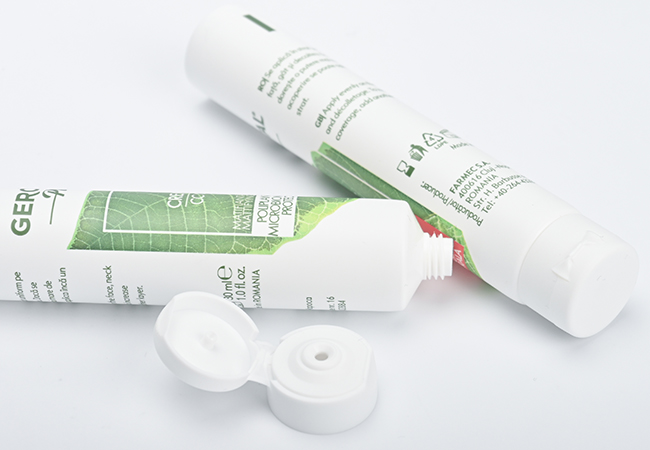
Historical Oulete sample: the separate view helps identify a lid and dispensing opening. Attachment and sealing geometry still need a drawing and matched assembly.
Check the tube head and cap as a matched pair
Give the supplier the tube-head drawing, closure drawing and the complete assembled sample. The tube body diameter alone is not the thread or attachment specification. Likewise, a familiar neck designation does not prove that a cap from another source will engage correctly or close against the intended surface. Where the cap and tube come from different suppliers, assign one party to coordinate the interface review and identify the approval owner.
Ask the supplier which dimensions control engagement and sealing, and how they are checked. On the physical sample, look for incomplete seating, cross-threading where applicable, uneven gaps, distortion or interference with decoration. Agree any application and removal torque only for the actual screw assembly and equipment. Our cap torque and opening-test guide explains the information needed to compare a report; it does not prescribe a limit for this tube.
Also distinguish the cap’s outside finish from its base material. A metallic appearance alone does not establish a metal cap. If formula may contact the nozzle, liner or lid, identify the material of each relevant part and include those parts in the product team’s compatibility review.
Compare use with the real formula
Put the intended formula into representative assemblies and ask the product owner and filler to agree the trial conditions. Observe opening with the intended grip, dispensing without excessive force, and the user’s ability to close the cap again. For a flip-top, check that the lid reaches the intended closed position after product has accumulated around the opening. For a screw cap, check that the user can replace the cap without catching the thread or smearing the surrounding surface. Record observations and photographs against the sample revision.
Formula texture and drying behaviour can change the outcome. A water-only demonstration can reveal a visible fit problem but does not establish how a particular cream behaves around an outlet or liner. Compare the filled product after agreed storage, repeated use and transport conditions. The brand’s product-development team should set relevant compatibility and stability work for the actual formula; the sample check is not a claim of shelf life.
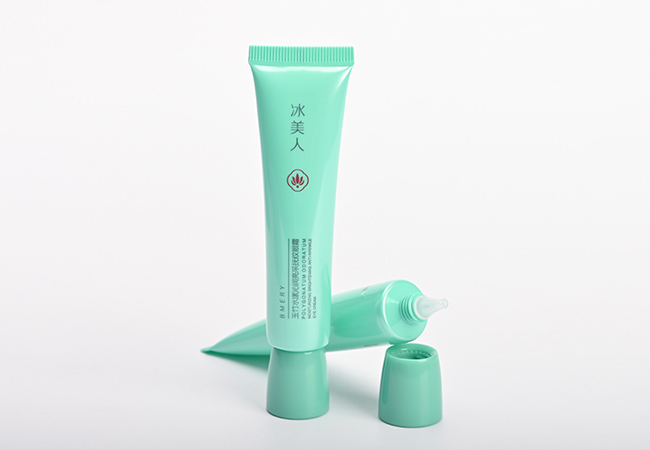
Historical Oulete sample: a narrow nozzle and separate cover. Confirm the exact attachment and contact parts before selecting this format.
Give the filler a workable cap specification
Ask whether tubes arrive with caps fitted, what protects the dispensing opening and whether the tail is supplied open. A cap-on sample may be useful for appearance approval but does not by itself confirm the tube’s production supply state. The filler should review the actual assembled geometry in its holder, with the selected head and cap, before a production order. A hinge, tall cap or unusual shape may affect orientation or clearance on a particular line.
Agree who checks the cap-to-head attachment before filling, who inspects the closed lid or cap at pack-out, and who owns the decision if a leak appears. Include the tube body and closure references, drawing revisions, approved sample, formula identifier, artwork revision and intended supply state in one handoff. For the full distinction between cap-end configuration and the tube’s open or closed tail, see the tube filling and sealing handoff.
Build an approval record before the purchase order
On small screens, swipe the table sideways to see all columns.
Proposed sample-review matrix; set the actual method and limits with the responsible parties
Check
Comparison and decision
Identity and fit
What to capture: Tube head, cap and insert references; drawing revisions; assembled and disassembled photos; seating observations.
Decision owner to agree: Packaging supplier and brand.
Opening and reclosing
What to capture: Who uses the sample, opening action, lid engagement or screw alignment, observations after repeated use.
Decision owner to agree: Brand and supplier.
Filled-pack review
What to capture: Formula reference, condition, sample orientation, timing, visible residue, leak location and photographs.
Decision owner to agree: Brand’s product team, filler and supplier.
Line handling
What to capture: Supply state, cap orientation, holder and clearance review, any trial outcome and approved line configuration.
Decision owner to agree: Contract filler and packaging supplier.
Shipment and release
What to capture: Carton arrangement, handling route, acceptable findings, open deviations and the retained approved sample.
Decision owner to agree: Brand with filler and supplier.
Agree the sample count, observation times, acceptance criteria and escalation process before the work starts. Retain failures as well as acceptable samples, and link a correction to the changed drawing or component revision. Do not reuse a result after changing a cap, nozzle, liner, resin, decoration or formula without deciding which checks need to be repeated.
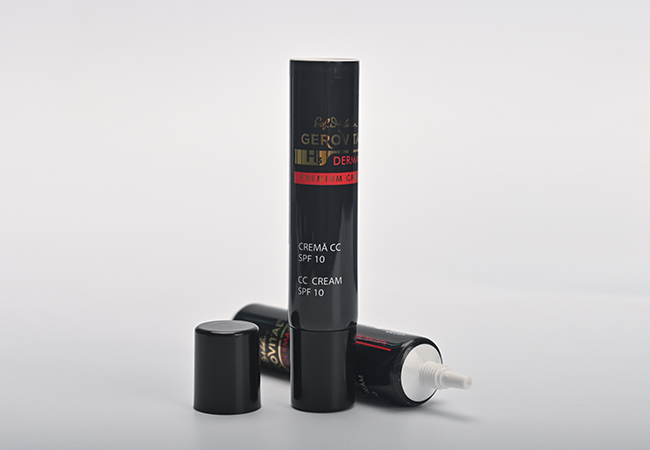
Historical Oulete sample: a separate cover and narrow dispensing tip. The photograph does not establish a specific current closure, compatibility or leak performance.
What to send when requesting a quote
Share the intended product and fill quantity; tube body dimensions or the supplier’s exact tube reference; the desired flip-top or removable cap action; a description of the opening and any liner, nozzle or first-opening feature; preferred cap orientation, colour and finish; expected order quantity, destination and target date. Include the approved sample or drawing if one exists, plus the proposed filling and sealing route.
Ask for the component list, drawing revisions, sample and decoration charges, component-specific minimums, production lead time after approval, and who will supply and assemble each part. Tube and closure minimums depend on the selected project; do not assume that a container baseline applies to an entire decorated tube-and-cap assembly. Start with Oulete’s cosmetic tube overview and caps and closures overview, then request the exact combination for review.
FAQ
Is a flip-top cap always a snap-on cap?
No. Flip-top describes a hinged consumer lid. The base may use a threaded or another attachment, depending on the design. Confirm both interfaces in the selected assembly.
Is a screw cap more leak-resistant than a flip-top?
Not automatically. Leakage depends on the actual sealing surfaces, fit, formula, closure application and handling. Compare production-representative filled samples using agreed conditions.
Can I replace a tube cap with one of the same diameter?
Not on diameter alone. Request the head and cap drawings, including attachment and sealing features, then review physical fit and the complete filled pack. The body diameter is not the closure interface.
Does a flip-top mean the tube is tamper-evident?
No. A hinged lid may be opened and closed again. If first-opening evidence is required, specify the proposed feature and have its performance and applicable market requirements reviewed for the exact product.
Can a tube with its cap fitted still be filled from the tail?
Possibly, when supplied with the tail open and compatible with the filler’s line. Confirm the delivered state, installed equipment and the closing method; a finished display sample does not establish the production supply configuration.
What is the MOQ for a flip-top or screw-cap tube?
It depends on the selected tube, cap, materials, decoration and sourcing arrangement. Request the minimum and price for each component and the assembled order; do not apply a generic container minimum to the complete pack.
Photographed at Oulete
From the sample room to packed containers
See the facility and visible operations behind a packaging enquiry. For your selected assembly, ask which steps apply and request the corresponding sample and inspection records.
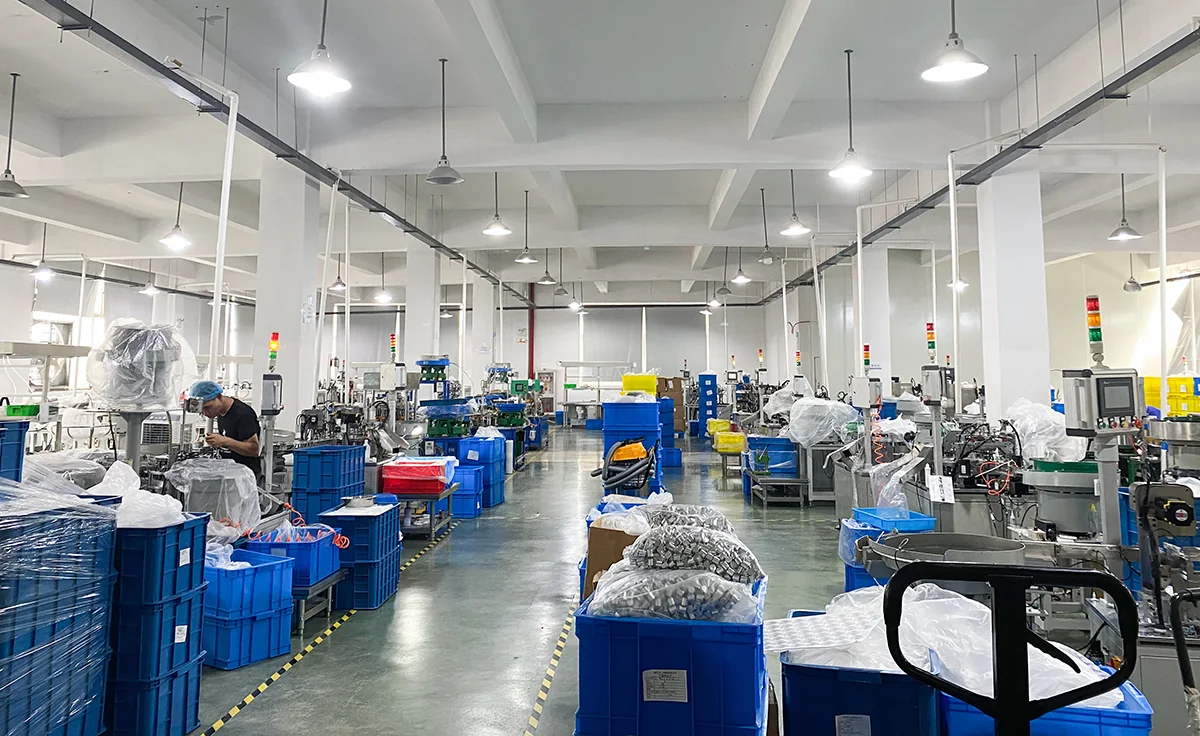
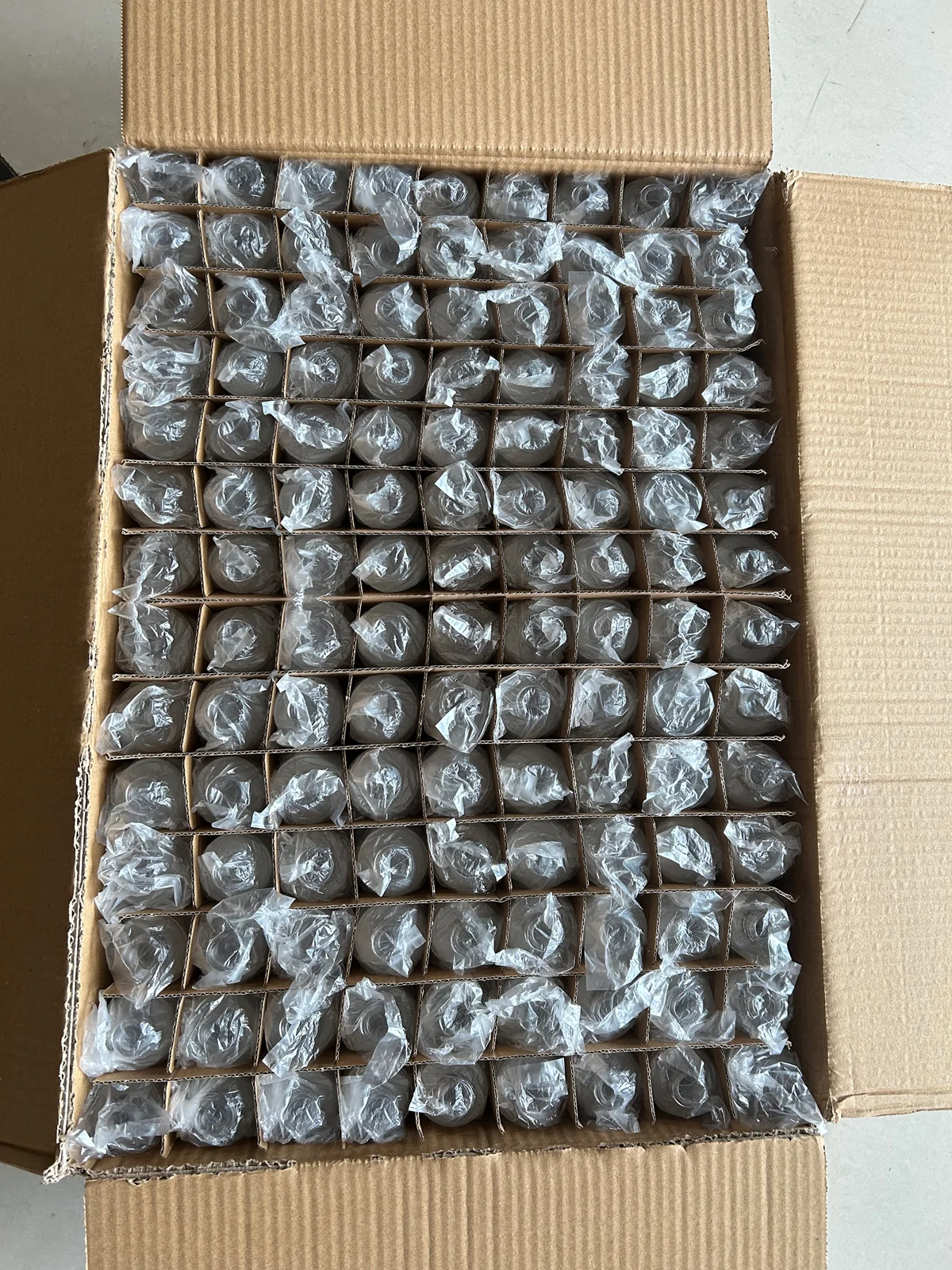
Cosmetic packaging samples displayed in the Oulete showroom.Row of injection molding machines in the Oulete workshop.Wide view of the Oulete packaging assembly workshop.Cosmetic containers separated by protective packaging inside a carton.
Research with AI
Paste this prompt into your assistant. Check its answer against the page and the approved packaging specification.