Cosmetic Packaging Defect Reports: How to Review a Supplier Corrective Action
A replacement sample can look acceptable while the cause of a packaging defect remains unresolved. For a cosmetic brand or contract filler, the practical question is not just whether the supplier has sent an 8D or corrective-action report…
A replacement sample can look acceptable while the cause of a packaging defect remains unresolved. For a cosmetic brand or contract filler, the practical question is not just whether the supplier has sent an 8D or corrective-action report. It is whether the response identifies the affected stock, explains what evidence supports the proposed cause, and gives the people releasing material a way to verify the action worked.
Start with the agreed specification and the actual component and lot. Keep containment, commercial settlement, disposition of this order and prevention of recurrence as separate decisions. This guide is an educational framework; it does not describe an actual Oulete incident, test result or guaranteed supplier procedure.
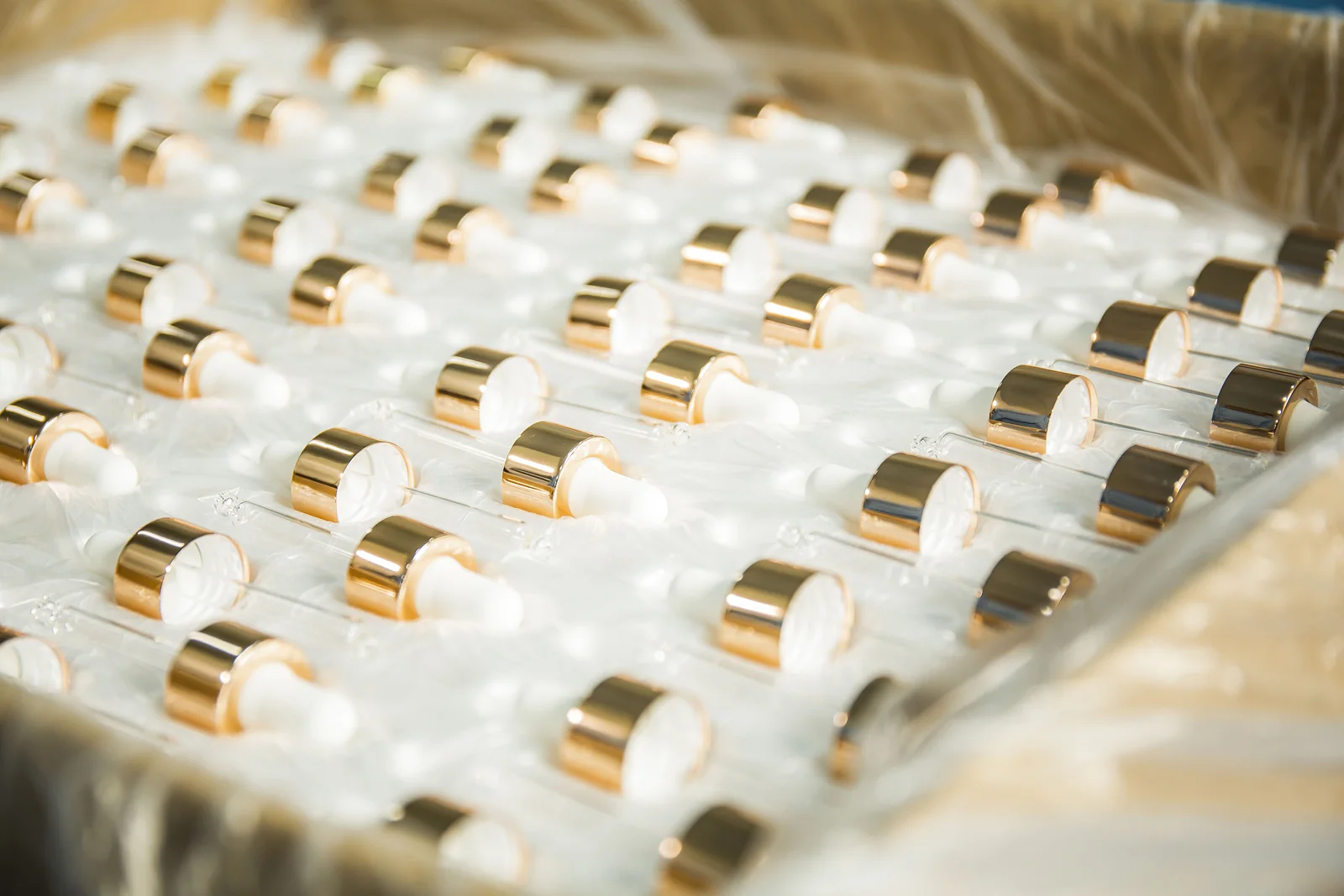
Oulete factory photograph: packaging components arranged on trays. The image provides component context; it does not show a reported defect.
What should a packaging corrective-action report answer?
It should connect an observable departure from an agreed requirement to the population at risk and then to evidence for both the proposed cause and the response. A useful report names an owner and records what remains unknown. It distinguishes a correction of the units already affected from a corrective action intended to prevent the same cause recurring. Neither label by itself authorises a lot for use.
On a narrow screen, swipe the table horizontally to see all columns.
Questions the buyer can use to review a supplier response
Decision
Ask for
Weak answer to challenge
Define the deviation
Part and revision, agreed limit, location and appearance, when and where it was observed, comparison samples and photographs.
“The quality is poor,” without the applicable requirement or a traceable sample.
Contain and scope
Lot and carton identifiers, quantities and locations including supplier stock, transit, filler and finished goods as applicable; unknown quantities marked unknown.
“The affected pieces were removed,” with no inventory reconciliation.
Explain occurrence
Evidence linking a proposed mechanism to the observed defect and checks against plausible alternatives.
“Operator error,” with no explanation of what allowed it.
Explain escape
What detection step should have found it, its actual limits, and evidence for why it did not.
“Inspection missed it,” with no inspection record or comparison to the defect.
Decide release and follow-up
Documented disposition, authority, action owner, implementation evidence and an agreed effectiveness check.
A clean replacement sample treated as proof that all stock is acceptable.
If the defect is first found at receipt, start with the incoming inspection and discrepancy record. If the issue concerns a closure’s appearance, use the cap visual inspection guide to describe the affected surface and observation point. Those records feed the investigation; they do not by themselves prove the cause.
1. Preserve the evidence before discussing fault
Keep affected and comparison samples identifiable by part, finish, order, lot and carton where known. Record the inspection point: loose on receipt, after unpacking, after the filler applies a component, or after storage or transport. Photograph the defect and an agreed reference under documented viewing conditions. If practical, retain the original packaging and keep a chain of custody. Avoid cleaning or reworking the only representative sample before the parties agree how it will be assessed.
List relevant specification revision, approved sample, supplier lot records, packing configuration and filler set-up records. Request the actual documents needed to investigate; their existence and applicability must be confirmed for the order. If the agreed visual limit is missing or disputed, record that gap rather than inventing a rejection threshold. Quality, safety and contractual disposition belong to the authorised parties for the product and market.
Historical Oulete factory image of components with decorative collars. It is not evidence of a defect or an acceptance limit.
2. Reconcile the containment boundary
A lot number is a starting point, not proof that every unit in that lot is affected or that other lots are unaffected. Map the same component and relevant process window through supplier-held material, goods in transit, warehouse stock, filler stock and any packs already assembled. Record each location and stock status: physically identified and held, used, released by an authorised decision, or not yet accounted for. Avoid adding the same stock twice as it moves between locations.
Separate the quantity inspected from the total quantity potentially affected. A count of defective pieces is not an estimate of the whole lot’s defect rate unless the sampling design supports that inference. Document who controls each location and who can change its status. A sort may recover usable material, but agree the method, traceability, reinspection and disposition before it is used.
3. Challenge both the occurrence and the escape cause
The occurrence cause explains how the defect could be produced; the escape cause explains why the relevant control did not detect it before the next handoff. They may belong to different stages or organisations. For each proposed cause ask: what observation supports it, what competing explanation was examined, which record or comparison could contradict it, and what evidence is still missing?
Graco’s published supplier corrective-action instructions explicitly ask suppliers to address failure and detection causes. Its particular deadlines and follow-up requirements are specific to Graco; they should not be presented as universal packaging rules or Oulete commitments. PACKRIVA’s nonconformance guide also separates containment, cause and effectiveness. Adapt the depth of investigation to the actual risk and evidence available.
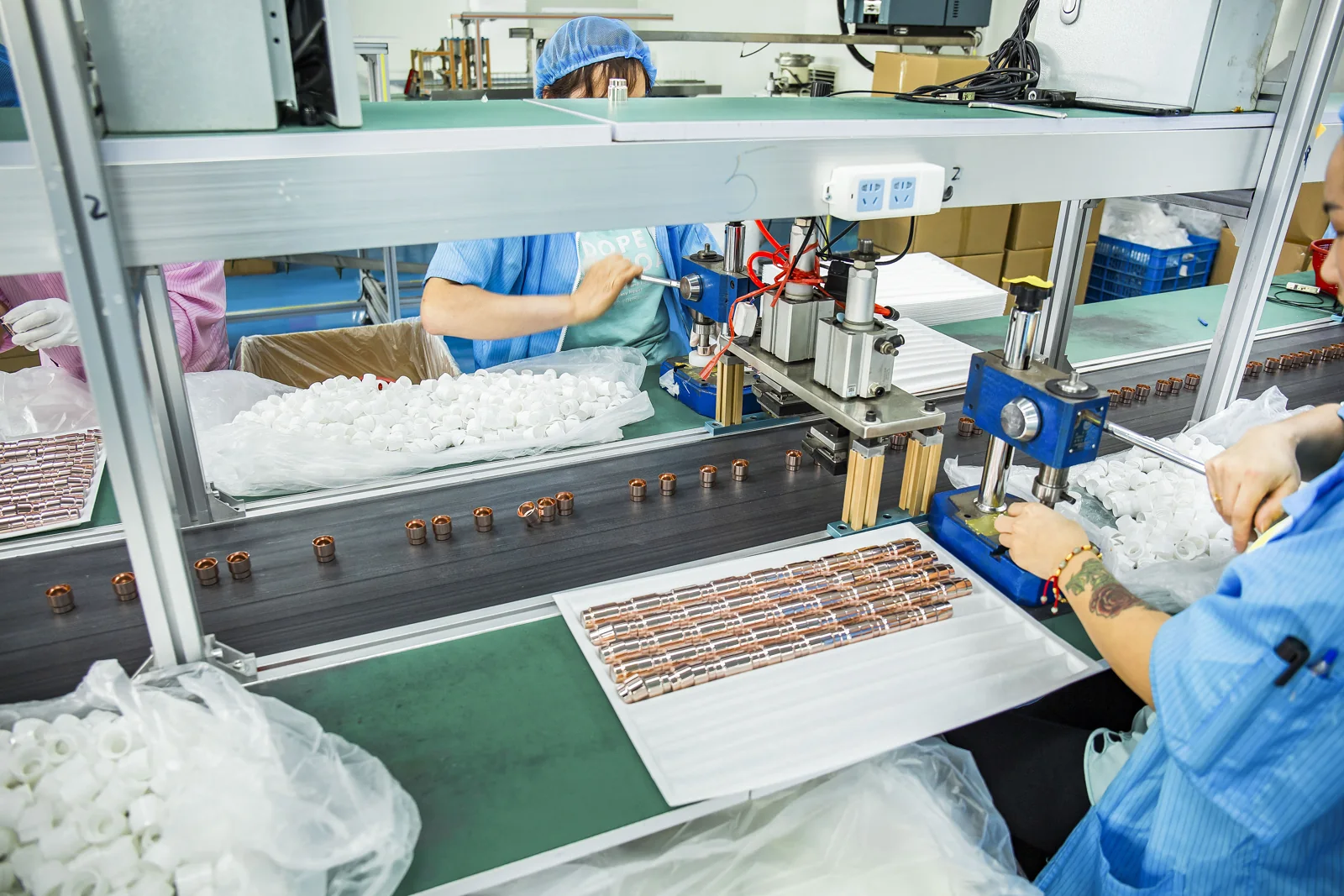
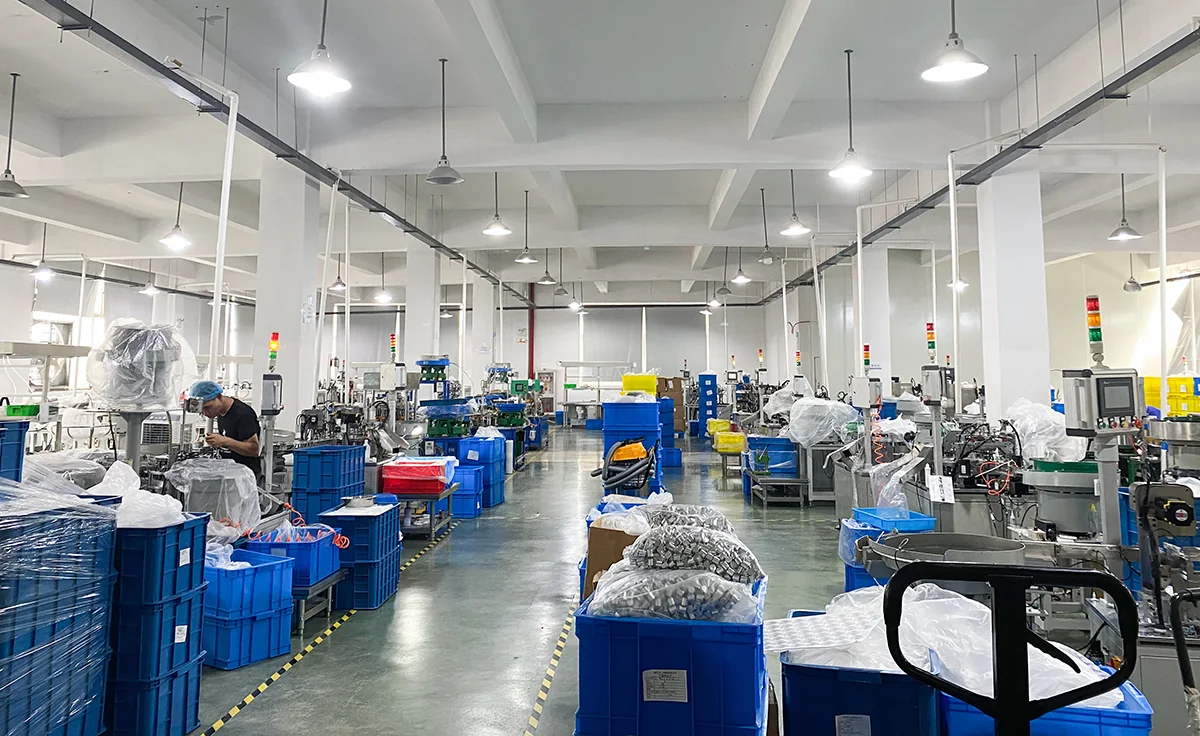
Oulete assembly work area shown for context. This photograph does not establish the cause of a defect or document a corrective-action test.
Worked example: printed decoration rubs off — a hypothetical case
Assume a brand receives decorated empty containers. During unpacking at the filler, some printed areas show transfer or scuffing; the approved sample and written appearance requirement are available. This is an invented training scenario, not an Oulete customer event or factory test.
Define: Record the print location, observation, part and decoration revision, lot and inspection point. Compare affected samples with retained samples and the applicable agreed requirement.
Contain: Identify relevant cartons and locations, including unopened stock, supplier-held stock and any packs already filled. State unknowns; do not assume a whole shipment is either affected or clear.
Investigate: A supplier might propose inadequate print adhesion; another possibility is damage from packing contact or handling. Examine production and packing records and representative retained samples. If a comparison test is agreed, define substrate, decoration, conditioning, test method and acceptance beforehand. A test conducted after the event cannot reconstruct missing records by itself.
Look for escape: Was an agreed inspection able to detect this type of transfer at the relevant stage? Were the inspected conditions representative of the damage observed? Missing records mean the escape explanation is unverified.
Decide and follow up: If a packaging change or process adjustment is proposed, identify the revision, implementation point, verification approach and approval owner. Check the actual agreed appearance and handling requirements after implementation; document any remaining uncertainty before deciding the stock disposition.
Do not conclude that print adhesion caused the hypothetical defect simply because it is plausible. Conversely, a good replacement sample does not show whether the original stock was correctly contained or whether future production is controlled.
How to interpret the evidence in the hypothetical print case
Ask the parties to preserve the observation point and comparison conditions for every sample. The following matrix helps decide what a result can support; it does not assign responsibility or replace a documented test plan.
On a narrow screen, swipe the table horizontally to see all columns.
Evidence comparison for the hypothetical print-transfer investigation
Evidence and timing
What it may support
What it cannot establish alone
Traceable retained supplier sample, taken before packing, with the same part and print revision
If representative and observed under comparable conditions, it can help separate a pre-packing appearance issue from one found later.
A single retained item does not represent every carton or prove that all units left the supplier undamaged.
Unopened carton at the filler and loose pieces observed before handling
Photographs and records of the packaging configuration and contact points can inform whether transit or packing contact is plausible.
The condition at arrival does not establish which party or step caused the marks; a repacked carton is not an untouched comparison.
Paired controls exposed to different documented handling or contact conditions
An agreed comparison may show whether a specified contact condition can reproduce a similar mark on the sampled configuration.
Similarity does not prove the real shipment experienced that condition; it cannot determine cause if substrate, print, conditioning or observation differs.
Process or inspection records tied to the affected revision and time window
May establish what was recorded and whether the relevant inspection was designed to detect the observation.
A recorded pass does not prove all pieces were examined, and a missing record does not prove the process failed.
New sample after a documented process or packing change
Can contribute to confirming that the proposed configuration meets agreed checks at that time.
It cannot release held original stock or demonstrate sustained effectiveness without the agreed follow-up and disposition.
When a sample is unavailable, note its absence and narrow the conclusion. Keep photos, comparison records and test reports linked to the exact sample and revision, so a reviewer can distinguish an observation from a proposed mechanism.
4. Separate disposition from effectiveness
Possible order-specific dispositions include authorised sorting, rework, replacement, rejection or a documented concession. A concession should name the deviation, covered quantity or traceable scope, decision-maker and duration; it is not automatically a permanent change to the specification. The agreement and the responsible quality and commercial teams determine what is appropriate.
For recurrence prevention, request an action owner, what changed, where and when it was implemented, which documents or settings were revised, and a verification plan tied to the identified mechanism. Specify what will be inspected, sample selection, method, acceptance criterion, timing, responsible reviewer and what happens if the check fails. Numbers, acceptance limits and test conditions must be agreed for the actual risk and pack; there is no universally valid monitoring period or sample count in this article.
On a narrow screen, swipe the table horizontally to see all columns.
Practical closeout record
Field
Record before sign-off
Scope and status
Part/revision; lot, cartons, known locations and quantities; unresolved stock.
Evidence and cause
Requirement versus observation; sample identifiers; occurrence and escape evidence; unresolved alternatives.
Disposition
Decision and approving party; scope of any concession; reinspection and traceability.
Follow-up
Action, owner, implementation date, verification method and criterion, results, escalation and closure authority.
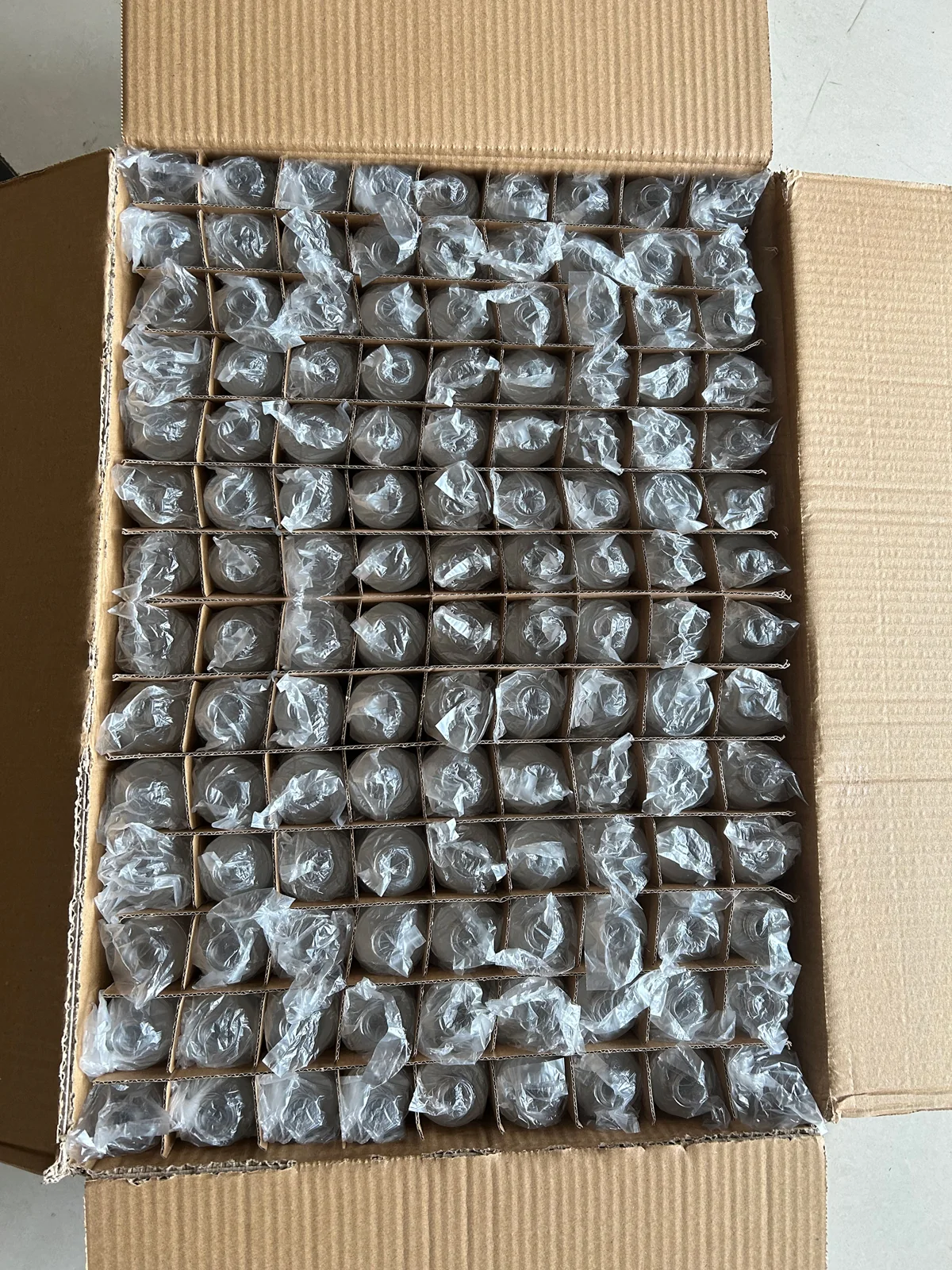
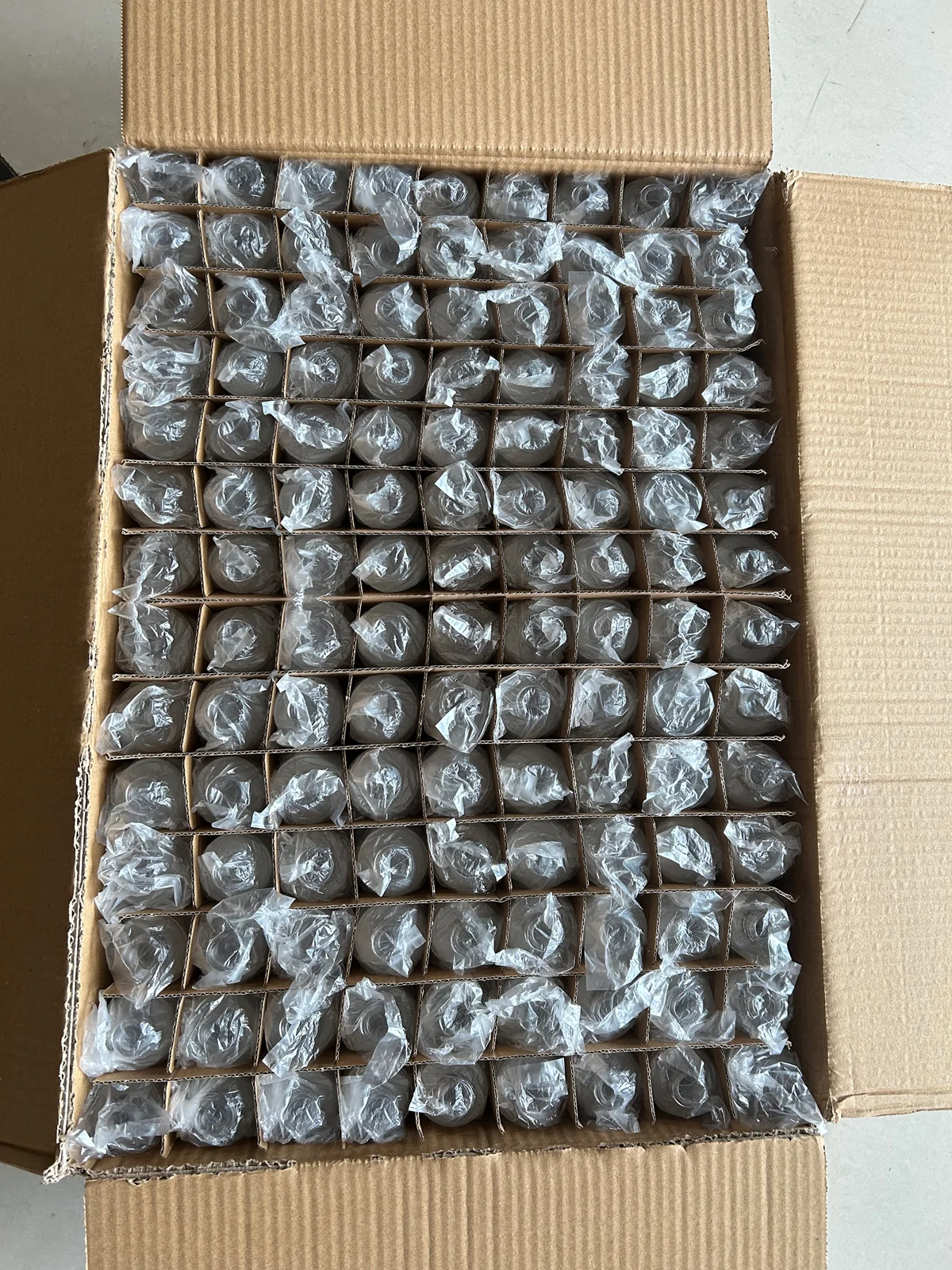
Historical Oulete factory photograph of containers and protective packing. It does not represent the hypothetical incident or establish transport performance.
What to send with an Oulete enquiry
For a packaging project, share the component and drawing revision, required appearance or function, the approved reference, relevant order and lot identifiers, and the observation point. Where a discrepancy exists, include traceable photos, the scope known so far, and the decision deadline. Agree responsibilities, evidence access, disposition and verification with the parties involved; capabilities and commercial terms depend on the specific project. See Oulete’s quality information as background.
Frequently asked questions
What is a supplier corrective action request for packaging?
It is a request for the supplier to investigate a defined nonconformance and provide a documented response, typically covering containment, causes, actions and verification. Its format and requirements depend on the parties’ agreement.
Does an 8D report prove the lot is safe to release?
No. A completed form is not itself a release decision. Review the evidence, affected scope and authorised disposition against the applicable requirements for that order.
What is the difference between correction and corrective action?
A correction addresses an identified problem in affected items, such as an authorised sort. Corrective action addresses a cause to reduce recurrence; both need evidence and appropriate approval.
Is a replacement sample enough to close a packaging complaint?
A replacement may help assess a proposed solution, but it cannot alone establish the scope of the original issue, its cause or the effectiveness of controls on later production.
Who approves a concession for a cosmetic packaging defect?
The responsible parties named in the purchase and quality arrangements decide. Record the permitted deviation, traceable scope, validity and approval; do not assume a concession changes the standing specification.
How many future lots must be checked?
There is no count established by this guide. Agree monitoring and acceptance criteria for the actual risk, process, inspection method and project requirements.
Photographed at Oulete
From the sample room to packed containers
See the facility and visible operations behind a packaging enquiry. For your selected assembly, ask which steps apply and request the corresponding sample and inspection records.
Cosmetic packaging samples displayed in the Oulete showroom.Row of injection molding machines in the Oulete workshop.Wide view of the Oulete packaging assembly workshop.Cosmetic containers separated by protective packaging inside a carton.
Research with AI
Paste this prompt into your assistant. Check its answer against the page and the approved packaging specification.