Cosmetic packaging · Made for your brand
Cosmetic Packaging Change Control: Repeat Order Guide
Cosmetic packaging change control keeps repeat orders tied to approved component versions, with documented assessment and acceptance before a proposed substitution reaches production. A repeat purchase can carry the same bottle name while…
Containers only — no compounding or filling.
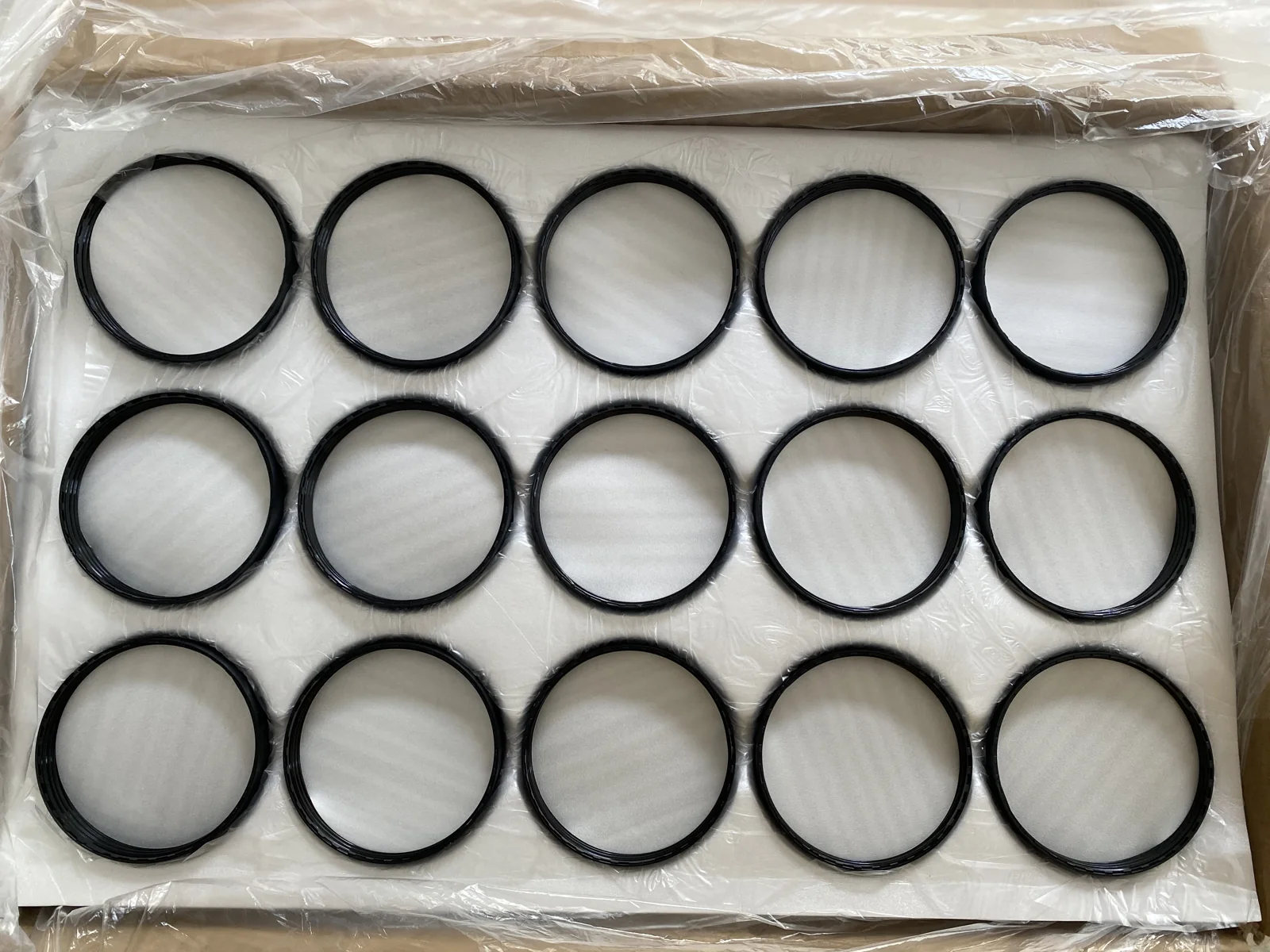
Black ring-shaped packaging components arranged in rows
On this page · 14 sections
- Establish the approved configuration before discussing a change
- Repeat-order baseline record
- Assess the consequence of the proposed difference
- Agree the evidence and approval scope
- Blank change assessment and release record
- Connect the approved change to orders and stock
- Give the filler the configuration that was released
- FAQ
- Does the same bottle model mean the reorder is unchanged?
- Can a pump be replaced if it has the same neck finish?
- Must every packaging change repeat every earlier test?
- Who should approve a cosmetic packaging substitution?
- How should old and new packaging stock be handled?
- Can the previous approved sample remain the reorder reference?
Cosmetic packaging change control keeps repeat orders tied to approved component versions, with documented assessment and acceptance before a proposed substitution reaches production.
A repeat purchase can carry the same bottle name while the pump core, seal, material grade, artwork or packing arrangement has changed. The buyer needs to know whether the next shipment reproduces the approved configuration, and which differences require new evidence. A photograph of the previous order cannot answer those questions on its own.
Consider an illustrative purchasing situation: the supplier offers a replacement pump because the previous version is no longer available. The new pump looks similar and carries the same nominal neck designation. That makes it a candidate for assessment. It does not establish the same sealing interface, product-contact materials, delivered quantity per stroke or behaviour on the filling line.
The practical job is to connect the proposed difference to the people and records affected by it. A useful change process gives purchasing a clear order reference, gives the filler the correct assembly and instructions, and lets the brand decide whether the resulting product still meets its requirements. This guide provides a record structure for that work; it does not report a completed Oulete qualification trial.
Establish the approved configuration before discussing a change
A bill of materials, or BOM, identifies the parts that make up the ordered assembly. For cosmetic packaging, the bottle body is only one entry. Include the dispenser or dropper, closure, sealing parts, overcap and any other supplied components. Link the agreed material and finish to each relevant part rather than writing one material against the entire pack.
The level of detail should allow another person to distinguish the accepted assembly from a similar-looking alternative. Record the supplier part reference, internal buyer code where used, drawing revision and supplied state. If the filler fits the pump after filling, that assembly arrangement belongs in the baseline. If parts arrive preassembled, identify what the supplier has fitted before dispatch.
HCP's Affinity 30 ml product page identifies bottle, pump and overcap references separately. That is a useful example of component-level identification. It does not establish compatibility for another manufacturer's parts or tell a buyer which revision was delivered in an earlier purchase.
Keep the approved drawing and the retained sample connected, because they answer different questions. A drawing can define interfaces and dimensions. A physical sample helps reviewers compare appearance, assembly and operation. The order specification should say which reference controls each decision and where the physical sample is held.
Repeat-order baseline record
| Reference | Record before requesting the reorder | Why it matters |
|---|---|---|
| Complete assembly | Component codes, supplying parties and assembly state | Identifies what the buyer expects to receive |
| Drawings | Current approved revisions for body and matched parts | Keeps interfaces and dimensions traceable |
| Material proposal | Part-specific grades and product-contact information | Makes a substitution visible |
| Appearance | Colour references, artwork files and process route | Prevents an attractive but different finish being treated as unchanged |
| Functional evidence | Trial identity, formula version and reviewed results | Defines the scope of the earlier decision |
| Filling arrangement | Approved handling and assembly references | Gives the filler a basis for assessing changes |
| Packing | Component protection, carton identification and quantities | Connects the specification to the delivered stock |
Oulete's ZK29 range illustrates why a family name is not enough: the supplied catalogue distinguishes ZK29, ZK29-1, ZK29-2 and ZK29-3, with several capacities. A purchase record should identify the selected variant and capacity, then add the proposed assembly references. The ZK29 selection page supports the initial shortlist; project drawings and the complete component proposal define the reorder baseline.
An earlier approval may also be incomplete. If the first order was accepted for appearance but dispensing or line handling was not recorded, do not describe the whole configuration as qualified. Mark the scope that is established and assign the outstanding decisions. Change control cannot recover evidence that was never collected, but it can prevent that absence from becoming an undocumented assumption.
Assess the consequence of the proposed difference
A change assessment connects each proposed difference to its possible effect on the intended pack. The purchasing team should request a clear before-and-after description, the reason for the change and the proposed implementation point. A statement such as “equivalent pump” does not identify what differs or explain how equivalence will be demonstrated.
Start with the function affected. A component substitution may change the sealing interface, formula-contact path, dispensing behaviour or assembly operation. A decoration change may affect appearance, handling or coding. A packing change may affect protection and receiving. These are assessment topics, not predictions that every change will cause a failure.
A nominal interface designation alone does not close the assessment. Two closures with the same nominal finish may differ in their sealing arrangement or fitted geometry. Review the complete drawings and actual assembly evidence with the responsible supplier and filler. The neck-finish guide explains why the designation is a starting point for interface review.
| Proposed change | Questions for the responsible teams | Evidence to consider |
|---|---|---|
| Pump or dropper version | What changes in sealing, contact materials, operation or fitted dimensions? | Component comparison, assembly drawings and relevant filled-pack results |
| Body material or colourant | Is the part specification different, and which product-contact or appearance decisions are affected? | Material identification, supplier information and scoped trials |
| Artwork or decoration route | Does the proposed production process reproduce the accepted appearance and handling performance? | Revised artwork and representative decorated samples |
| Component source | Are the delivered parts and inspection references still the accepted versions? | Source identity, specification comparison and receiving requirements |
| Packing configuration | Does the new arrangement protect and identify the components as intended? | Packing sample, carton data and relevant distribution evidence |
| Formula or filling operation | Does earlier packaging evidence still apply to the intended use? | Revised product identity, line assessment and selected repeat checks |
Avoid assigning a universal risk label from the change name alone. A small visual adjustment can matter when it changes a product-contact coating or interferes with label placement. A revised catalogue code can be administrative if the underlying specification is demonstrably unchanged. Record the reasoning that supports the decision rather than treating every change in a category as identical.
Also ask what has not changed. A focused comparison can prevent unnecessary retesting of unrelated features while exposing the assumptions that still need evidence. The responsible technical teams should determine the repeat checks and their acceptance criteria. Purchasing records their decision and makes it part of the order; purchasing does not create an engineering limit simply to complete a form.
Agree the evidence and approval scope
An approval applies to the configuration and conditions represented by its evidence. A sample accepted with one formula or assembly does not automatically establish the result for a changed formula, seal or pump. Keep the trial identity and its limitations visible so the next reviewer knows what the earlier results can support.
Virospack describes component material information, technical drawings and compatibility and functionality testing among its services. The useful purchasing lesson is to request distinct records for identity, material and operation. Those are Virospack's stated services, not evidence that another supplier has performed equivalent tests on a buyer's proposed assembly.
Agree what the new sample represents before it is made. It may be an appearance sample, an interface sample, a filled-pack evaluation assembly or stock for a filling-line trial. Identify the production route and any differences from the proposed order. A rapid prototype can help answer a geometric question without representing the eventual material or decoration process.
For a replacement pump, the evidence request might cover the revised contact-material list, matched interface, fitted dimensions and dispensing evaluation with the intended contents. For revised decoration, it might cover the actual substrate, finish, artwork and handling conditions. The article's examples illustrate how to scope a request; they do not prescribe a universal qualification method.
Blank change assessment and release record
| Field | Information to complete |
|---|---|
| Change identifier | Buyer and supplier references |
| Affected assembly | Current component codes and approved revisions |
| Proposed configuration | Replacement references and revision details |
| Reason | Availability, specification, process or other stated cause |
| Implementation point | Orders and stock lots affected |
| Assessment | Functions, appearance, packing and line operations potentially affected |
| Evidence required | Named documents, sample identities and agreed repeat checks |
| Results | Raw records, observations and unresolved differences |
| Decisions | Accepted scope, conditions, exceptions and responsible approvers |
| Release reference | Updated specification and purchase-order references |
A conditional approval must describe the condition. “Approved subject to successful line trial” leaves the trial open; it should not be converted into unrestricted production release by copying the word “approved” into an email. The record needs to state what can proceed, what remains on hold and who closes the outstanding decision.
Keep unsuccessful observations as well as the final decision. If a revised assembly produces an issue, record the sample configuration, contents, operation and evidence before changing the setup. That preserves the basis for investigation and helps prevent a later trial from being compared with an untraceable earlier result. An edited summary should not replace the underlying observations.
Oulete-supplied footage: An operator placing protected cosmetic containers into a carton
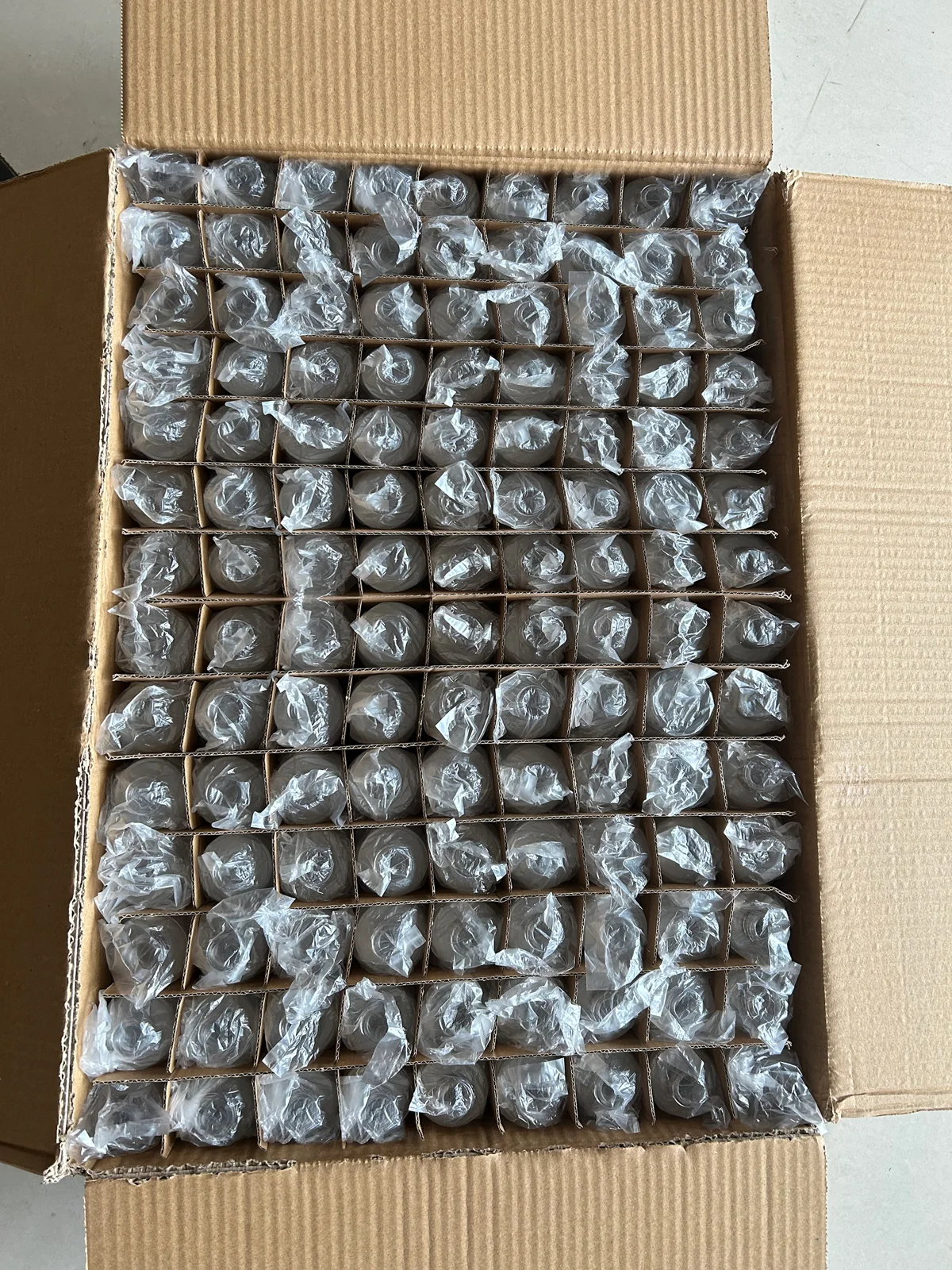
Oulete-supplied protective-packing footage. The order handoff must separately identify the released BOM, lot and accepted packing specification.
Connect the approved change to orders and stock
A technical decision becomes useful to purchasing when the approved revision reaches the purchase order and shipment identity. Specify the effective order or agreed implementation point, affected components and disposition of earlier stock. Otherwise the brand may receive a mixture of old and new parts with one commercial description and no way to distinguish them.
Mixed stock needs an explicit assembly decision. Old bodies and new pumps should not be combined merely because they are available at the same time. Ask the responsible teams which combinations have been reviewed, how approved combinations will be identified, and how receiving and assembly records will preserve that distinction.
The commercial comparison also needs updating. Replacement components, decoration setup, packing or trial stock can affect the complete proposal. Oulete's confirmed container MOQ baseline is 2,000 plastic pieces or 5,000 glass pieces; it does not settle minimums for every replacement component or finish. Use the complete-pack quotation guide to keep those conditions separate.
The following purchase-record example is illustrative, with invented revision labels and no claimed factory result. An accepted pack uses Body A, Pump P1 and Cap C1. The supplier proposes Pump P2. The change record lists the differences and the responsible team's required evidence. If accepted, the revised order names A/P2/C1 and the effective delivery scope. The earlier A/P1/C1 stock retains its existing identity.
This example does not imply that P1 and P2 can share a body or cap. Their compatibility is the question to resolve. Its purpose is to show how the record distinguishes proposed, accepted and delivered configurations. The same method can identify a decoration revision without pretending that every earlier component approval has changed.
Superseded documents should remain retrievable while the current order uses the accepted revision. Keep their status clear so a buyer does not accidentally send an old drawing to a backup supplier. The supplier's confirmation should refer to the same order specification as the buyer's release, including agreed exceptions and component responsibilities.
Give the filler the configuration that was released
A filler needs the supplied-state and operation information for the accepted pack, not a general description of airless packaging. Changes to fitted components or delivery condition can affect handling and assembly even when the external appearance is familiar. Include the filler early enough for line-related questions to influence the evidence request.
Aptar explicitly identifies Macro as bottom-fill airless packaging. This illustrates why a named product's filling route matters. It is not an instruction for Oulete ZK29 or another airless bottle. Obtain the proposed model's instructions and agree how a revised configuration affects the previous line assessment.
At handoff, the filler should receive the accepted component and drawing references, supplied state, relevant instructions and the change decision. Where repeat line checks are required, connect their sample identities to the revised assembly. A trial report for the previous pump cannot silently become a report for the replacement merely because the same body was used.
The first receipt after implementation is an opportunity to reconcile the paperwork with the delivered stock. Check the agreed lot identifiers and component references against the order and change record, and apply the receiving checks agreed for that shipment. Resolve mismatches before parts are mixed into an assembly run. This is an identity and release check, not a substitute for the technical evidence selected earlier.
For a proposed Oulete reorder, send the current model and capacity, complete assembly references, previous approval record and the supplier's proposed difference. Add the formula or filler changes that may affect the decision. Use the sample brief to organize the inputs and ask for a quotation tied to the configuration you intend to review.
FAQ
Does the same bottle model mean the reorder is unchanged?
The same bottle model does not establish that every component and process remains unchanged. Compare the complete assembly, drawings, materials, decoration, supplied state and packing with the accepted baseline. Ask the supplier to identify differences and connect any accepted revision to the affected order and delivery scope.
Can a pump be replaced if it has the same neck finish?
A matching nominal neck finish is insufficient evidence for accepting a replacement pump. Review the sealing interface, fitted geometry, component materials and intended operation with the responsible teams. Agree which drawings, samples and filled-pack or line results are needed for the proposed combination.
Must every packaging change repeat every earlier test?
The responsible technical teams should select repeat checks according to the affected configuration and intended use. Document what changed, what remains supported by earlier evidence and which assumptions need new evidence. A universal retest list can miss relevant changes while repeating unrelated work.
Who should approve a cosmetic packaging substitution?
A substitution needs acceptance from the parties responsible for the affected decisions. The supplier explains the proposed difference, the brand assesses product requirements, and the filler reviews relevant line or assembly consequences. Purchasing records the agreed scope and reflects the released configuration in the order.
How should old and new packaging stock be handled?
Old and new stock should retain distinguishable component and lot identities. Record which combinations are accepted, the effective implementation scope and the agreed disposition of earlier parts. Do not mix components based solely on a shared commercial name or similar appearance.
Can the previous approved sample remain the reorder reference?
A retained sample can remain a reference for the configuration and decisions it represents. Record its identity, storage and relationship to the current specification. If an accepted change alters those decisions, identify the updated reference and retain the earlier record as a superseded configuration.
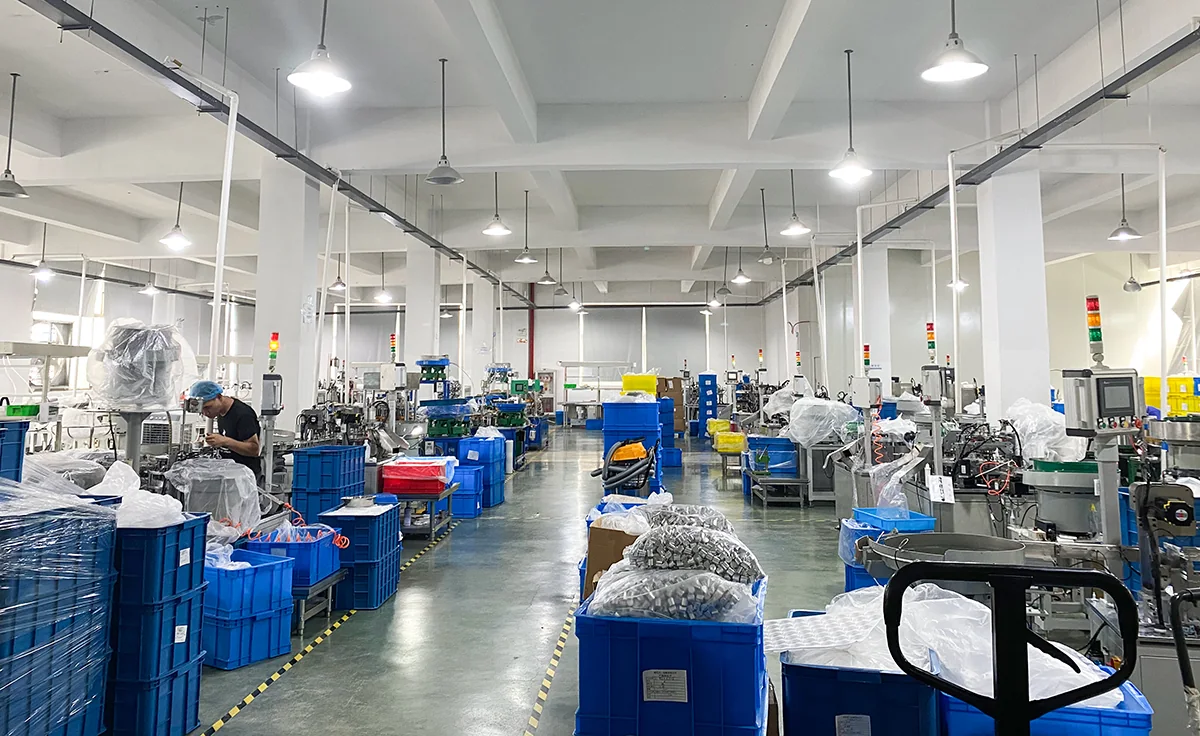
Photographed at Oulete
From the sample room to packed containers
See the facility and visible operations behind a packaging enquiry. For your selected assembly, ask which steps apply and request the corresponding sample and inspection records.