
Products

50 ml Cosmetic Dropper Bottles

Source 50 ml dropper bottles through Oulete. Discuss the bottle, pipette, bulb and finish, then test a matched sample with your formula.

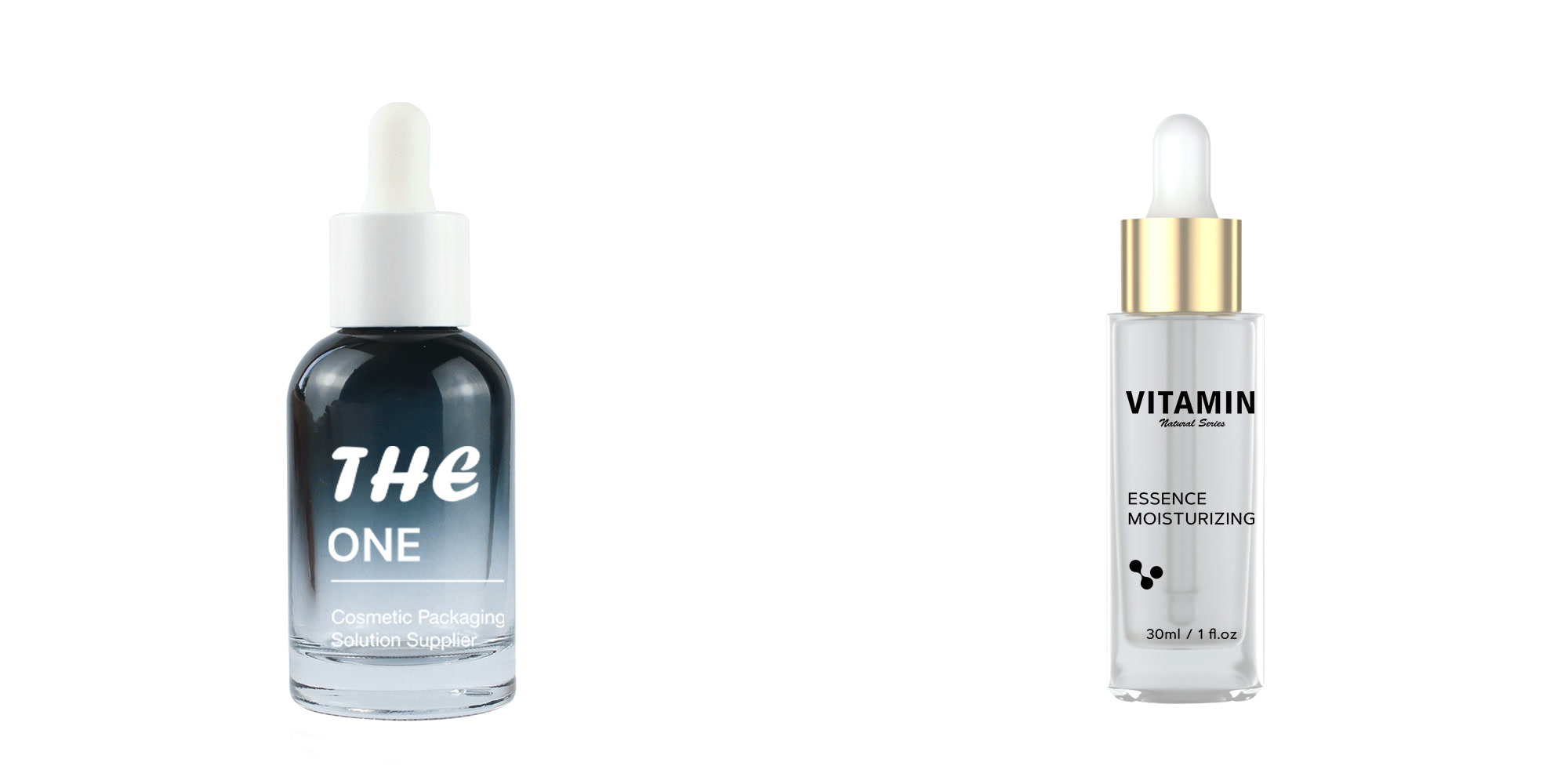
Oulete dropper-bottle format references. The pictured bottles are not the selected 50 ml TY configurations; confirm the body and complete dropper assembly in your quotation.

In focus
Two Oulete dropper-bottle format references with different body and closure proportions

Two Oulete dropper-bottle format references with different body and closure proportions

Oulete · Shangyu, ShaoxingExplore the details

50ML catalogue body references

Three bodies. A clearer sample brief.

Compare the outside body dimensions and brim-full references before specifying the neck, bulb, collar, pipette and sealing parts for your actual formula.

The catalogue groups these bodies under PET/PETG. Select the resin in the proposal; these rows do not establish a glass body or a complete dropper assembly.

Oulete dropper-format reference photographs with visible bulbs and collars; right-hand bottle artwork reads 30ml
Oulete dropper-format photographs. The right-hand artwork reads 30ml; neither image identifies a selected 50ML TY assembly.
Select a catalogue body reference

A 65.4 mm-high body with a listed 41 mm outside diameter.

Body height
65.4 mm
Body diameter
41 mm
Brim-full ref.
63 ml

Oulete product catalogue 2 · pp. 07–08. Reference dimensions; usable fill needs sample confirmation.

The narrower 38 mm body in this three-reference comparison.

Body height
65 mm
Body diameter
38 mm
Brim-full ref.
52 ml

Oulete product catalogue 2 · pp. 11–12. Reference dimensions; usable fill needs sample confirmation.

A taller body outline at the same listed diameter as TY030.

Body height
79.5 mm
Body diameter
41 mm
Brim-full ref.
62 ml

Oulete product catalogue 2 · pp. 09–10. Reference dimensions; usable fill needs sample confirmation.

Selected reference: TY030-50ML

Take this reference into the sample brief.

The 50ML model label and 63 ml brim-full reference are different quantities. Confirm usable formula fill with the selected assembly.

Confirm with this body

  • Selected resin and full neck-finish drawing
  • Collar, bulb, pipette and applicable sealing parts: references and materials
  • Pipette length, assembled clearance and formula sample approval

Container production baseline: plastic 2,000; glass 5,000 units. Complete-pack, component, colour and decoration minimums need a project-specific quote.

Body dimensions describe the outside outline. They do not determine pipette or dip-tube length, a full thread finish or formula compatibility.

Download catalogue data transcription

Check reach and clearance in a 50 ml proposal

Ask for the pipette dimensions relative to the proposed bottle interior. Have the supplier show how the assembled applicator sits and how it seals, without assuming the neck label alone establishes compatibility.

Supplied catalog reference

Bottle modelListed neck diameter (mm)Listed brim-full capacity (ml)
TY030-50ML2063
TY031-50ML18/2052
TY038-50ML2062

Test the way the product is used

Evaluate drawing and dispensing the formula in the intended position. Include handling of the filled bottle and cap in the review, then record the selected components and the agreed checks.

Return to the full selection guide or prepare the inputs for a sample request.

Product and process references
Compare the 50ML body proportions

Oulete’s PET/PETG catalogue lists three 50ML body references with different outside dimensions. Use these figures to compare the bottle outline and outer-pack footprint alongside the neck and brim-full values above. They are catalogue values, not measurements of your selected sample.

Listed body dimensions for the three 50ML catalogue references
Bottle bodyBody height × diameterSelection difference
TY030-50ML65.4 × 41 mmAlmost the same listed body height as TY031, with a wider outside diameter.
TY031-50ML65 × 38 mmThe narrowest body of these three references.
TY038-50ML79.5 × 41 mmThe same listed diameter as TY030, with a taller body.

TY030 and TY031 have similar listed heights, but their 41 mm and 38 mm diameters need separate review against the carton insert and artwork layout. TY038 changes the height while retaining TY030’s listed diameter. None of these outside dimensions establishes the internal depth or the required pipette length.

Specify the complete assembly in the quotation

The catalogue’s combined PET/PETG family label does not select the resin for an order. Confirm that selection in the bottle specification. If your brief requires glass, request a separate glass-bottle proposal; the TY references above do not identify glass bodies.

Ask the quotation to identify the bottle drawing and revision, collar or cap reference, bulb material, pipette reference, material and length, and any sealing plug, wiper or liner. The assembly drawing should connect those components to the selected neck finish. These component details are not specified by the three bottle-body rows.

Send the selected body reference and complete-pack brief so the proposed components, decoration and quantities can be stated together before sample approval.
From bottle body to complete dropper

What should a complete dropper specification include?

Specify the bottle and the dropper as separate parts of one proposed assembly. Identify the threaded cap or collar, elastic bulb and pipette, then add any inner plug, wiper or gasket used in that design. Record the material and reference for each part. A decorative metal shell does not describe the threaded insert or every material that contacts the formula.

Choose the bulb and sealing materials for the actual formulation, rather than treating “silicone” or “glass dropper” as a complete compatibility statement. Keep the selected components together through sampling: a change of bulb, pipette, inner plug or closure can change the configuration being approved.

How should pipette length be selected?

Define the measurement before specifying a length. The assembled extension below the closure and the overall length of the bare glass tube are different dimensions. Mark the agreed closure datum and the pipette tip on the drawing; measure the bottle’s internal geometry from that same assembled datum. Outside bottle height is not the required pipette length.

For a straight vertical pipette, target reach can be expressed as internal distance to the base minus the chosen axial clearance. For illustration only, a 70 mm internal distance and an assumed 2 mm clearance give 68 mm reach. These are hypothetical inputs, not a recommended clearance or a selected product specification. Allow for the actual bottle, closure and pipette tolerances before approving the combination.

What makes bottles and jars a coordinated range?

Coordinate appearance first: body proportions, shoulder lines, cap profiles, colour and decoration. Then identify every capacity and its selected closure independently. A common diameter or colour does not make pumps, pipettes, threads or inner parts interchangeable.

Review the proposed bottles and jars together, with each sample tied to its own model and component references. This makes it possible to approve the visual family while retaining separate technical specifications. A jar’s volume designation must also stay separate from the intended formula weight; a volume label alone does not establish a gram fill.

What would make a compatibility or dispensing claim useful?

A useful approval record names the bottle and component versions, sample identifiers, formula reference, conditions, date and original observations. Separate appearance approval from closure fit, leakage, dispensing and formula compatibility. Record what was checked and the limits of that check.

A “leak-proof” description, printed graduations or a list of materials is not a substitute for those records. Keep an untested proposal described as a proposal; use performance claims only when the selected configuration and relevant results support them.

Request a complete-pack proposal

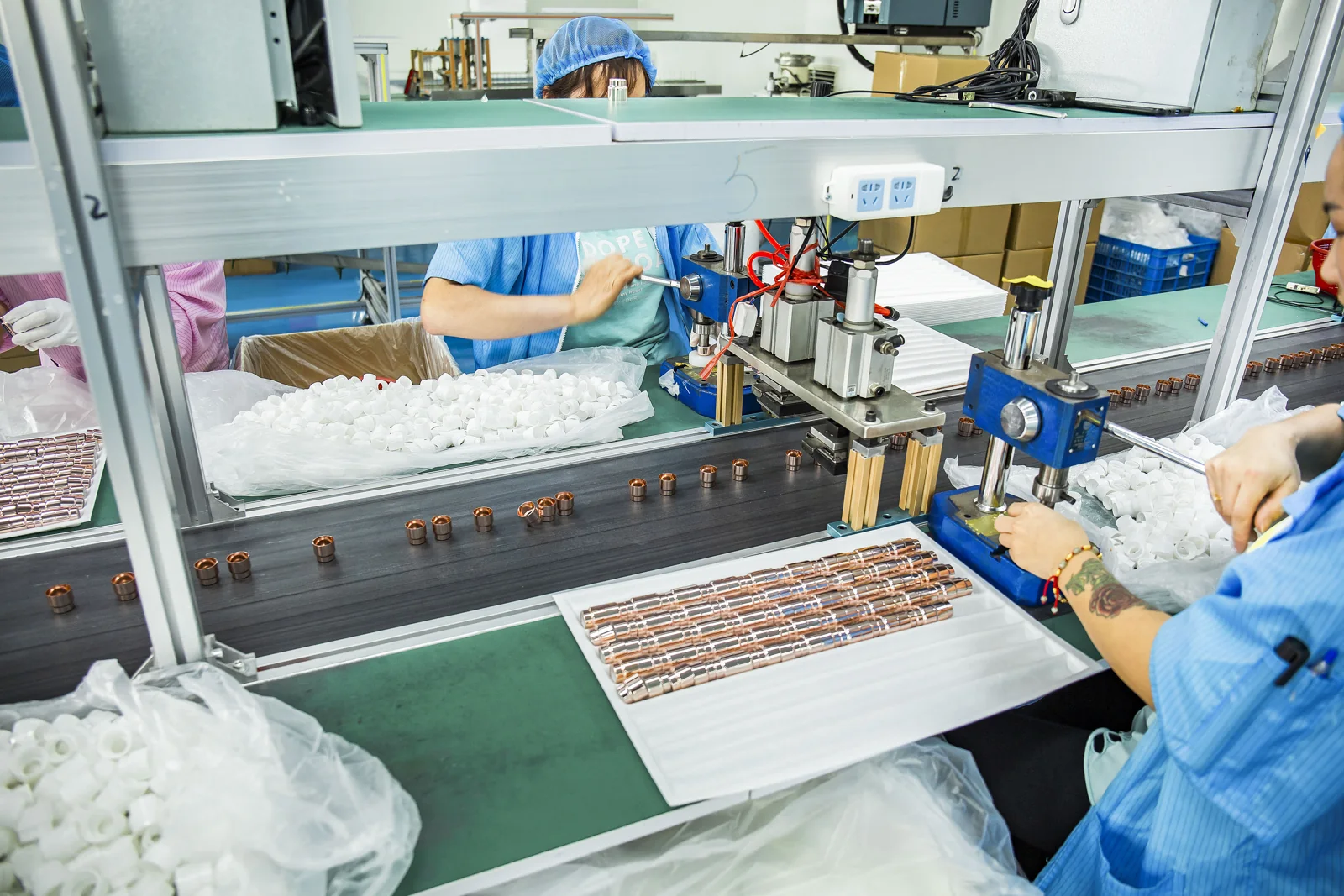
Photographed at Oulete

From the sample room to packed containers

See the facility and visible operations behind a packaging enquiry. For your selected assembly, ask which steps apply and request the corresponding sample and inspection records.

What Real Factory Footage Can and Cannot ProveRead the film captions →
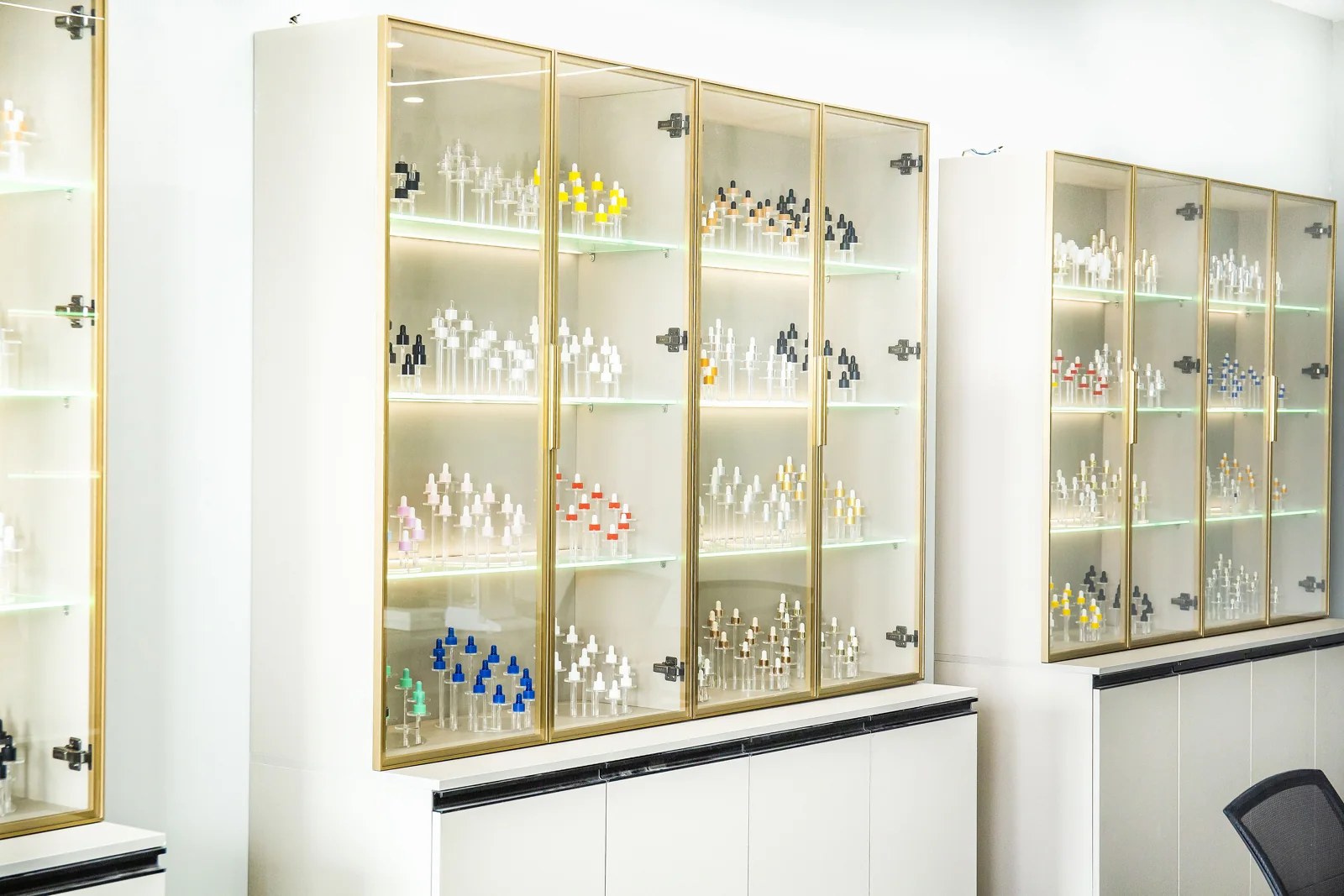
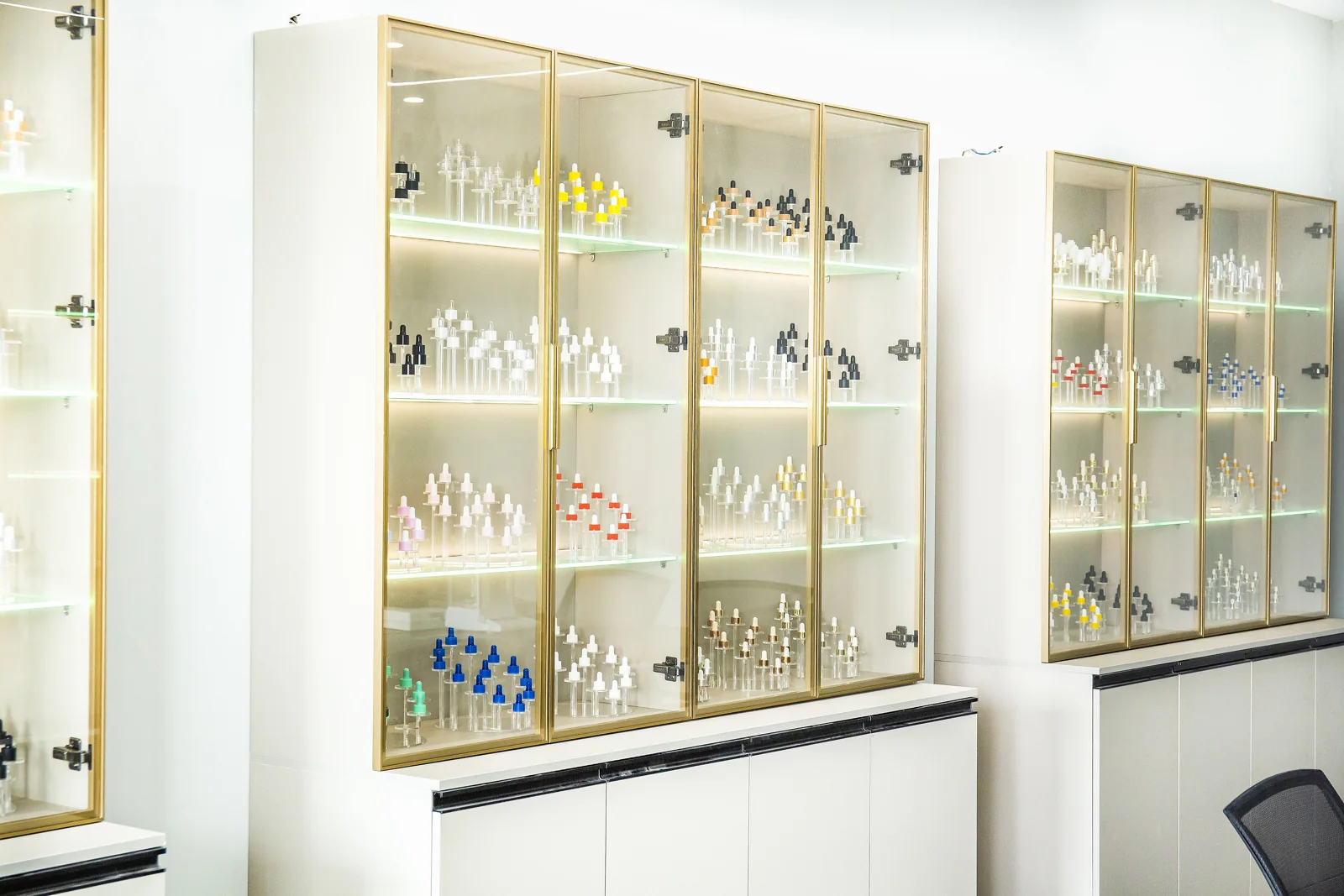
Cosmetic packaging samples displayed in the Oulete showroom
Cosmetic packaging samples displayed in the Oulete showroom.
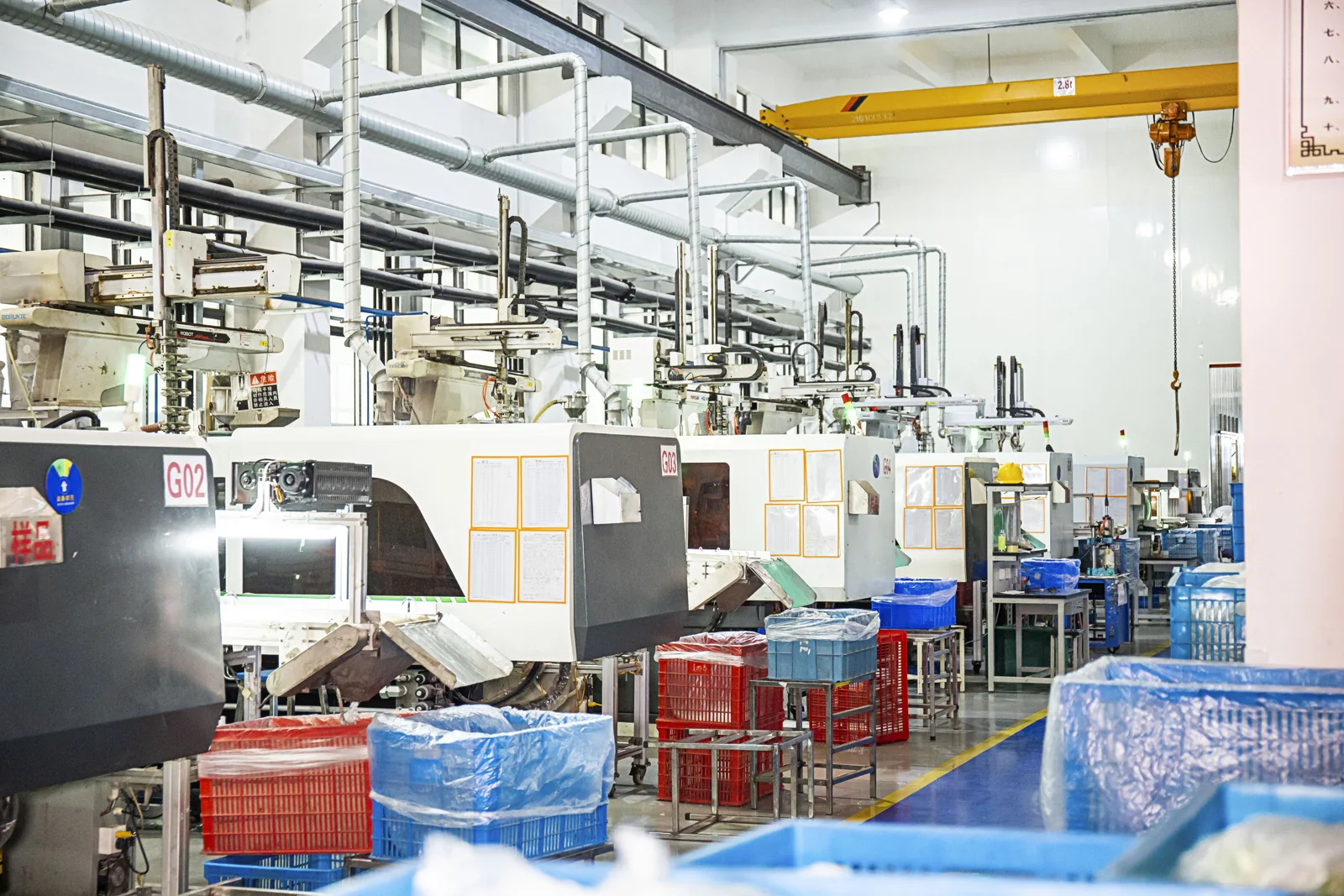
Row of injection molding machines in the Oulete workshop
Row of injection molding machines in the Oulete workshop.
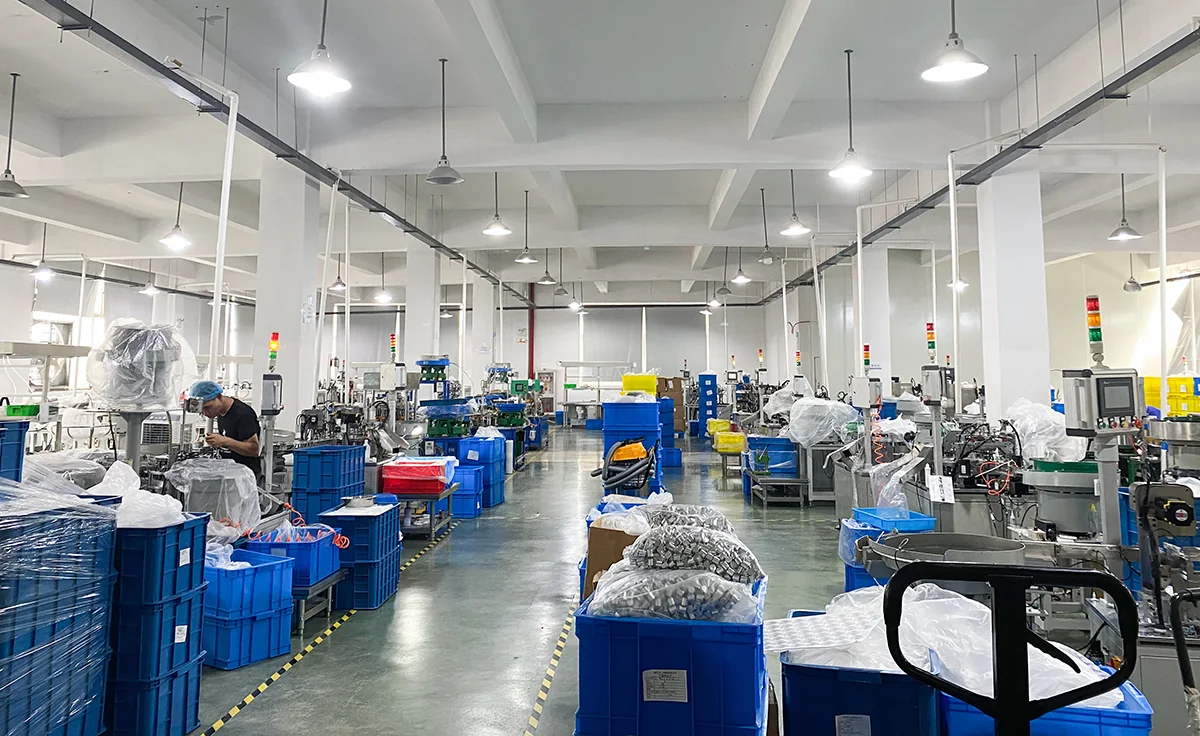
Wide view of the Oulete packaging assembly workshop
Wide view of the Oulete packaging assembly workshop.
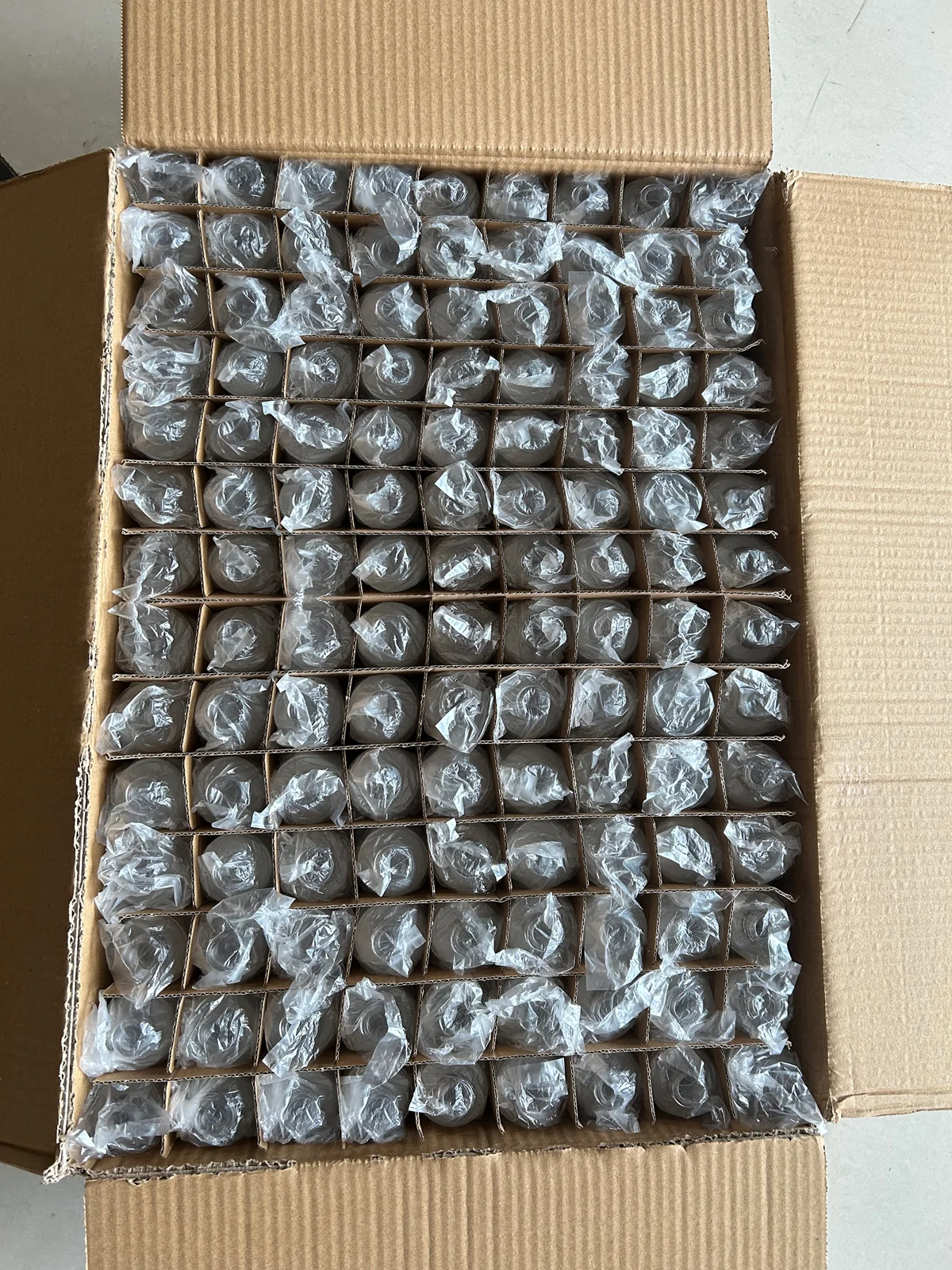
Cosmetic containers separated by protective packaging inside a carton
Cosmetic containers separated by protective packaging inside a carton.

From page to specification

Have a container brief?

Send the format, fill volume, finish, quantity, target market and timing. We will answer with the closest existing tools and the limits that need testing.

Start an inquiry
Research with AI