Cosmetic packaging · Made for your brand
Airless Bottle Manufacturers in China: Supplier Evaluation Guide
Evaluate an airless bottle supplier through component specifications, filled-sample tests, inspection records, change control and comparable quotations.
Oulete catalog component illustration. Confirm the specific model and bill of materials with the supplier.
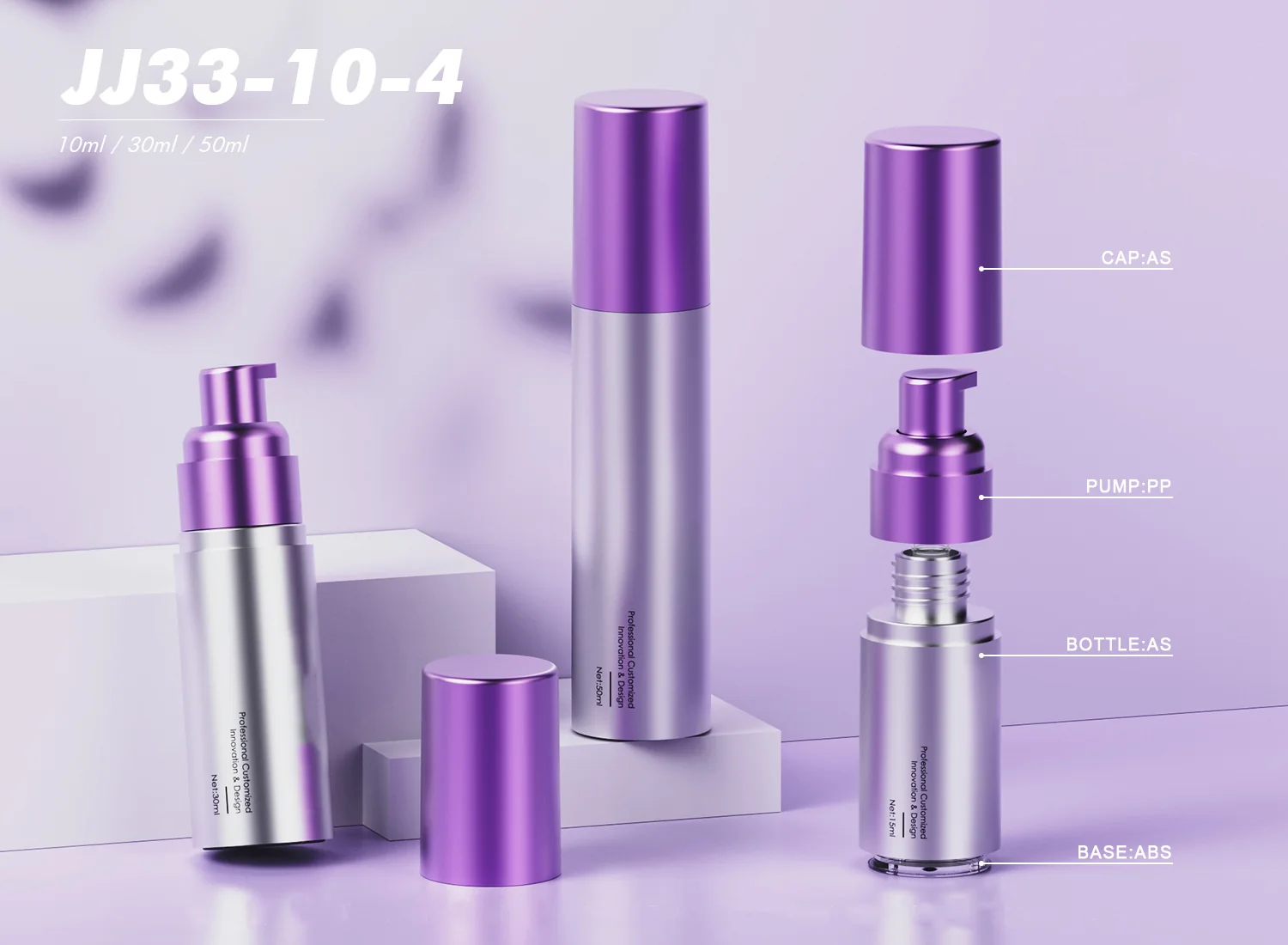
Purple airless bottle shown with separated components
When comparing airless bottle manufacturers in China, ask each supplier to quote the same package specification and provide evidence for the actual proposed model. A polished catalog or a general factory certificate cannot establish how your formula will dispense.
Identify what the supplier will deliver
Start with the bottle model, nominal capacity, drawing revision, pump, closure and decoration. Ask which components the supplier makes and which it purchases. Record who assembles and inspects the finished package. The answer helps assign responsibility if an approved component changes.
Clarify whether a sample uses the same tooling, resin, colorant and dispensing components intended for production. A stock sample can establish an initial direction; a production approval sample must represent the agreed commercial specification.
Use filled samples to compare performance
Ask your formulation or filling team to define tests for the actual formula. Useful observations include the number of strokes needed to prime, output consistency, interruptions during use, leakage and product remaining after dispensing stops. Record the test method and conditions alongside the result.
Do not transfer a supplier’s evacuation percentage or compatibility claim from another formula to yours. Define acceptance criteria before comparing samples, and keep package performance separate from formula stability or microbiological assessment.
Make observations reproducible
Label sample lots and record fill weight, storage conditions, test orientation and measuring method. Retain photographs of defects and approved reference samples. This gives both teams a shared basis for discussing a failure rather than relying on descriptions such as “the pump feels weak.”
Review evidence by scope
| Document or record | What to check |
|---|---|
| Component drawing and bill of materials | Model, revision, dimensions and product-contact parts match the quotation. |
| Test report | Sample identity, method, date, conditions and results apply to the proposed product. |
| Management-system certificate | Company name, site, scope, issuer and validity; do not treat it as product approval. |
| Inspection plan | Defect definitions, sampling agreement, acceptance criteria and retained records. |
| Material or recycled-content declaration | Exact component, material, claimed percentage and evidence covering that claim. |
“SGS certified” without the underlying report or certificate is too vague to evaluate. Request the actual document and establish what was assessed. Do not infer that one report covers every model, formula or destination market.
Compare complete quotations
Include decoration setup, tooling ownership if applicable, sample charges, packing, inspection, delivery terms and the agreed treatment of rejected goods. Separate the minimum quantity for an undecorated stock component from any minimum for custom color or decoration.
Ask for written change control: which material, tooling, sub-supplier or assembly changes require notice and renewed approval? Reordering the same model name should not obscure a component substitution.
Build the approval record
Keep the signed specification, approved sample, test results and inspection agreement together. The sample approval guide provides a starting checklist. Review airless bottle candidates and request samples with your formula and filling requirements.
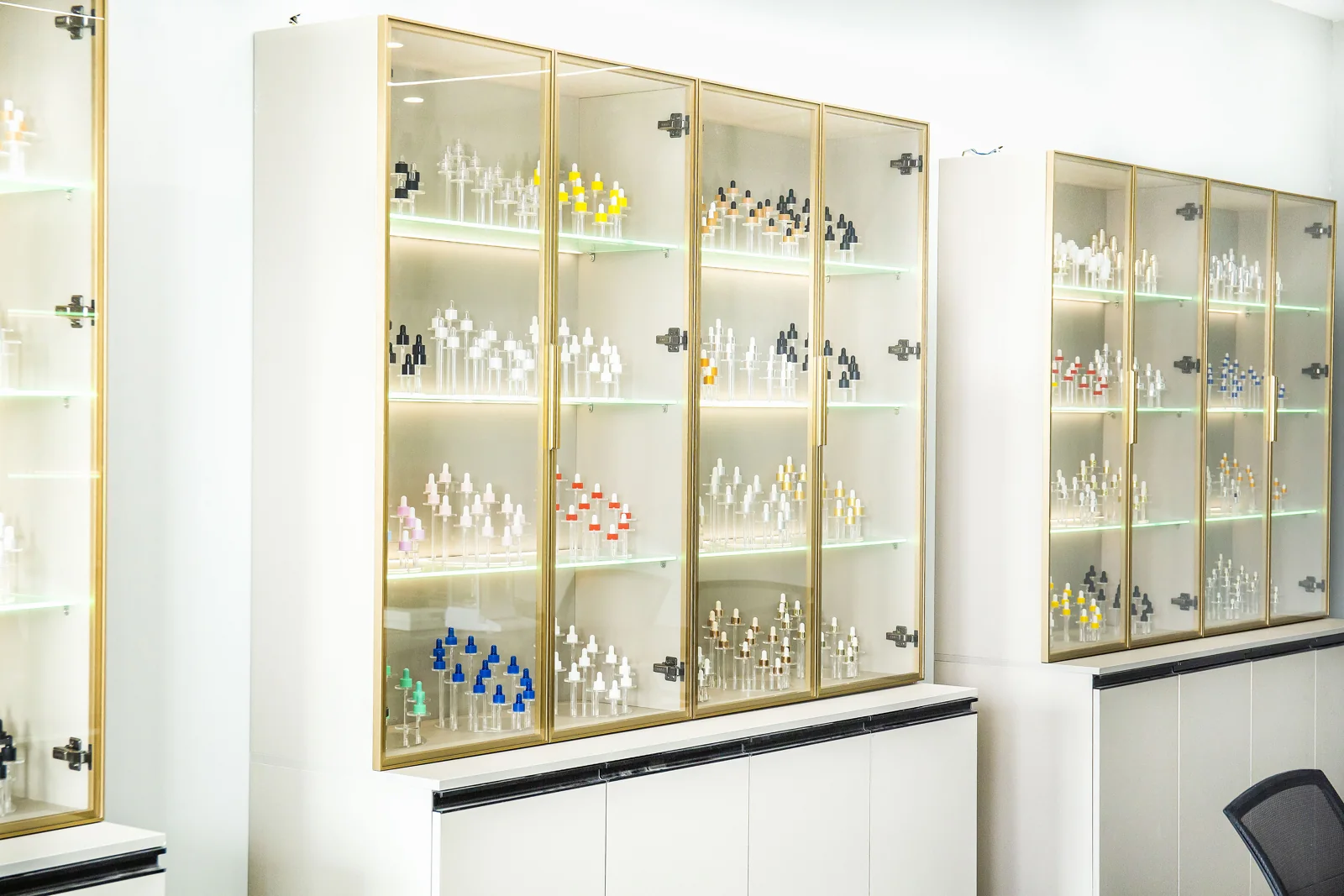
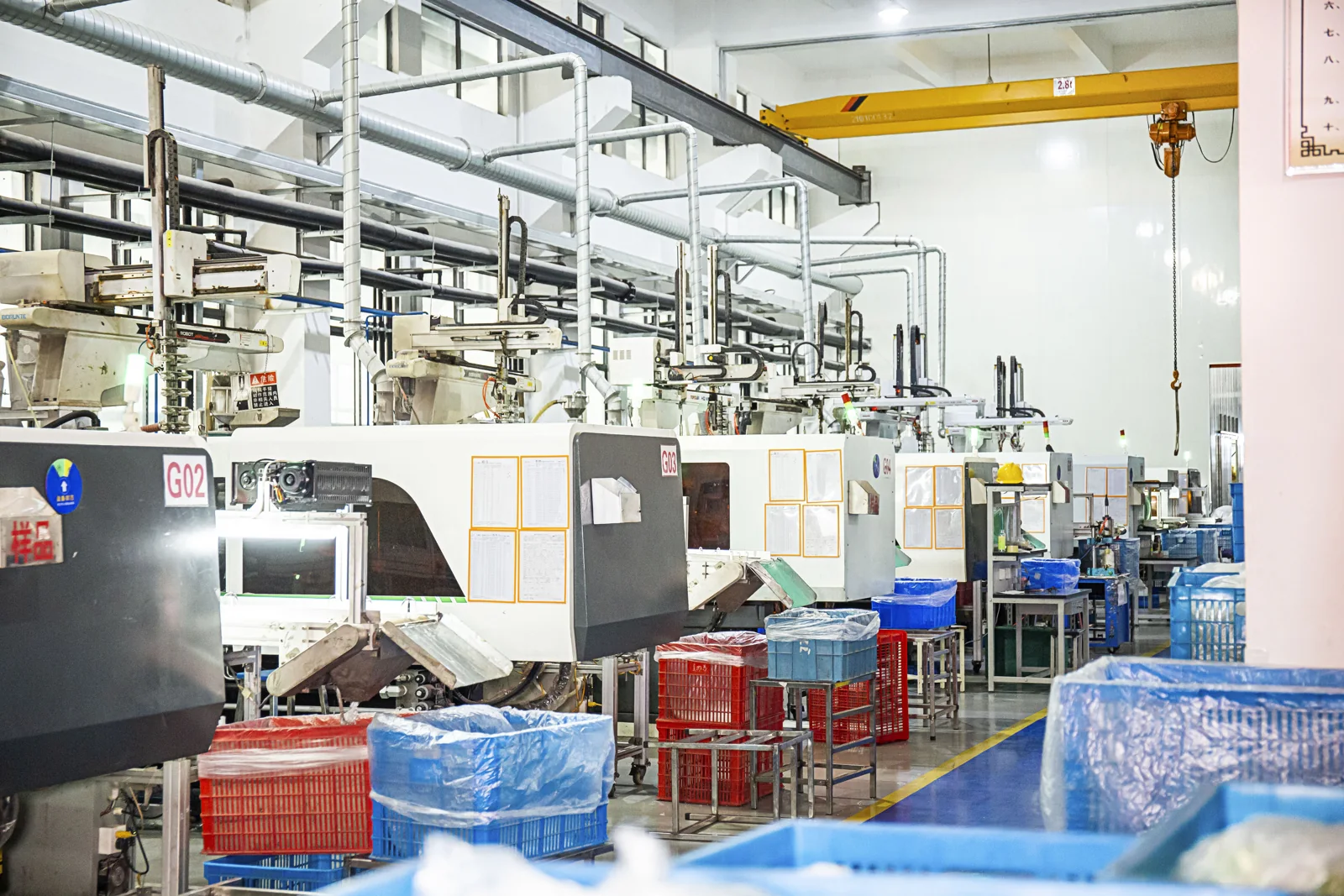
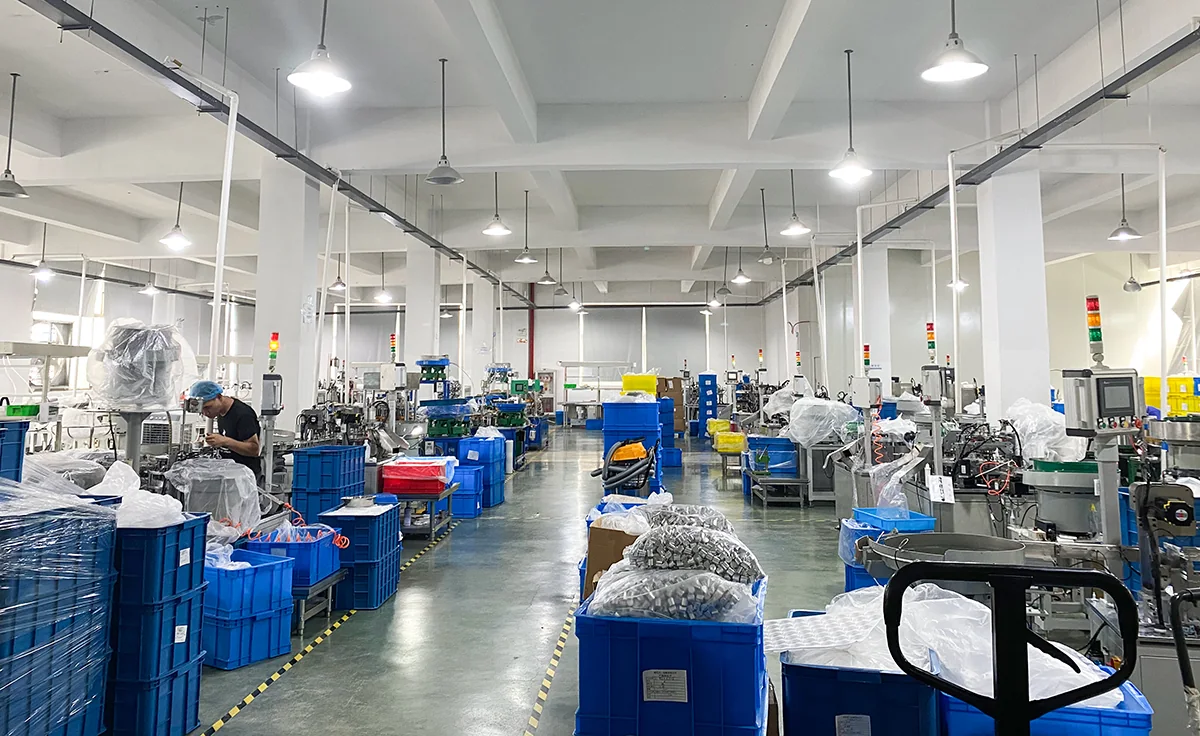
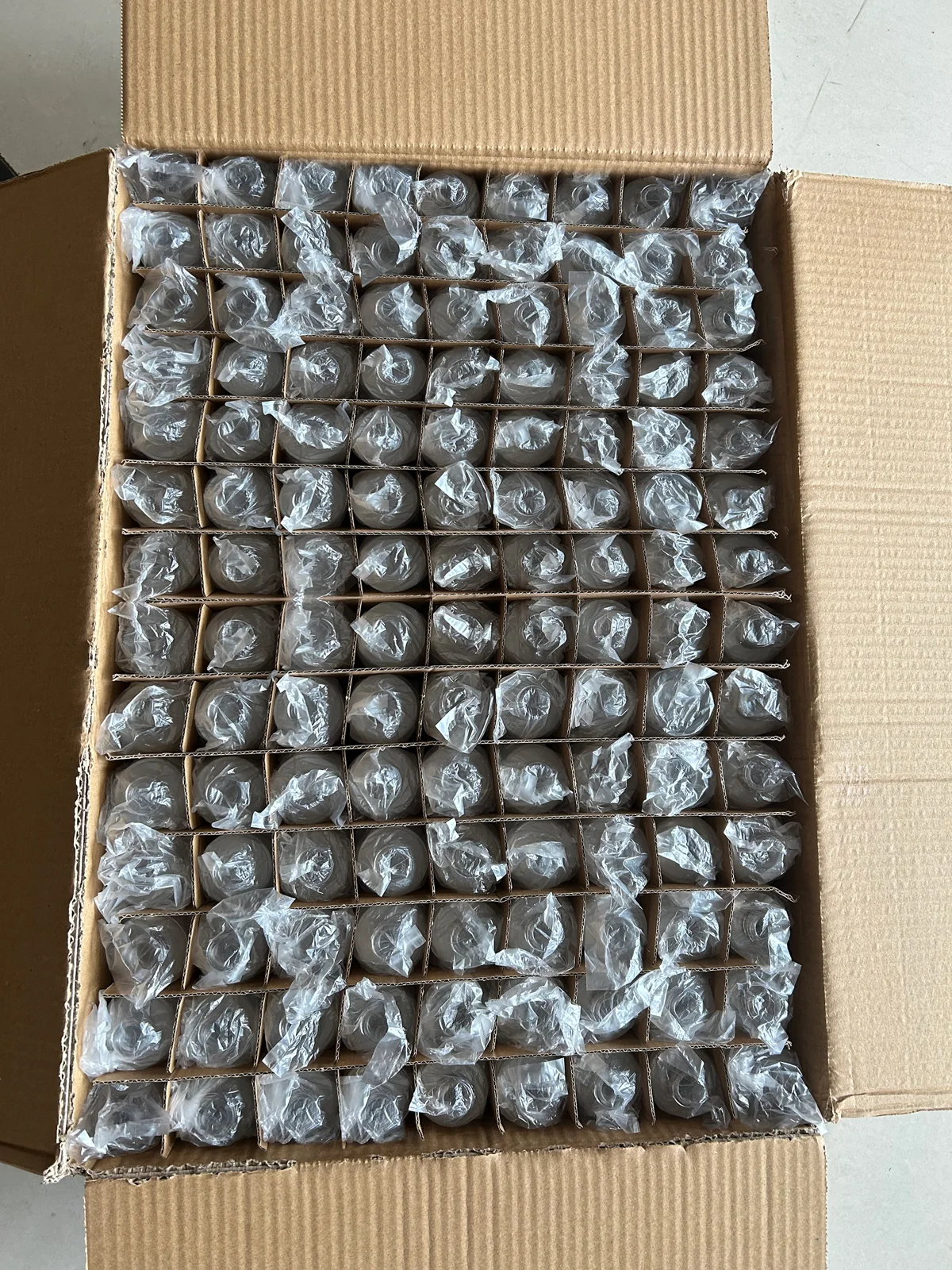
Photographed at Oulete
From the sample room to packed containers
See the facility and visible operations behind a packaging enquiry. For your selected assembly, ask which steps apply and request the corresponding sample and inspection records.