Bottle and pump reference
Use the image to discuss appearance; select the catalog model separately.

Packaging system guide
Choose airless packaging when controlled dispensing, reduced repeated air ingress, and strong product evacuation matter enough to justify a more engineered package—and when the exact formula and bottle can be tested together.
Oulete supplies containers and decoration only—formula development and filling are not included.
Purple bottles with gold-finish pumps on a rotating display
The short answer
Common designs use a moving piston or an internal pouch to move formula toward the pump while limiting repeated air entry into the product chamber. Construction, filling method, materials, dose, and performance still vary by package. (Aptar; Lumson)
Worth evaluating when
Controlled dose, reduced user contact, strong evacuation, or premium dispensing leads.
Verify before selecting
Mechanism, formula path, dose, priming, evacuation, leakage, filling, and materials.
| Decision criterion | Airless system | Dip-tube pump | Jar |
|---|---|---|---|
| Formula access | Piston, pouch, or related architecture moves formula toward the pump | Pump draws formula through a tube from the bottle bottom | Product is directly accessible through a wide opening |
| Air and user contact | Designed to limit repeated air entry and contact with bulk formula | Package typically vents as product is dispensed | Product is exposed each time the jar is opened and touched or scooped |
| Dispensing | Controlled pump dose; exact output varies by pump | Controlled pump dose; suitability varies by formula and tube/pump | User-controlled amount |
| Evacuation | Can be strong, but the rate is package- and formula-specific | Depends on tube reach, geometry, formula, and use angle | Direct access, though product can remain on walls and under shoulders |
| Complexity | Engineered system; mechanism and filling method must be understood | Familiar bottle and pump assembly | Mechanically simple package |
| Best fit | Controlled dispensing and reduced repeated air ingress justify testing | Formula suits a conventional pump and vented bottle | Formula and routine suit direct access |
This is a packaging-system comparison, not a formula-preservation guarantee. Formula development, preservation, stability, compatibility, filling, and regulatory compliance remain separate responsibilities.
“Airless” describes a category, not one internal design. Common architectures include a piston, a pouch or bag-in-bottle, and other engineered bottle-in-bottle or cartridge systems.
Piston system
A bottom disc moves upward as formula is dispensed.
Pouch system
A flexible inner pack collapses as product leaves the package.
Aptar and Lumson publish both piston and pouch-based systems, while product-specific designs add their own material, dose, filling, and separation details. (Aptar; Lumson) Ask the supplier to name the mechanism, explain filling, and provide the bill of materials.
Dose is part of the user experience and delivery brief. Supplier examples show the range: Aptar publishes a 2 cc dose for one GSA Airless system and 500, 800, or 1,000 mcl options for Mezzo. Those figures apply to those products, not to airless packaging as a whole. (GSA; Mezzo)
Specify the desired dose, expected uses, formula viscosity or rheology, particles or capsules, and any sensitivity to metal contact. Higher viscosity does not automatically rule airless out, but one system does not suit every very thick, stringy, particulate, or shear-sensitive formula. Industry context.
Run tests with the production-intent formula, components, decoration, and filling process. Agree on acceptance criteria before production.
Published supplier claims such as broad viscosity ranges or evacuation above 90% are useful benchmarks, but they are product-specific. Ask for evidence tied to the exact package under review. See Aptar’s portfolio claims.
Airless packaging can reduce repeated air ingress and user contact with the bulk formula compared with an open jar or a conventional vented system. Suppliers position it for formula protection and controlled dispensing. (Aptar; Lumson)
It does not automatically make a formula sterile, preservative-free, stable, compatible, or compliant. Those outcomes depend on formulation, manufacturing controls, filling, storage, and regulatory requirements.
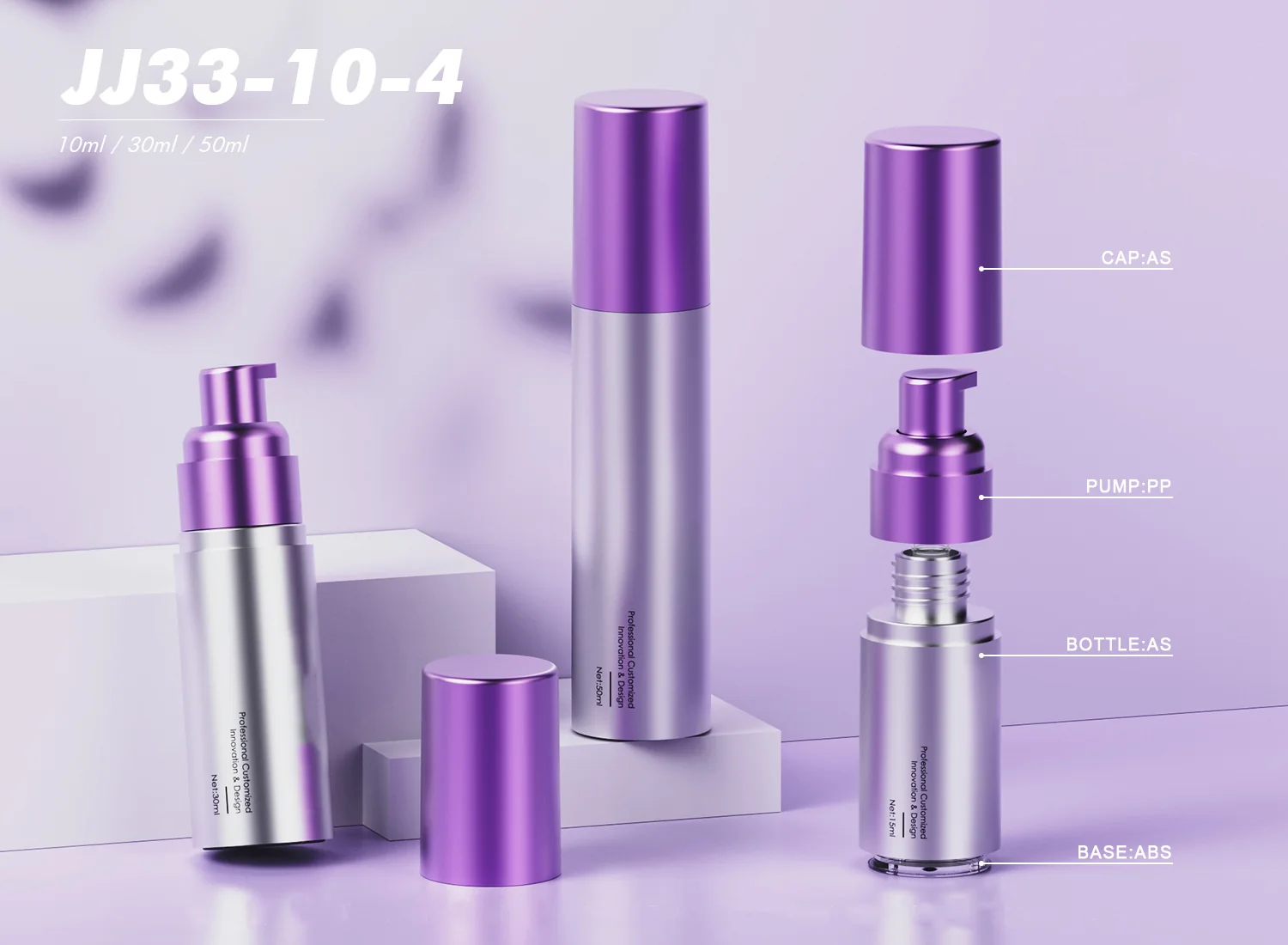
Airless packs may combine a bottle, piston or pouch, pump engine, actuator, closure, overcap, springs, and decoration. Some newer systems use mono-material or separable constructions, but that is not a category-wide property.
Aptar qualifies recyclability by material composition and local infrastructure; Lumson describes specific designs intended for component separation. (Aptar; Lumson) Request the bill of materials, separation instructions, decoration details, assessments where available, and market-specific guidance.
Send these details before requesting samples or a quotation.
Countries or regions and launch timing.
Capacity and expected number of uses.
Category, viscosity, rheology, particles, or capsules.
Desired output per actuation.
Known sensitivities, including metal contact if relevant.
Piston, pouch, or open to recommendation.
Shape, wall effect, color, and finish.
Print, hot stamp, spray, electroplating, or labels.
Lock, overcap, orientation, and transport requirements.
Tests, sustainability target, quantity, and forecast.
Review existing ZK-series tooling first, then identify where samples, testing, decoration development, or a custom mold are needed.
Use the image to discuss appearance; select the catalog model separately.
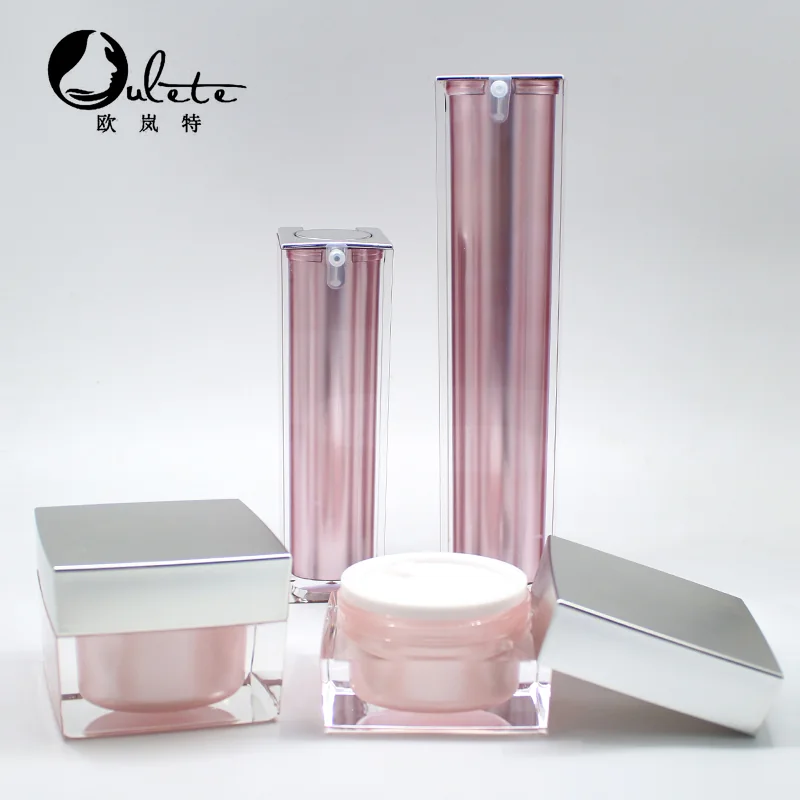
Confirm the finish on a decorated physical sample.
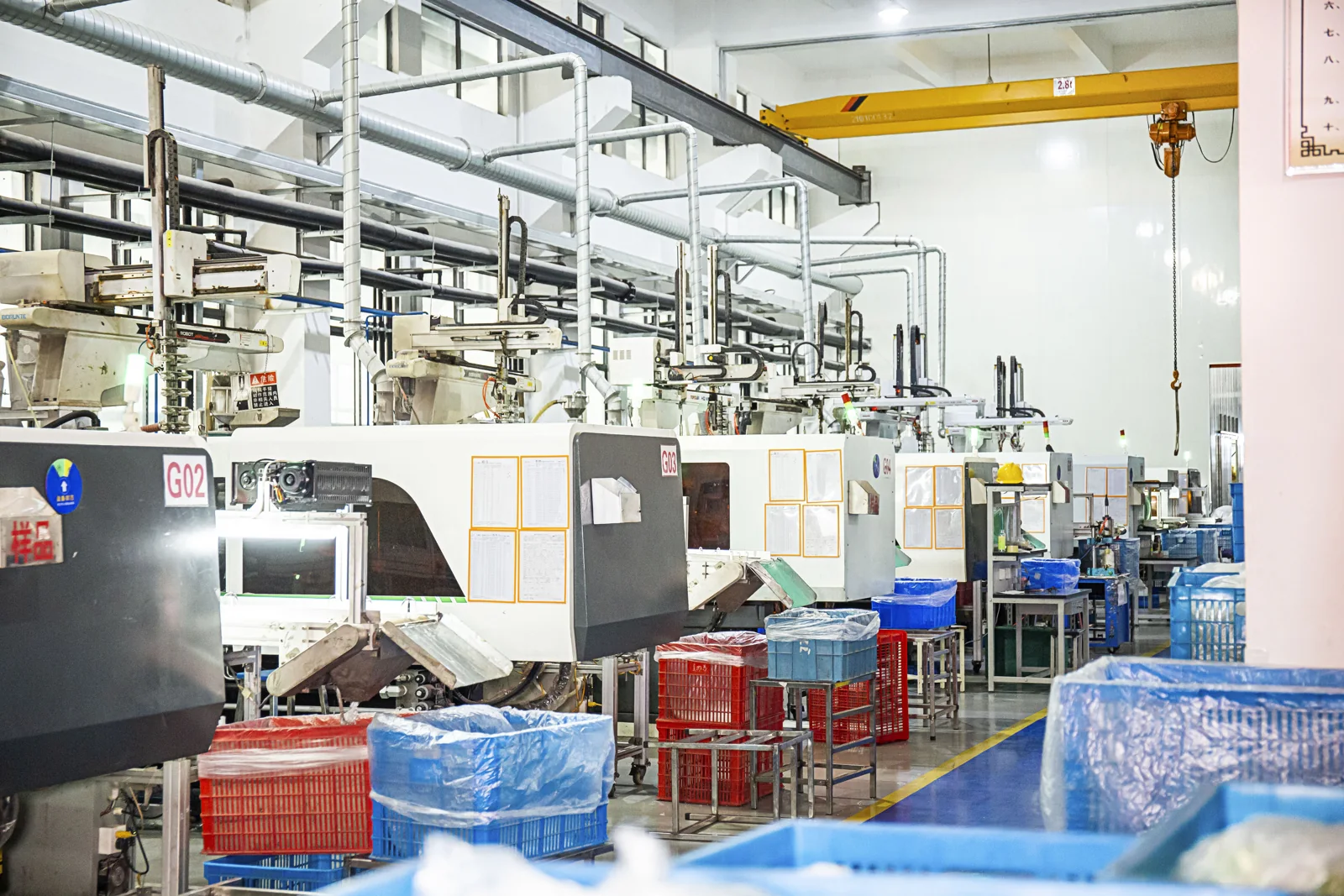
Original Oulete imagery; agree the processes relevant to the order.
42 existing-tool ZK-series airless designs from 5–200 ml. Plastic container MOQ: 2,000 pieces; confirm components and finish in the quotation.
Mechanism, dose, priming, evacuation, viscosity, compatibility, and recyclability data require SKU-level review.
Agree the drawing, sampling stages, ownership and any volume-based refund terms in the tooling quotation.
Containers and decoration only. Formula development and filling are not included.
Share your formula category, fill volume, dose target, quantity, decoration, target market, and test requirements. We’ll review existing ZK-series tooling first.
Oulete supplies packaging containers only. Formula development and filling are not included.
Prefer email? amy@ouletepackage.com
Mechanism families, performance positioning, and recyclability qualifiers.
Product-specific dose and evacuation example.
Product-specific dose and size examples.
Piston and pouch families and separation for specific designs.
Mechanism and formula-protection positioning.
Industry explanation of piston operation and viscosity considerations.
Oulete Product and Manufacturing Reference
Verified catalog, manufacturing capabilities, MOQ, tooling terms, and container-only scope.
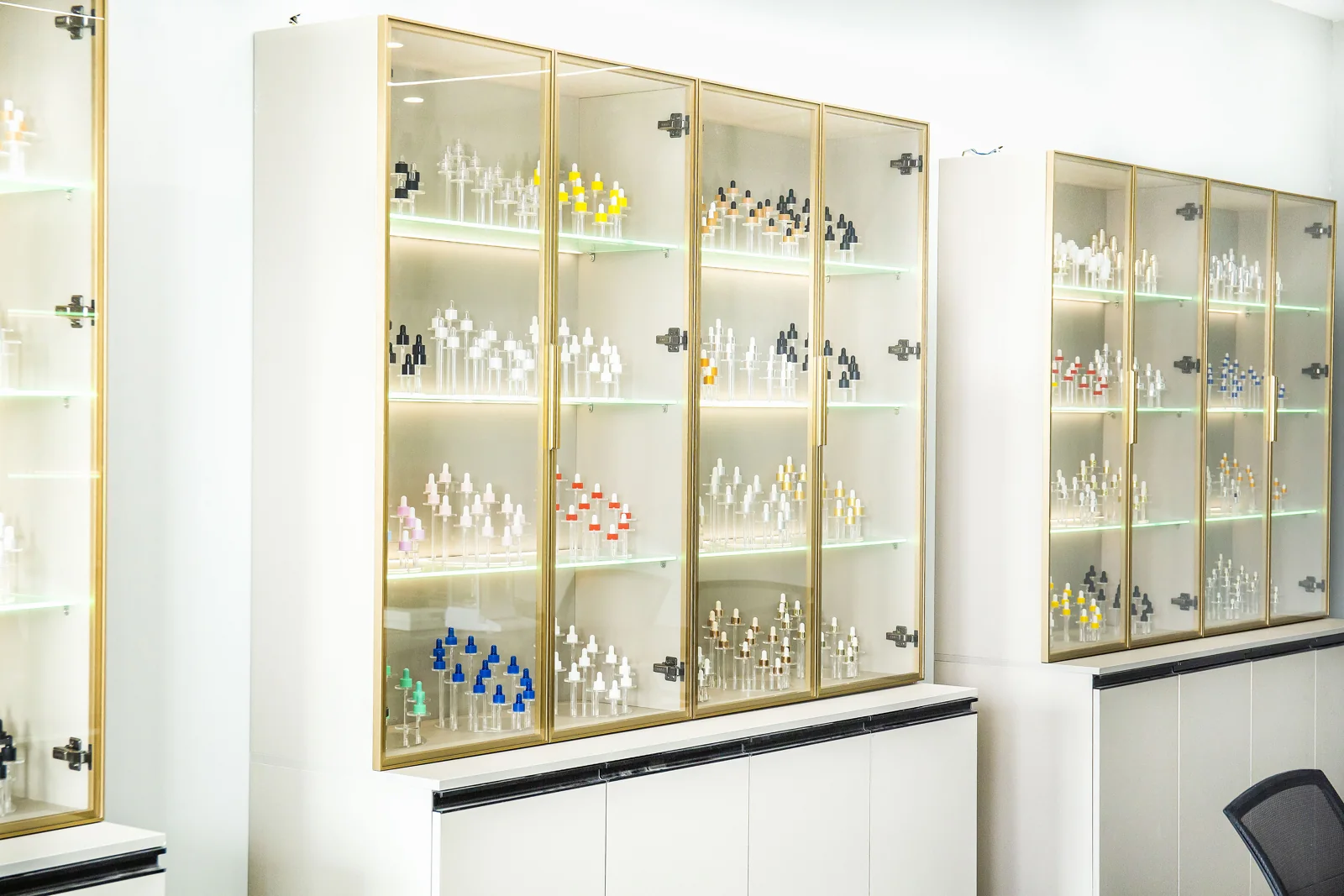
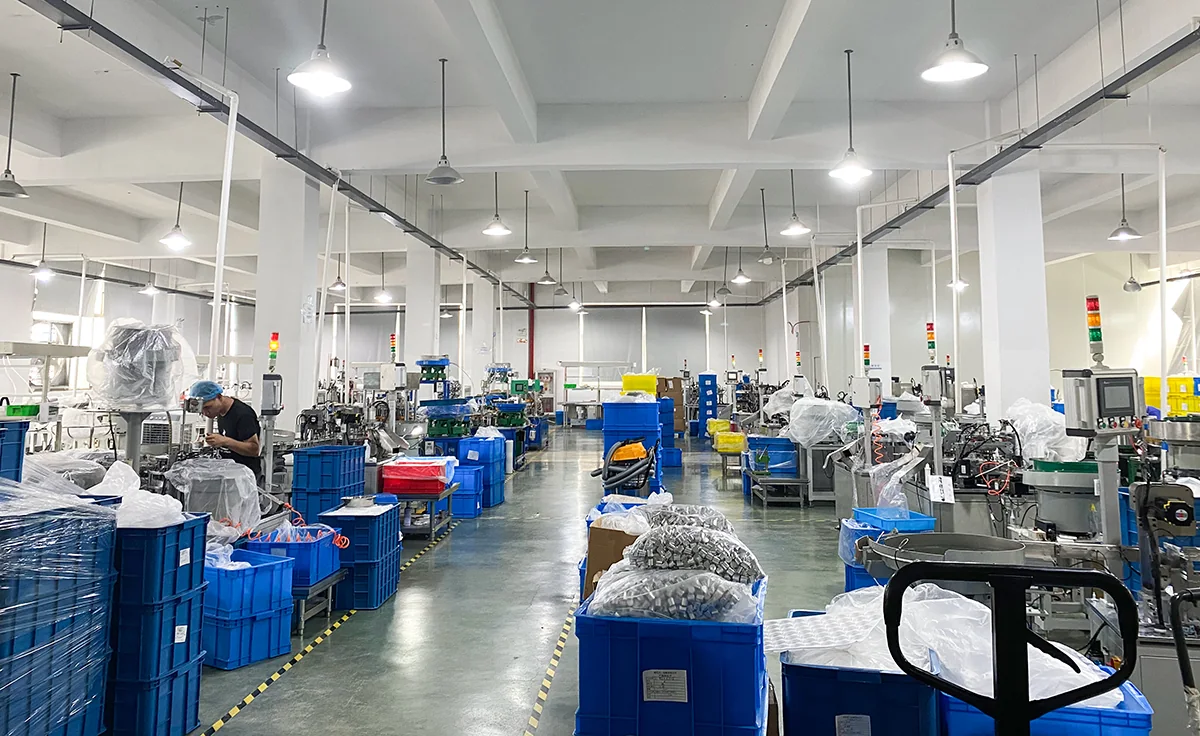
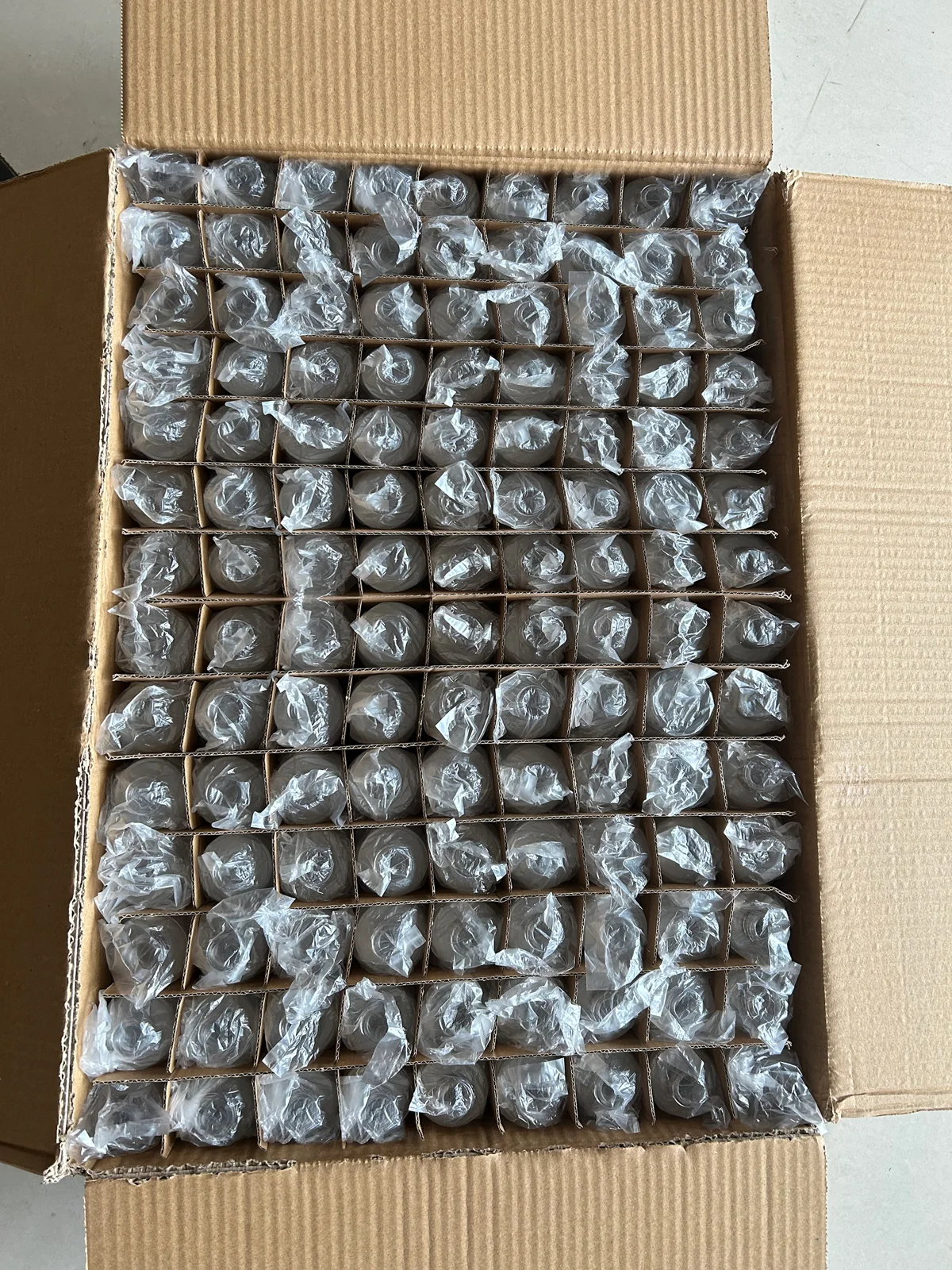
Photographed at Oulete
See the facility and visible operations behind a packaging enquiry. For your selected assembly, ask which steps apply and request the corresponding sample and inspection records.