A raised or recessed logo changes the surface geometry of the selected component. Review it at the drawing and tooling stage, before treating it as a decoration option for an existing catalog body.
Define the detail on the drawing
Supply the logo artwork, position and intended size. Identify the component and the surfaces visible in the assembled pack. The mold review should confirm what geometry is feasible and whether an existing tool can accommodate the requested detail.
Ask for the proposed drawing to show the feature clearly. A rendered image communicates appearance but cannot approve the tooling specification.
Confirm the tooling scope
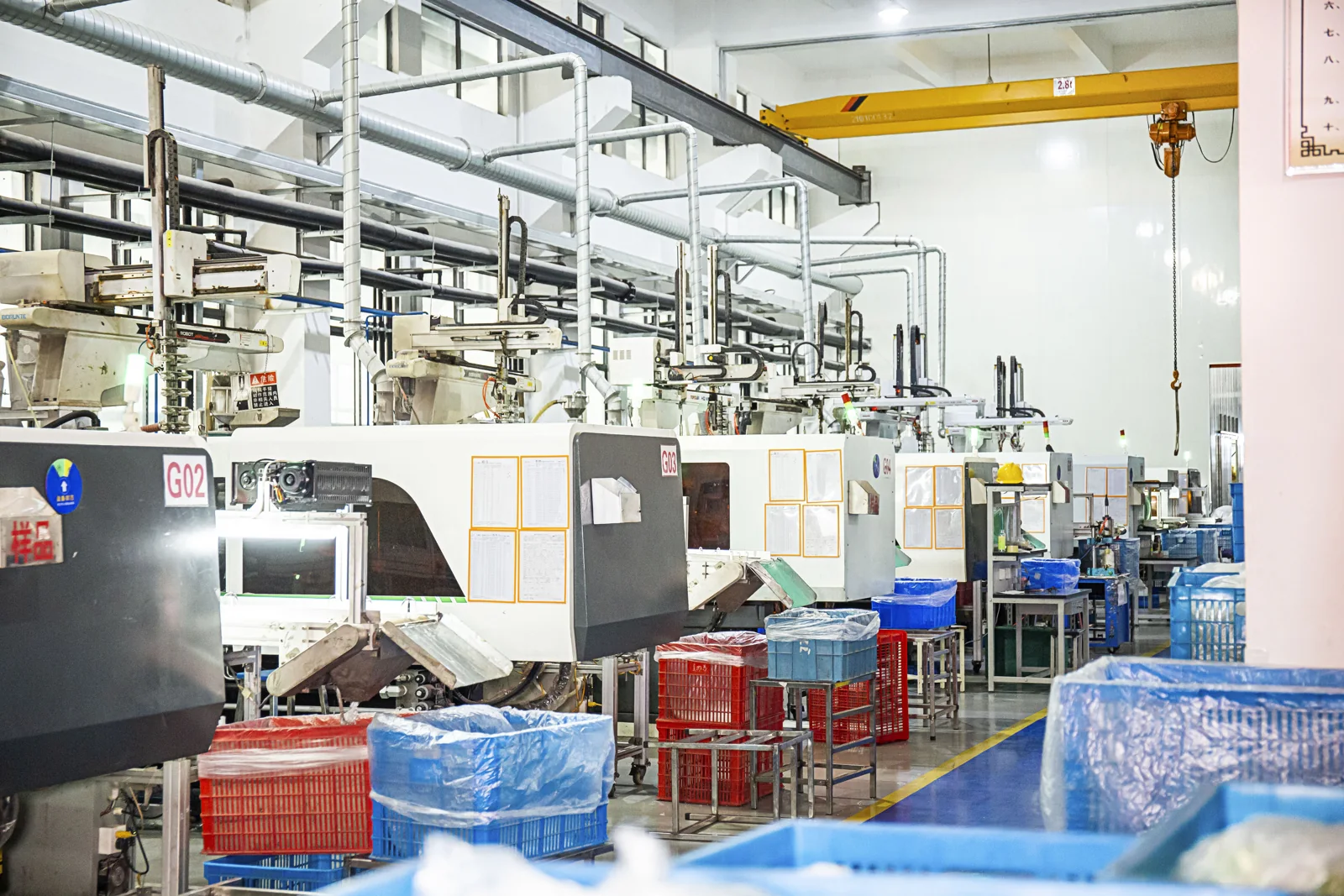
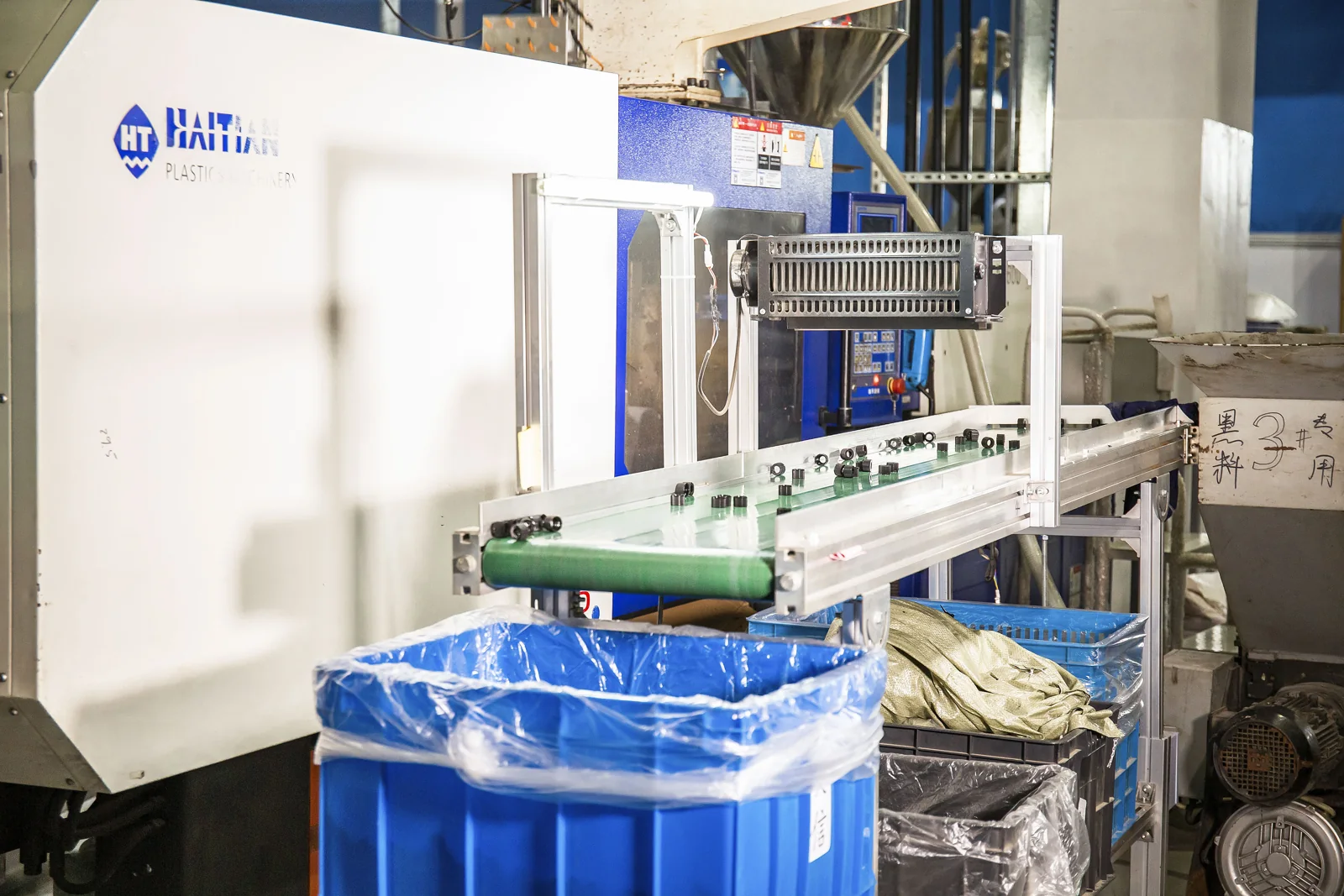
Oulete has an in-house mold shop. The quotation should state whether the project requires a new tool, a modification or another agreed route, along with the cost, ownership and sample stages.
Paid tooling belongs to the customer with written ownership confirmation. The cumulative volume required for a full tooling refund is agreed in the quotation. New-tool projects start at 10,000 pieces.
Approve the molded sample
Check legibility and position on the actual molded part. Review the feature alongside any coating, printing or plated finish that is part of the final design. Include the fit and function of the complete assembly in the approval, especially when the new detail changes a surface near another component.
Retain the drawing revision and accepted sample for repeat orders. An artwork change after tool approval needs a new scope review.
Send a molded-detail brief or review custom tooling.
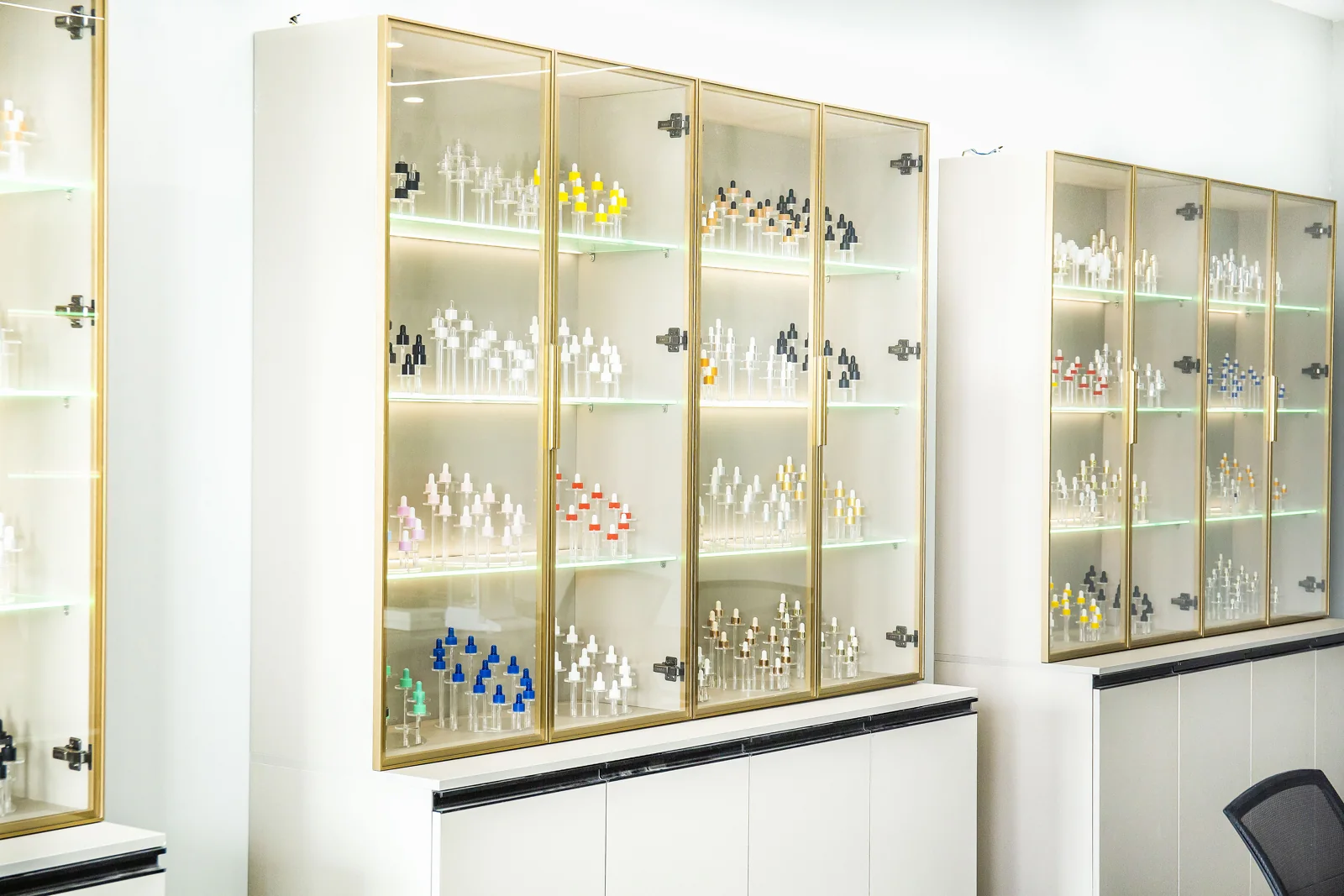
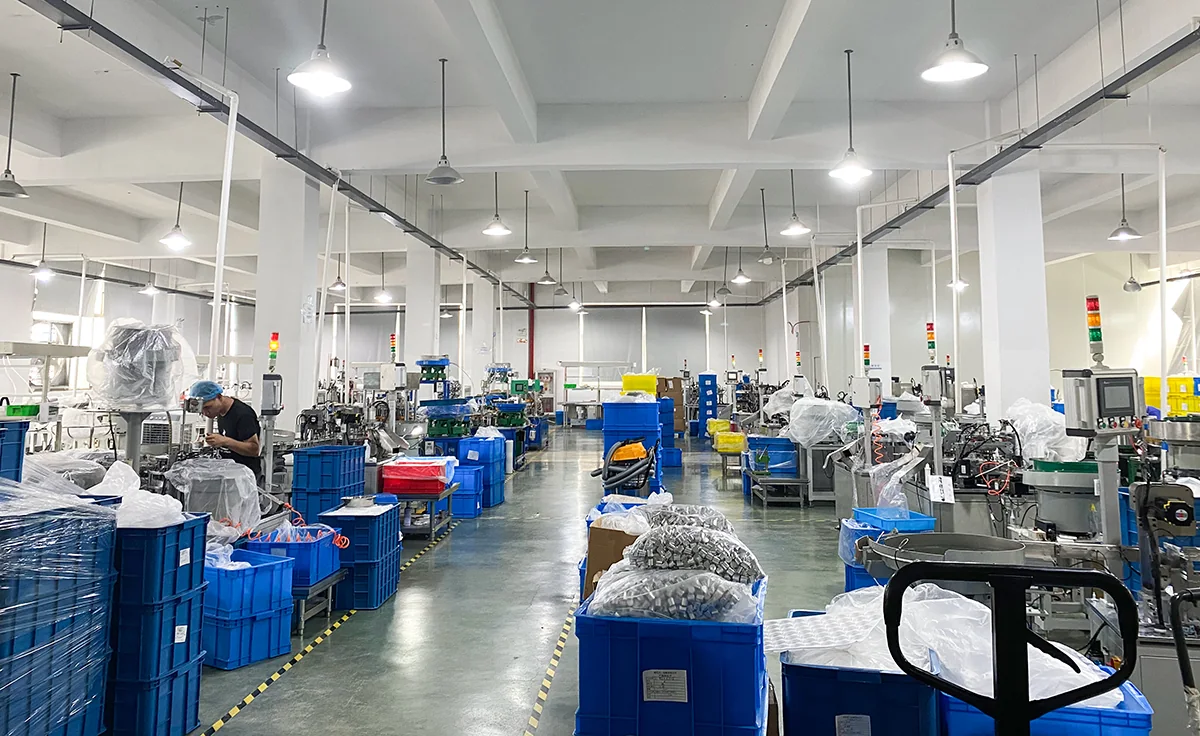
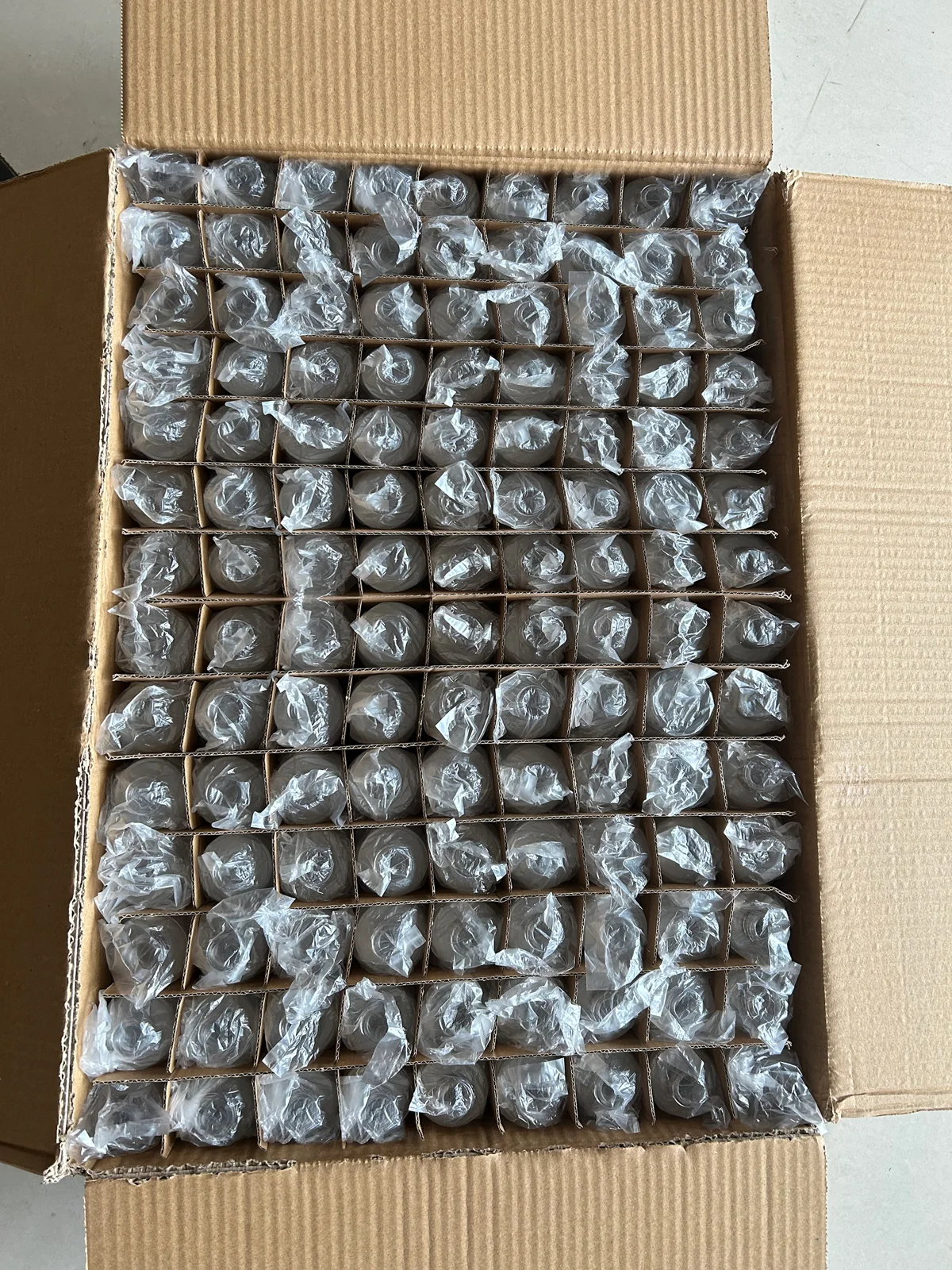
Photos and process footage
Put the specification to work
Prepare a sample request. The tool shows its inputs and limits before you use the result in a project brief.