Cosmetic packaging · Made for your brand
Sunscreen Packaging: How to Compare Bottles, Tubes, Sticks and Sprays
A sourcing guide to sunscreen package formats, filled-product tests, spray and stick constraints, and the information to agree before sampling.
Pump-bottle format reference from Oulete materials; these samples are not evidence of sunscreen compatibility.
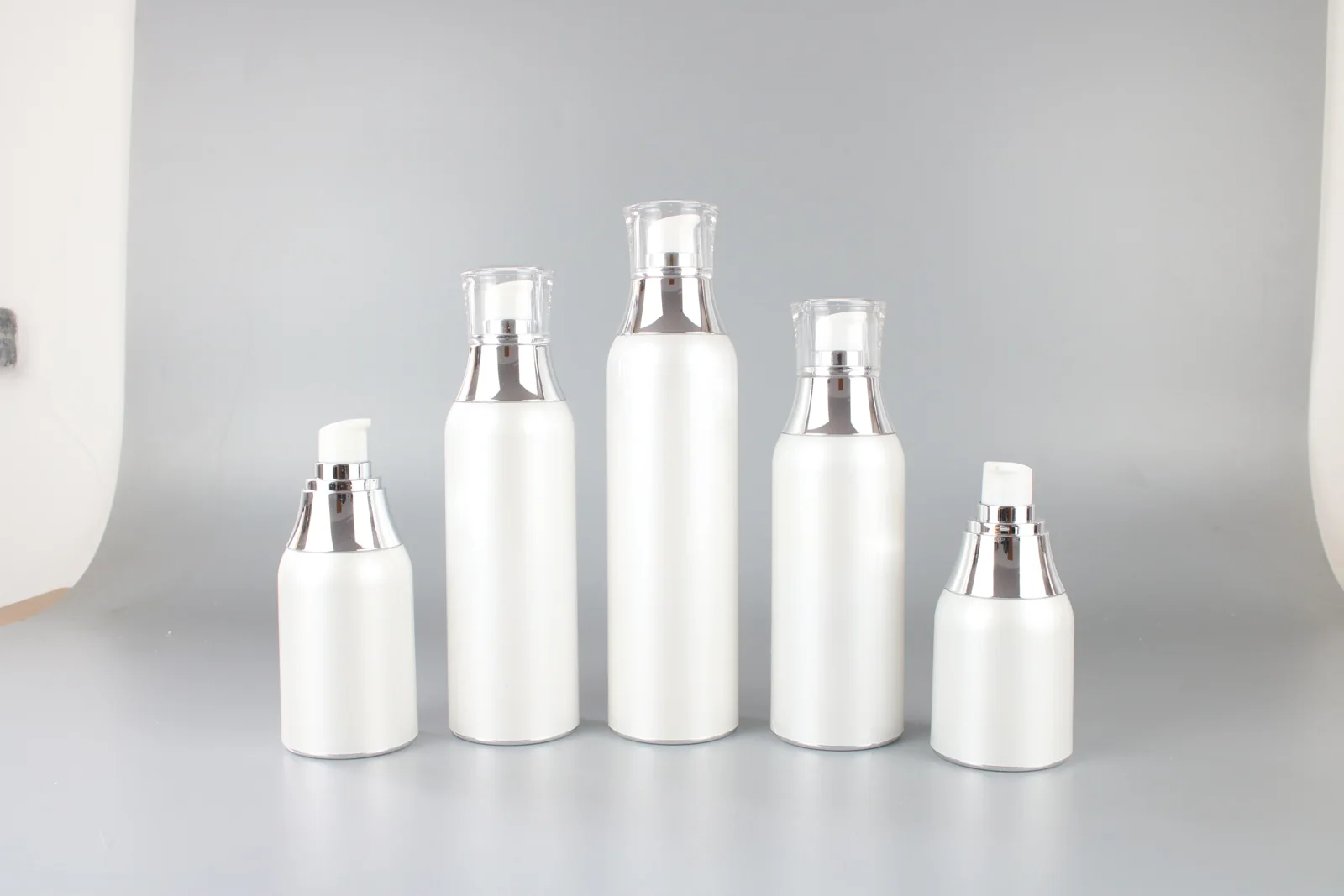
Five white cosmetic pump bottles in different proportions
Select sunscreen packaging together with the formulation and filling teams. Bottles, tubes, sticks and sprays each create different dispensing and production questions. A format cannot establish the finished product’s SPF, water resistance, shelf life or regulatory status.
Begin with four different sampling questions
| Format | Question to resolve | Sample evidence to request |
|---|---|---|
| Bottle with pump or dispensing cap | Can this closure dispense the actual formulation consistently? | Filled samples with the proposed closure and product-contact components |
| Squeeze tube | Do the opening, seal and body work together? | Filled and sealed tubes with the intended cap, orifice and decoration |
| Stick | Does the formula work with the filling process and advancement mechanism? | Filled units checked for movement, product retention and cap clearance |
| Spray | What delivery system is intended, and what testing does it require? | The specified actuator and complete system; distinguish pump sprays from aerosols |
Do not infer protection from appearance
A white bottle or metallic tube is a visual description. Request the actual component specification and any applicable barrier evidence. Ask the formulation team to define compatibility and stability checks with the proposed finished package. Include any changes in smell, color, texture, container appearance, leakage or dispensing observed during the agreed study.
If the formula separates or dispensing changes, document the result rather than solving it with an unsupported packaging claim. A change in resin, liner, pump or closure may require another review.
Give sprays and sticks their own brief
Do not quote “spray packaging” as if it were one system. Identify whether the project uses a mechanical pump or an aerosol, then involve the appropriate formulation, filling and safety specialists. Nozzle appearance alone does not establish spray performance, product application or safe use.
For a stick, specify the formulation and filling process before selecting the mechanism. Review product movement, breakage, retraction where applicable and clearance under the cap on filled samples. An empty stick turning smoothly is only an early mechanical check.
Reserve label space before approving artwork
Destination-market review belongs early in the project. For example, the FDA sunscreen guidance describes U.S. sunscreen labeling, SPF and water-resistance information. Packaging purchase approval does not establish compliance with those requirements.
Ask the responsible regulatory reviewer for the required text and legibility constraints. Check that the usable decoration area, seams, curvature and cap position accommodate the approved artwork. Keep the review tied to the actual marketed product and jurisdiction.
Send a precise request for samples
- Formula type and identification, fill amount and intended market.
- Dispensing system, use orientation and proposed product-contact materials.
- Filling process and the tests the formulation or filling team needs to run.
- Artwork area, component specifications and the approval record required before production.
Compare tube formats and lotion-bottle formats as candidates, then use sample planning to confirm the requirements for the specific project.
Photographed at Oulete
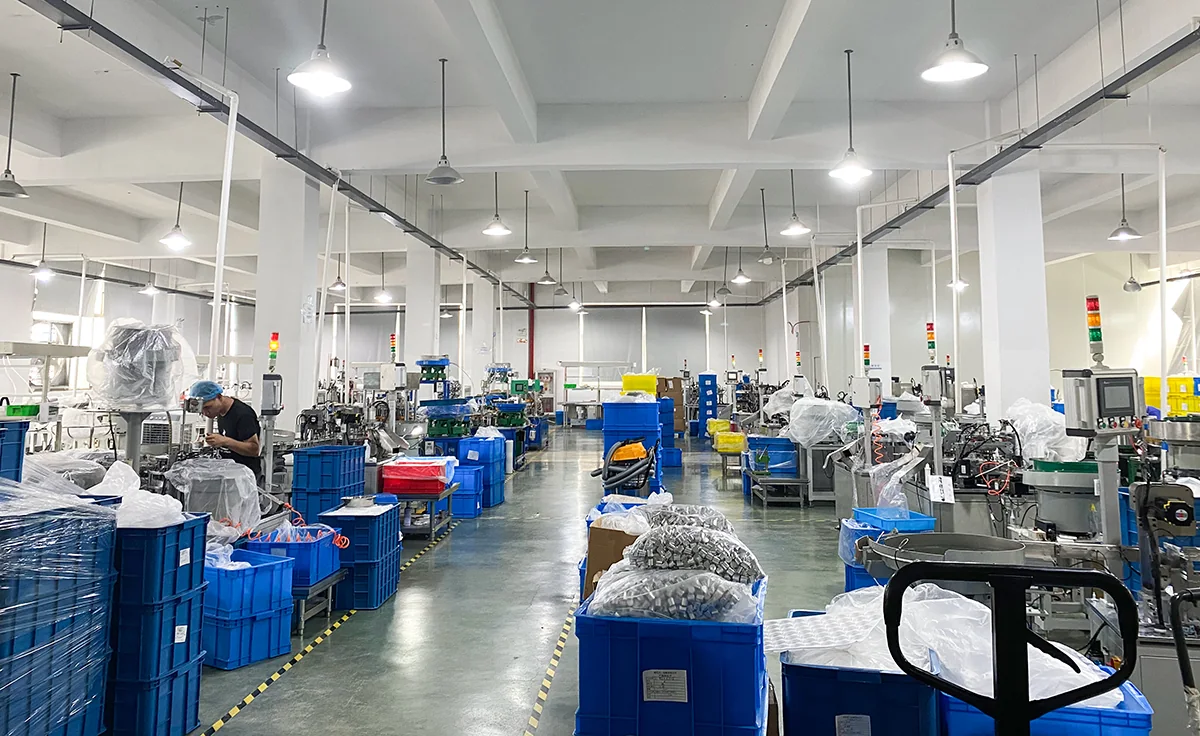
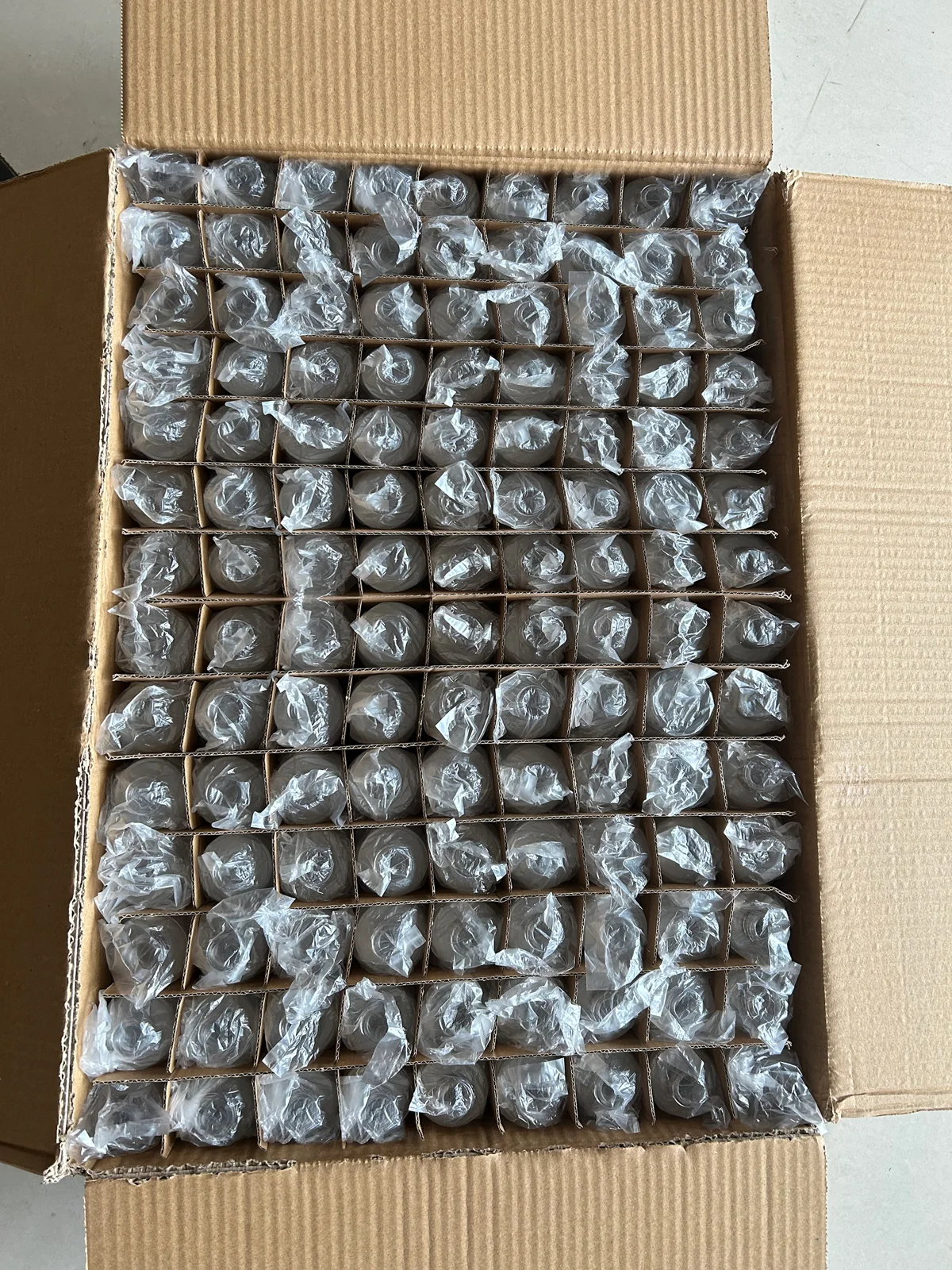
From the sample room to packed containers
See the facility and visible operations behind a packaging enquiry. For your selected assembly, ask which steps apply and request the corresponding sample and inspection records.