Cosmetic packaging · Made for your brand
Airless Pump Jars for Face Cream: When to Compare Jars and Bottles
Compare airless pump jars, airless bottles and open cream jars through dispensing, filling, compatibility and usability checks before production approval.
An ordinary refillable cream-jar reference from Oulete materials, shown for comparison. This photograph does not depict or prove an airless mechanism.
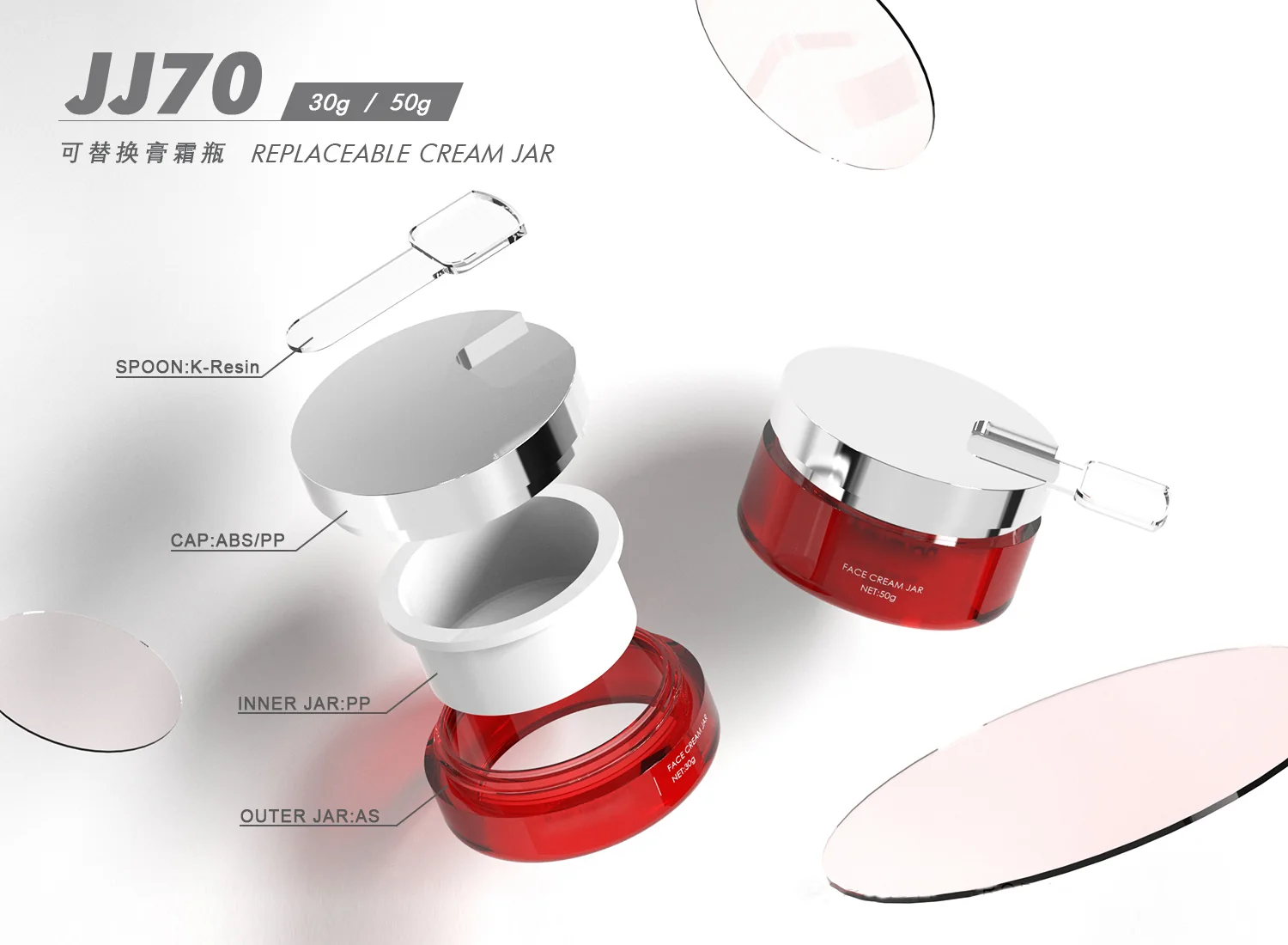
Red outer cream jar and separated white insert and lid
An airless pump jar may suit a face-cream project that needs a jar-shaped package with dispensing through a pump or actuator. Evaluate it against an airless bottle and an ordinary open jar using the same formula. Jar shape alone does not establish better preservation, hygiene or product evacuation.
Separate the shape from the dispensing mechanism
An open jar gives access to the product after removing a lid. A pump jar delivers product through a dispensing mechanism. An airless bottle may use a similar dispensing principle in a different shape. Ask for the specific mechanism and product-contact materials rather than assuming that every jar or bottle works alike.
| Candidate | Question for the project team | What the sample should demonstrate |
|---|---|---|
| Open cream jar | Is direct access consistent with the intended use and product assessment? | Opening, closure, access and handling with the actual cream |
| Airless pump jar | Does the actuator deliver the desired amount with acceptable effort? | Priming, repeated dispensing, residue and closure performance |
| Airless bottle | Does the narrower format better fit use, filling and packing? | The same filled-product checks under comparable conditions |
Check dispensing before making performance claims
Fill the proposed package with the actual cream using the intended process. Record priming strokes, output, interruptions, leakage and remaining product when the system stops dispensing. Include partly emptied samples and the expected use orientation. A thick cream working in one pump does not establish suitability for every viscosity or formulation.
Agree acceptance limits with the relevant teams before approving production. Claims such as “every last drop,” a fixed evacuation percentage or operation in any position need evidence from the specific package and test conditions.
Keep preservation decisions with the formulation team
Choosing an airless package does not, by itself, justify fewer preservatives, a longer shelf life or a claim that bacteria cannot enter. These conclusions require appropriate assessment of the finished product. The Cosmetics Europe stability-testing guidance includes compatibility with the package in stability planning; it does not provide a universal shelf-life extension for airless jars.
Have the formulation team define the necessary stability, compatibility and microbiological work. Treat dispensing performance and product preservation as separate questions in the approval record.
Test usability and any refill proposal
Observe whether intended users can remove the cap, position a hand and operate the actuator comfortably. A one-handed demonstration by one person does not establish accessibility for everyone. Include the people and use conditions relevant to the product brief.
If a refill is proposed, review the supplied replacement unit, handling instructions, fit and closure after replacement. Confirm which parts are retained and which are discarded. Do not describe the package as recyclable or lower-impact without evidence for the complete design and intended market.
Choose on recorded results
Compare the candidate formats against dispensing, usability, filling constraints, decoration and packing requirements. Use cream-jar references and airless-bottle references to start the discussion, then request filled-product sample planning. Confirm availability and specifications for a pump jar separately; an ordinary jar photograph is not a substitute.
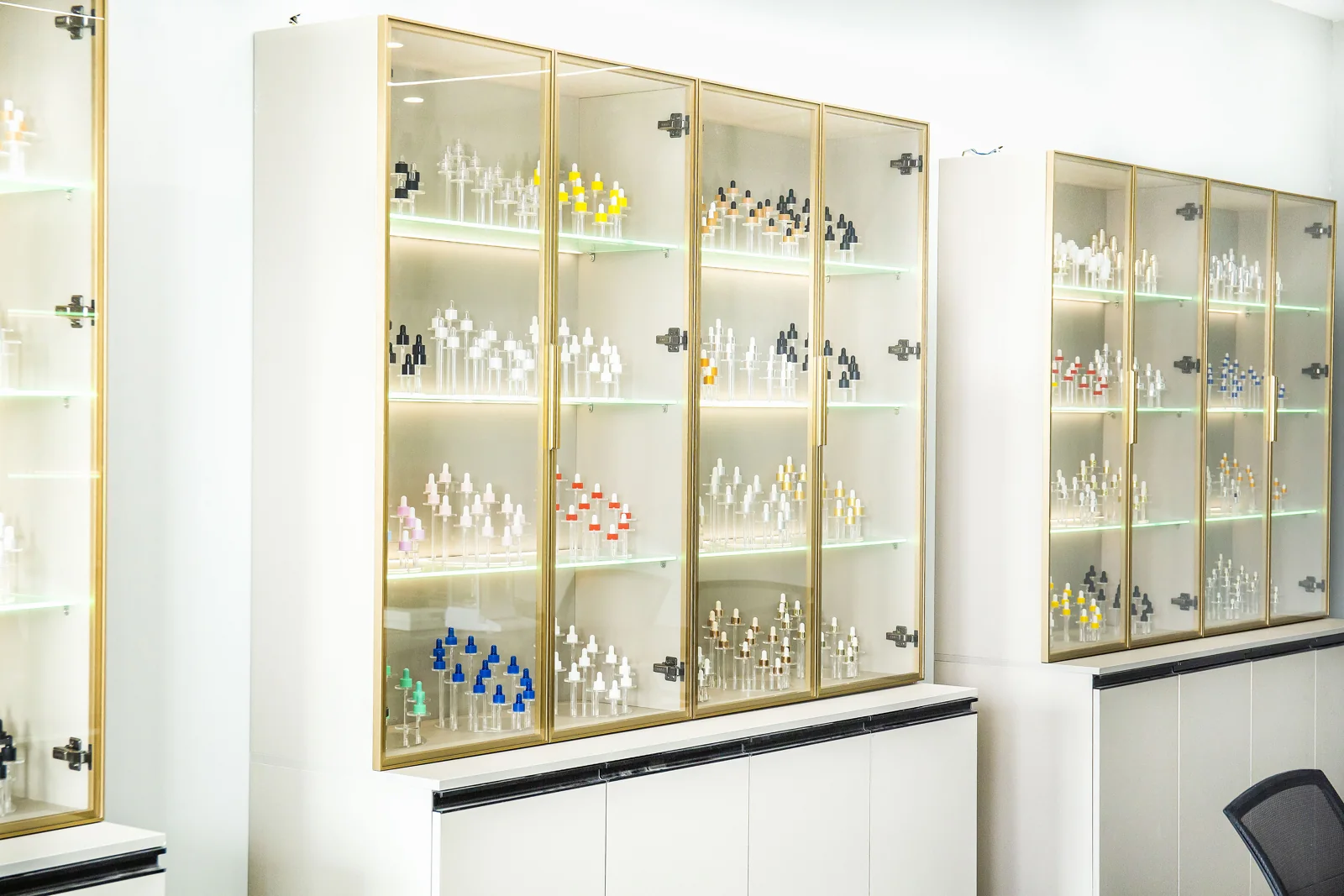
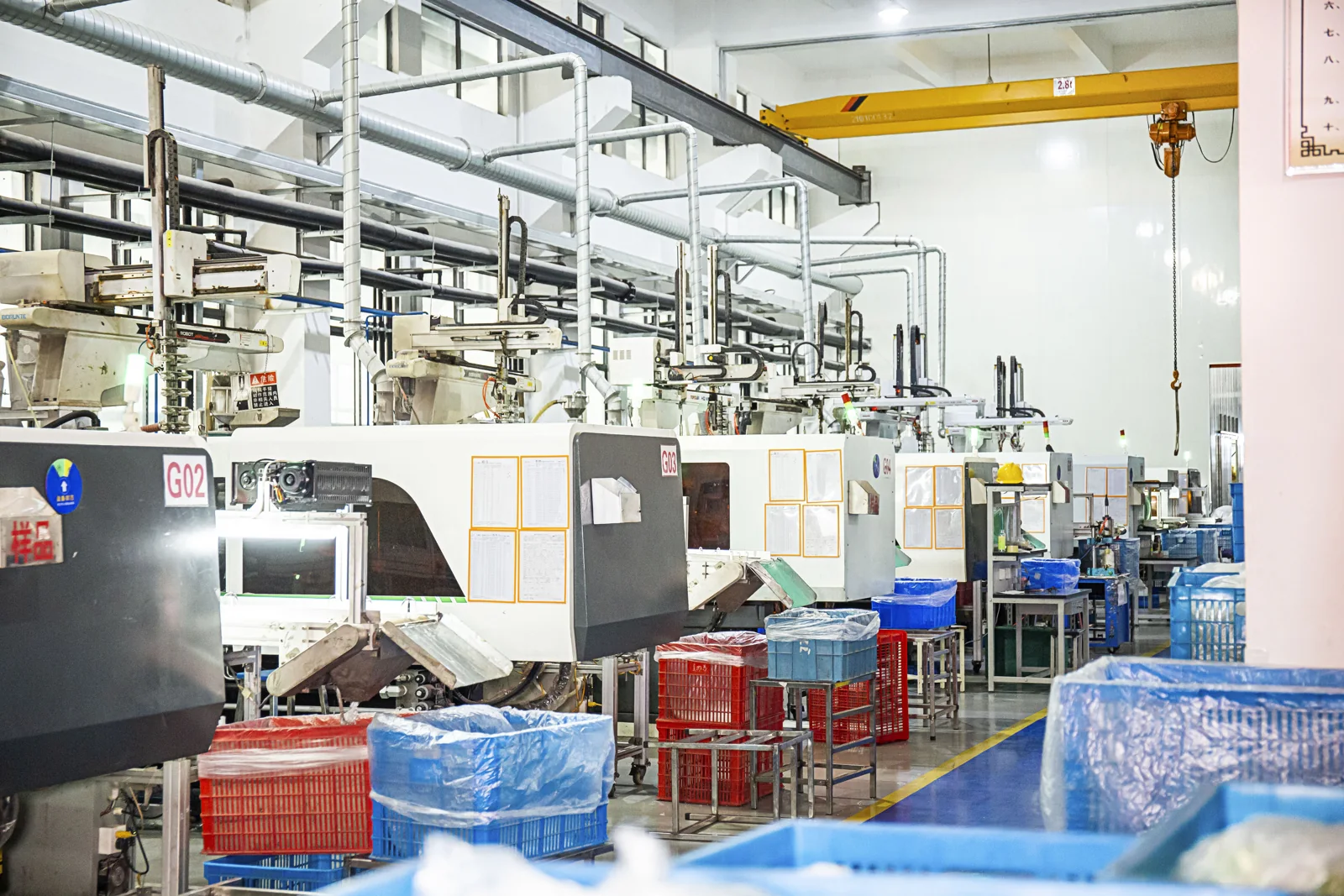
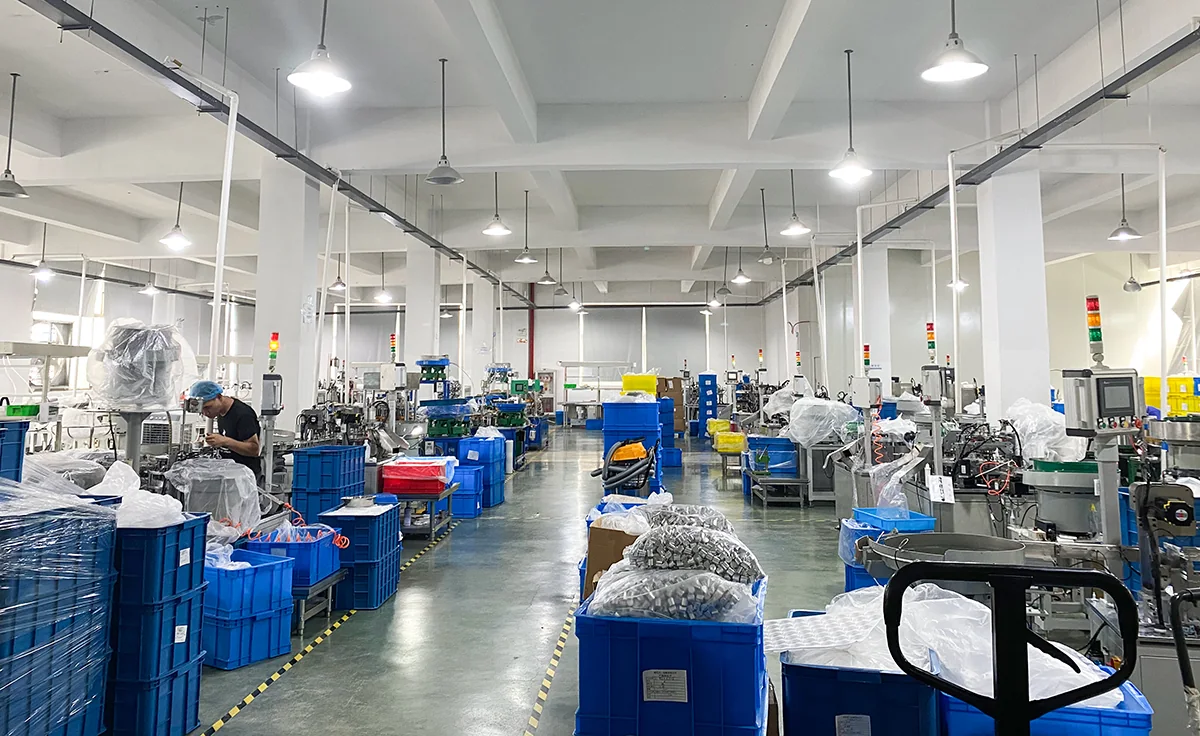
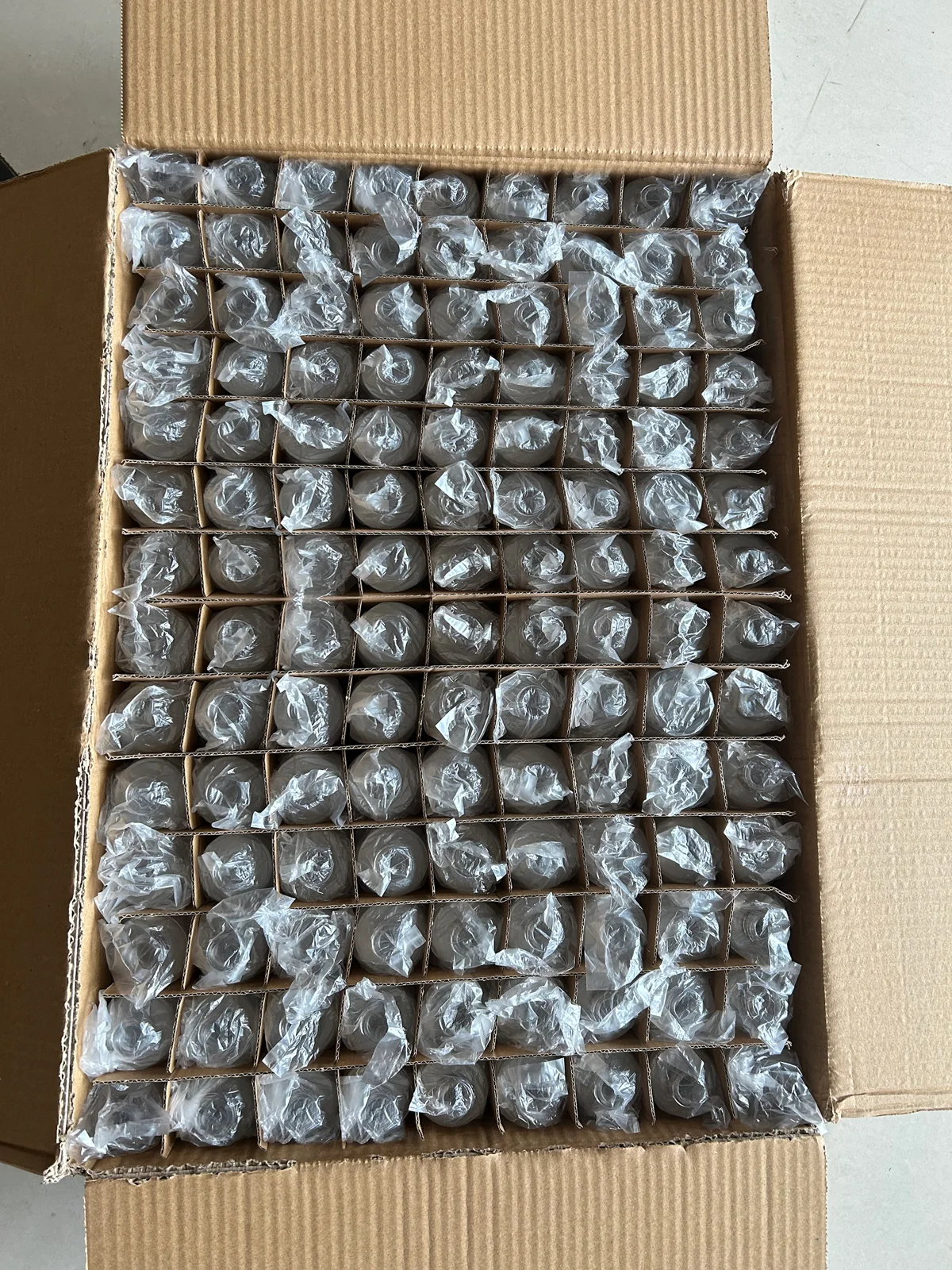
Photographed at Oulete
From the sample room to packed containers
See the facility and visible operations behind a packaging enquiry. For your selected assembly, ask which steps apply and request the corresponding sample and inspection records.